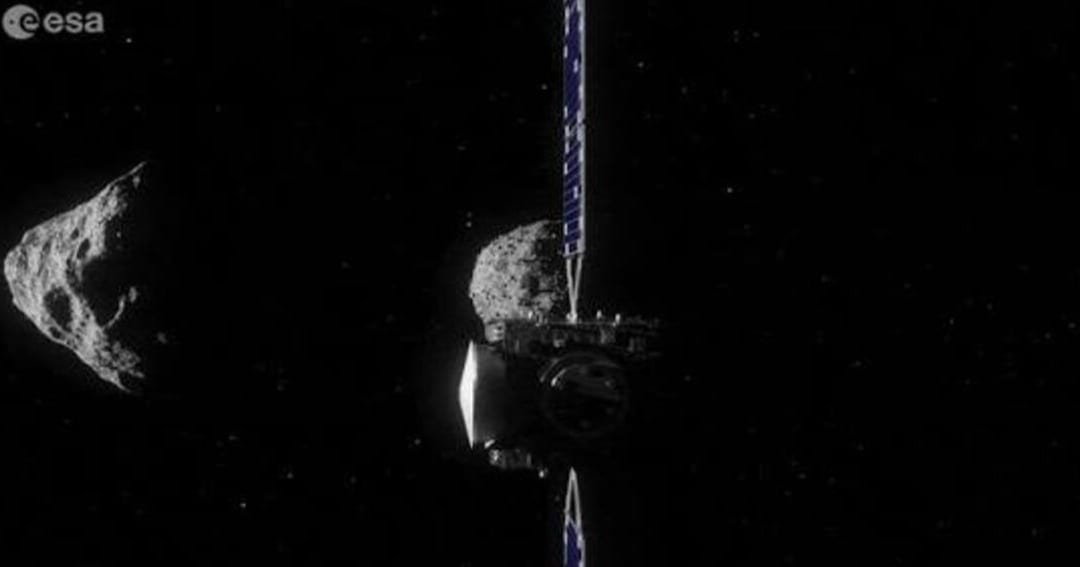
Which celestial bodies in our solar system stand out as the strongest candidates to harbor life?
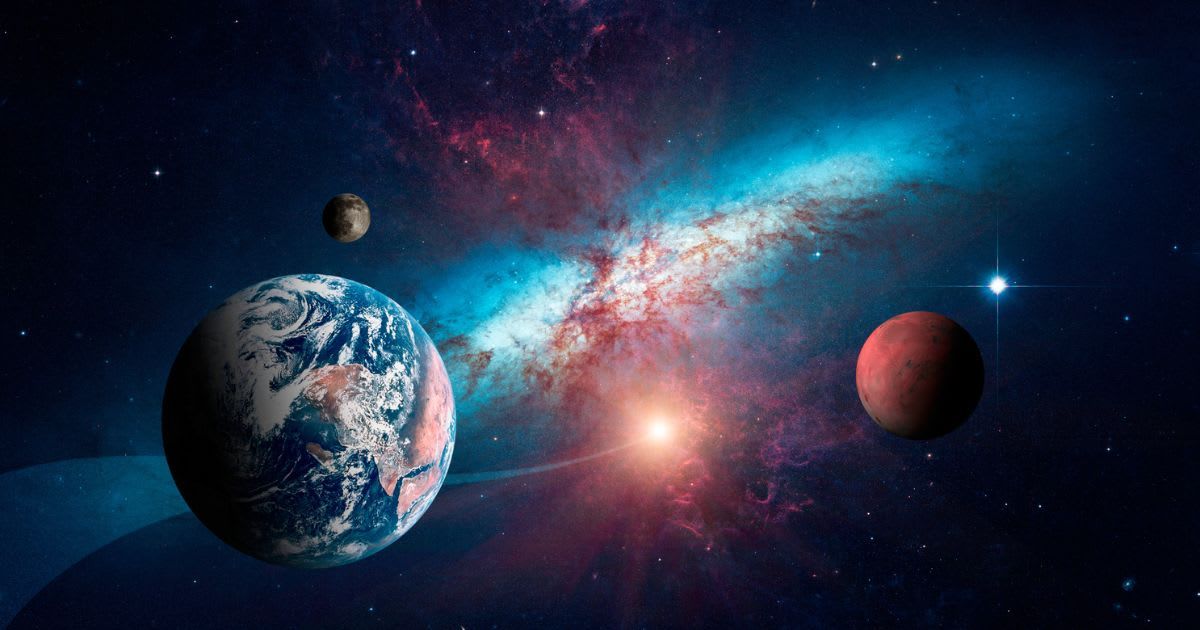
There are an estimated 100 billion to 400 billion stars in the Milky Way. Astronomers believe that nearly every one of them hosts at least one planet. And this would take the count of planetary systems to at least 100 billion or more for our galaxy. Thus, to believe alien life may exist on exoplanets would not be the most outrageous thing in the world. But while searching for life outside of planet Earth, we might not have to go beyond our solar system, as there is a chance that celestial bodies in our own neighborhood may host life.
![This artist's illustration gives an impression of how common planets are around the stars in the Milky Way. The planets, their orbits and their host stars are all vastly magnified compared to their real separations. [Representative Image Source: NASA/ESA/M. Kornmesser (ESO)/STScI-PRC 12-07]](https://de40cj7fpezr7.cloudfront.net/c11df36c-7b8b-48c4-9c3b-77a48438dfa7.jpg)
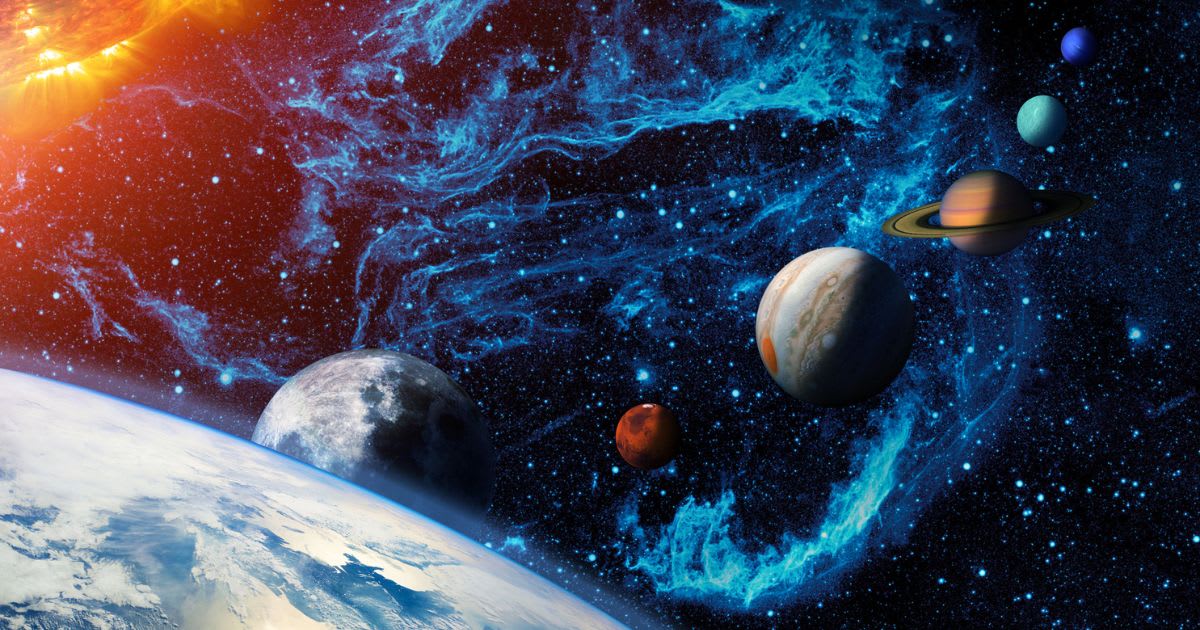
There are about five places in our solar system where scientists feel that life might soon be detected. It is important to note, however, that we are not talking about green aliens here, but rather microbial life.
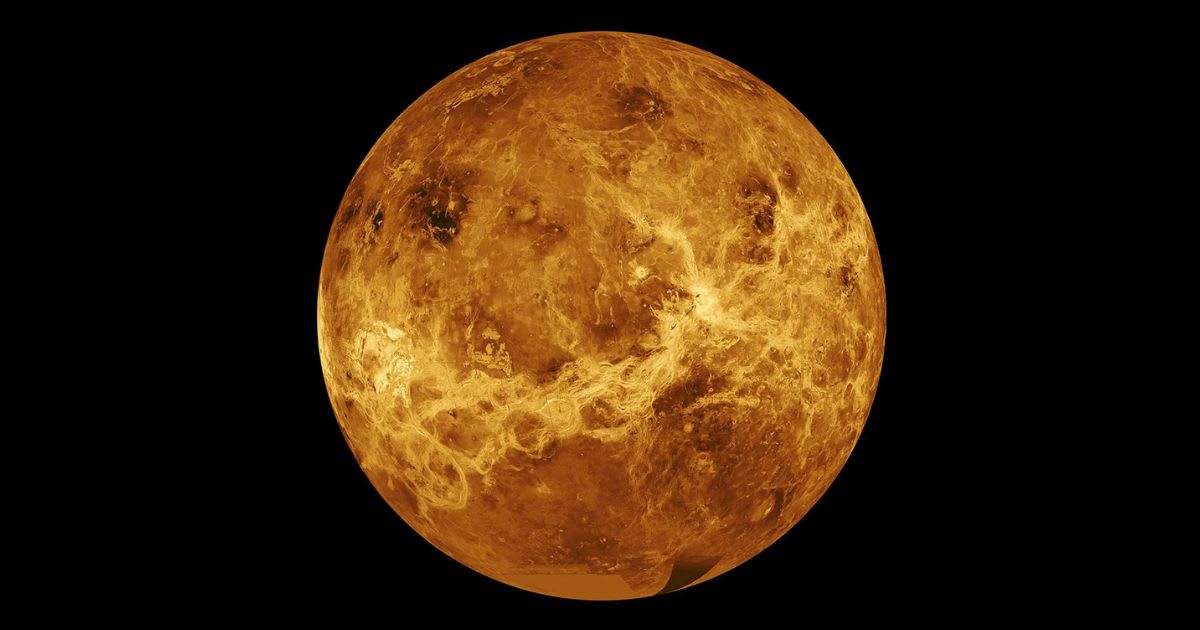
5. Venus
This might come as a shocker, as the overall conditions on Venus look inhospitable at first glance. Apart from extreme surface temperatures, the planet also exhibits immense atmospheric pressure that's enough to crush a human within split seconds. Thus, finding traces of life down on the surface seems pretty much impossible. Surprisingly, back in 2020, Cardiff University astronomer Jane Greaves and team had made some interesting findings. Studying the cloud layer 50 kilometers upwards, the team was shocked to find Earth-like conditions. Greaves’ team detected the presence of phosphine in abundance within Venus’ clouds. This is an important finding because phosphine is a component that is almost exclusively produced by microbial life on Earth. Thus, how a similar component was detected in a volatile environment like Venus baffled the scientists. However, these findings have been heavily debated.
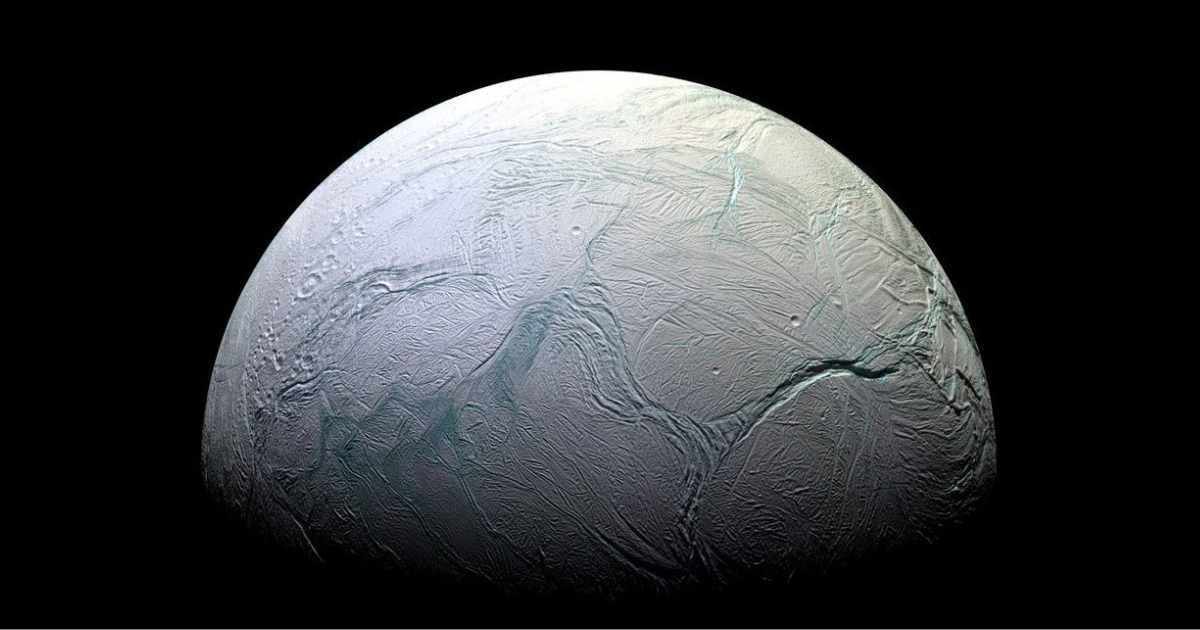
4. Enceladus
Now Titan is not the only moon of Saturn that has come under the radar of scientists where they feel microbial life might be detected. The small, icy moon of Saturn is recognized as one of the most promising places to search for extraterrestrial life in our solar system. Back in 2005, the Cassini spacecraft found water vapor was shooting out of Enceladus’ south pole. While an icy shell covers it, researchers hint that it is hiding a global ocean beneath the surface. Scientists have even found evidence that the bottom of the ocean contains molecular hydrogen.
3. Europa
Europa, with its deep icy shell and a likely subsurface saltwater body, has come to be considered one of the primary targets to look for life in our solar system. In October of 2024, NASA launched the Europa Clipper to explore Jupiter's ocean world. Now, as Europa is on its way, scientists have found out that, despite the radiation, life might be detected just beneath the surface ice of Europa.

2. Titan
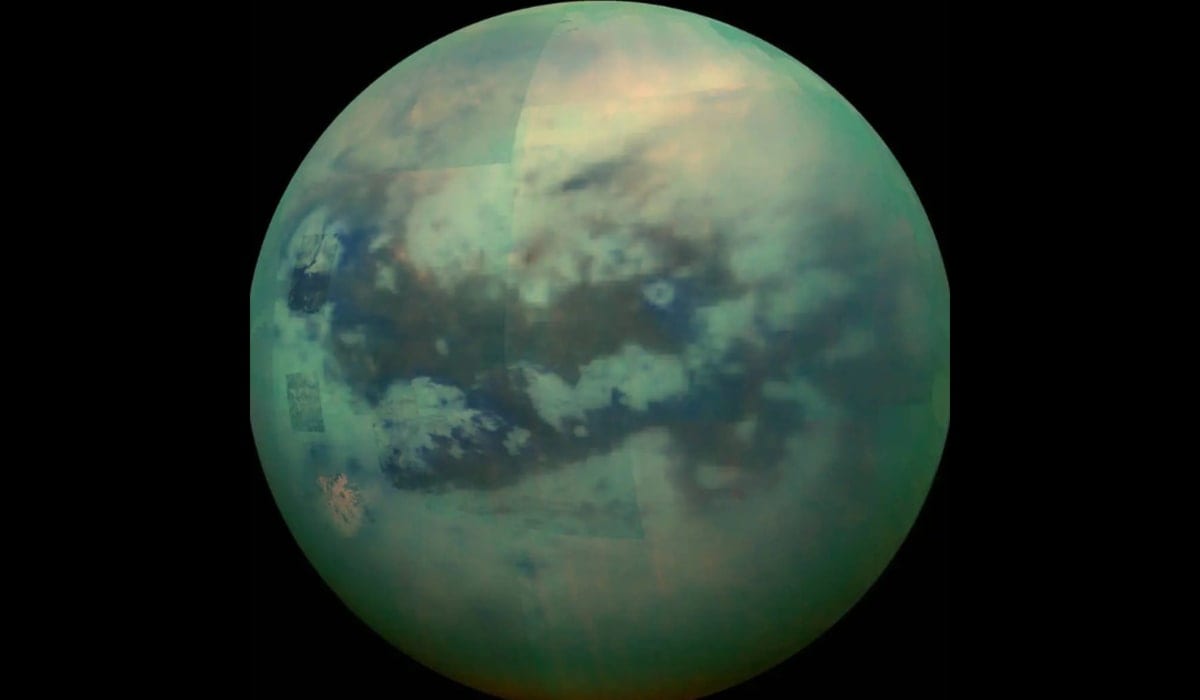
The features of Saturn's largest moon, Titan, make it one of the most unique celestial bodies in our solar system. Titan, although it is a moon, possesses a thick atmospheric layer mainly consisting of nitrogen. It also has distinct weather, water bodies, lakes, and rivers and also goes through a hydrologic cycle. Besides Earth, Titan is the only celestial body in the solar system to have stable liquid on the surface.
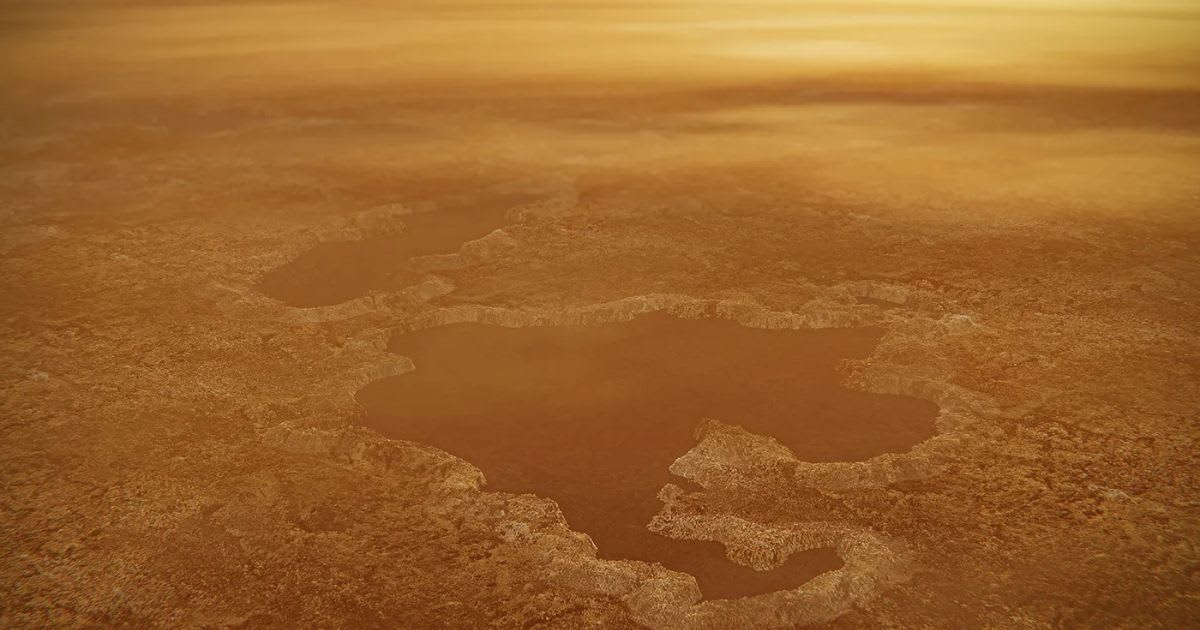
But instead of water, the liquid bodies are primarily composed of liquid methane and ethane. Scientists also believe that beneath its surface, Titan holds a subsurface ocean. To study the matter, NASA will soon be launching its Dragonfly mission to explore the surface of Titan.
1. Mars
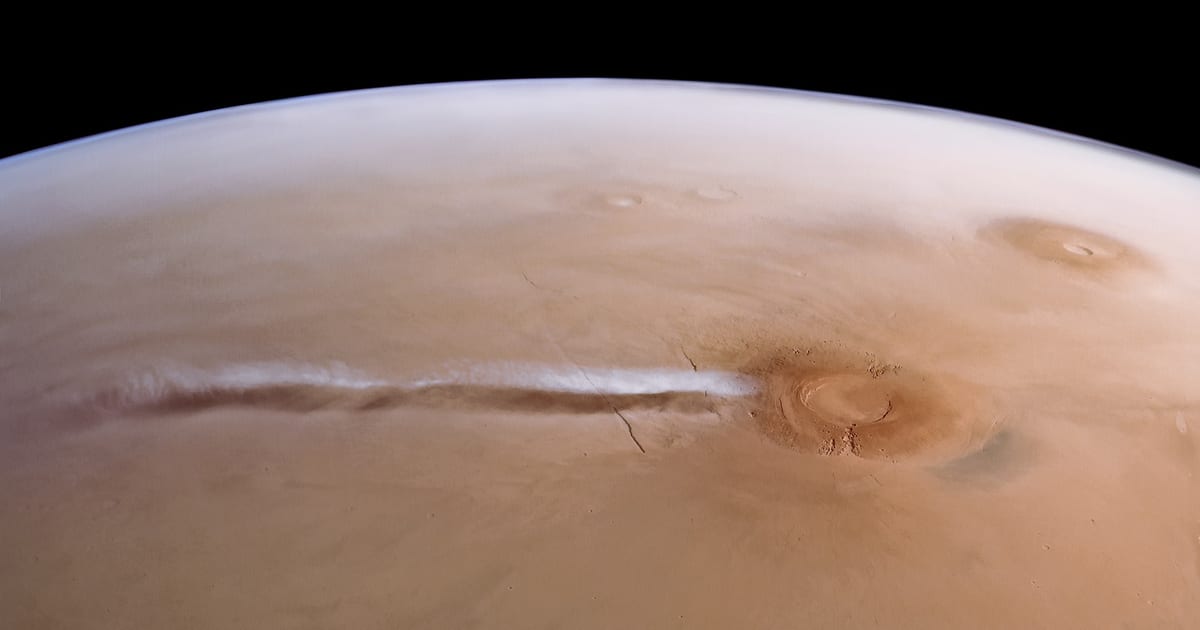
When the topic revolves around habitability outside of Earth, the very first planet that comes to mind is Mars. Despite it being cold and dry at present, studies indicate that it held water bodies and was habitable in the past. Now, although scientists are doubtful regarding the presence of life in the present scenario, they still feel that the subsurface lakes shielded by the ice caps might still host microbial life.
More on Starlust
Ultraviolet radiation from stellar flares might increase chances for life around small stars