JAXA's historic MMX mission lifts off towards Mars to bring back first-ever samples from Phobos
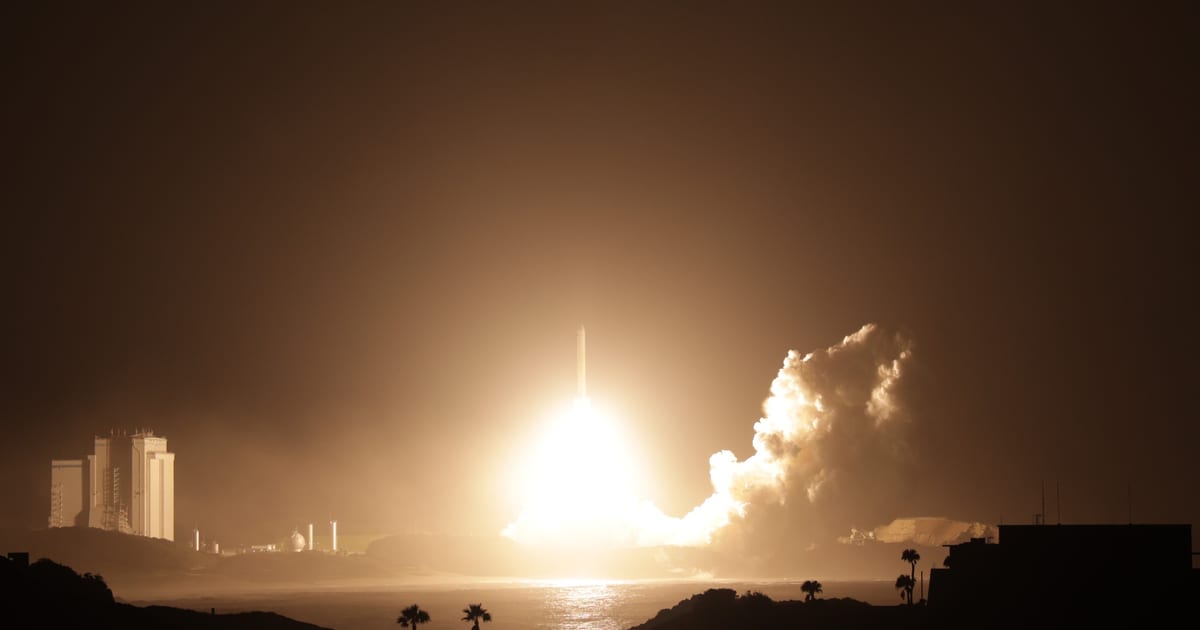
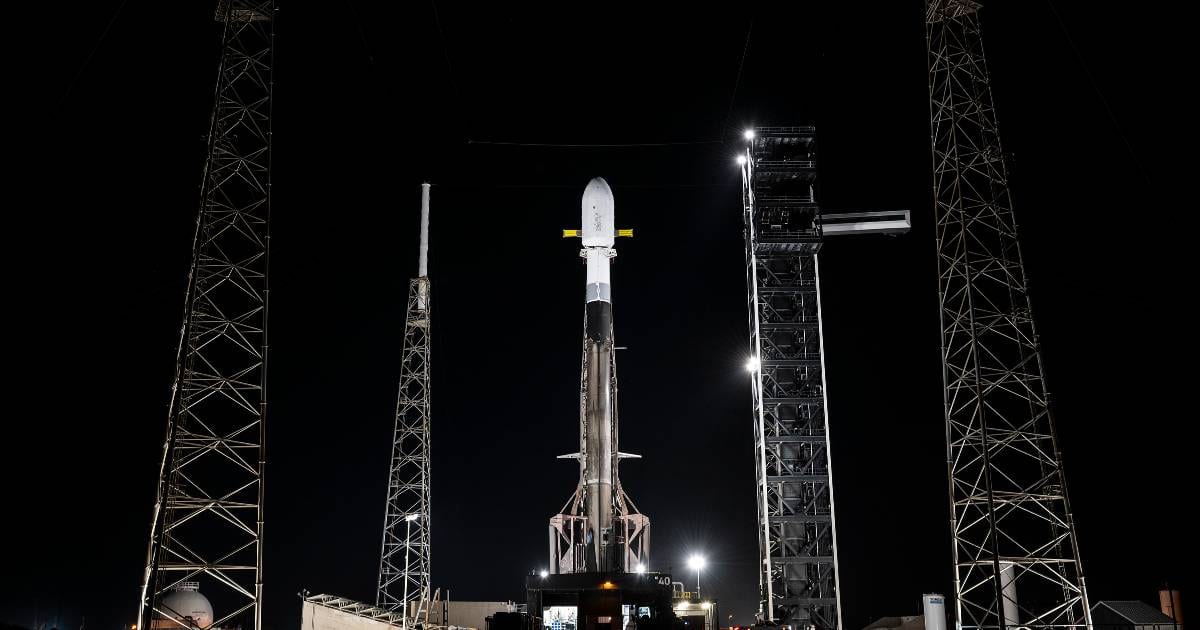
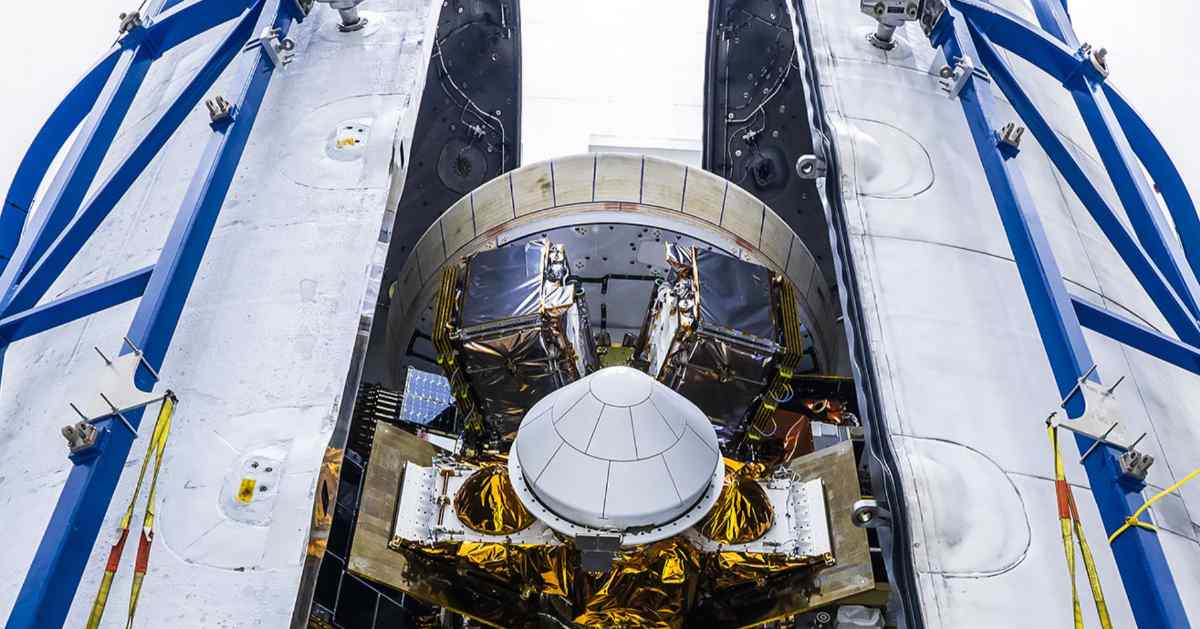
An H3 rocket blasted off from Japan on Tuesday local time carrying what will be the pioneering Martian Moons eXploration (MMX) mission. If successful, the mission will see samples from the Martian moon Phobos brought back to Earth for the first time. Liftoff took place at 3:41 pm EDT on Monday (4:41 am local time on Tuesday) from Pad 2 at the Yoshinobu Launch Complex of the Tanegashima Space Center. This was the tenth flight of the H3 launch vehicle. The Japan Aerospace Exploration Agency (JAXA) confirmed that the rocket successfully put MMX into its desired trajectory after separation between the two occurred 71 minutes and 13 seconds into the mission. MMX will now traverse through the solar system before being maneuvered into the red planet's orbit in August 2027.
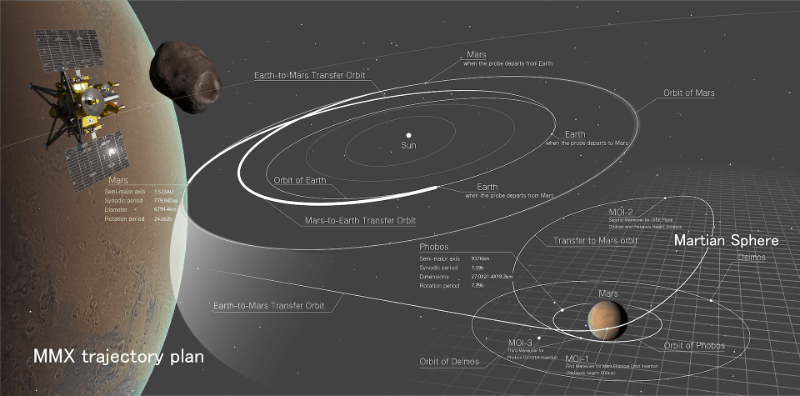
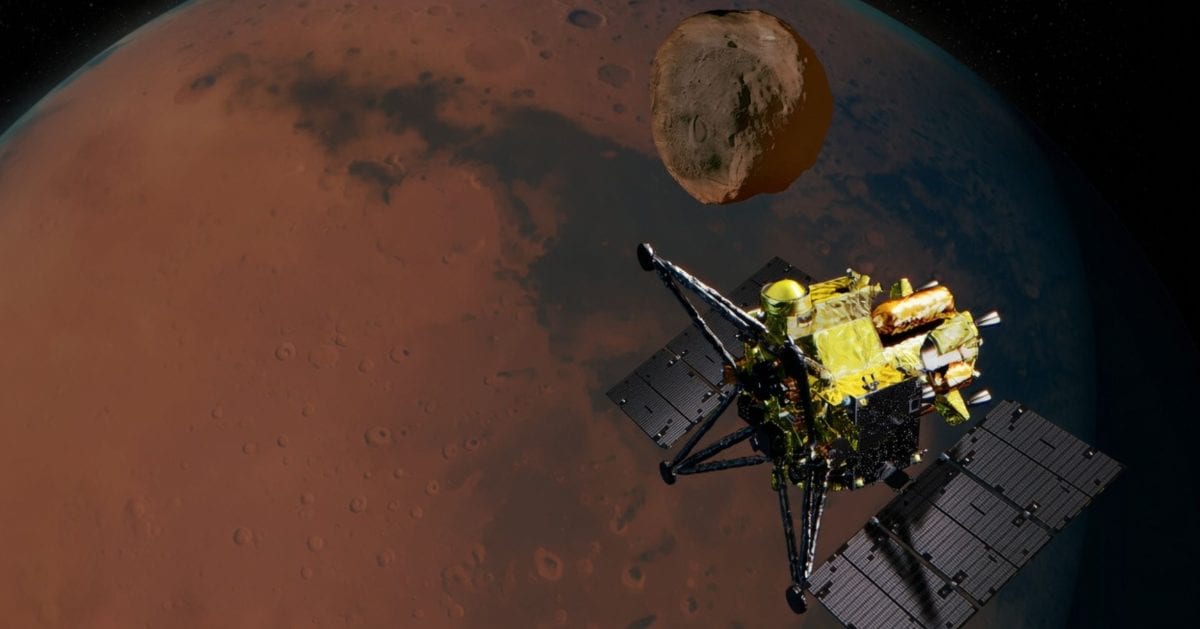
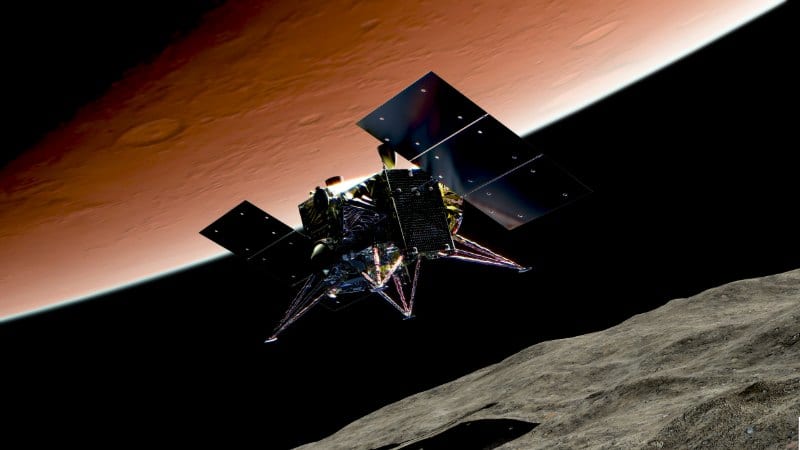
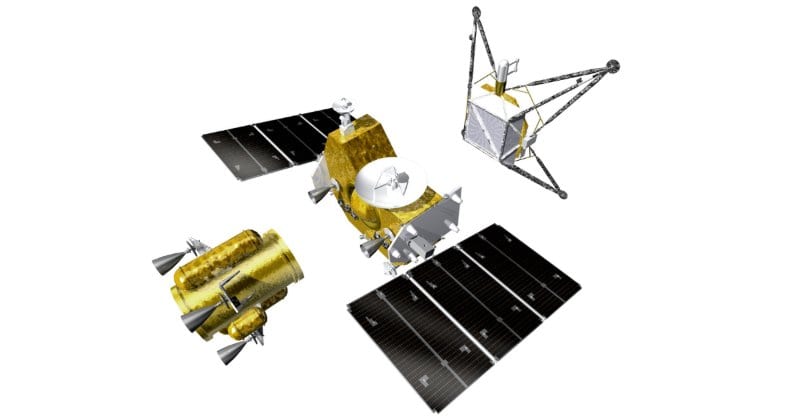
Once MMX enters Martian orbit, it will approach Phobos and enter a quasi-satellite orbit around the larger of the two irregularly shaped moons of Mars. This will allow MMX to study the entirety of Phobos’ surface from close proximity and look at dozens of candidates for its landing site. The terrain features and chemical compositions of these sites will be analyzed from a height of just over 40 miles so as to choose the ideal landing site. Once this happens, MMX will descend to the surface and, on the way down, release a rover that will touch down on Phobos before the main spacecraft. The rover, called Idefix, will explore the surface in further detail before MMX touches down and collects 10 grams of samples from Phobos.
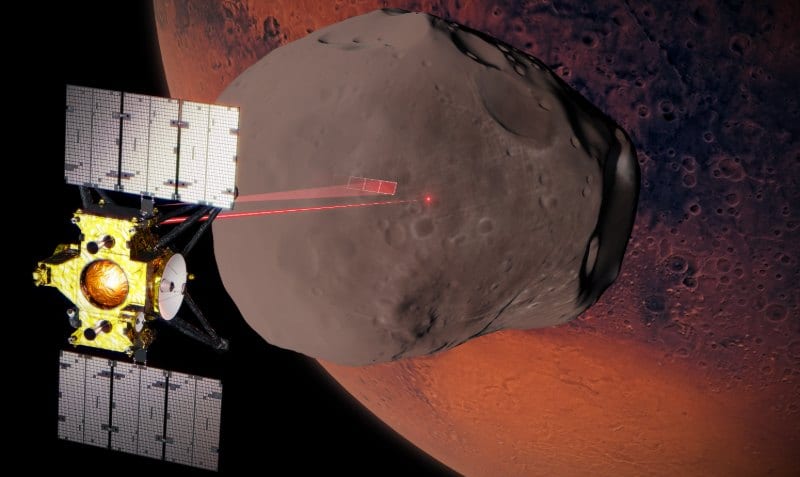
Even after the spacecraft launches from the surface of the 17-mile-wide moon of Mars, MMX will continue to observe Phobos. At this point, mission controllers will determine whether to tilt the orbital plane of MMX around Phobos so as to make more detailed observations of the moon’s polar regions. After MMX makes scientific observations of Mars and Phobos, the mission's focus will then shift to Deimos. The farther of the two moons (from Mars) measures 9 miles wide. The duration of the mission, beginning from insertion into the orbit of Mars to departing the red planet's sphere, will span 3 years. MMX will then fire its main engines to set it on course toward Earth. Once it arrives a year later, a small capsule equipped with a heat shield and carrying the samples from Phobos will separate and enter the Earth's atmosphere. It will then be recovered from its landing site in Australia by 2031.
The mission is a collaboration of several national space agencies and aerospace companies. While the launch vehicle and the MMX spacecraft itself are developed by JAXA, Idefix is the shared contribution of the German and French space agencies (DLR and CNES). NASA provided a key piece of hardware—a scientific instrument called the MEGANE gamma-ray and neutron spectrometer. Jeff Bezos-owned Blue Origin supplied the spacecraft’s pneumatic sampler mechanism through its subsidiary, Honeybee Robotics. The European Space Agency will also be contributing by providing the communication channels required for the mission, as well as processing the science data received from MMX.
The goal of the mission is primarily characterizing Phobos, which is thought to have preserved much of its original features since it formed. One of the great mysteries samples from Phobos will help scientists solve is the story of how it actually ended up becoming a moon of Mars, and when it did so. This, in turn, should provide scientists further context about how our solar system may have evolved. According to JAXA, the ideal destination for this research would have been the red planet itself, but Mars' gravity poses quite a challenge for landing and bringing samples back. This is evident from the now-canceled Mars Sample Return mission, which was supposed to return samples collected by the Perseverance rover on Mars.
More on Starlust
'Only one chance': ESA's Rosalind Franklin rover twin navigates Mars-like conditions on Earth
Inside Sunbird: Pulsar Fusion's nuclear spacecraft that can cut travel time to Mars in half