Inside Sunbird: Pulsar Fusion's nuclear spacecraft that can cut travel time to Mars in half
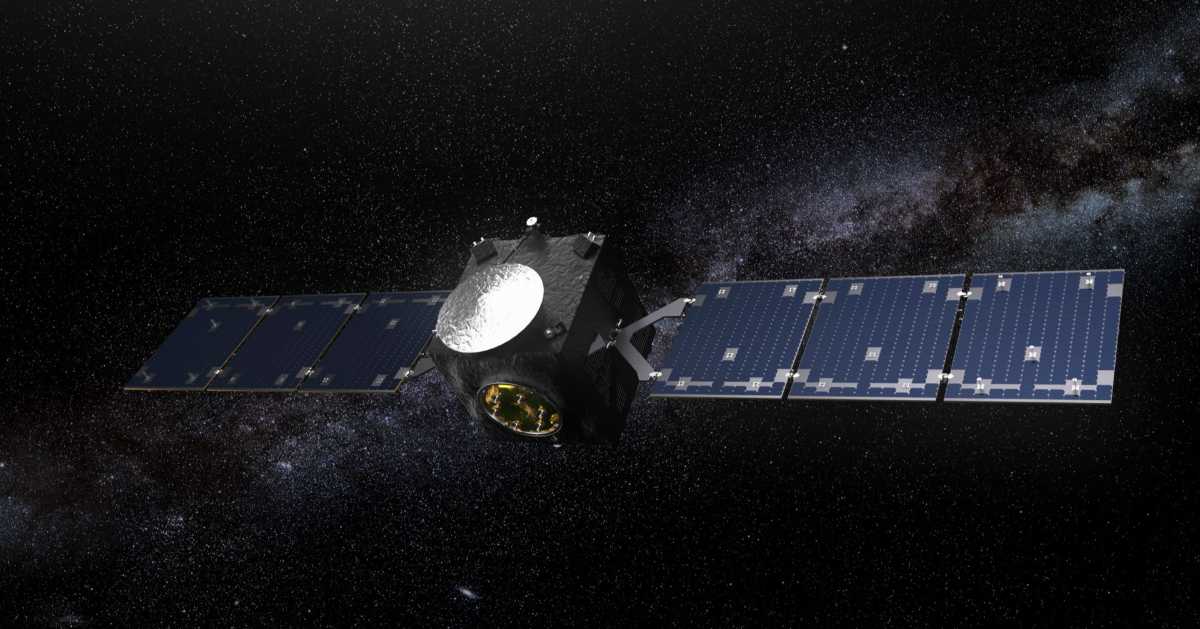
Can nuclear fusion—the same process that powers the Sun—help us get to Mars sooner? This is what a U.K.-based startup, Pulsar Fusion, is currently working on. The company is developing an innovative spacecraft called "Sunbird", designed to travel at speeds of 329,000 mph (500,000 kph), making it humanity’s fastest self-propelled object ever made. Such extraordinary speeds are expected to dramatically reduce travel time on deep-space journeys—for instance, theoretically, the spacecraft could cut mission times to Mars in half, from seven to eight months to around four.
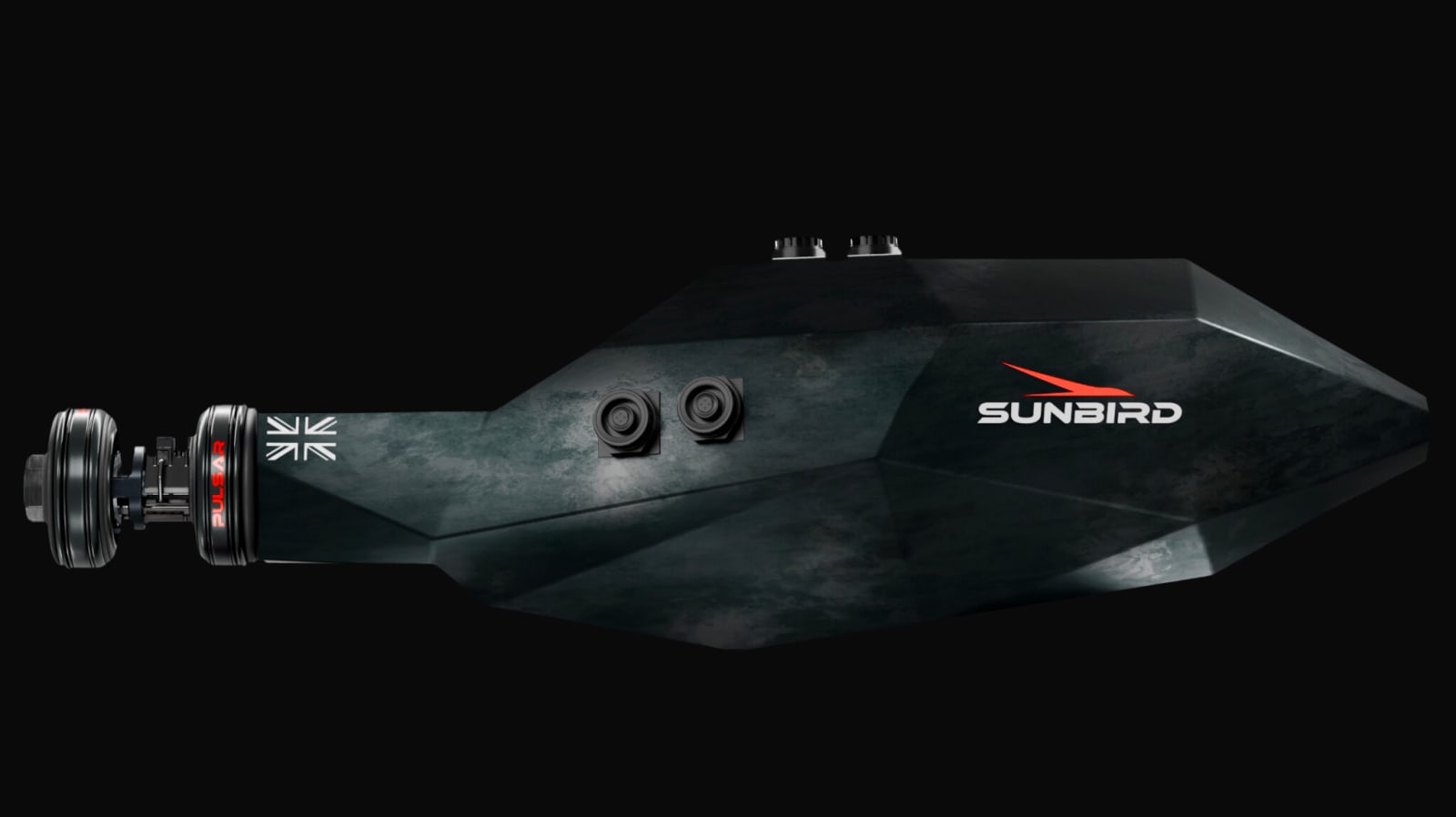
Pulsar first unveiled the concept design for Sunbird last year. The spacecraft's first in-orbit demonstration is planned for 2027, when they hope to achieve fusion in space.
The concept behind Sunbird
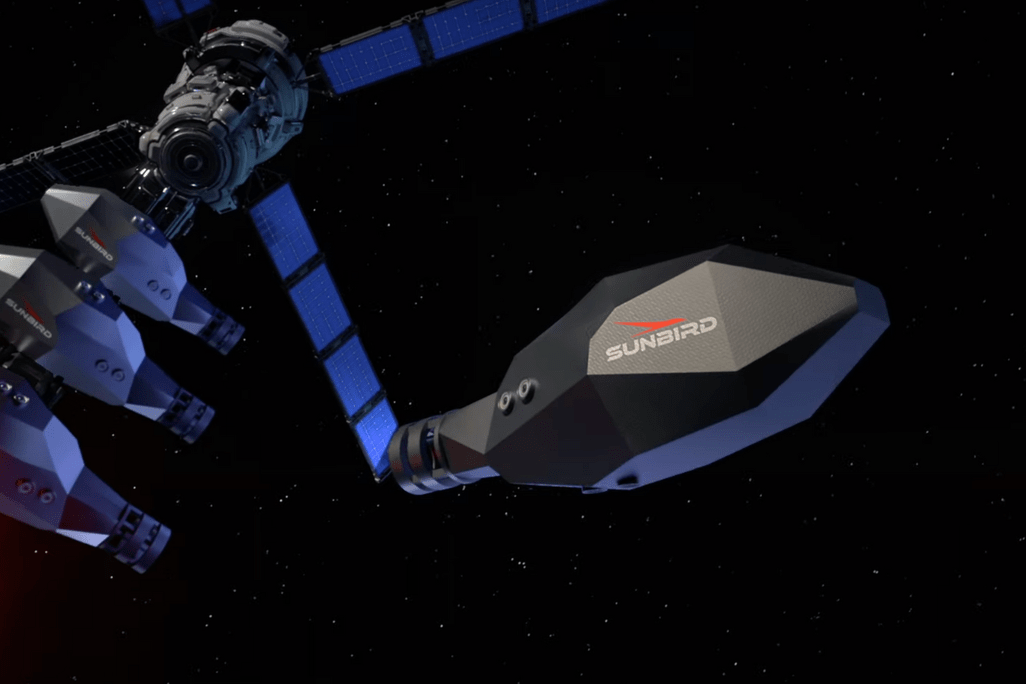
Having a staggeringly large specific impulse (10,000–15,000 s) and 2 MW of power, as reported on Pulsar Fusion's official website, Sunbird represents a giant leap in space propulsion technology. After launch, Sunbirds will be positioned in low-Earth orbit, where they will dock with spacecraft leaving our atmosphere and propel them at breakneck speeds toward their destinations. At the destination, the nuclear spacecraft would then recharge and refuel at another Sunbird station.
Sunbird is based on Pulsar Fusion’s Dual Direct Fusion Drive (DDFD) concept, which varies from the concept being used for energy production on Earth. While many projects here perform fusion of deuterium and tritium, Sunbird will use helium-3 in place of tritium to create protons and expel them as a propellant for thrust. “It’s very unnatural to do fusion on Earth,” says Richard Dinan, founder and CEO of Pulsar. “Fusion doesn’t want to work in an atmosphere. Space is a far more logical, sensible place to do fusion, because that’s where it wants to happen anyway.”
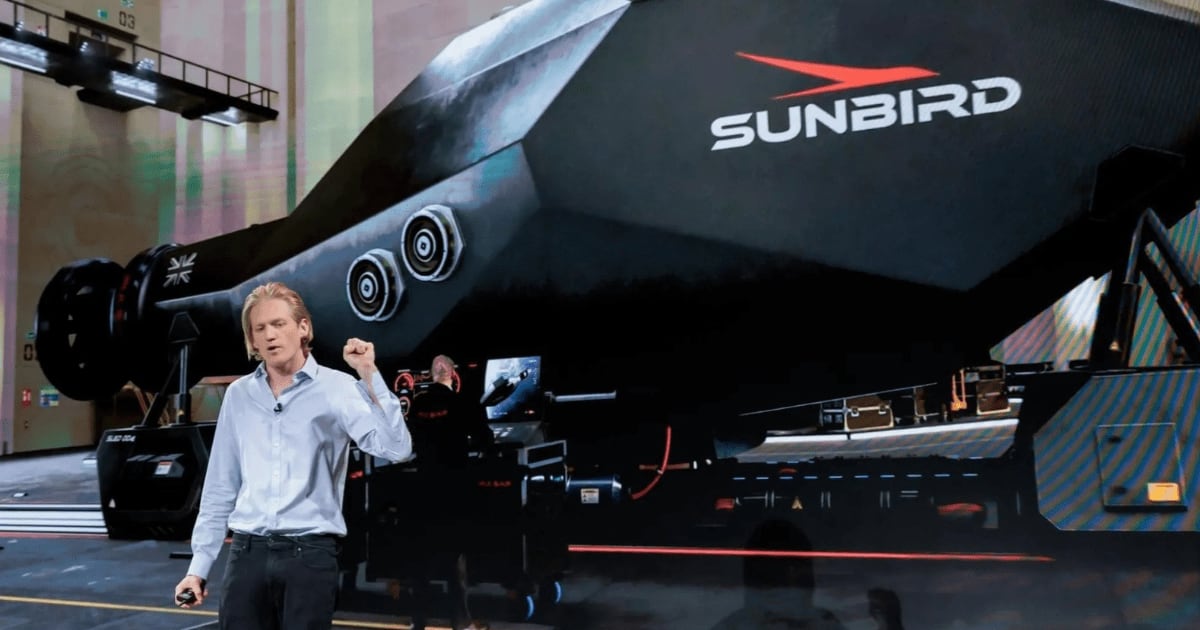
Sunbird achieved an important milestone this year in March, when it was able to demonstrate “first plasma", or plasma confinement, in its exhaust test system during a technical session at Amazon’s prestigious MARS Conference, hosted by Jeff Bezos, in Ojai, California. The live demonstration, presented by Dinan, used krypton as the propellant and applied a combination of electric and magnetic fields to direct and accelerate charged particles through the exhaust channel. However, according to Dinan, the generation of "first plasma" is only the initial phase of Sunbird's journey, and there is still a long way to go before they accomplish a sustained fusion reaction.
Going forward, Pulsar plans on using rotating magnetic field heating, RF heating systems, and a dedicated thrust balance in future experiments to collect more detailed data on performance. The company also plans to upgrade the magnetic system to rare-Earth and high-temperature superconducting magnets. This will create stronger magnetic fields and enable the exploration of higher plasma density and pressure conditions. All that said, Pulsar is not the only group working on fusion-powered spacecraft technology. Princeton University and U.S.-based Helicity Space are also designing their own fusion propulsion concepts for application in deep-space travel.
More on Starlust
Humans can make a round trip to Mars within 153 days, new study reveals
Humans can reach Alpha Centauri within lifetime by boarding a light-powered spacecraft