Huge solar storm launched last week is predicted to reach the location of Comet 3I/ATLAS on September 24-25
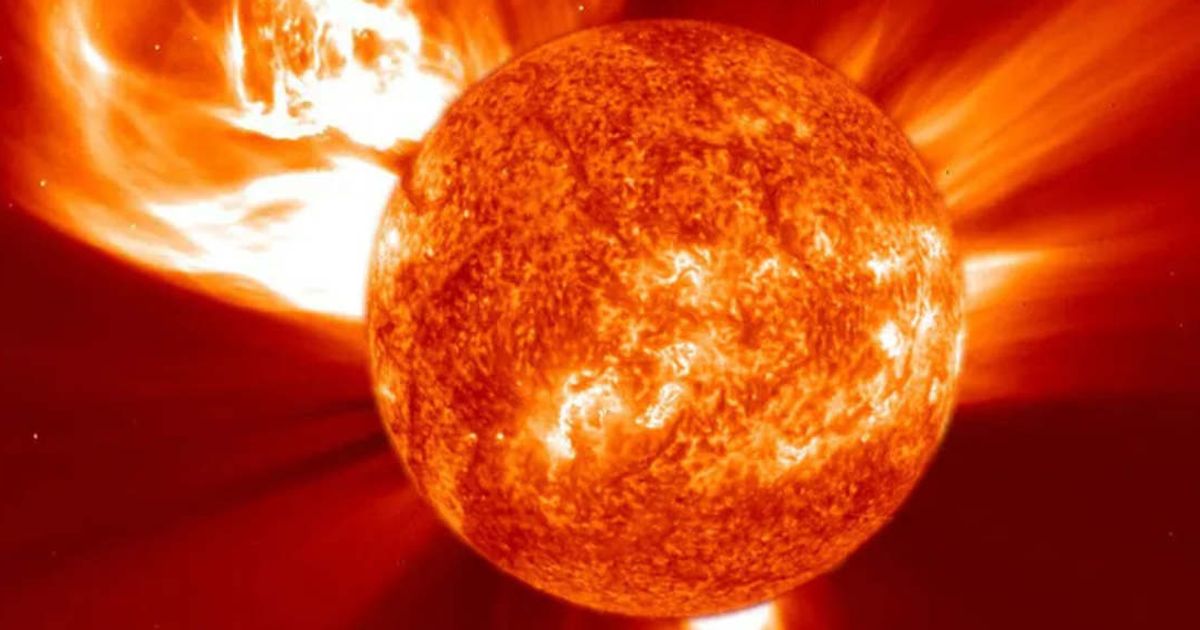
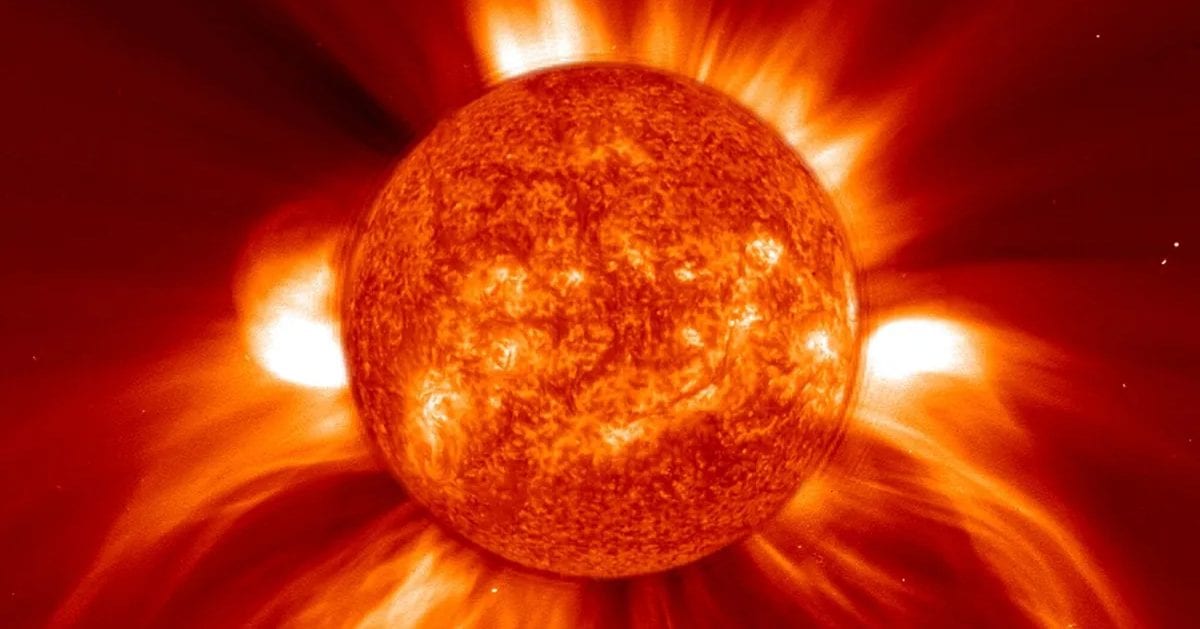
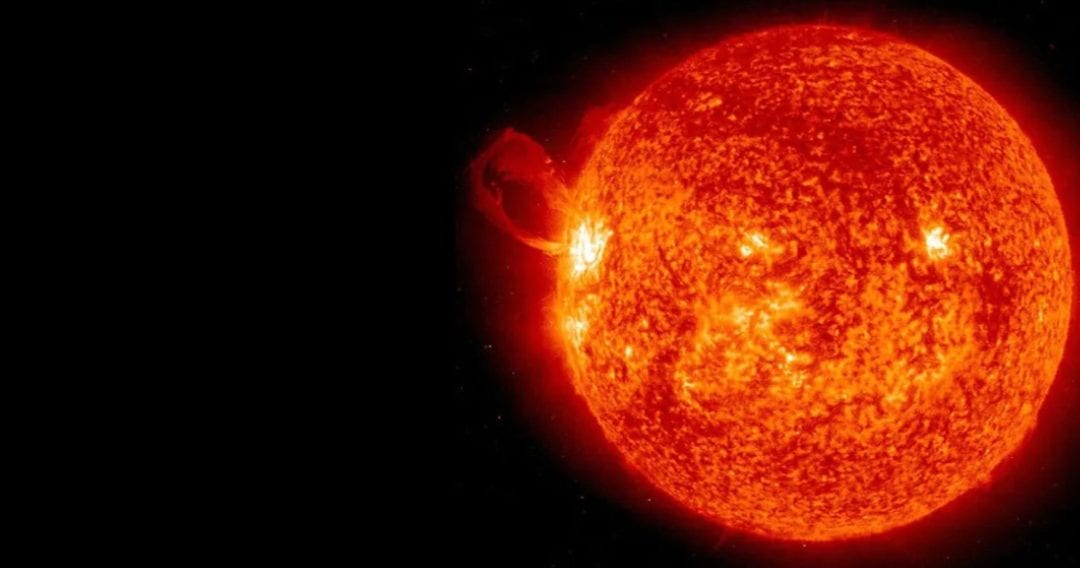
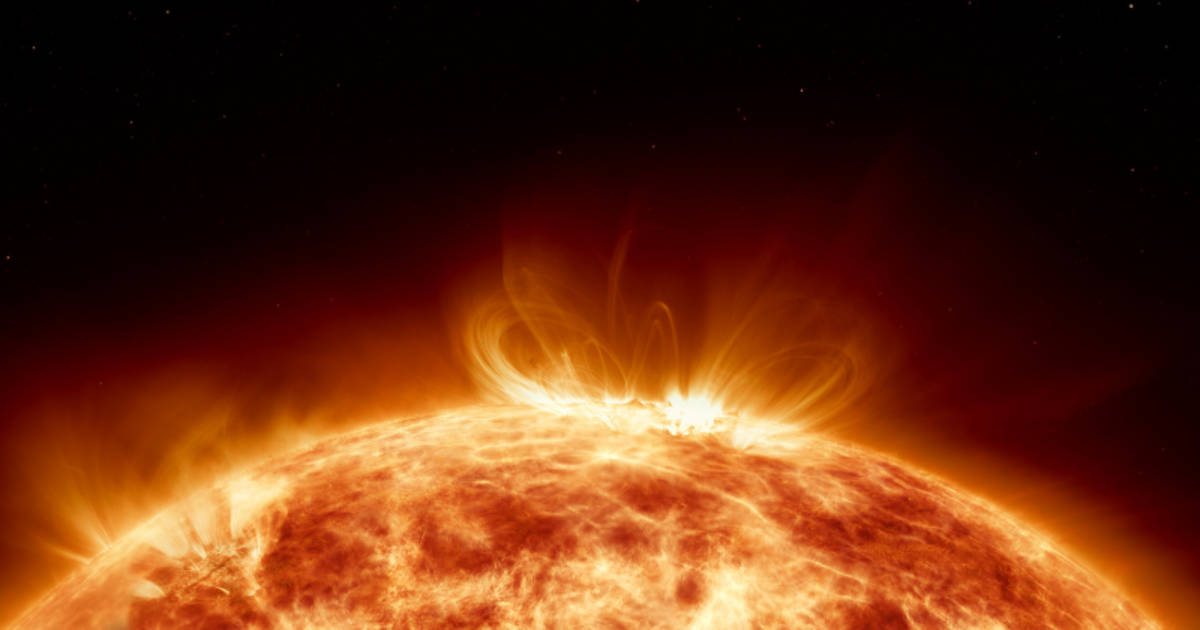
A massive solar storm, or coronal mass ejection (CME), that erupted from the sun on September 19, is on a direct collision course with comet 3I/ATLAS, claims astronomer Tony Phillips in a report on Space Weather. According to him and physicist T. Marshall Eubanks of Space Initiatives Inc., the CME is projected to reach the comet's position around September 24-25, 2025.
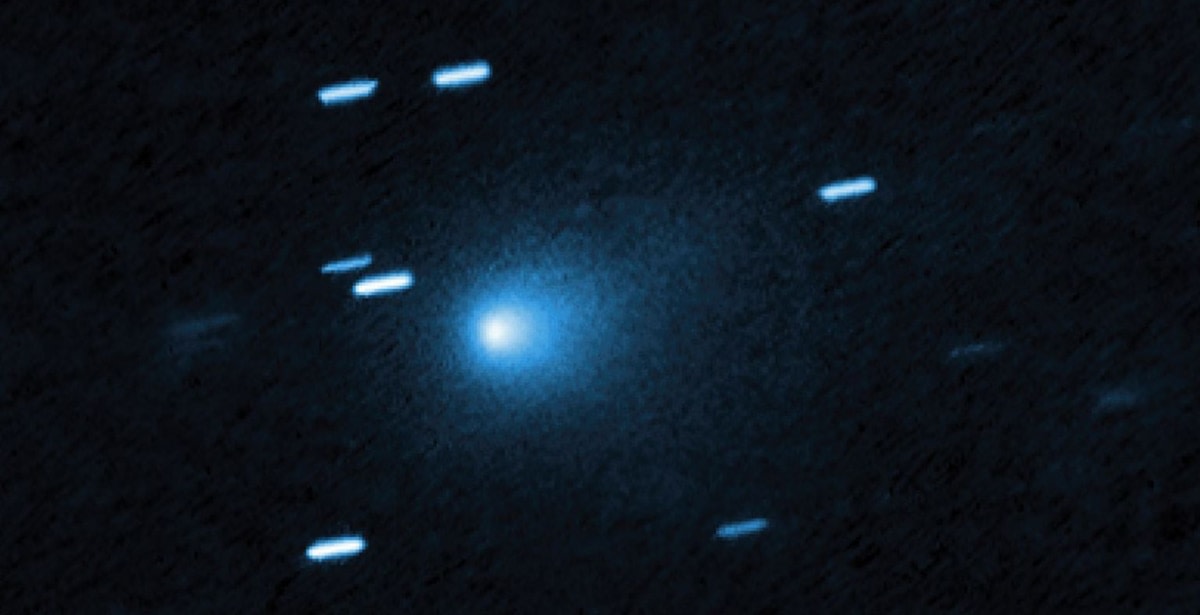
This event is highly unusual, as it's a rare instance of a CME from our solar system striking a comet from interstellar space. While Mars is also predicted to experience a minor impact, all eyes will be on Comet 3I/ATLAS. Astronomers are advised to watch for potential changes to the comet's tail, which could be bent, disrupted, or even severed by the force of the solar wind.
Official data from the Jet Propulsion Laboratory (JPL) confirms that the object is on a hyperbolic trajectory, meaning it is not gravitationally bound to the sun and will pass through our solar system only once before exiting forever. Designated C/2025 N1 (ATLAS), its trajectory was calculated using 104 days of observational data. Key orbital parameters reveal its interstellar origin, with an eccentricity of 6.1396. The comet is on a retrograde path, orbiting the sun in the opposite direction of the planets at an inclination of 175.11 degrees to the ecliptic.
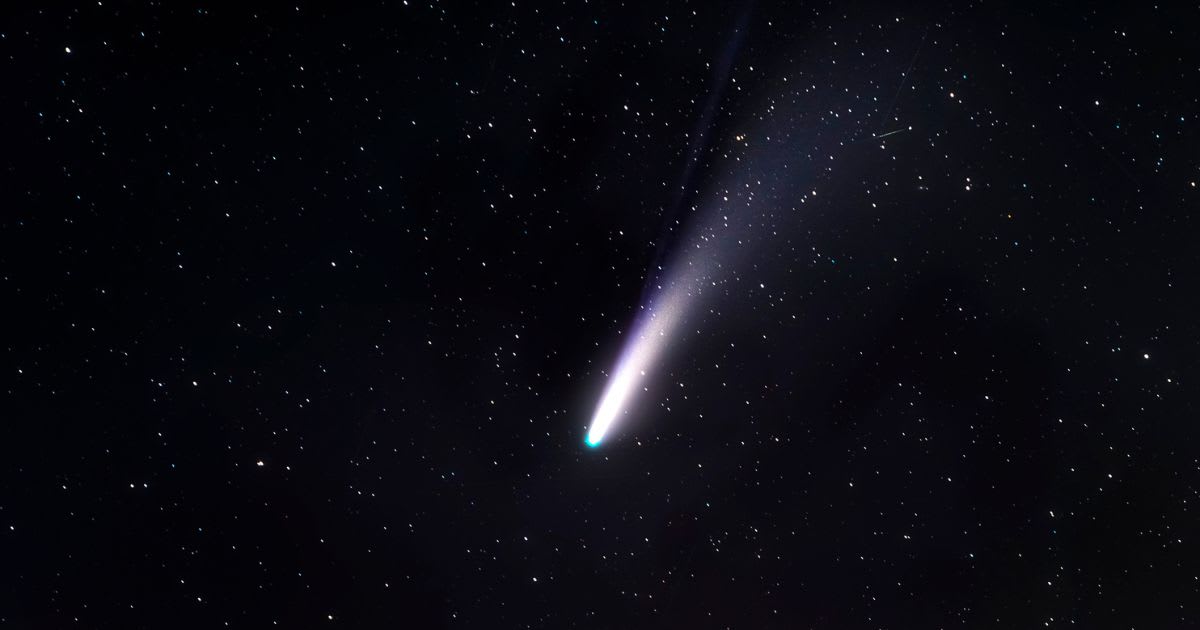
The comet's closest approach to the sun, known as perihelion, is projected for October 30, 2025, at a distance of 1.352 astronomical units (AU), approximately 1.36 times the average Earth-sun distance. With a magnitude of 12.5, C/2025 N1 (3l/ATLAS) is too faint and will require a powerful telescope for observation.
This rare celestial visitor, the third confirmed interstellar object to be observed in our solar system, has already been the subject of intense scrutiny from multiple observatories. In a recent paper published on the arXiv pre-print server, Martin Cordiner of NASA's Goddard Space Flight Center detailed findings from the James Webb Space Telescope's (JWST) examination of the comet's coma, the temporary atmosphere of gas and dust surrounding its nucleus. The JWST's NIRSpec infrared camera detected typical cometary compounds like water, carbon monoxide, and carbonyl sulfide.
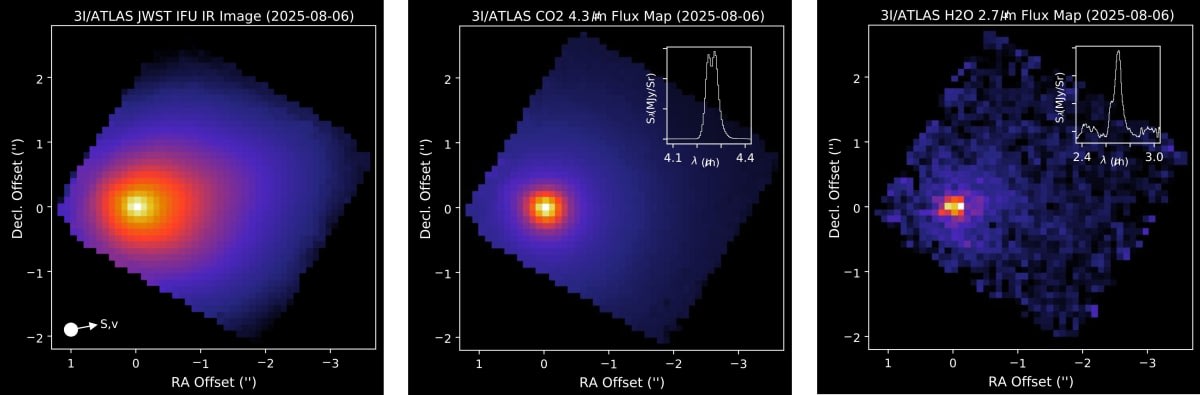
However, the analysis revealed an astonishingly high ratio of carbon dioxide to water, 8 to 1, which is the highest ever recorded in a comet and six standard deviations above the typical value. The carbon monoxide to water ratio, on the other hand, remained consistent with prior observations at 1:4. These remarkable findings offer an unprecedented look into the composition of a comet from another star system.
For astronomers, the arrival of an interstellar object like C/2025 N1 (ATLAS) represents a unique and invaluable opportunity to study a pristine sample of material from a distant planetary system. Since its initial detection in early July, scientists worldwide have been working tirelessly, dedicating countless hours to research and publishing papers to share new insights about this visitor.
More on Starlust
NASA’s TESS detected interstellar comet 3I/ATLAS weeks before official discovery—and caught it in action
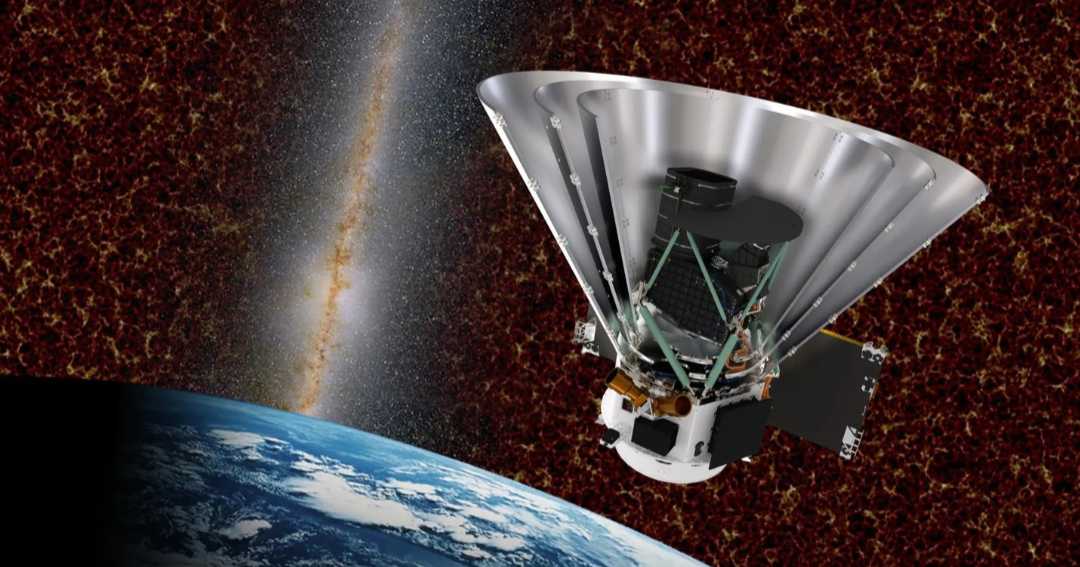
NASA’s new SPHEREx mission makes historic observation of interstellar comet 3I/ATLAS
Rubin Observatory unintentionally captured pre-discovery images of interstellar comet 3I/ATLAS