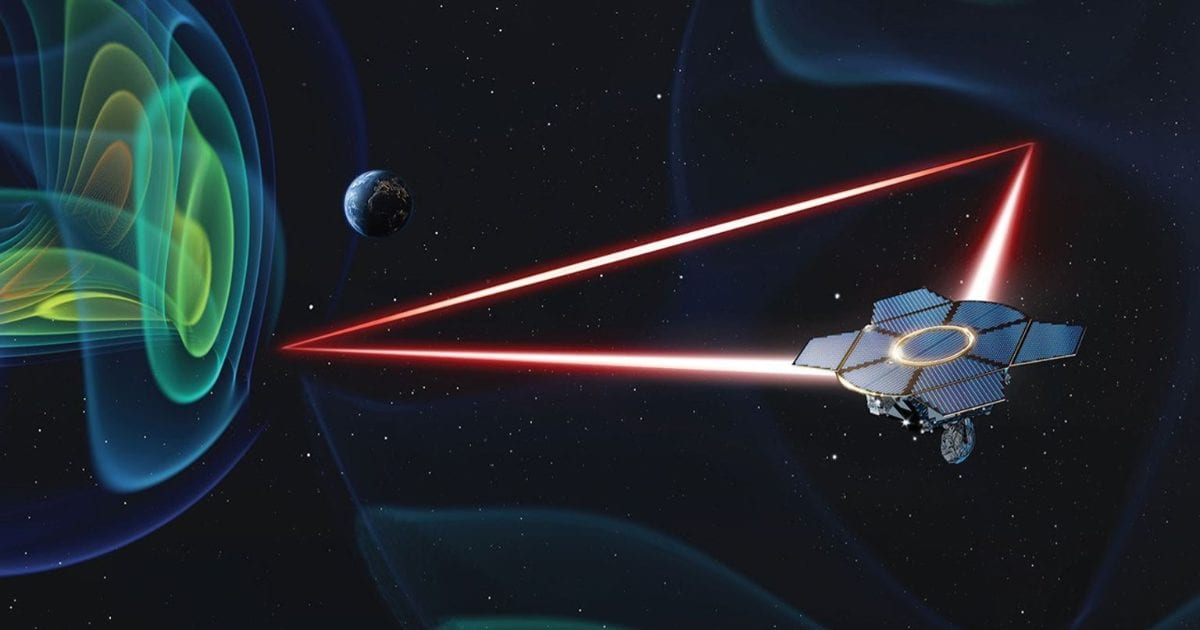
NASA’s TESS detected interstellar comet 3I/ATLAS weeks before official discovery—and caught it in action
The discovery of an interstellar object in our solar system was announced with a warning of possible collision with Earth. Astronomers began to study more about its characteristics, and this search led to a surprising find. A study published in the arXiv preprint indicates that the comet 3I/ATLAS was first observed by NASA’s TESS. The third interstellar object to enter our solar system was initially detected by NASA’s ATLAS survey telescope on July 1, 2025. Since then, several satellites and observatories have tried to catch a glimpse of the interstellar visitor, per Universe Today.
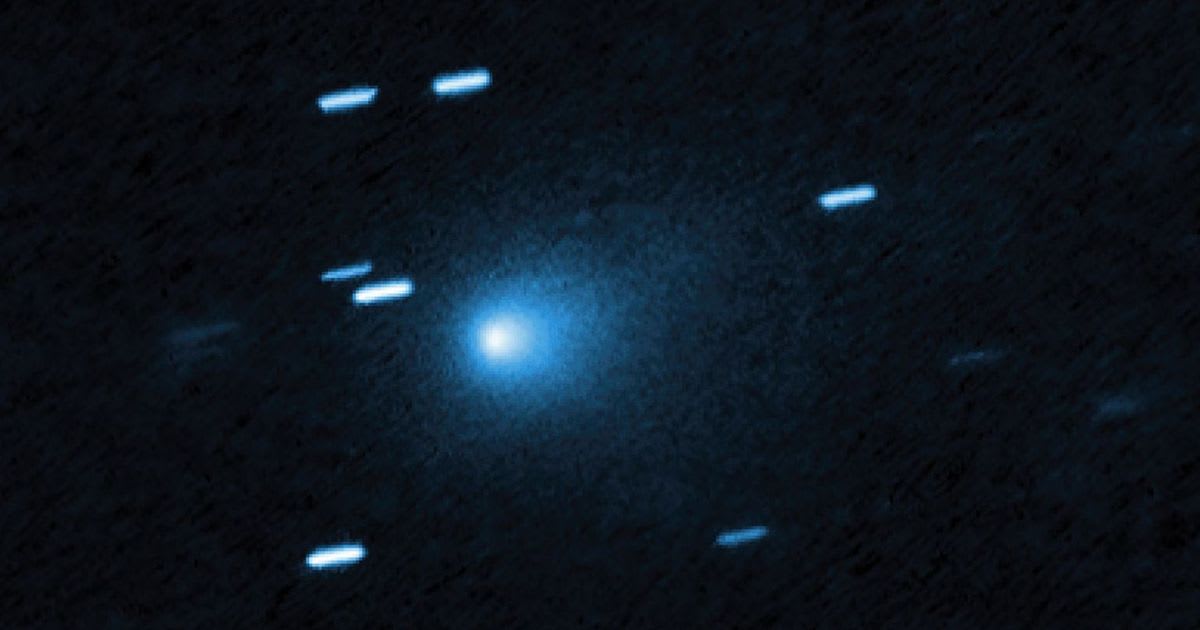
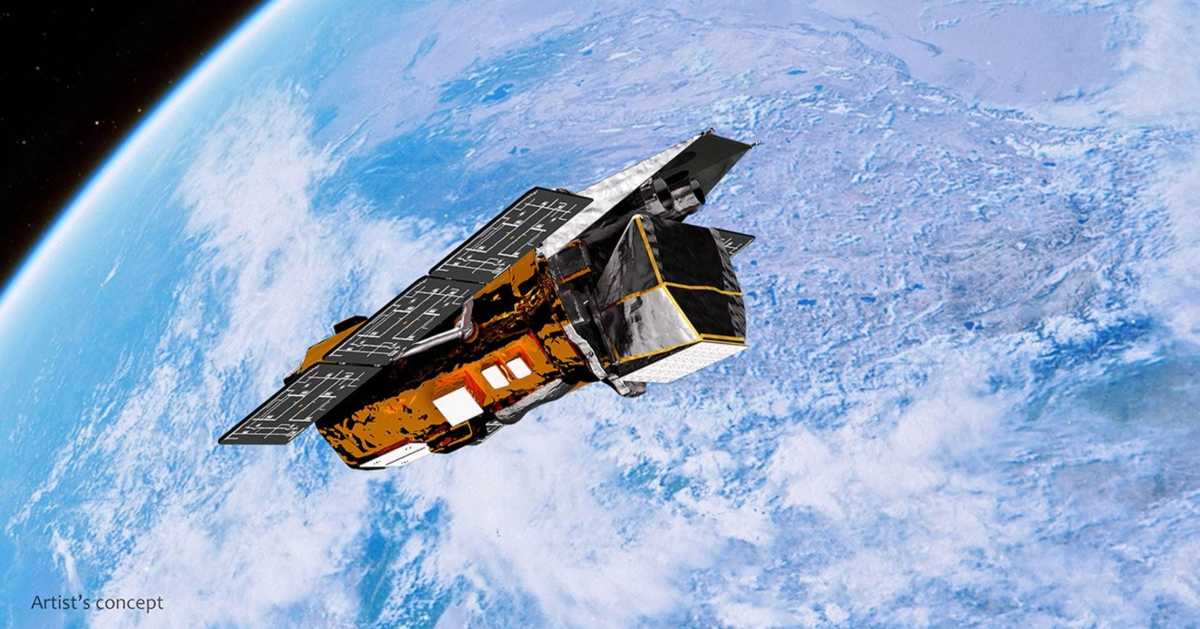
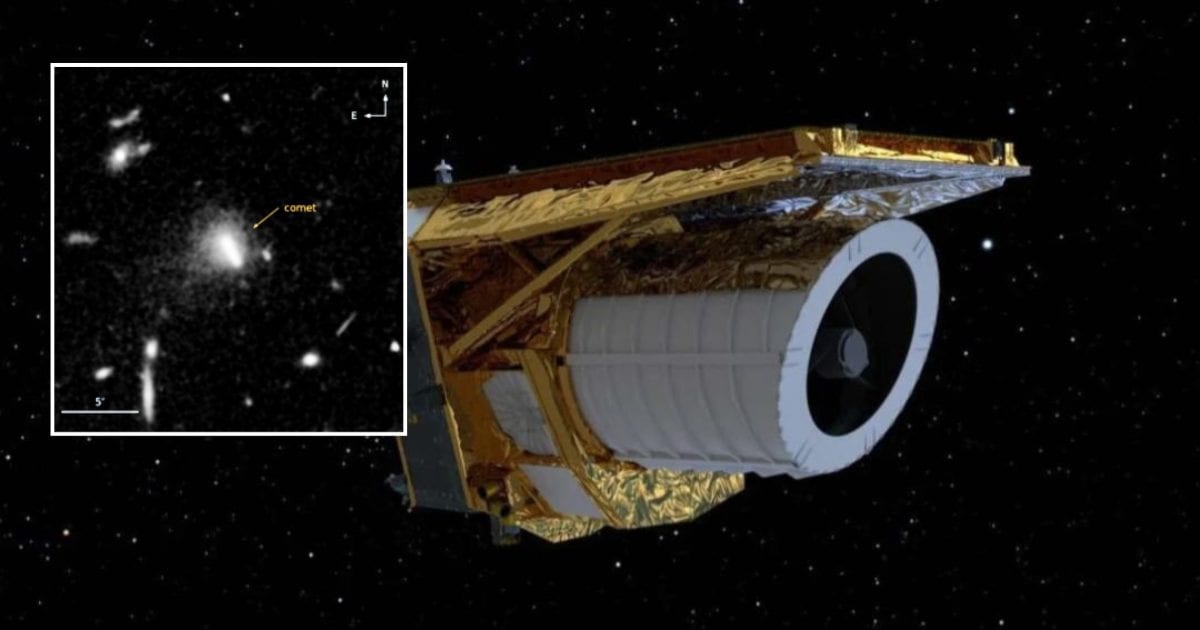
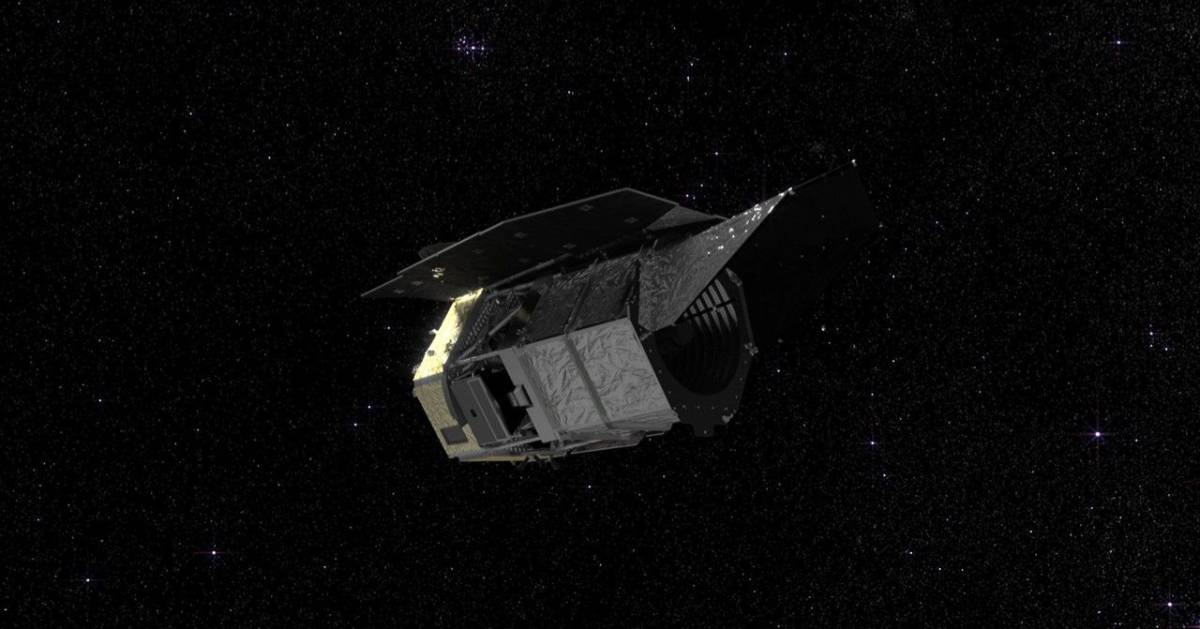
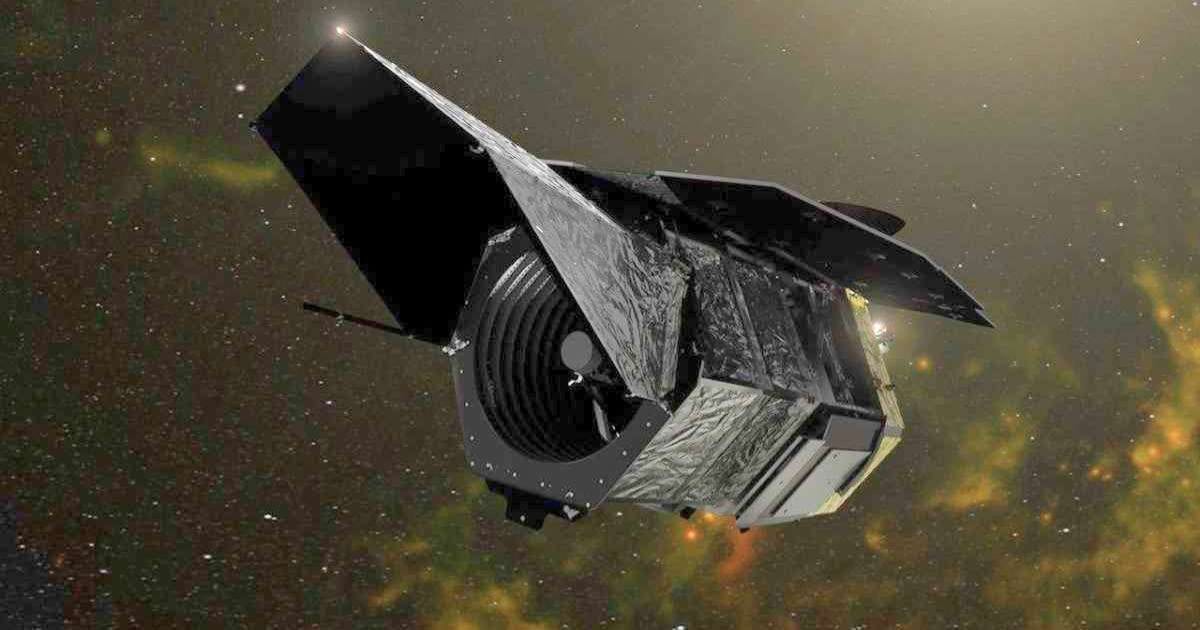
This included the Vera C. Rubin Observatory, which snapped images before ATLAS on June 21, 2025. These visuals were made public on July 17, 2025, through another preprint study. The Transiting Exoplanet Survey Satellite (TESS) archives, however, surprised experts with an observation as early as May. The comet was continuously observed from May 7, 2025, to June 2, 2025, as it was facing the same part of the sky. This was a surprise also because the satellite was not designed to observe interstellar visitors, but to look at bright stars and watch exoplanets.
The part of the sky focused by the satellite got researchers Adina Feinstein and Darryl Seligman from Michigan State, and John Noonan from Auburn, thinking. Since the comet was situated in that location earlier, they searched through the telescope archives. According to Universe Today, the comet looked fairly active across two different observational periods of the satellite. TESS is capable of clicking an image every 200 seconds, but 3I/ATLAS moves much more quickly than the satellite’s typical targets. The researchers had to use a technique known as “shift-stacking.”
☄️🚨 Just in: NASA’s TESS spotted interstellar comet #3IATLAS nearly 2 months BEFORE its official discovery!
— OrbitalToday.com (@SpaceBiz1) August 28, 2025
Archival data from 7 May shows it already active, giving astronomers a rare early look at a true solar system outsider.
👉Full story: https://t.co/u6PK7XdxLW pic.twitter.com/7GgnevSsU0
They predicted the location of the interstellar object in each picture and shifted the comet’s spot in each picture. These images were then stacked together to get a clear signal of the object that was too faint in a single picture. At the beginning of the observational period, the comet was at around 6.35 AU, and by the end of the second window, it had moved to around 5.47 AU. The decrease in distance should have only influenced an increased brightness, but its flow increased by a factor of 5. The community speculated about the cause of these interesting features.
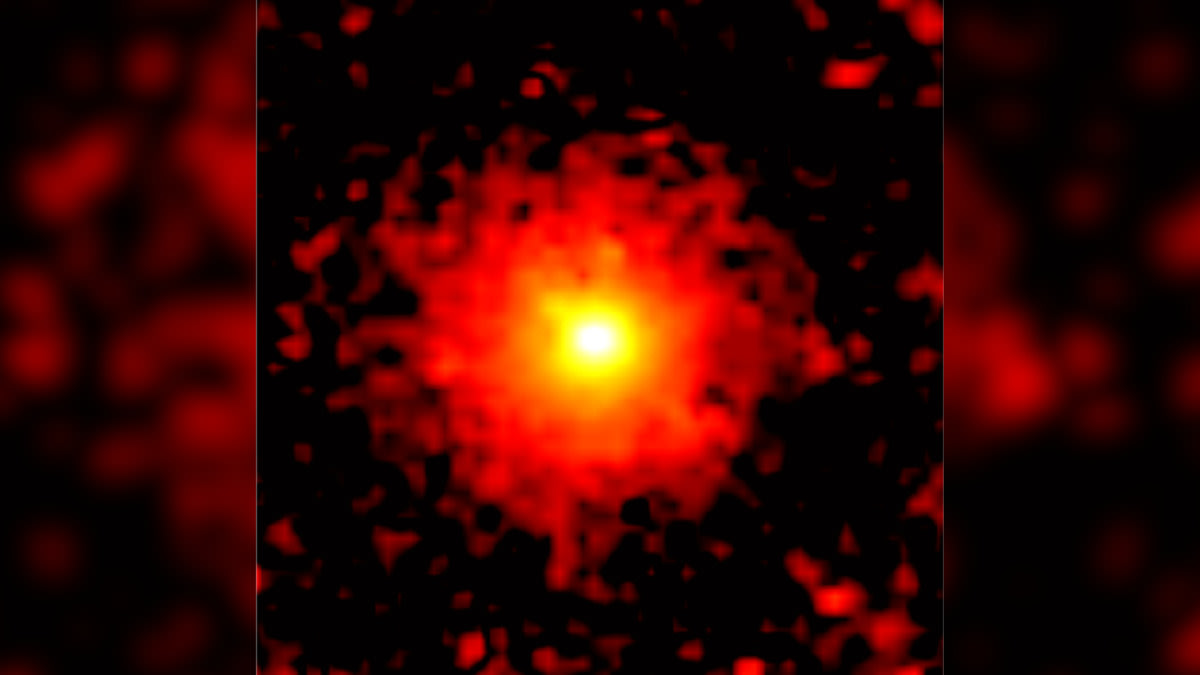
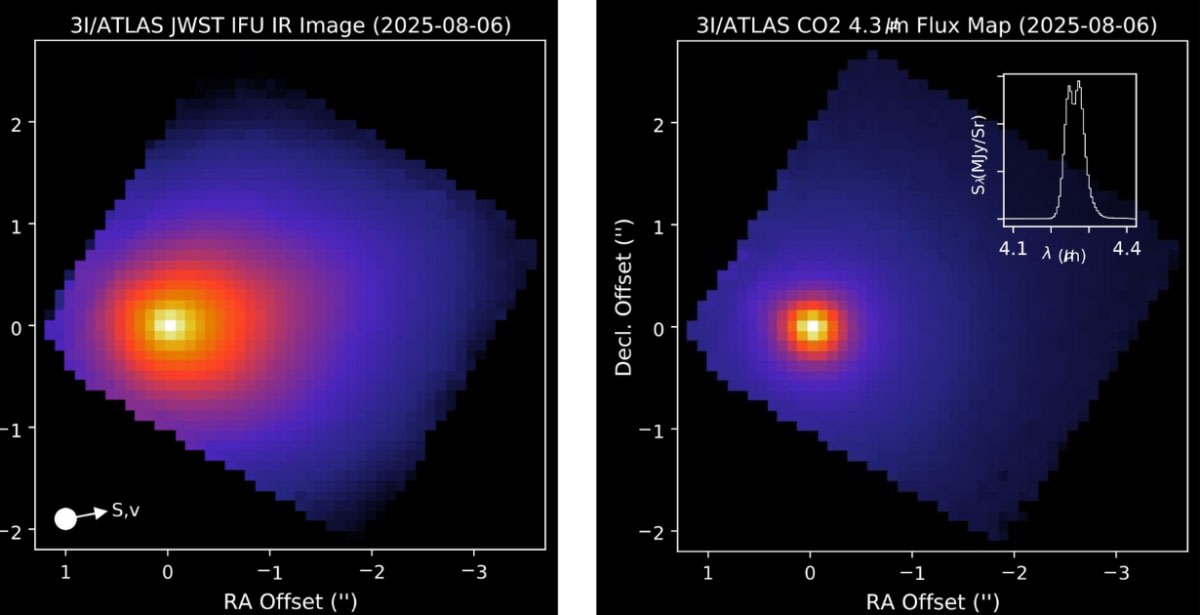
The TESS study authors suggested that the comet is probably expelling “hypervolatile” materials like carbon dioxide and carbon monoxide. They have much higher sublimation points than water ice, causing an increase in brightness. The comets in our solar system had no hypervolatiles left and did not show a dramatic difference. This factor of the 3I/ATLAS can be compared to homegrown interstellar objects, indicating a different composition. The team also tried to look at the rotational period of the comet’s nucleus to point to another difference, but failed to do so.
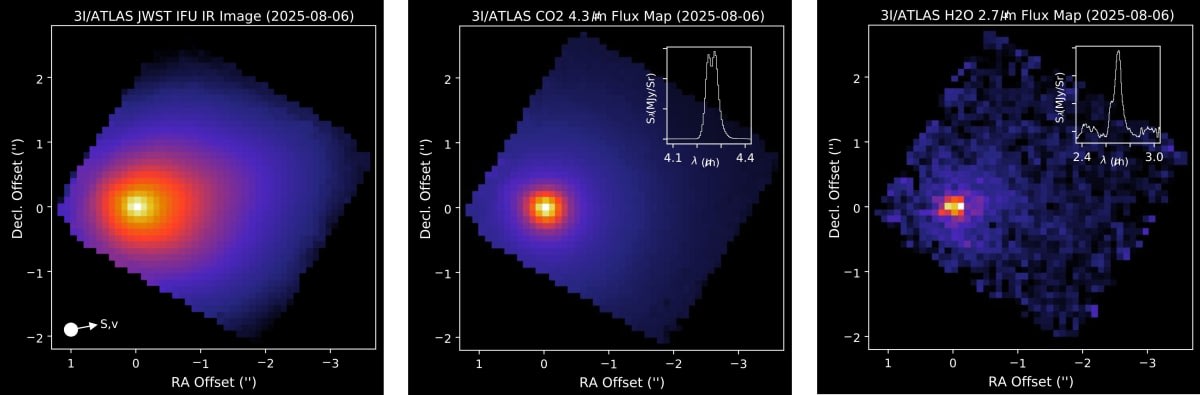
There was no clear signal from the object to ascertain if the nucleus was stationary or actually moving. This could have been caused by a coma blocking any visible features, making it difficult for TESS to detect changes in brightness from rotation. Alongside Vera C. and TESS, NASA’s Hubble, James Webb, and SPHEREx also contributed to the observations of the object. Further studies will be done to add to its knowledge, which will also help us tackle the predicted collision. It will also help us unravel the details of an object that originated beyond our system.