How close is comet C/2025 A6 (Lemmon) to Earth today? Here are viewing tips and its likely coordinates
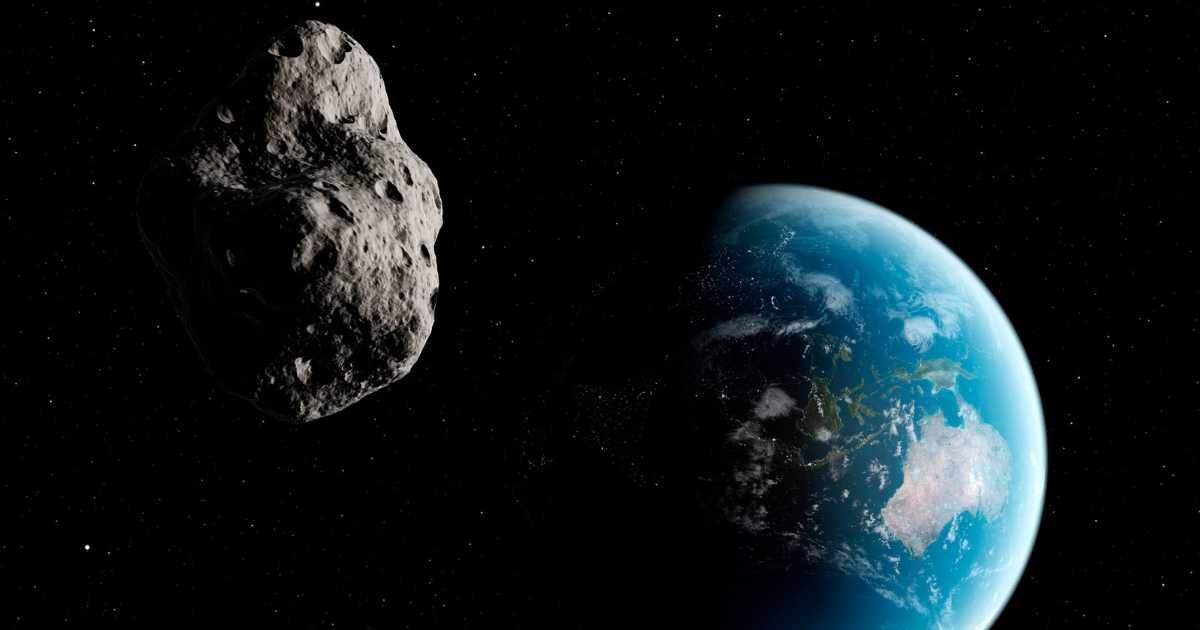
The celestial wanderer, Comet C/2025 A6 (Lemmon), has completed its nearest pass to Earth, offering a final window for observation, as per Sky Live. The comet achieved its closest proximity to our planet yesterday, Tuesday, October 21, 2025. At its nearest, the icy body was approximately 55.5 million miles (89.2 million kilometers or just under 0.6 Astronomical Units) from Earth.
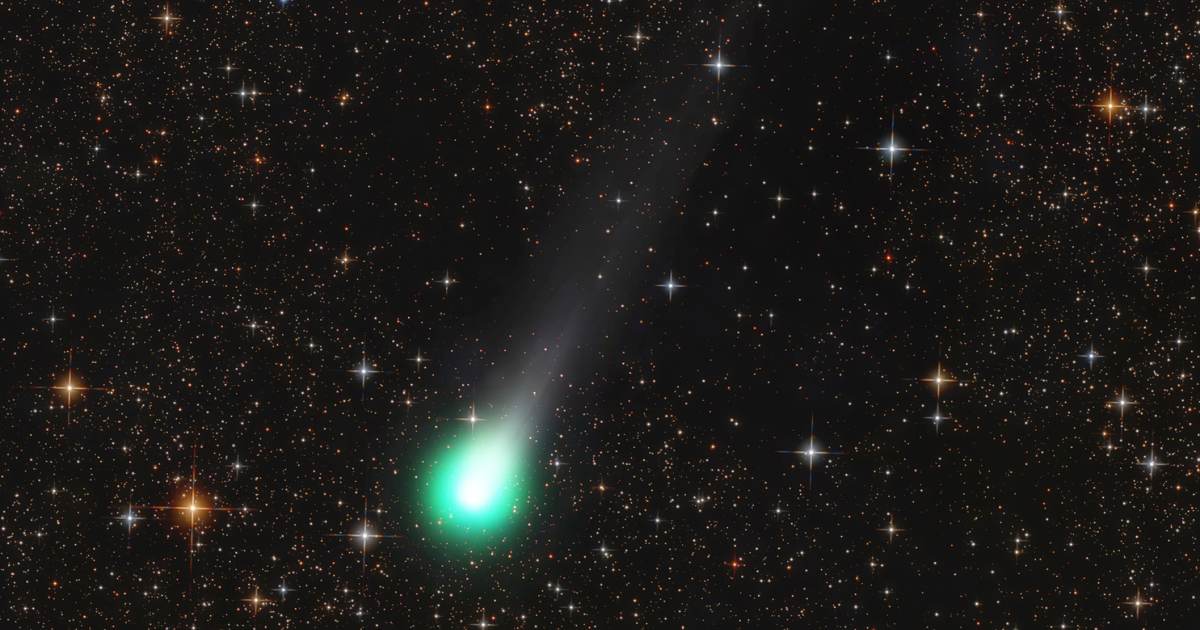
As of today, Wednesday, October 22, the comet has begun its outward trajectory. It is now positioned approximately 55.6 million miles (89.5 million kilometers) from Earth. Starlight from Lemmon takes about five minutes to reach observers on the ground. The comet is currently situated in the constellation of Boötes. Its current observed brightness, or magnitude, is estimated at 3.9, a measurement that suggests the visibility is at the limit of the naked eye under ideal conditions. Astronomers can locate the object using its apparent coordinates: Right Ascension of 14h 38m 07s and Declination of +27° 22' 30''. You should use binoculars to get the best view of the comet; a 7x50 or 10x50 model is recommended for clear observation.

For observers hoping to track the comet over the coming days, its position will continue to shift rapidly as it pulls away from Earth. On Thursday, October 23, the comet's coordinates will be 14h 50m 54s in Right Ascension and +25°13'10'' in Declination, with its magnitude predicted at 5.23. By Friday, October 24, the coordinates will shift to 15h 05m 29s R.A. and +22°31'46'' Dec., with a magnitude of 5.13.
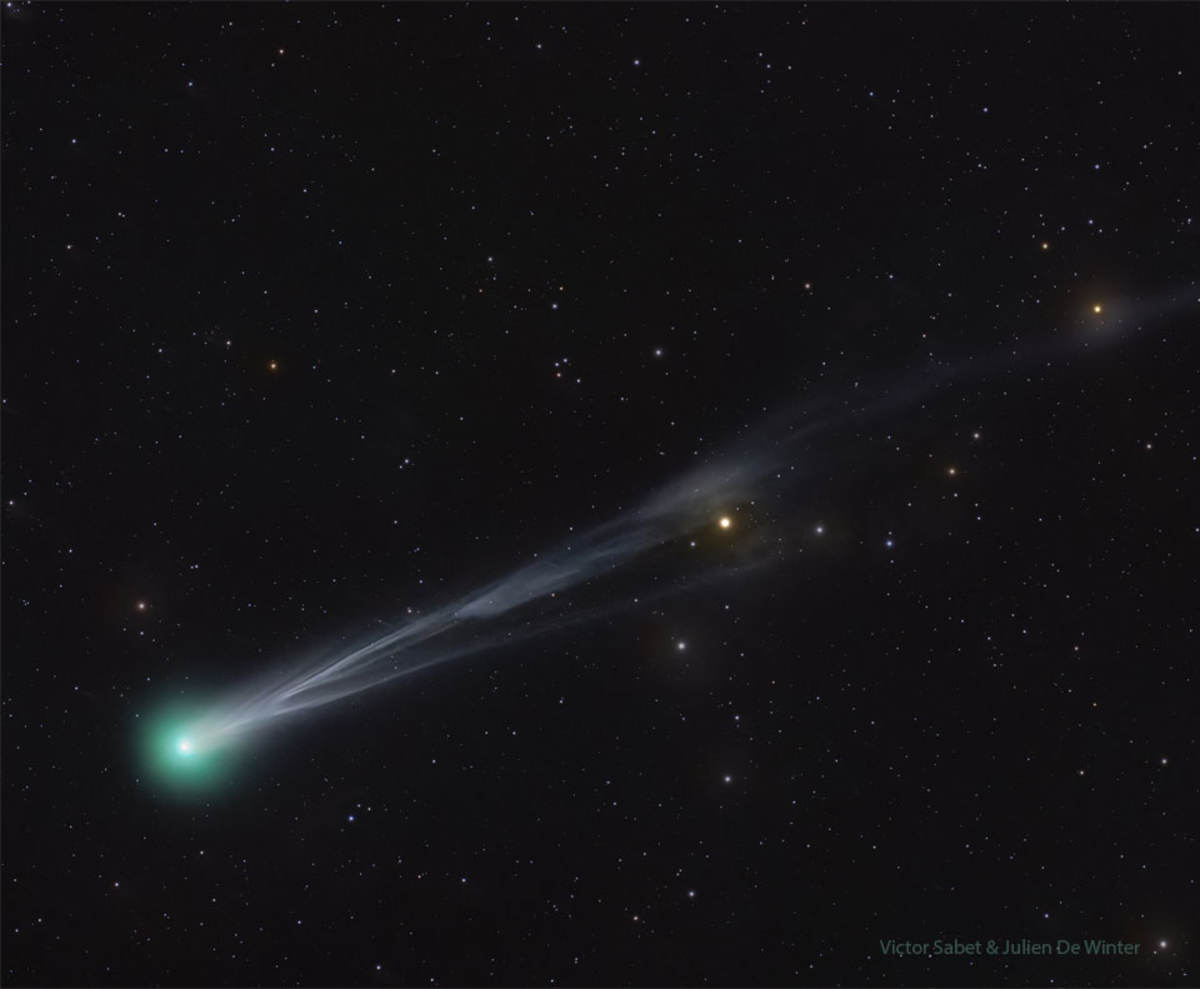
The visual spectacle has already generated significant interest on social media, with amateur astronomers sharing their successful captures. On X (formerly Twitter), users posted stunning long-exposure photographs, with one notable post from user @Val_Italo featuring a clear image of the comet's prominent, extended ion tail, confirming the existence of the comet, as the object recedes from Earth.
Comet Lemmon shot at 70mm showing its long ion tail!#C2025A6 pic.twitter.com/PNap9SlgJ2
— Val (@Val_Italo) October 22, 2025
Additional posts by observers @Gulsaholgunn and @yasa_mosa further underscore the current visibility of Comet Lemmon for dedicated stargazers with photographic equipment.
レモン彗星
— やさもさ (@yasa_mosa) October 21, 2025
C/2025 A6(Lemmon)
今夜は見えない!見えないぞ!
先日撮影したのを眺めて我慢我慢#レモン彗星 #c2025a6 pic.twitter.com/UMNbGIT6U7
C/2025 A6 Lemmon 💫☄️
— G-Dragon 🔥 (@Gulsaholgunn) October 21, 2025
Yeşil’in her tonunu seviyorum derken ciddiydim. Comet Lemmon ile birlikle gördüğüm kuyruklu yıldız sayısı 2 oldu ✨#cometLemmon #comet #c2025a6 #lemmon pic.twitter.com/lBxDCICwki
Comet C/2025 A6 (Lemmon) represents far more than a routine celestial pass; it is a profound "time traveler" on a cosmic timescale. Astronomers calculate that the icy body is making its first visit to the inner solar system in an estimated 1,350 years. Its immense voyage originated approximately 240 Astronomical Units beyond the Sun, a distance well past Pluto's orbit, before being pulled inward by the Sun’s gravity. The comet's long, elliptical path offers a stark demonstration of the immense and dynamic scale of our solar system, with experts noting that its orbit is currently shortening, a cosmic process that underscores the ever-changing nature of stellar neighborhoods.
The object’s subtle beginning was reflected in its discovery on January 3, 2025, when a sky-survey team initially misclassified it as a faint asteroid. It took subsequent imaging, which revealed the formation of a coma (the gaseous envelope) and a faint tail, to correctly identify and reclassify it as a comet. This event is a truly fleeting chance to witness a spectacle that will not be repeated for over a millennium, providing a dramatic reminder of the vast, ever-moving universe.
More on Starlust
Will Comet C/2025 A6 (Lemmon) be bright enough to see with the naked eye on October 21?
Comet Lemmon (C/2025 A6) is easily visible in the evening sky this week—here's how to locate it