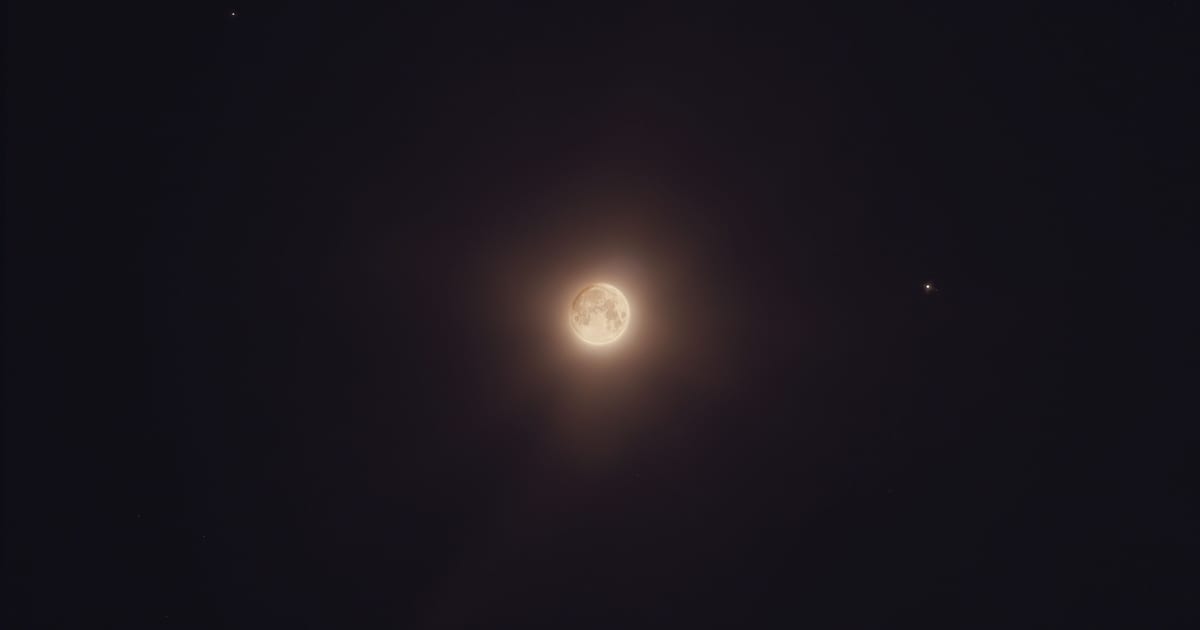
Will Comet C/2025 A6 (Lemmon) be bright enough to see with the naked eye on October 21?
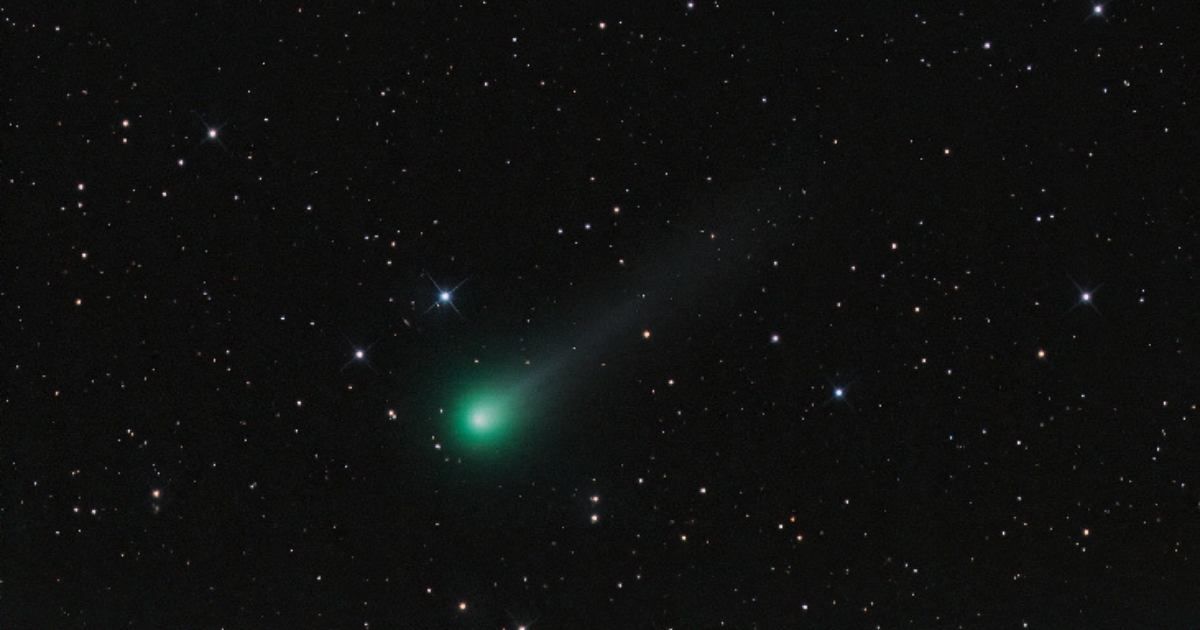
Comet C/2025 A6 (Lemmon) is rapidly brightening and could become visible without a telescope by late October, offering a rare celestial spectacle. While the history of comet sightings is full of warnings, astronomers are optimistic about this one, as reported on IFL Science.

Discovered on January 3, Comet Lemmon has recently exceeded all brightness expectations. Since mid-August, its luminosity has surged to about six times brighter than initially predicted for its peak. With its closest approach to Earth scheduled for October 21, there's a strong possibility it will become a public marvel. Unlike comets that last visited during prehistoric times, this one made its previous trip during the Middle Ages. Although it was first spotted by telescopes last November, its significance was not realized until the Mount Lemmon Survey officially reported it, and its orbit was retroactively mapped.

The comet's nearest pass to the Sun won't occur until November 8. It was on the far side of the Sun from us in July, but upon its reappearance, it was significantly more luminous than expected. Projections now suggest it could reach a magnitude of 3.9 on October 21, making it visible to the unaided eye in a dark sky. Many comets that appeared bright in recent years were ultimately hard to see because their peak luminosity occurred while they were too close to the Sun from our perspective. By the time they moved into a visible position, they had faded, often losing their tails.
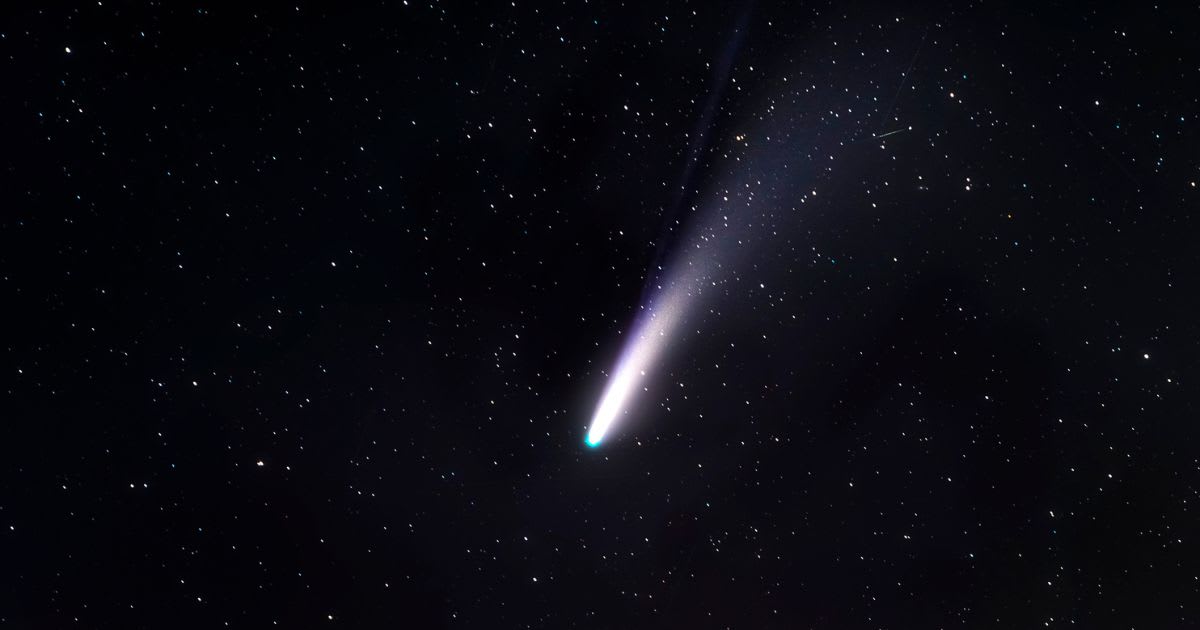
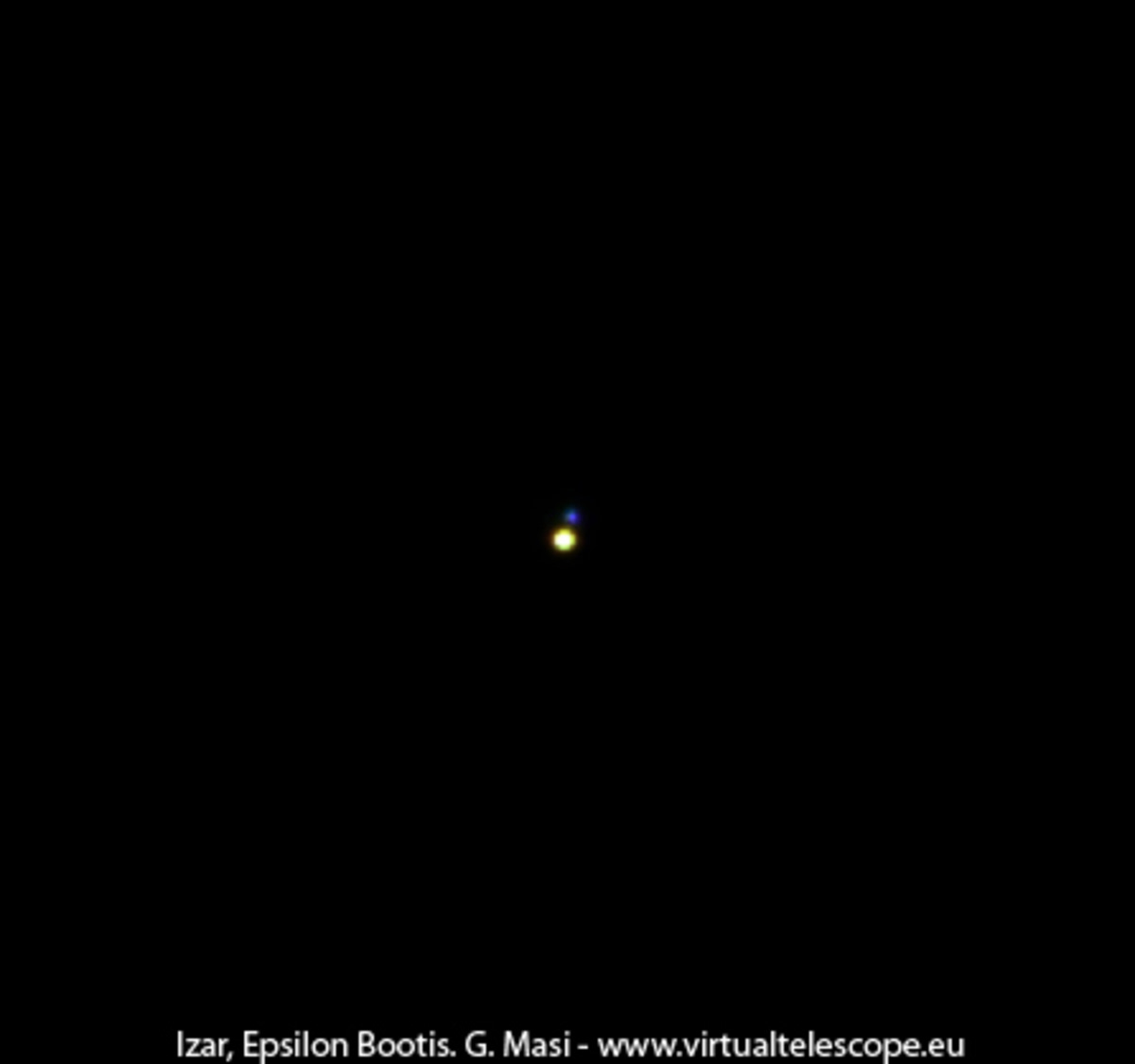
Comet Lemmon, however, is a different story. On October 21, it will be positioned a full 42 degrees away from the Sun. This means it will be visible in the western sky about an hour after sunset, making it a prime target for viewers in the Northern Hemisphere. The bright star Arcturus will serve as a useful guide, with Izar (Epsilon Bootis) as an even closer marker. In fact, the best viewing might be a few days before its closest approach to Earth, when it will be almost as bright but positioned higher in the sky.
Astronomers remain cautious, as some comets break apart or experience temporary bursts of brightness that don't last. However, this comet's closest approach to Earth will happen before it gets nearest to the Sun, a point when comets are most vulnerable to disintegration. The sustained brightening observed in August also suggests this is not just a temporary outburst. While a chance of disappointment still exists, Comet Lemmon is poised to offer a genuine opportunity for stargazers.
Currently in the constellation Lynx, Comet Lemmon is on a path that will bring it within 55 million miles of our planet next month. As its closest approach is set for Tuesday, October 21, 2025, its light will have traveled for just over ten and a half minutes to reach us. At the time of this report, the comet is approximately 117 million miles away. According to the Comet On-Line Database System (COBS), the comet’s brightness at the time of writing this article was at a magnitude of 7.8, putting it just out of range for the naked eye but still an easy target for binoculars or a small telescope.
More on Starlust
Here's how to spot Comet SWAN (C/2025 R2) in the night sky from now until October 20