Here's when Comet C/2025 A6 (Lemmon) will make closest approach to Earth next month

A celestial visitor is set to make its closest pass to Earth in the coming weeks, offering a prime viewing opportunity for skywatchers. Comet C/2025 A6 (Lemmon), currently navigating the constellation of Lynx, is on a trajectory that will bring it within an impressive 55302036.109 million miles of our planet next month, as per Sky Live.
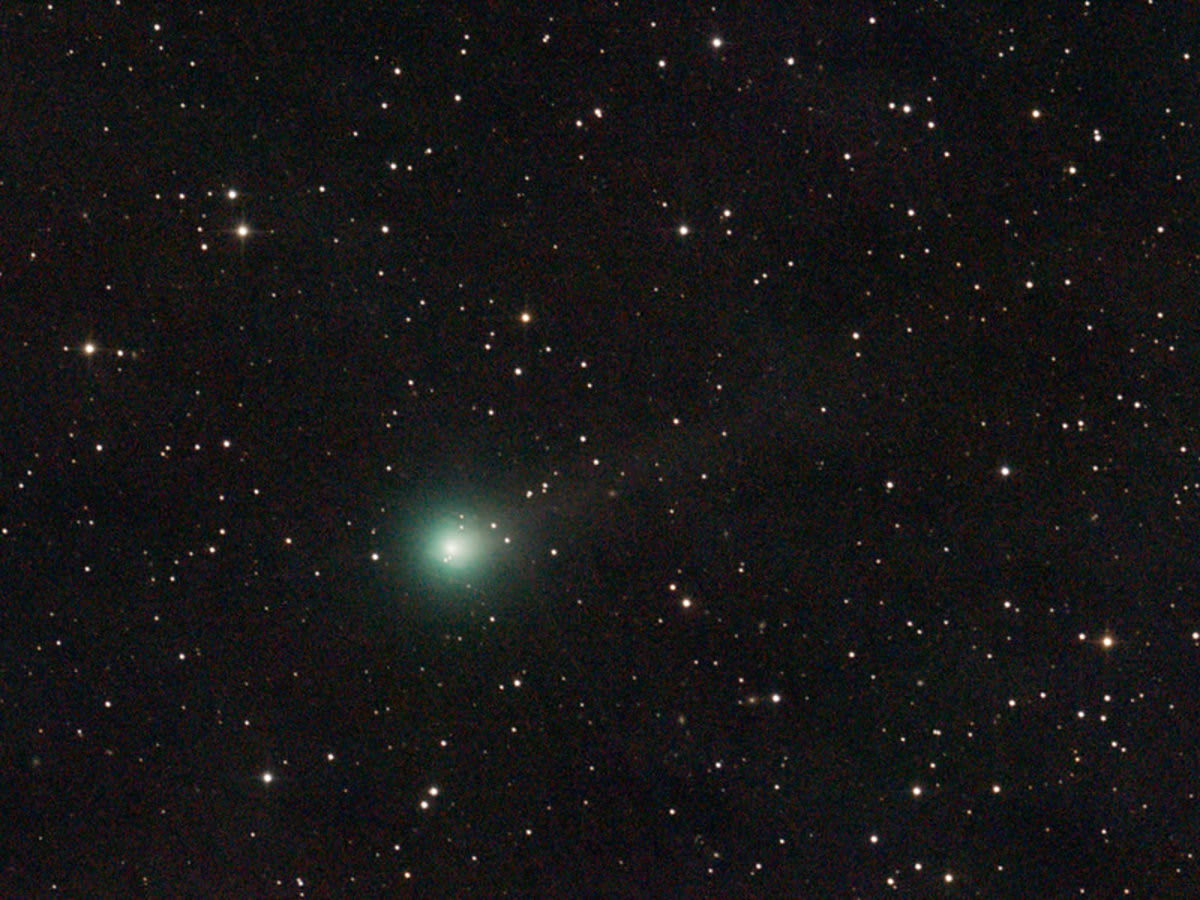
The comet's closest approach is slated for Tuesday, October 21, 2025, at which point it will be approximately 0.596 astronomical units away. At the time of writing this article, the comet was at a distance of 117439155.333 million miles from Earth, its light taking just over ten and a half minutes to reach us. According to data from the Comet On-Line Database System (COBS), the comet's current apparent magnitude is 7.4, placing it just beyond the reach of the naked eye but well within the view of binoculars or small telescopes. Its apparent coordinates are a Right Ascension of 09h 03m 01s and a Declination of +37° 22’ 19”.

Astronomical data reveal Comet C/2025 A6 (Lemmon) is on a highly eccentric orbit, with a long period of nearly 1,400 years. Its journey will also see it reach its closest point to the Sun, known as perihelion, on November 8, 2025. This close encounter with our star will further illuminate the comet, potentially making it brighter for observers as it continues its voyage through the solar system.
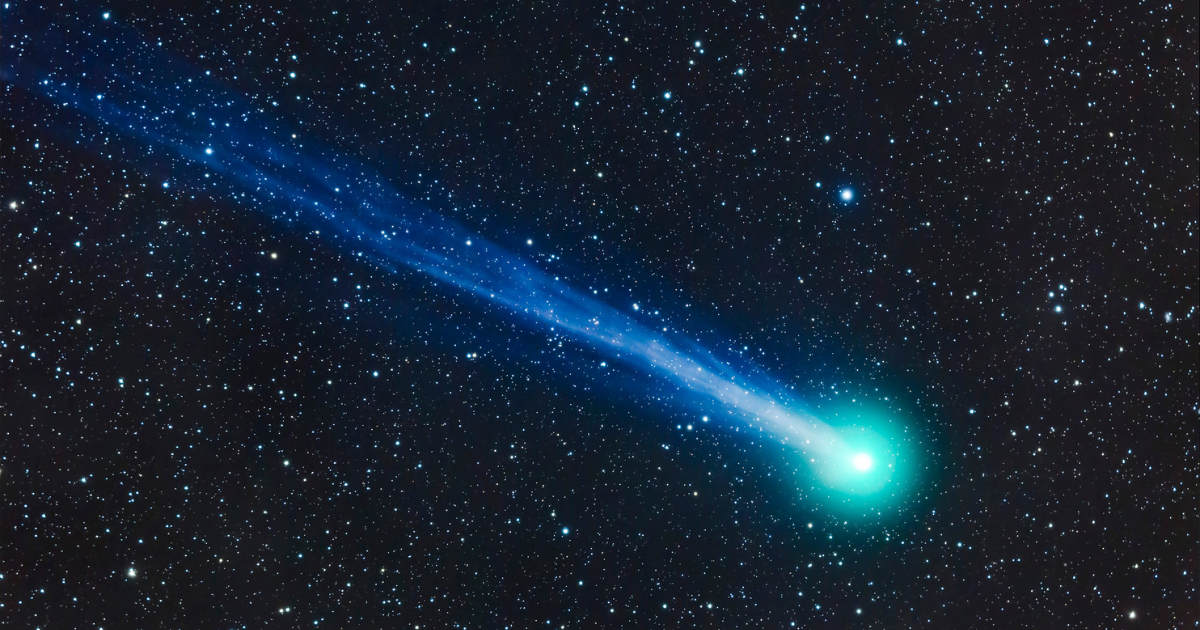
Astrophotographers are already capturing stunning images of the comet, with one notable post from renowned observer Michael Jäger, discoverer of the periodic comet 290P/Jäger, who has also found fragments of other comets, including 141P/Machholz, 73P/Schwassmann-Wachmann, and 157P/Tritton, according to QHYCCD, sparking significant excitement. Jäger, in collaboration with accomplished astrophotographer Gerald Rhemann, recently shared a breathtaking mosaic of the comet, noting that if it is already visible now, its appearance in October could be "spectacular." The image, taken on September 21, 2025, using specialized RASA and Asi 294m equipment, showcases the comet's growing brilliance and suggests that skywatchers are in for a truly memorable event as it makes its closest pass to Earth.
Comet Lemmon will be spectacular. If we can already see it now, what will it be like in October?
— Michael Jäger (@Komet123Jager) September 21, 2025
C/2025 A6 Lemmon 2025-09-21 2.40 UT 11" RASA Asi 294m mosaic 9/9min Michael Jäger, Gerald Rhemann pic.twitter.com/ZUxFJV6YUP
Comet Lemmon is far more than just a passing chunk of ice. This celestial wanderer is a "time traveler," returning to the inner solar system for the first time in an estimated 1,350 years, as per Friends of NASA. Its epic journey began as far as 240 astronomical units from the Sun before gravity started pulling it inward. The comet's long, elliptical orbit is gradually shortening, a cosmic reminder of how dynamic our solar system truly is.

When it was first discovered on January 3, 2025, by a sky-survey team, it was so faint it was initially misclassified as a dim asteroid. Only later imagery revealing a small coma and faint tail led to its reclassification as a comet. This initial oversight highlights just how subtle these deep-space objects can be. This rare return creates an ideal observational window for skywatchers. The comet's upcoming proximity to both Earth and the Sun during late October puts it in a "sweet spot" of brightness and visibility, making it a golden opportunity for anyone with a telescope or good binoculars. Its alignment is a reminder that this fleeting spectacle is a once-in-a-lifetime show for nearly everyone alive today.
More on Starlust
Here's how to spot Comet SWAN (C/2025 R2) in the night sky from now until October 20