Comet C/2025 A6 (Lemmon) makes its closest approach to Earth today—won't return for another 1,300 years
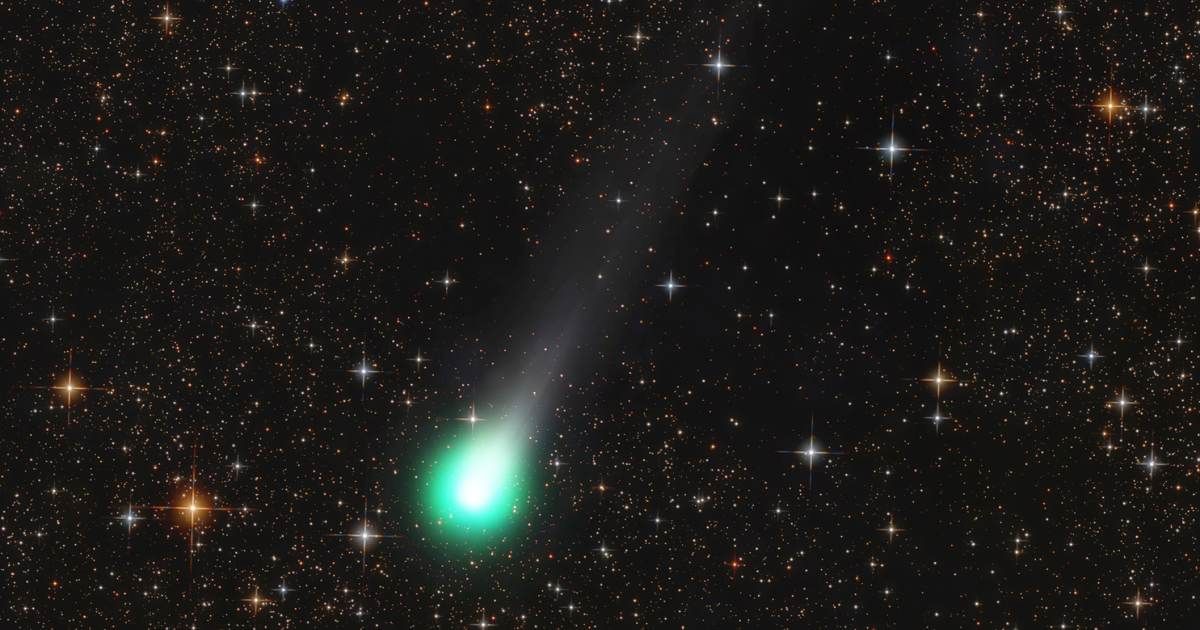
A once-in-a-millennium celestial event is peaking today as Comet C/2025 A6 (Lemmon) makes its closest pass to Earth. Discovered just this past January, the comet is offering observers in 2025 their best opportunity for a sighting before it recedes from view for the next 1,300 years, as per The Royal Astronomical Society.
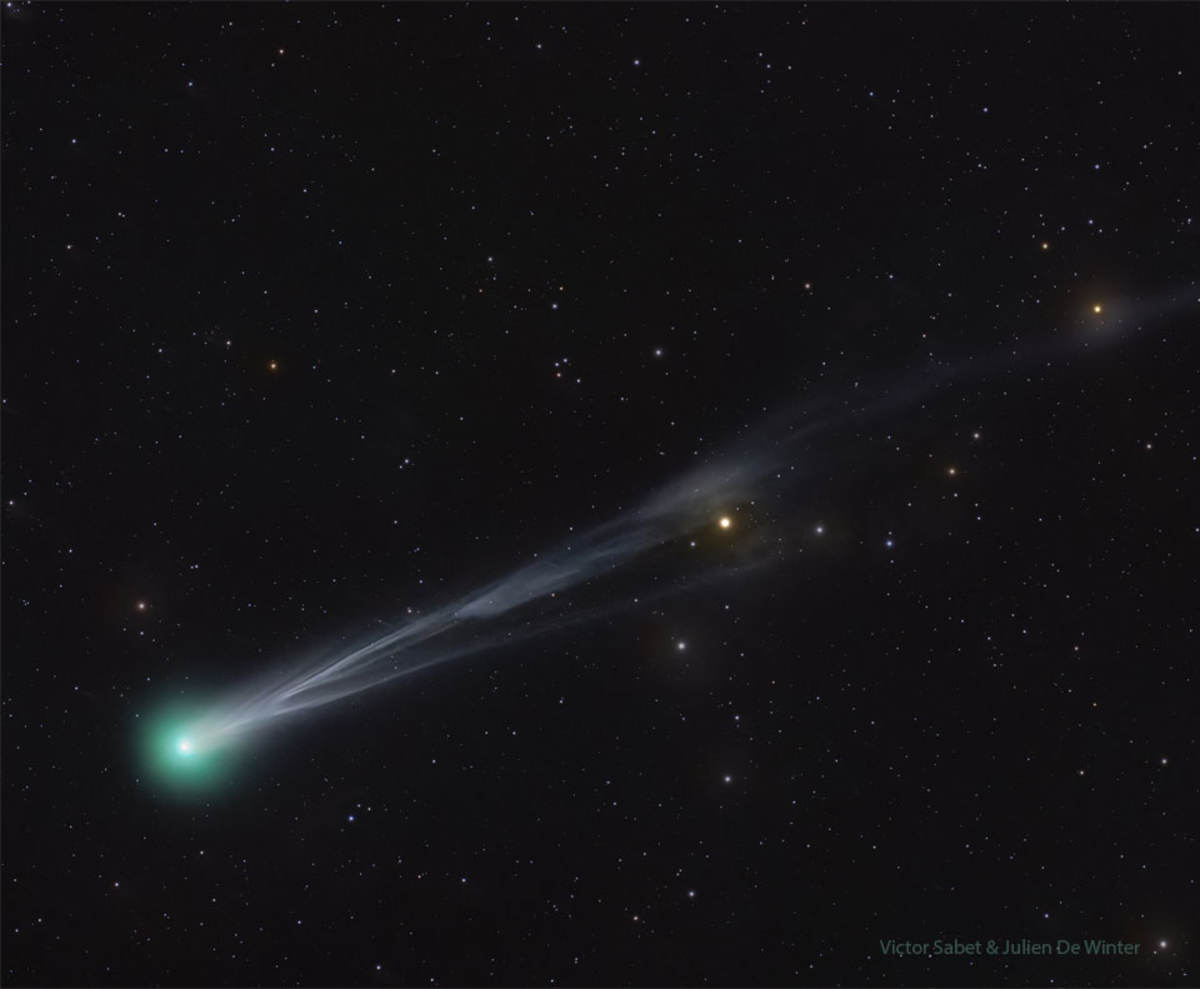
The comet is at its "best visibility right now," according to Dr. Robert Massey, deputy executive director of the Royal Astronomical Society. While it reaches its closest point to our planet on October 21 and its closest approach to the Sun around November 4th, skygazers should look to the evening sky immediately following sunset. For optimal viewing, Dr. Massey advises watching as the sky darkens. The comet will be moving first past the bright star Arcturus, and then shifting southwest, beneath the stars of the Summer Triangle.
While it's a reasonably bright comet, it will likely appear as a "fairly bright, fuzzy object" and may require binoculars to be seen easily. Experts caution that it will not be as spectacularly visible as Comet Hale-Bopp in the late 1990s or NEOWISE in 2020. However, the ease of viewing with binoculars makes it a unique and recommended target, especially for those who have never observed a comet before.
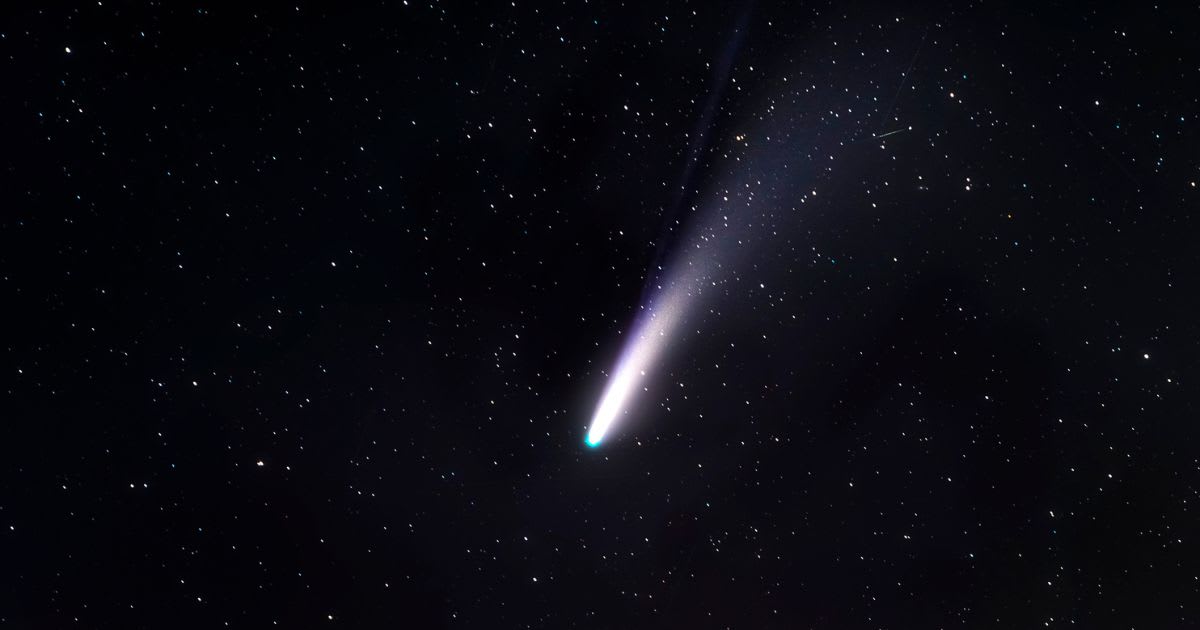
The comet's appearance is perfectly timed to coincide with the Orionid meteor shower, which is also peaking around October 21. This annual shower, visible until November 7, is produced as the Earth passes through the trail of debris left by Halley's Comet. The swift entry of this cosmic dust into our atmosphere creates the characteristic bright streaks known as "shooting stars."
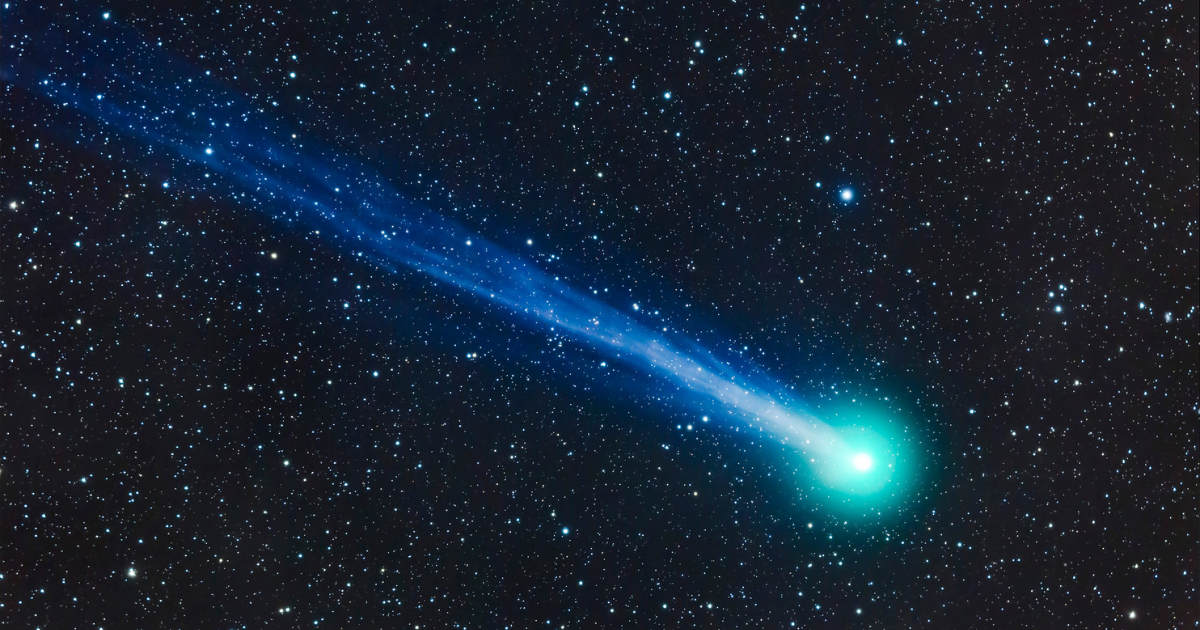
For those unable to experience this celestial wonder in person, a live feed is being provided by The Virtual Telescope Project, offering a remote view of the comet's rare appearance.
Comet C/2025 A6 (Lemmon) is far more than a simple chunk of ice; it is a profound "time traveler," making its first reappearance in the inner solar system in an estimated 1,350 years. Its incredible voyage began approximately 240 astronomical units from the Sun, well beyond Pluto, before the Sun's gravity began to draw it inward. This long, elliptical path is a stark demonstration of the immense and dynamic scale of our solar system. Astronomers note that its orbit is actually shortening, a cosmic process that underscores the ever-changing nature of the bodies in our stellar neighborhood.
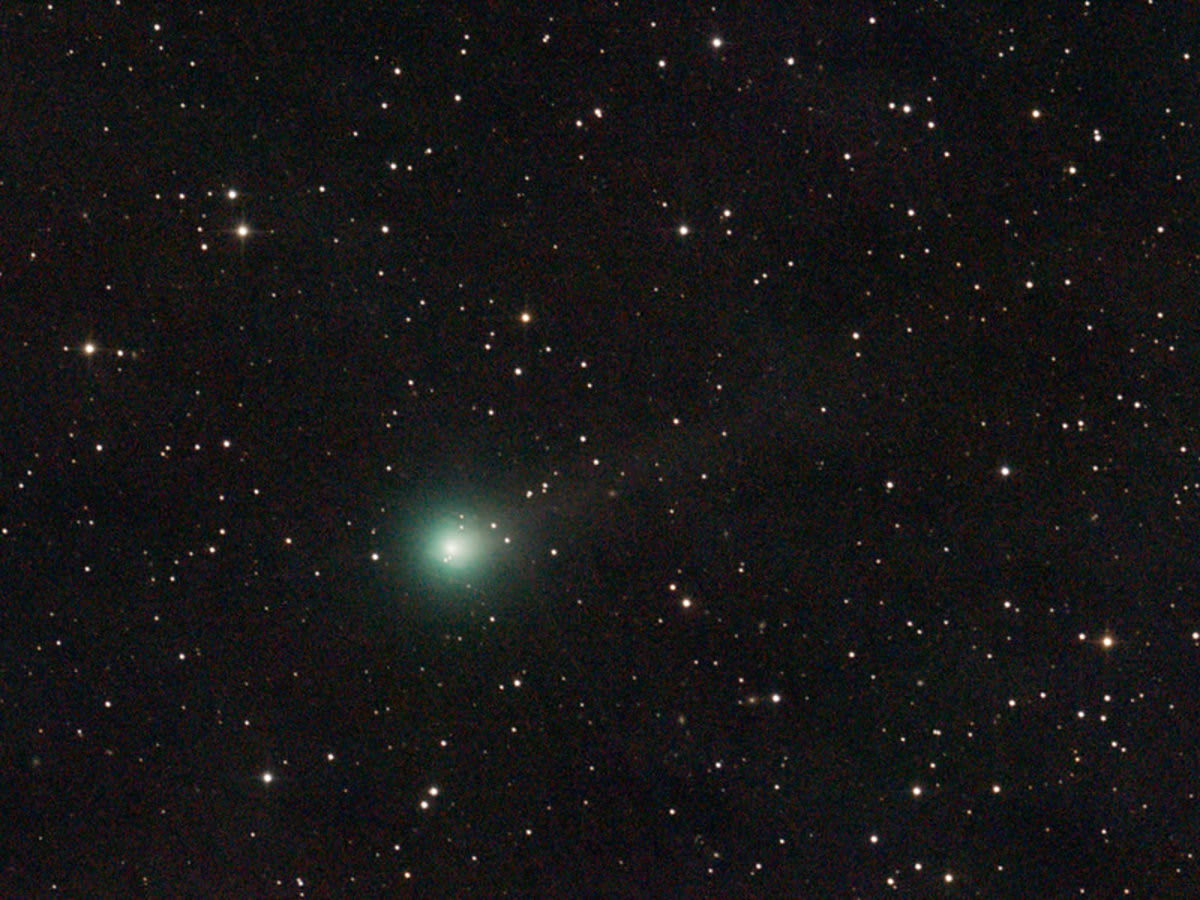
When the comet was first spotted by a sky-survey team on January 3, 2025, it was so dim it was initially misclassified as a faint asteroid. It took subsequent imaging, which revealed a small coma (the gaseous envelope) and a faint tail, to correctly identify and reclassify it as a comet. This initial oversight highlights the subtle nature of these deep-space wanderers. Don't miss this fleeting chance to witness a cosmic event that will not be repeated for over a millennium. As Comet Lemmon sweeps past, it offers a dramatic reminder of the vast, ever-moving, and spectacular universe beyond our planet.
More on Starlust
Comet Lemmon (C/2025 A6) is easily visible in the evening sky this week—here's how to locate it
Will Comet C/2025 A6 (Lemmon) be bright enough to see with the naked eye on October 21?