High geomagnetic activity could trigger aurora in northern latitudes on August 17
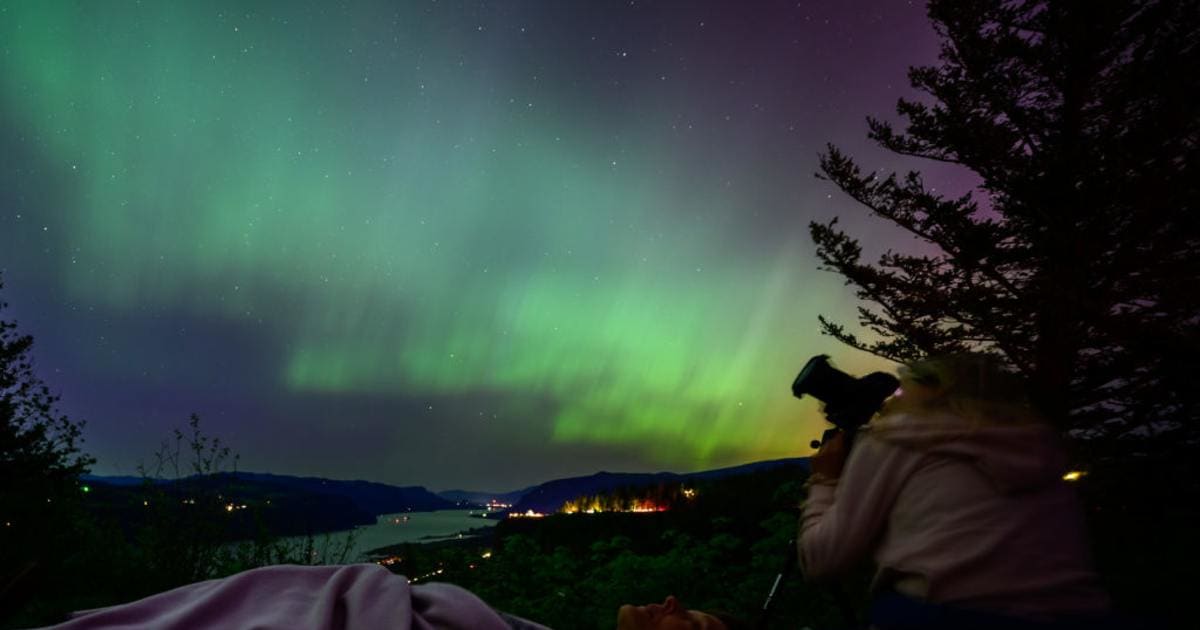
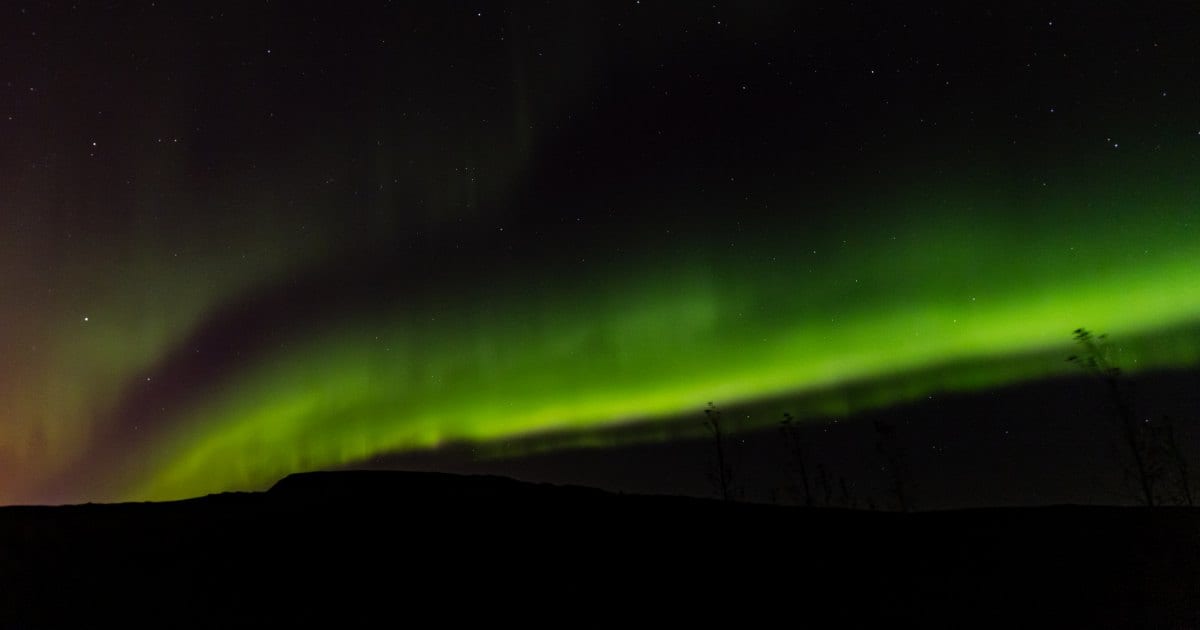
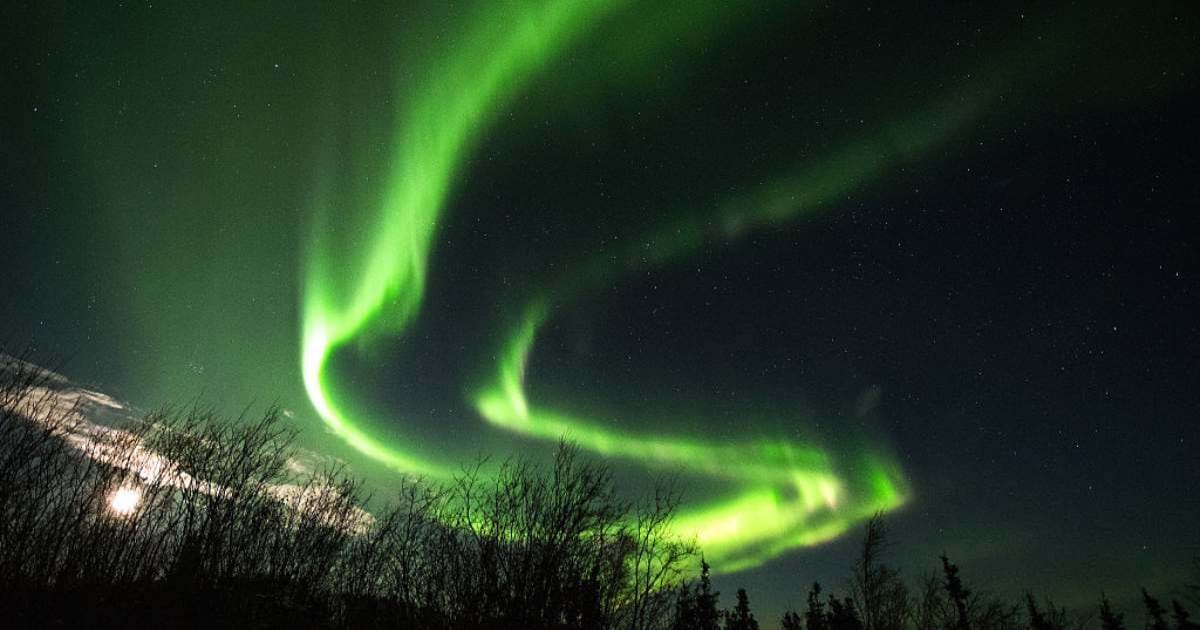
The NOAA Space Weather Prediction Center has predicted increased geomagnetic activity on Monday night, meaning that there exists a possibility of witnessing auroras in some of the northernmost regions of the US. If these auroras manifest, ideal viewing times will fall between 10 pm Monday night and 1 am the following morning. This possibility of the northern lights being visible is due to increased disturbance in our magnetosphere caused by incoming solar plasma from a coronal mass ejection (CME) from August 14, 2026. According to Spaceweather, the CME made a glancing impact on Earth and is expected to generate "active" geomagnetic conditions. However, the effect will not be strong enough to cause a minor G1-class geomagnetic storm.
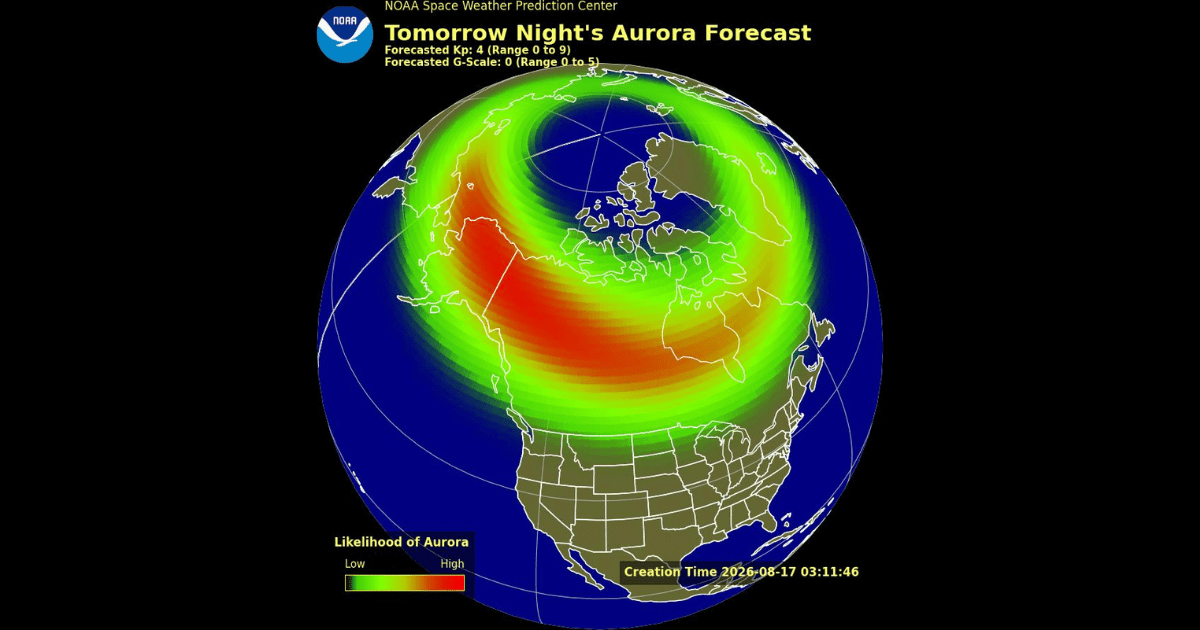
SWPC's models of the solar wind impact on our planet show that the first contact with this CME was made in the early hours of Monday, with a dense stream of solar plasma already interacting with Earth on August 16. One of the measures for geomagnetic activity and aurora possibility is the planetary index, denoted by Kp. The Kp value between 4 am and 7 am is understood to be 4, and the same has been forecasted for the night of August 17. Kp levels range between 0 and 9, with a formal G1 minor storm and more widespread auroras triggered by a Kp of 5 and above. Because the forecasted Kp for this particular event is just 4, the official G-Scale rating remains at 0.
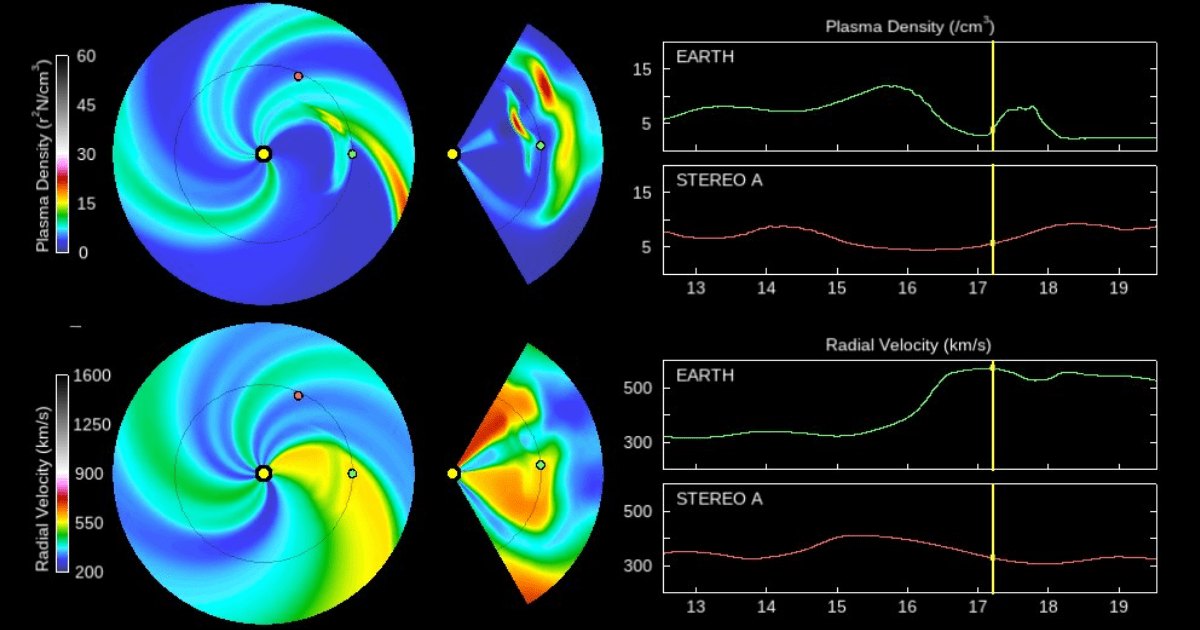
This event is the latest of a series of CMEs that have bombarded Earth of late and triggered geomagnetic storms of various intensities in the past few days. This includes a geomagnetic storm of moderate (G2) category on August 8, while two events with an intensity similar to that of the forthcoming disturbance occurred on August 12 and 14. Though such geomagnetic conditions can manifest themselves in the form of spectacular displays in the sky, they can also occasionally wreak havoc on some of the crucial technological infrastructure we depend on.
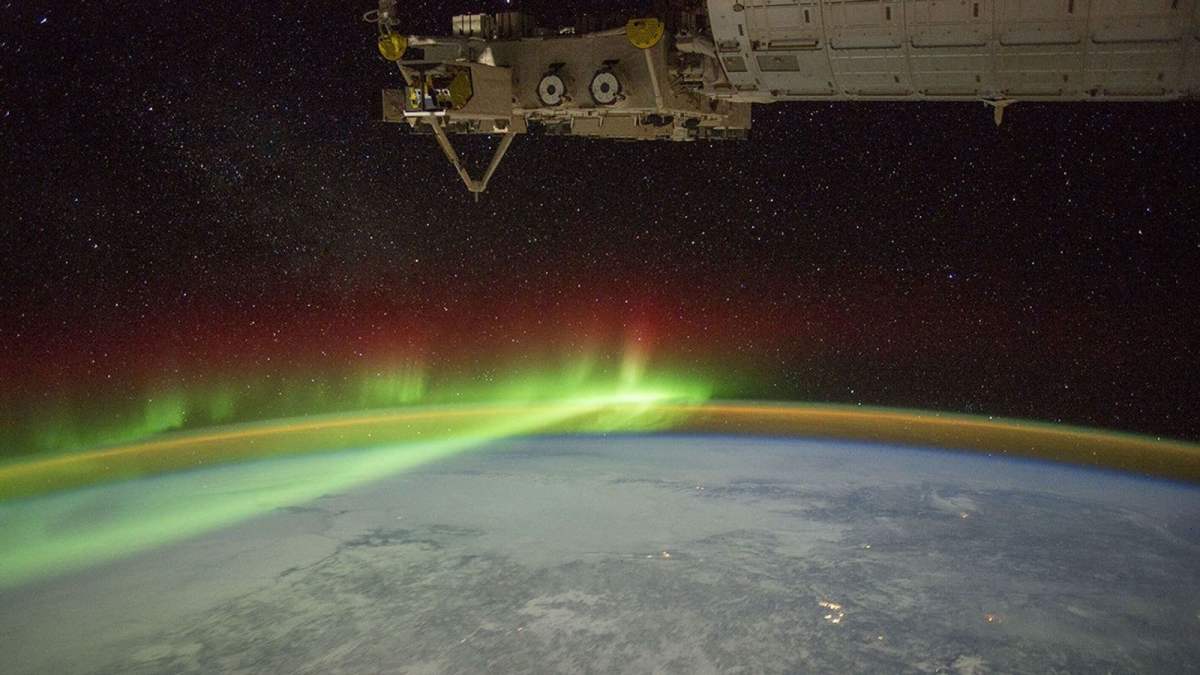
The adverse effects of arriving CMEs and the consequent geomagnetic storms are typically seen in power transmission and satellite communications. While NOAA has not issued any alerts about power grids for this event, there is a very small possibility of minor hitches in GPS and satellite navigation. As for some of the other effects, the operation of satellites can occasionally be disrupted due to increased atmospheric drag during such phases. NOAA's predictions suggest that such effects on technology are likely to be minimal during the upcoming aurora event.
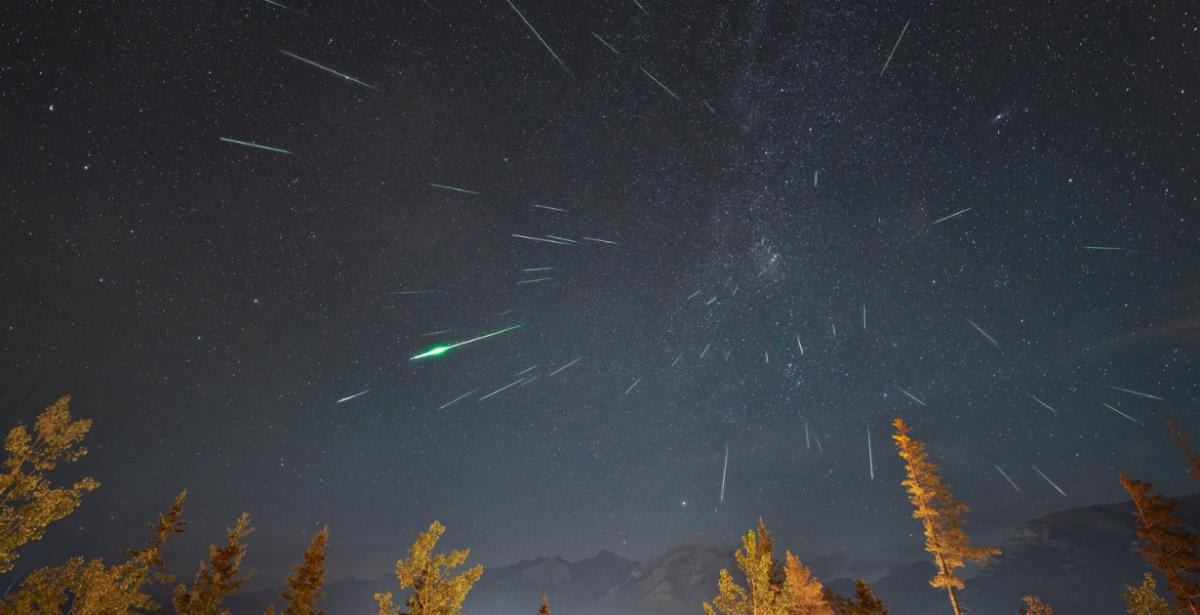
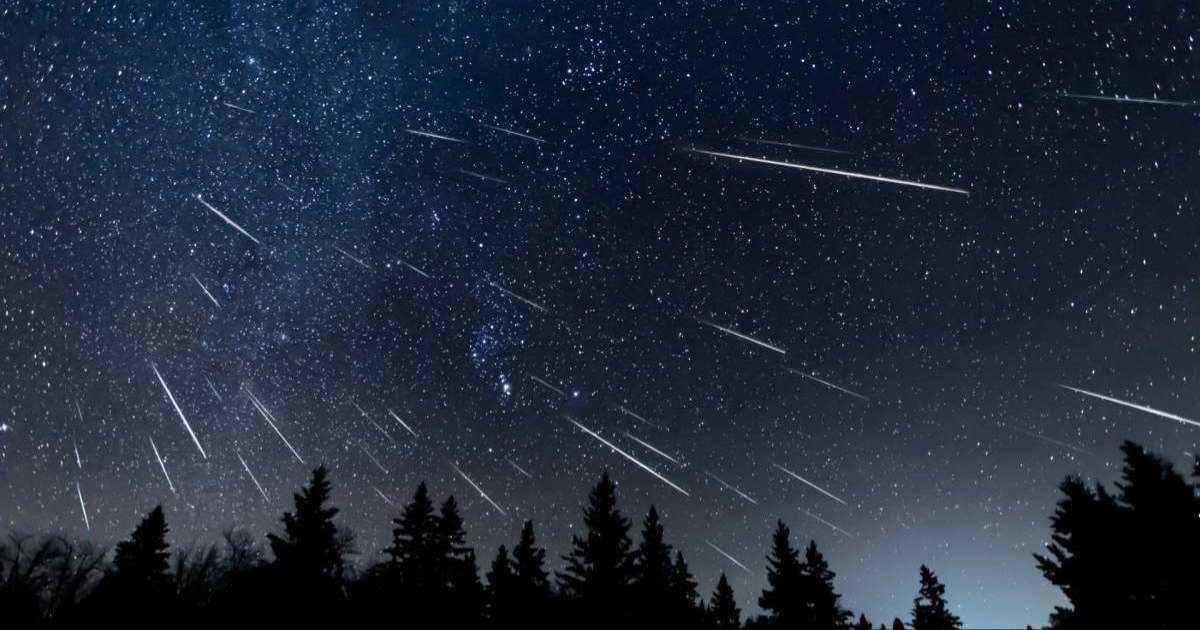
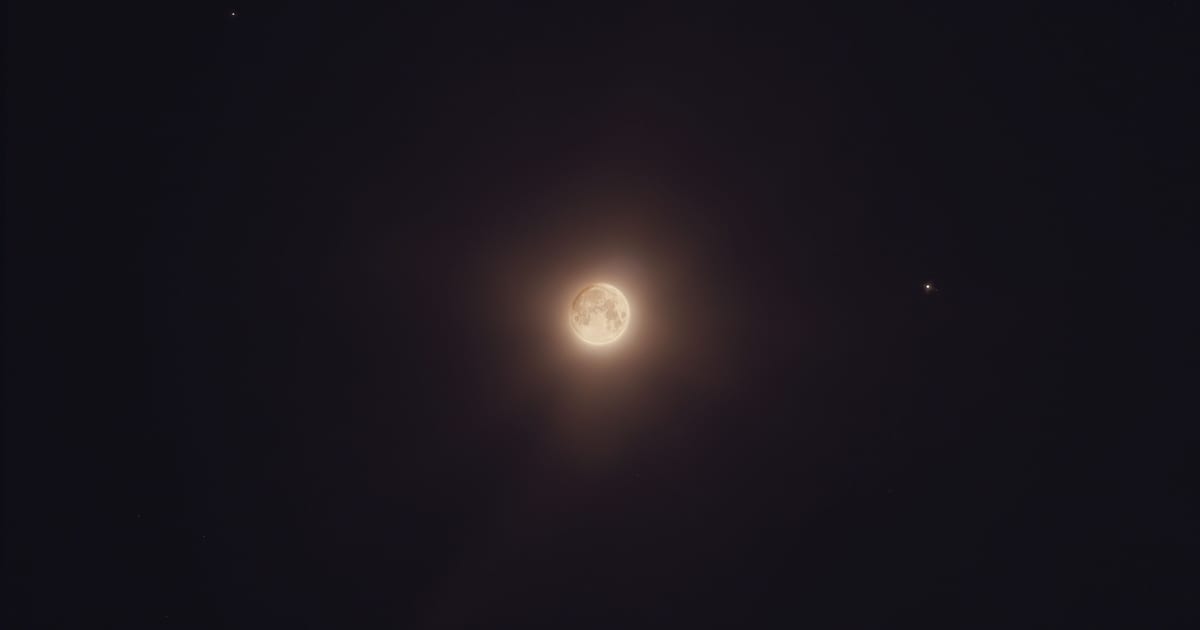
On a positive note, the sight of auroras in states like Maine and Michigan also means that skywatchers can take the opportunity to catch a glimpse of some of the other events that are prominent in the night sky during this week. The Perseid meteor shower has just passed its peak on August 13, while other less prominent meteor showers like the Kappa Cygnids could also be photographed with some forethought. The latter is expected to rise highest in the night sky for northern hemisphere viewers at the same time when the auroral activity is forecast to begin, per the American Meteor Society. Looking for relatively faint objects should be relatively simple, given the Moon is still in its waxing crescent phase.
More on Starlust:
Perseid meteor shower peak 2026: Best images of the celestial fireworks from August 12-13
NASA's top skywatching events for 2026: Total lunar eclipse, Perseid meteor shower and more