Parts of U.S. may experience auroras on August 12 as CME heads toward Earth
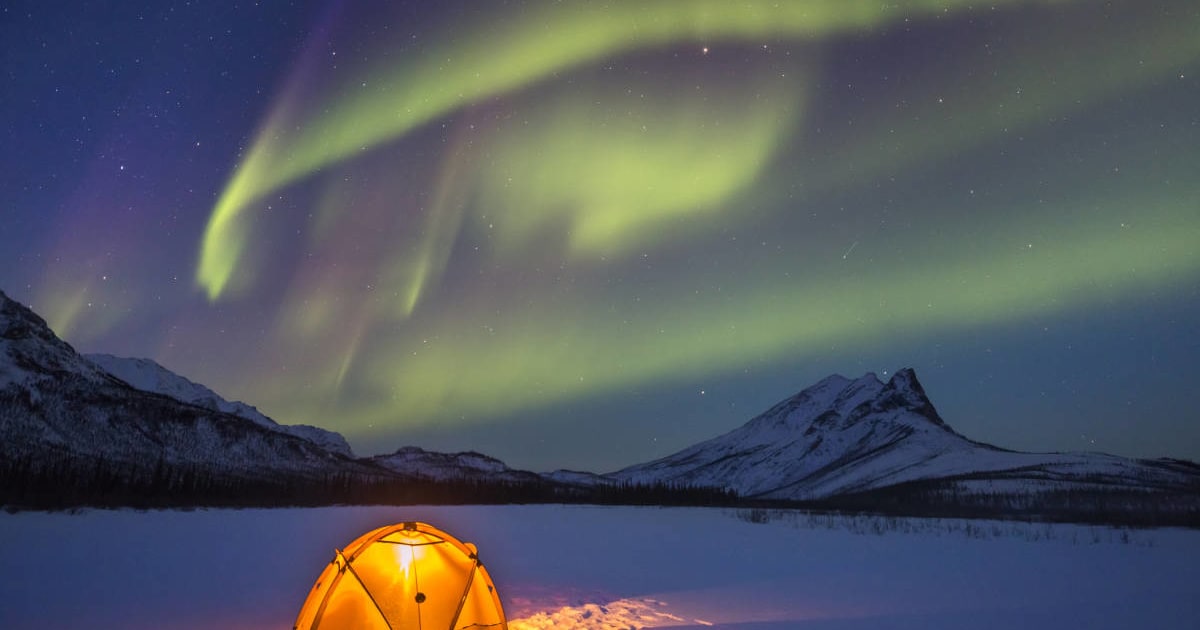
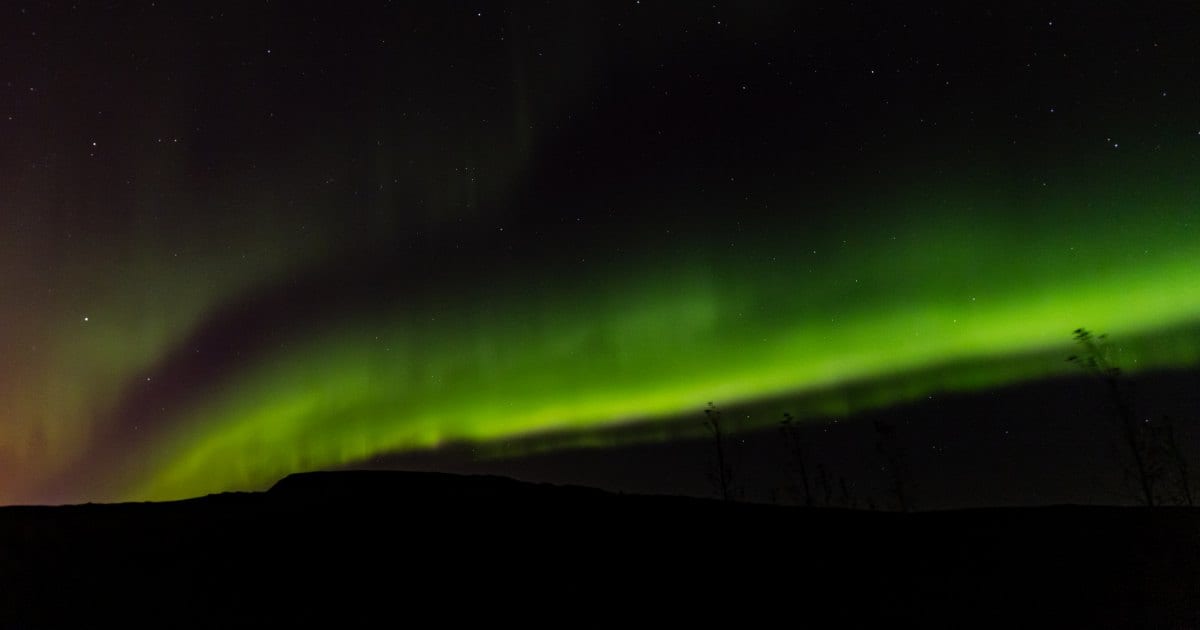
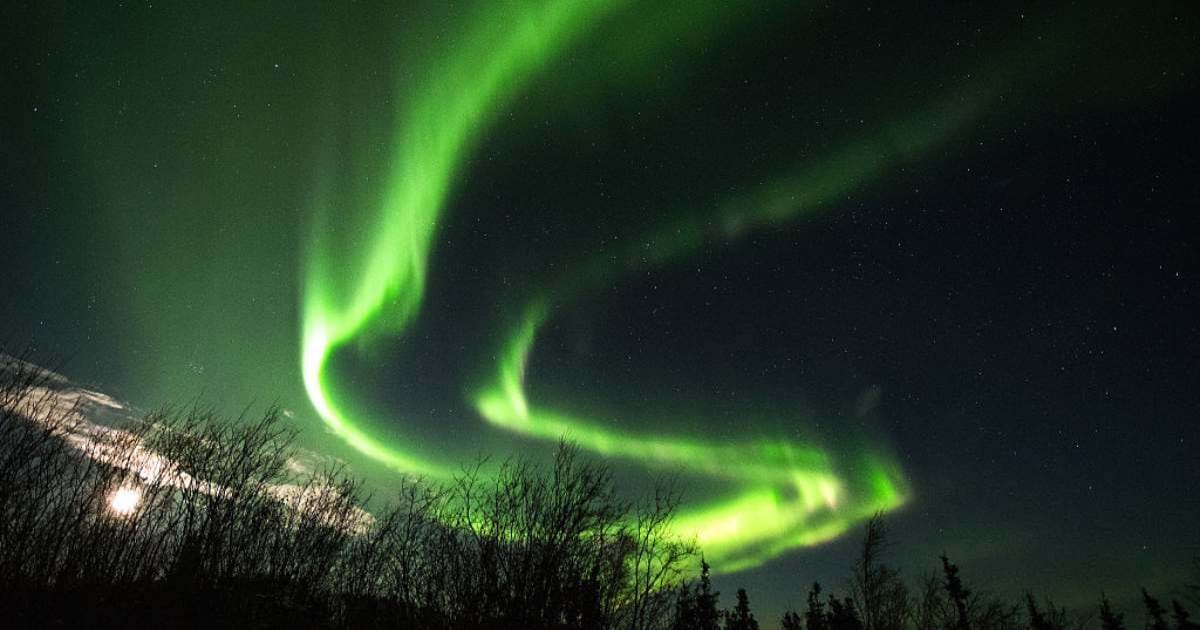
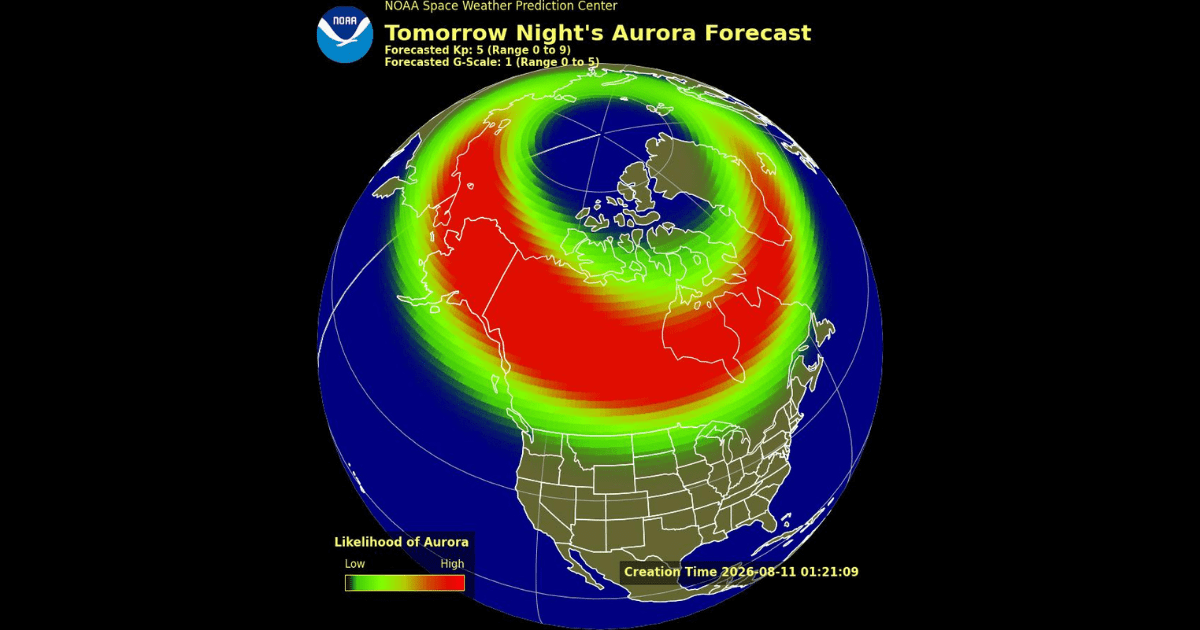
A coronal mass ejection (CME) that left the Sun on Saturday, August 8, has led NOAA's Space Weather Prediction Center to issue a G1 (minor) geomagnetic storm watch for Wednesday, August 12. The CME could also trigger auroras, which are predicted to peak between 2 am and 5 am EDT on the day and could be visible over select parts of the U.S.
A filament eruption has launched a CME in the direction of Earth with impact around 2 UT on August 12 (Tuesday night) according to the latest NOAA ENLIL model showin below. NOAA SWPC has issued a G1/minor storm watch for August 12 UT day. We'll see what happens! pic.twitter.com/T1zGFoe9ch
— Vincent Ledvina (@Vincent_Ledvina) August 9, 2026
August 8 also experienced G2 (moderate) geomagnetic storm conditions as a result of a slow-moving CME likely from August 5 or 6. Since Wednesday's storm is likely going to be an even weaker one, only minor disruptions in power grids and satellite operations are expected. The U.S. states most likely to see the auroral activity stemming from the storm are northern Montana, Minnesota, Michigan, and North Dakota.
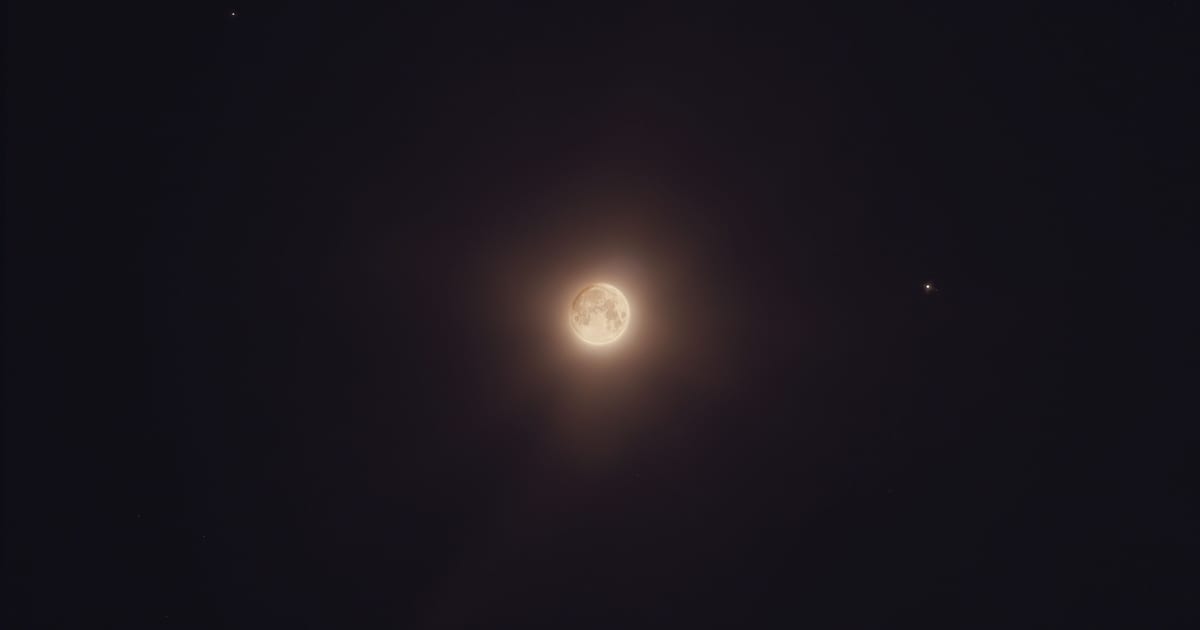
Of course, aurora visibility will depend heavily on a number of factors other than just the intensity of a geomagnetic storm. For starters, the sky needs to be clear and sufficiently dark, so you should get as far away from city lights as possible to a location that has an unobstructed view of the night sky. Luckily, you won't have to worry about interference from natural light, as only 3% of the Moon will be illuminated on Tuesday night.
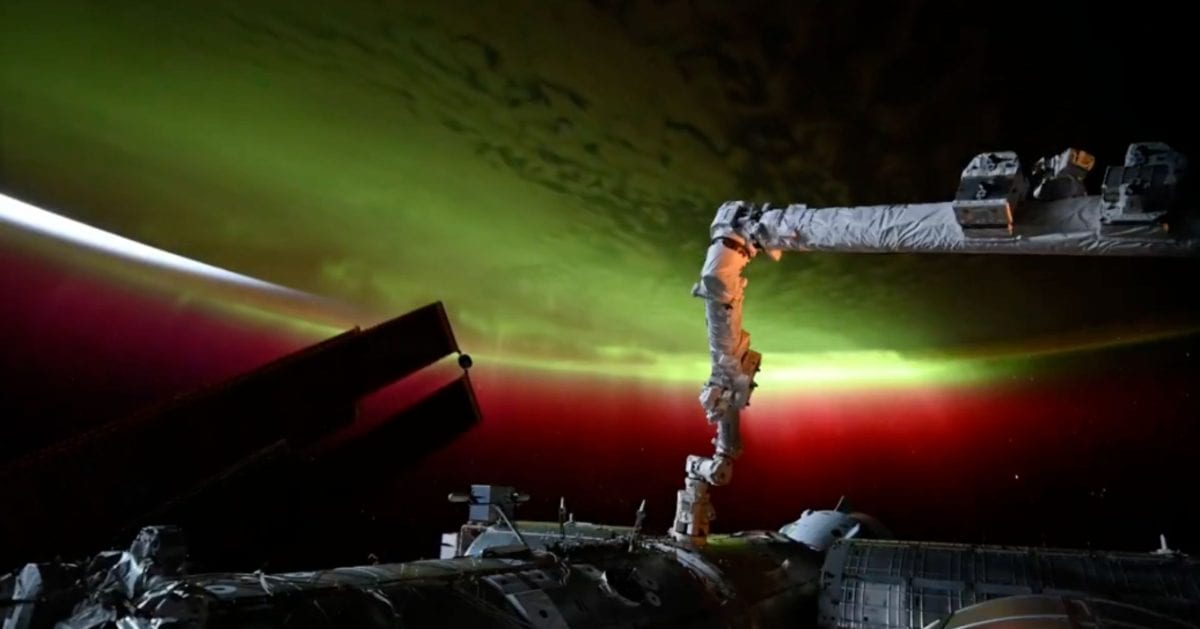
A room with a view: The aurora today as seen from the SpaceX Dragon window. Space station is moving foward and the window looks out in the direction of travel. You can make out the window framing. Z9 1/4s 15mm ISO 8000 MP4. pic.twitter.com/4EcEVk0duu
— Anil Menon (@astro_anil) August 8, 2026
August 12 is going to be a feast for skywatchers for more than one reason. After all, it is also the date for a rare total solar eclipse. While totality will only be visible from a few select cities in Europe, parts of the northern U.S. (from Alaska to North Carolina) will get to see a partial solar eclipse on the day.
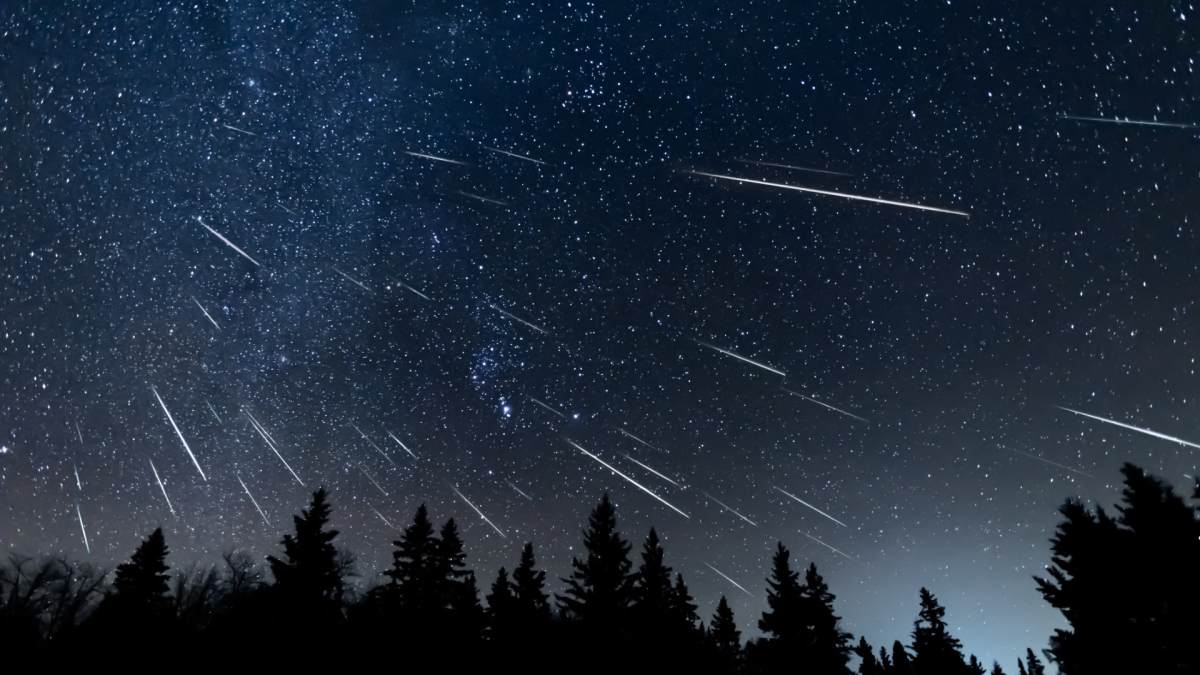
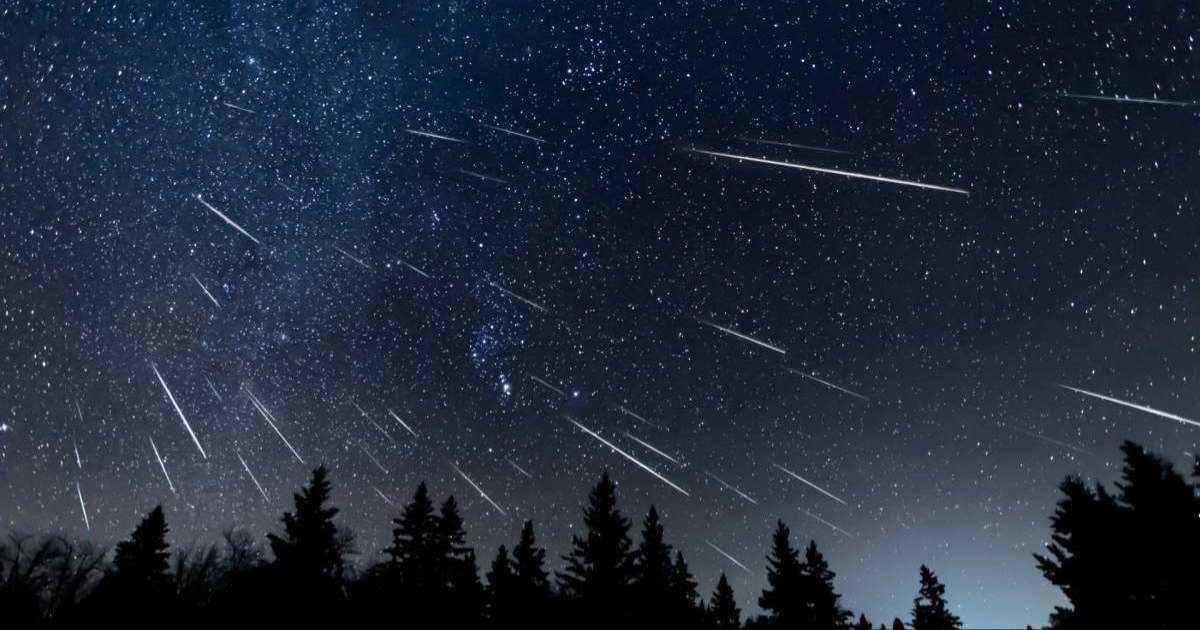
The Perseid meteor shower is also set to reach peak activity on Wednesday night into Thursday morning. And the viewing conditions are expected to be excellent, especially in the Northern Hemisphere, with the Moon being 0% full on the night. As far as the hourly rates are concerned, the American Meteor Society says that rural locations may get to see as many as 30 to 50 meteors during peak activity.
More on Starlust
Total solar eclipse 2026: 10 amazing things to see during this rare celestial event