Habitable 'super-Earth' discovered less than 20 light-years away, fueling search for alien life

An international team, including researchers from Penn State, has unveiled the discovery of a potentially habitable "super-Earth" less than 20 light-years from our solar system, marking a significant milestone in the quest for extraterrestrial life, according to Penn State.
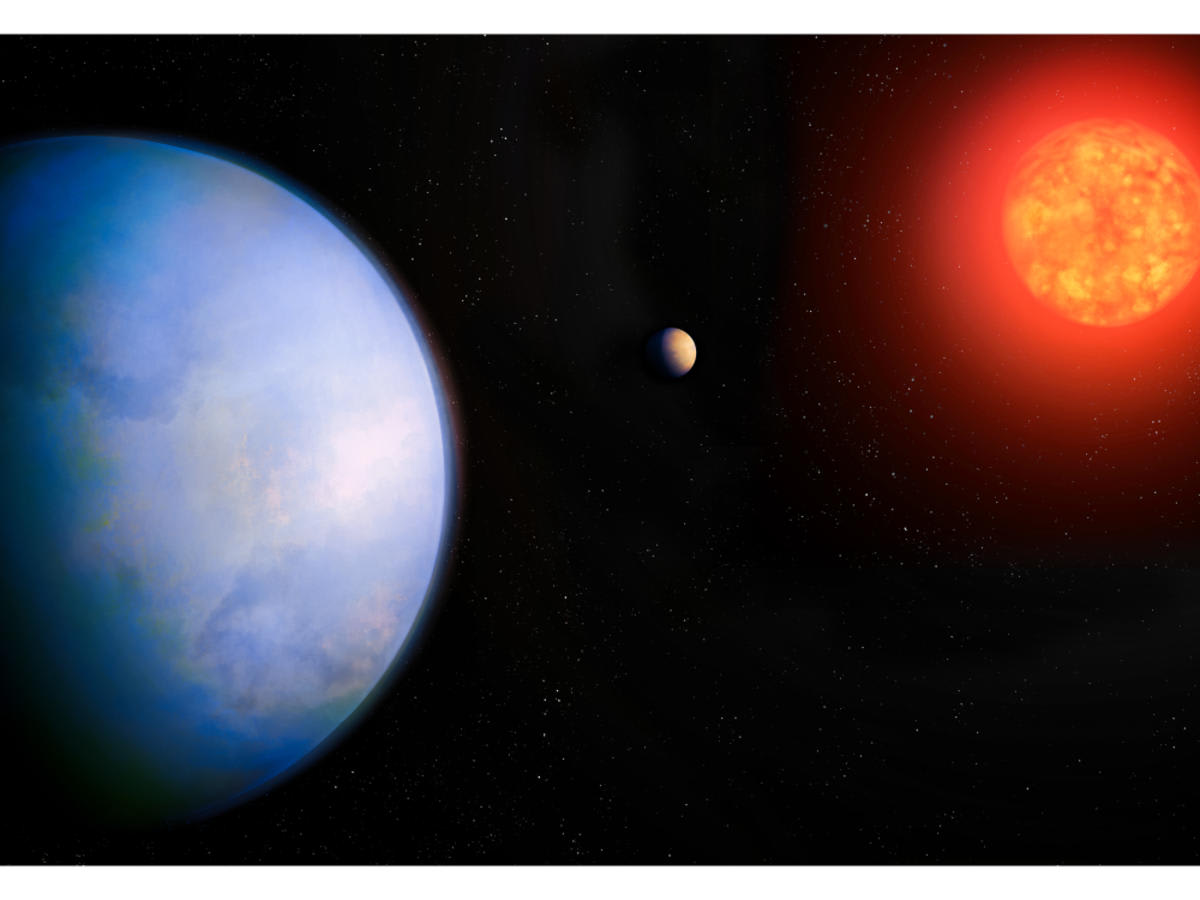
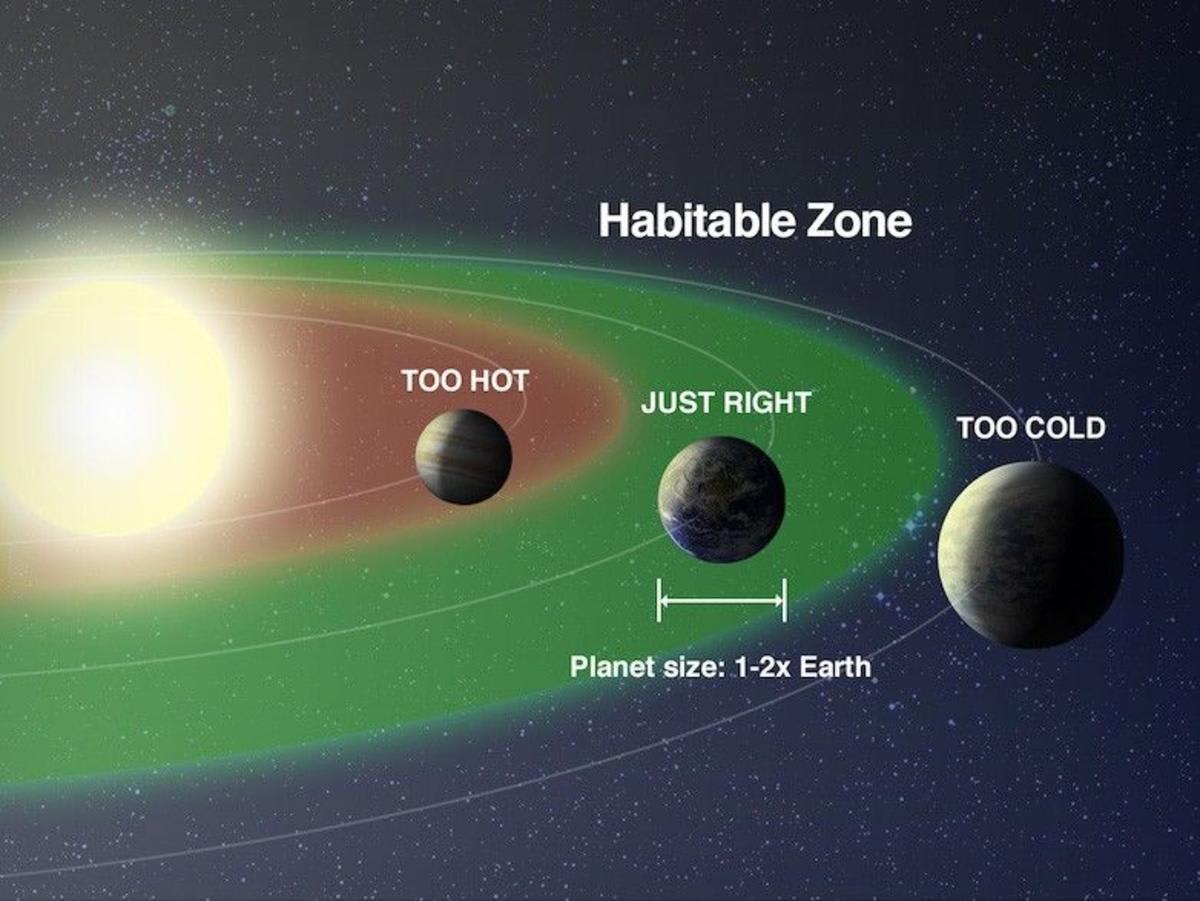
The exoplanet, officially designated GJ 251 c, is estimated to be nearly four times the mass of Earth and is believed to be a rocky world, earning its classification as a super-Earth. Crucially, the planet orbits within the "Goldilocks Zone," the optimal distance from its star where surface temperatures could allow for the existence of liquid water, provided it possesses a suitable atmosphere. "We look for these types of planets because they are our best chance at finding life elsewhere,” stated Suvrath Mahadevan, the Verne M. Willaman Professor of Astronomy at Penn State and a co-author of the study, which was published today in The Astronomical Journal.
The discovery is the culmination of two decades of painstaking astronomical observation, providing one of the most promising near-term targets for atmospheric analysis. The team identified the exoplanet using data from the Habitable-Zone Planet Finder (HPF), a sophisticated, near-infrared spectrograph designed and built by Penn State researchers. The HPF is mounted on the Hobby-Eberly Telescope at the McDonald Observatory in Texas.

Researchers focused on measuring the subtle gravitational influence of the planet on its host star, GJ 251. This influence causes a minuscule "wobble," detected through slight Doppler shifts in the star’s light. This method required sifting through a massive baseline of observational data collected over 20 years. After refining the measurements of a previously known inner planet, the team combined the historical data with new high-precision readings from the HPF. This combined analysis revealed a strong, second signal indicating a much more massive planet in a 54-day orbit. The finding was further verified using the NEID spectrometer at the Kitt Peak National Observatory.

A primary hurdle in the detection process was distinguishing the planet’s subtle gravitational signal from the star’s intrinsic activity, or "stellar weather." Stellar phenomena, such as starspots, can mimic the periodic motion of an orbiting body. "This is a hard game in terms of trying to beat down stellar activity as well as measuring its subtle signals, teasing out slight signals from what is essentially this frothing, magnetospheric cauldron of a star surface,” Mahadevan explained. The team utilized advanced computational modeling to differentiate the true planetary signal from stellar noise by analyzing how the light varied across different wavelengths, as mentioned by the outlet.
The discovery positions GJ 251 c as an ideal candidate for analysis by the next generation of powerful telescopes, specifically the new 30-meter-class ground-based observatories currently in development. “While we can’t yet confirm the presence of an atmosphere or life on GJ 251 c, the planet represents a promising target for future exploration,” Mahadevan concluded. “We made an exciting discovery, but there's still much more to learn about this planet.”
More on Starlust
Alien life on planet K2-18b? Scientists say otherwise after reassessing new James Webb data
Astronomers in search of habitable worlds rule out atmospheric scenarios on exoplanet TRAPPIST-1e