Astronomers in search of habitable worlds rule out atmospheric scenarios on exoplanet TRAPPIST-1e
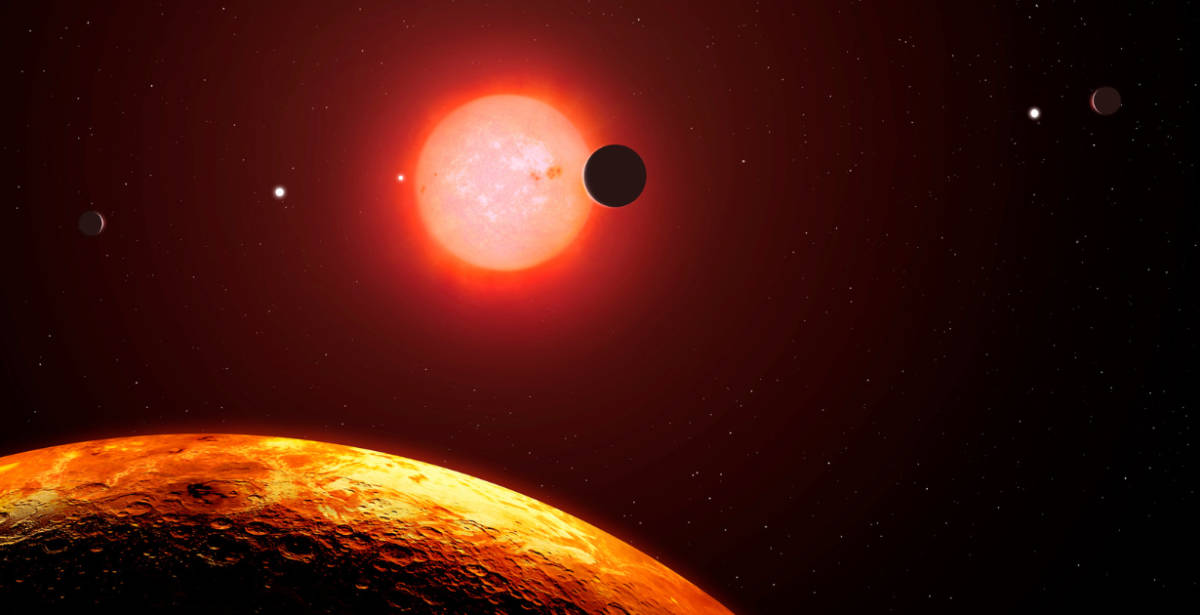
![The Earth-size exoplanet TRAPPIST-1 e, depicted at the lower right, is silhouetted as it passes in front of its flaring host star in this artist’s concept of the TRAPPIST-1 system [Cover Image Source: NASA, ESA, CSA, J. Olmsted (STScI)]](https://d3hedi16gruj5j.cloudfront.net/773309/uploads/847cae90-9209-11f0-afc4-51a6fe831ab5_1200_630.jpeg)
The search for life beyond our solar system has taken a significant step forward as a new study, utilizing data from the James Webb Space Telescope (JWST), has ruled out several atmospheric possibilities for the exoplanet TRAPPIST-1e. This finding moves scientists closer to determining if the planet, which resides in its star’s habitable zone, could support a surface ocean, as per MIT News.
The study, published in The Astrophysical Journal Letters, leverages the advanced capabilities of the JWST to analyze the planet's atmosphere. Researchers, led by a team from MIT, used a technique called transmission spectroscopy, which involves observing starlight as it passes through a planet's atmosphere to identify its molecular composition.
While the data did not definitively confirm the presence of any atmosphere, it did allow scientists to exclude specific types. According to the paper’s lead author, Ana Glidden, the findings are consistent enough to still allow for the possibility of a surface ocean. The research successfully rules out a hydrogen-dominated atmosphere and places strong constraints on secondary atmospheres, which are those formed from volcanic activity or outgassing from the planet's interior. Crucially, the observations suggest that a carbon dioxide-rich atmosphere, similar to those of Mars or Venus, is highly improbable. However, a warmer, nitrogen-rich atmosphere, akin to Saturn’s moon Titan, remains a possibility.
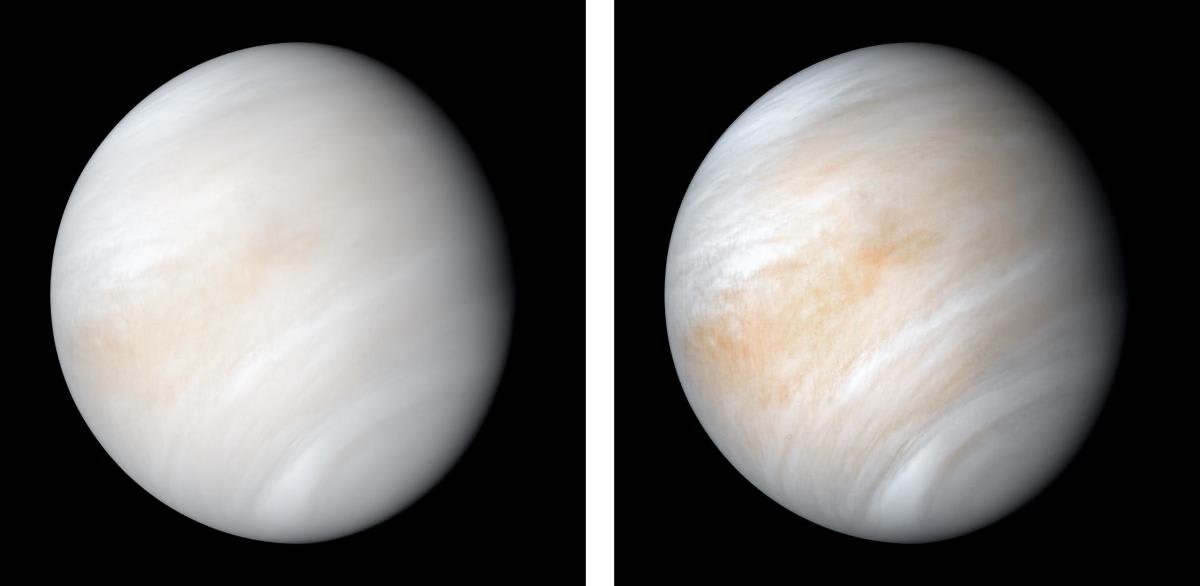
Sara Seager, a co-author and professor at MIT, highlighted the significance of the results, stating, “The evidence pointing away from Venus- and Mars-like atmospheres sharpens our focus on the scenarios still in play.” Future observations with the JWST are already planned and will help to further refine these findings and potentially confirm the presence of an atmosphere on TRAPPIST-1e. Studying an exoplanet's atmosphere involves a sophisticated process called transmission spectroscopy. When a planet crosses in front of its host star, the star's light is filtered through the planet's atmosphere. By analyzing how the light changes at different wavelengths, scientists can identify the "spectral fingerprint" of various molecules present.
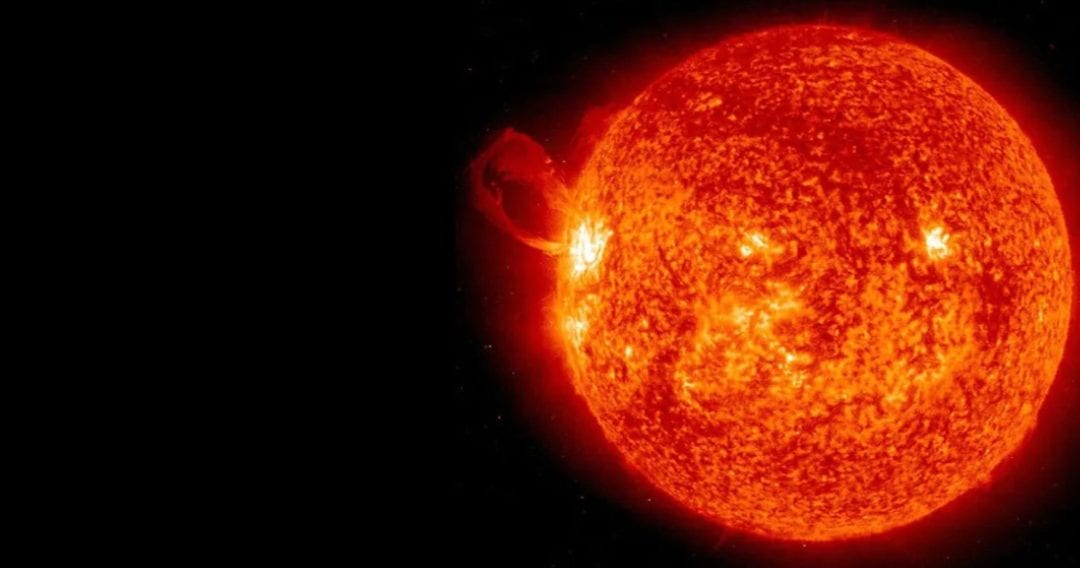
The JWST offers a significant upgrade over its predecessor, the Hubble Space Telescope, with a wider wavelength range and higher resolution. This improved capability allows for the detection of key molecules like carbon dioxide and methane, which are common in our own solar system. However, these advanced observations have also amplified a major obstacle: stellar contamination. Changes in the host star's temperature from phenomena like sunspots and solar flares can mimic atmospheric signals, making it challenging to distinguish between the two. To address this, the researchers developed a new method to filter out the star's influence, as mentioned on MIT News.
By comparing data from multiple visits, they were able to assume that any signals that changed were likely from the star, while consistent signals were more likely from the planet itself. This approach allowed them to test various atmospheric scenarios, leading to the conclusion that a carbon dioxide-rich atmosphere is unlikely for TRAPPIST-1e. While they couldn't confirm the presence of any specific gas, the evidence strongly suggests that Venus- and Mars-like conditions are not present. “With our initial observations, we have showcased the gains made with JWST," Glidden noted. Additionally, ongoing observations are expected to provide further clarity and help scientists narrow down the remaining possibilities for this compelling habitable-zone planet.