Unsettling theories that could change how we see the universe
The mystery of the universe
Our universe is bigger and more massive than anything we can imagine, and there’s still so much we don’t know about it yet. While scientists from around the world have come up with explanations for some of its biggest mysteries, some of their explanations have also raised questions that are surprisingly unsettling.
Here’s a look at some theories about the universe that, if true, could change how we see it.
False vacuum decay: The universe may not end with a bang
When we think of the end of the universe, we often imagine huge explosions and unimaginable destruction over time. But according to this theory, the end could happen suddenly, without any warning at all. And despite how dramatic that sounds, the theory is grounded in the principles of quantum field theory.
Describing this, Ian Moss, Professor of Theoretical Cosmology at Newcastle University’s School of Mathematics, Statistics and Physics, said: “Vacuum decay is thought to play a central role in the creation of space, time and matter in the Big Bang, but until now there has been no experimental test. In particle physics, vacuum decay of the Higgs boson would alter the laws of physics, producing what has been described as the ‘ultimate ecological catastrophe’.”
Multiverse theory: Our every choice creates another reality
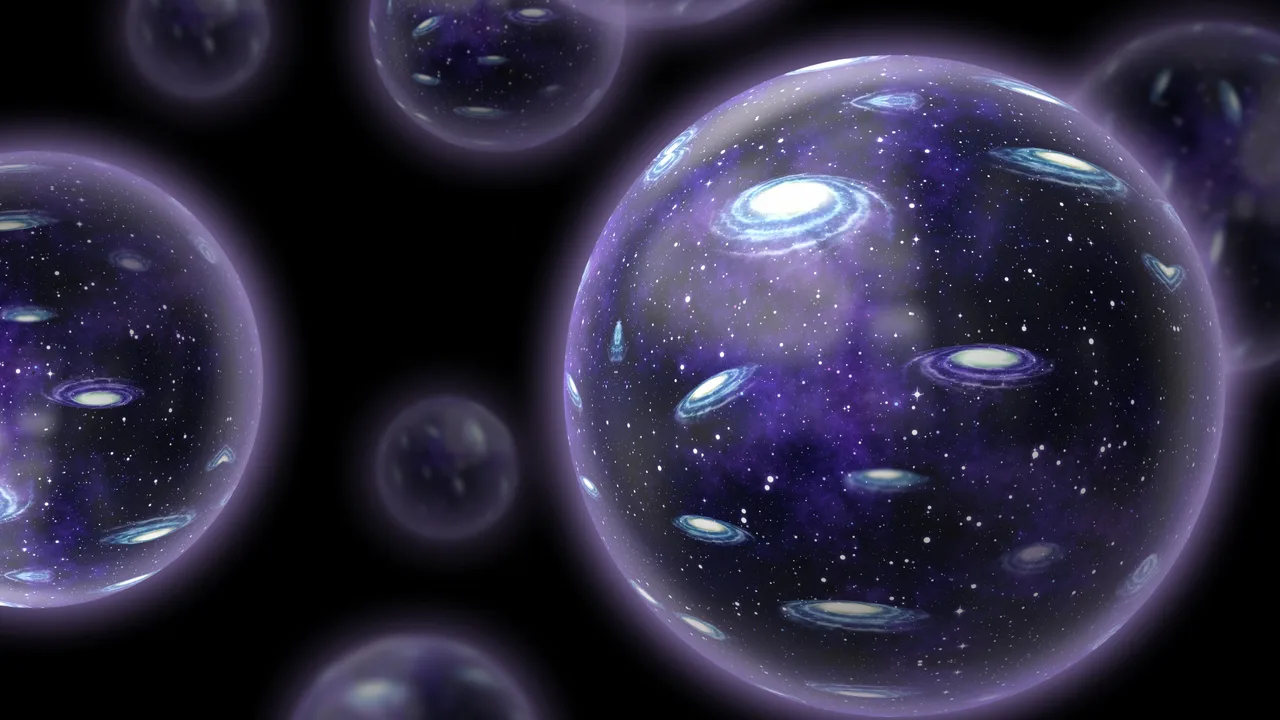
The universe is known to have billions of galaxies and countless stars, and our planet is the only known to have life. But what if that’s not really true? The multiverse theory says that our universe could be just one of potentially many universes out there.
And some versions of the idea also state that every choice we make creates a new reality, and this in turn creates parallel timelines.
Dark forest hypothesis: What if aliens are hiding from us?
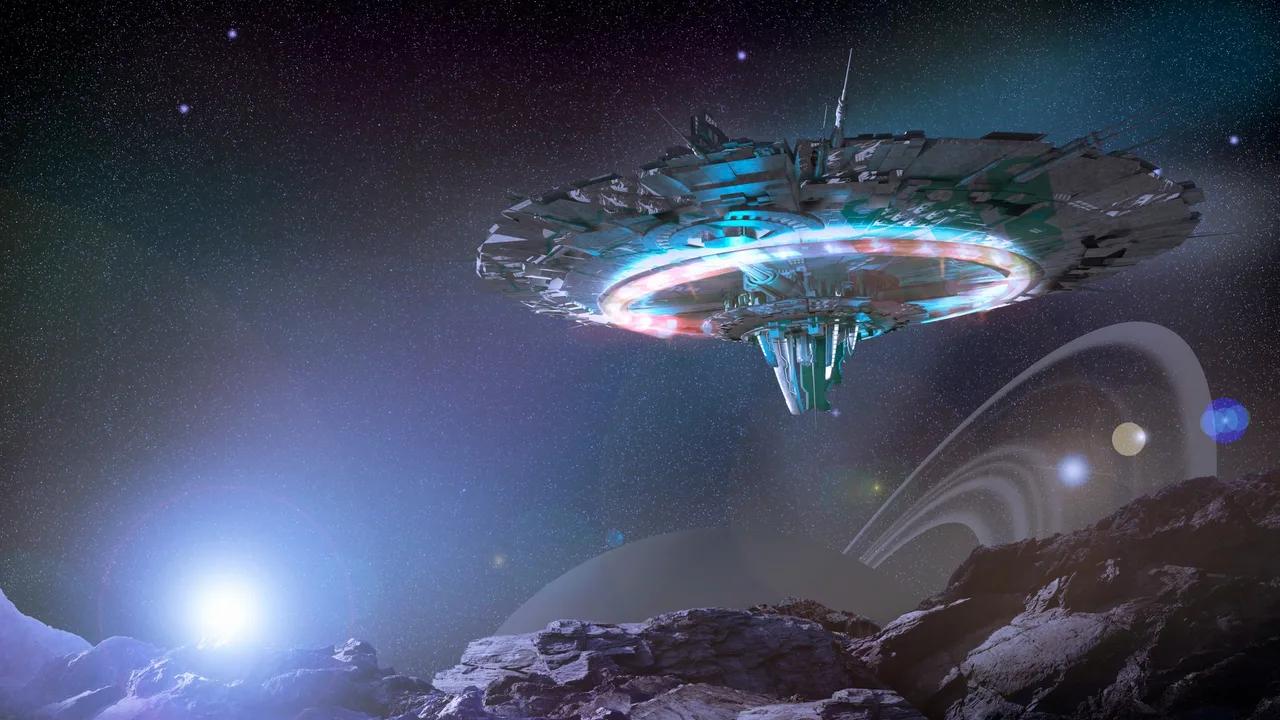
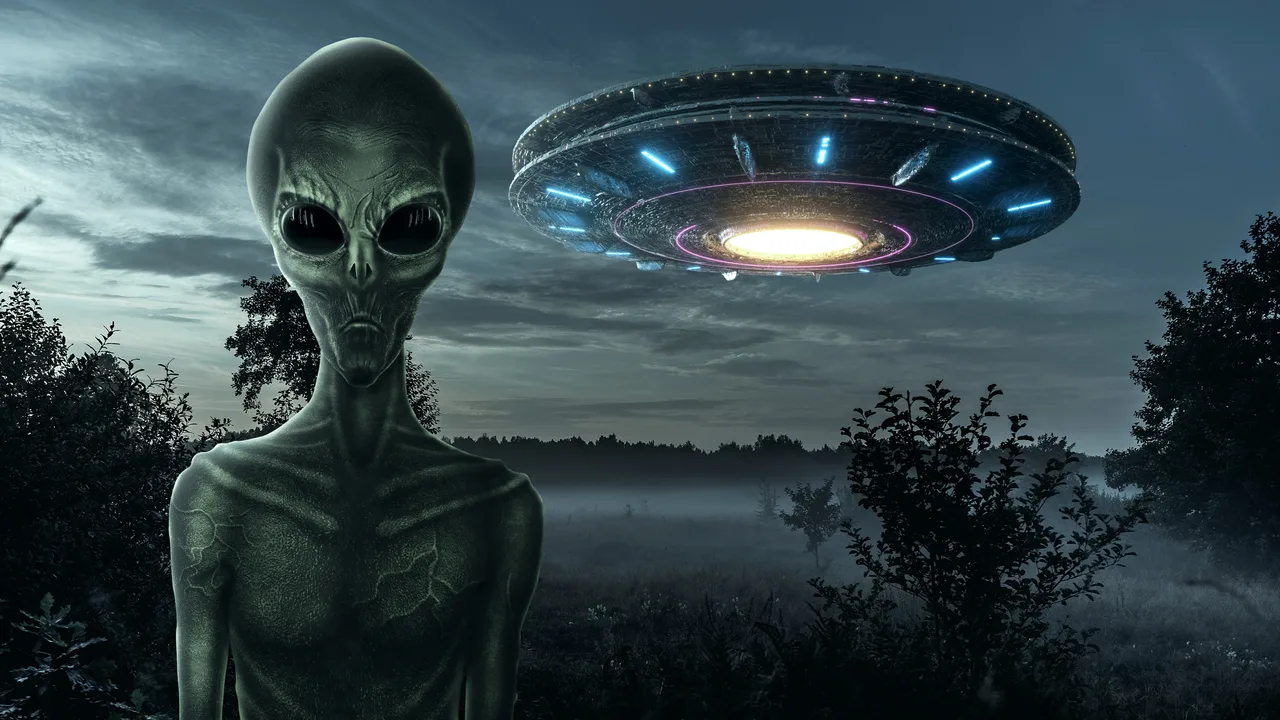
As Arthur C. Clarke once said, “Two possibilities exist: either we are alone in the Universe or we are not. Both are equally terrifying.” This theory suggests that they do exist, but they’re simply hiding out there. And this is because they fear that other hostile civilizations might destroy them.
Or, these civilizations could be the ‘hunters’ themselves, and when they find another civilization, they attack and destroy them. If this theory is actually true, it could mean that finding alien life might become one of humanity’s biggest mistakes.
Berserker probe hypothesis: Something may be hunting life
This theory adds to the Dark Forest theory and says that the reason we have not yet found any alien life in our universe is that something out there has already destroyed it. The idea is that at some point in the future, advanced civilizations might create self-replicating probes that would eliminate any other species that could become a threat.
Explaining this, Glen David Brin, an astrophysicist, science fiction author, and NASA consultant, said, "Let us say many advanced ETIS get the robot-emissary idea and ship out first-generation probes as Tipler suggests, to replicate and fill the void with messages of brotherhood. Then suppose that for every 100 or 1000 or 10,000 "sane" ETIS, there is one that is xenophobic, paranoid even.” He added that this would cause it to self-replicate and then destroy any unrecognized source of life.
Panspermia: What if our ancestors weren’t from Earth?
We know life existed on Earth billions of years ago, but how did it actually get here? Scientists still do not have an answer to this, but the panspermia hypothesis proposes one possible solution. It says that life may not have originated on Earth at all. Instead, it could have originated somewhere else in the universe and eventually reached our planet through comets or other space rocks.
And if this hypothesis is true, it could mean that life on Earth has an extraterrestrial origin.