SpaceX shares stunning new photos of Flight 14, Starship’s debut orbital mission
Starship's debut orbital mission
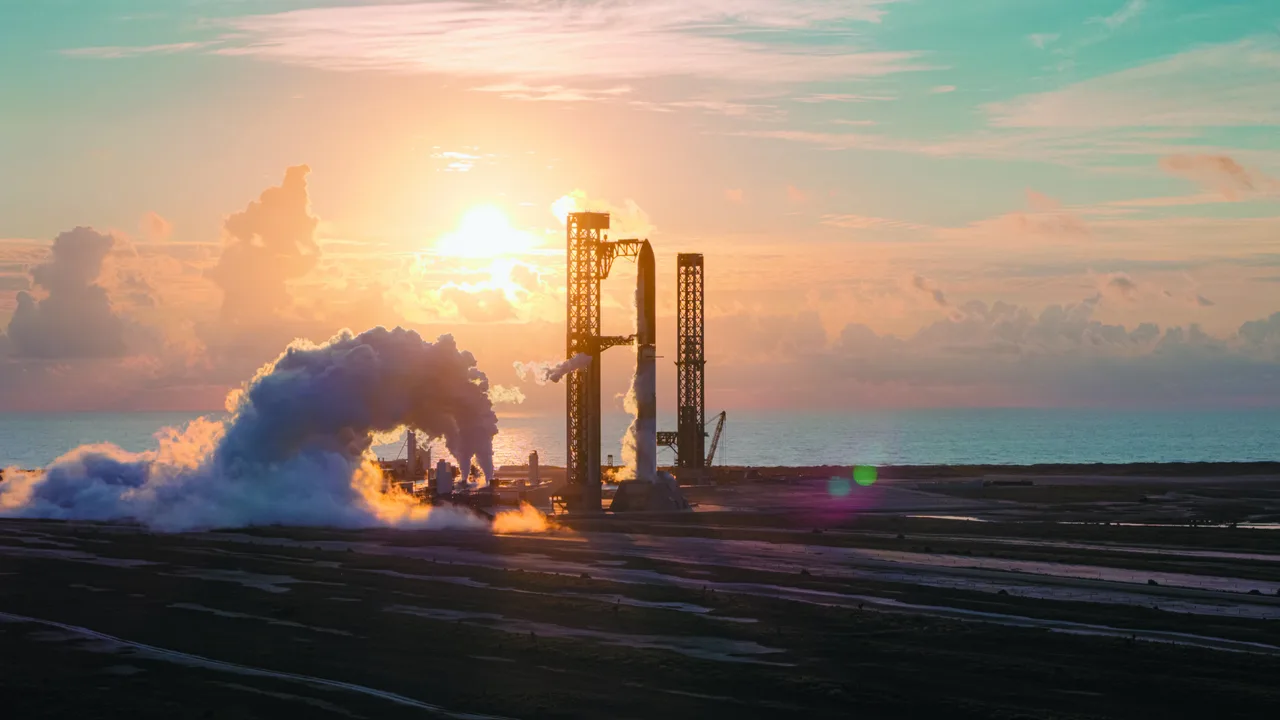
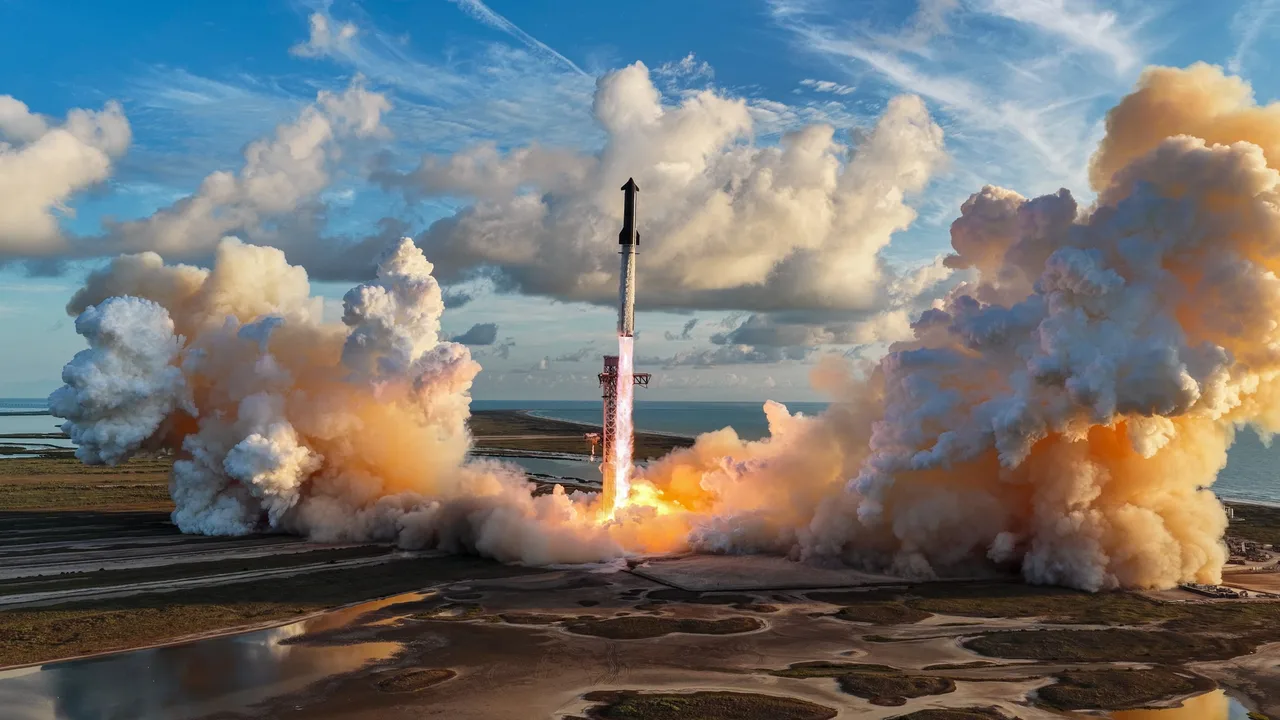
Starship's 14th integrated flight is behind us, and it was a memorable one. The megarocket launched on September 28 from SpaceX's launch site in Starbase, Texas. in its first orbital mission. This picture above shows Starship at the launch pad while it was being filled with approximately 12 million pounds of liquid oxygen and liquid methane.
Starship bound for low-Earth orbit
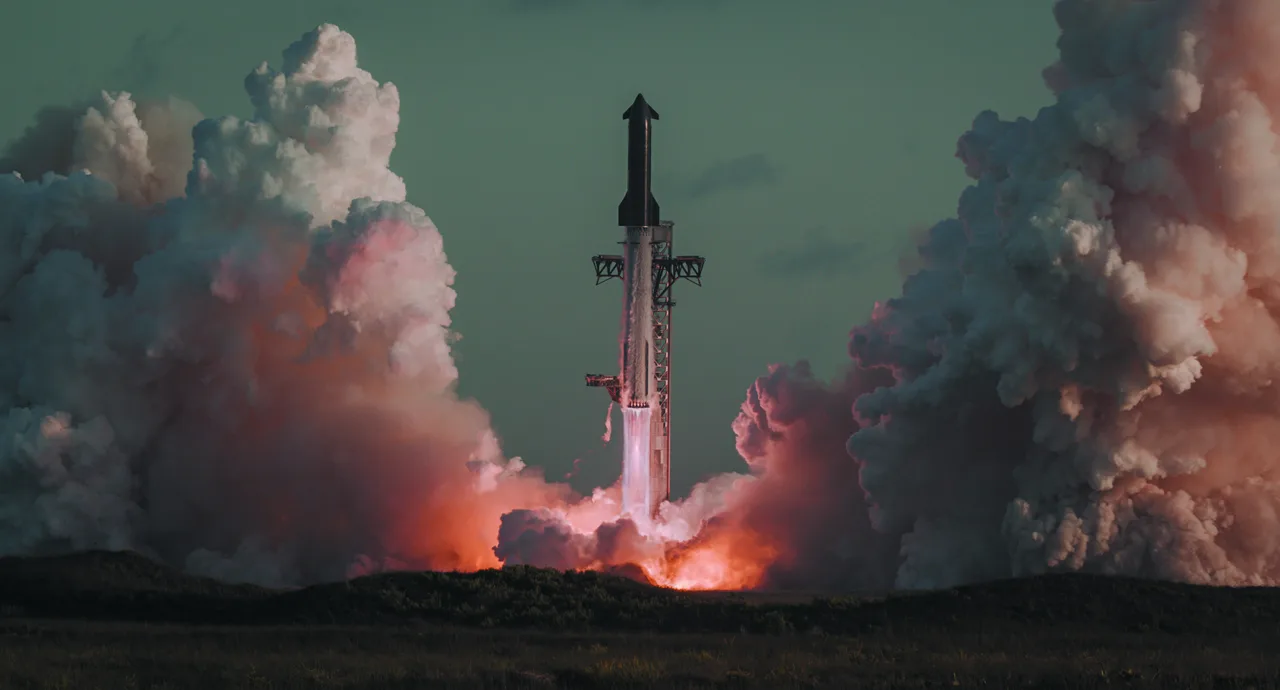
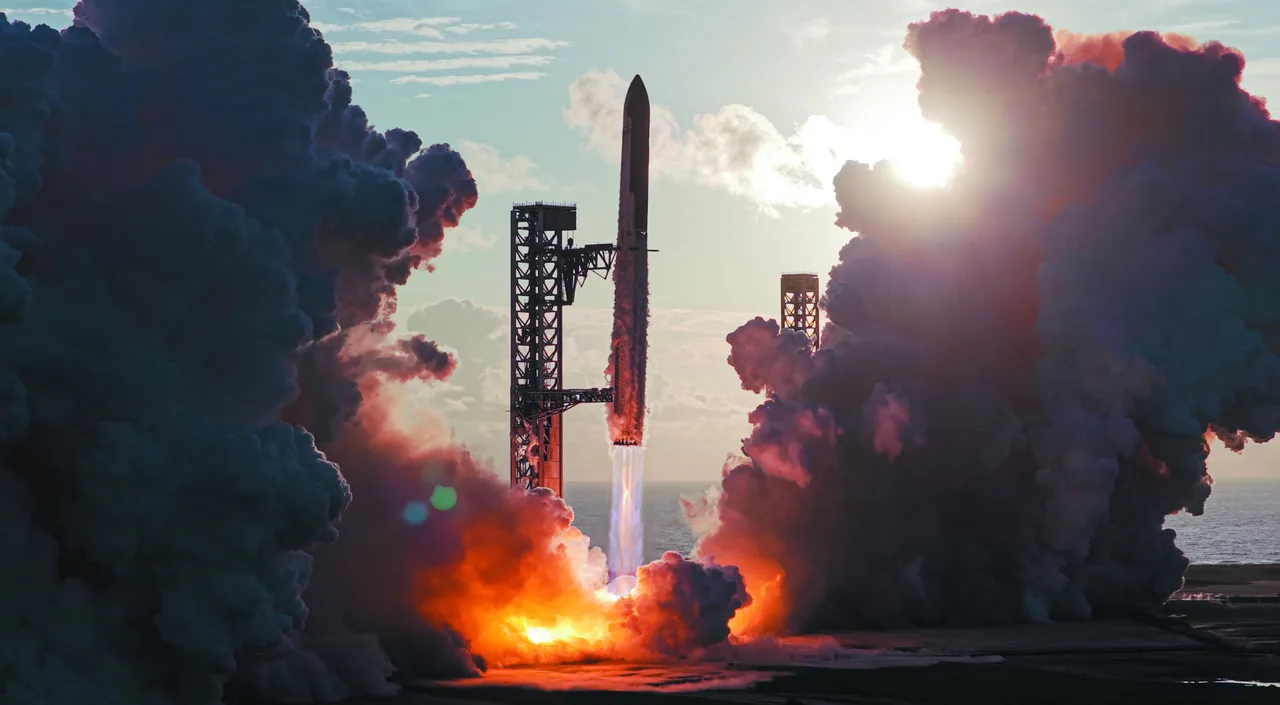
At 7:48 am CDT, Starship roared to life as the 33 Raptor engines on the Super Heavy booster ignited for liftoff. Generating over 18 million pounds of thrust, the booster pushed the rocket above ground and separated from the upper stage a couple of minutes into the mission.
This was the first time Starship had launched with a meaningful payload—26 Starlink V3 satellites that were to be deployed in low Earth orbit.
Starship runs into trouble
While the rocket cleared the pad with ease, one of its booster engines shut down early during ascent. The remaining 32 engines, however, were enough for Starship to reach its planned altitude before it separated from the upper stage, Ship 41. After the successful hot-staging, the booster fell back to Earth for a splashdown in the Gulf of America.
Engine issues resurface on Flight 14
Similar to the previous mission, engine issues on the Super Heavy booster persisted on Flight 14 as well. After stage separation, the booster could only relight 31 of its engines during the boostback burn. Moreover, it only reignited 11 of the planned 13 engines for the landing burn, an essential maneuver for a controlled splashdown in the Gulf of America, which it apparently completed intact. In the post-flight report, SpaceX acknowledged the engine issues but has yet to provide a reason for them.
Upper stage faces trouble but makes it to orbit
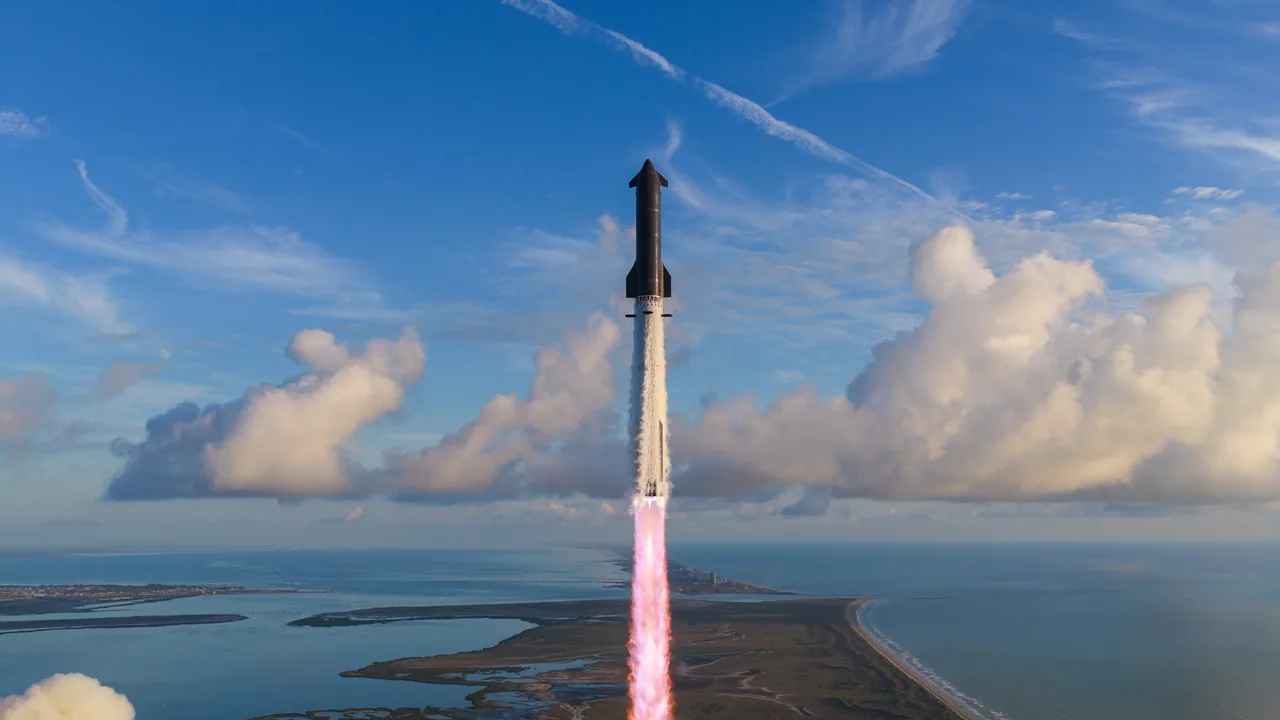
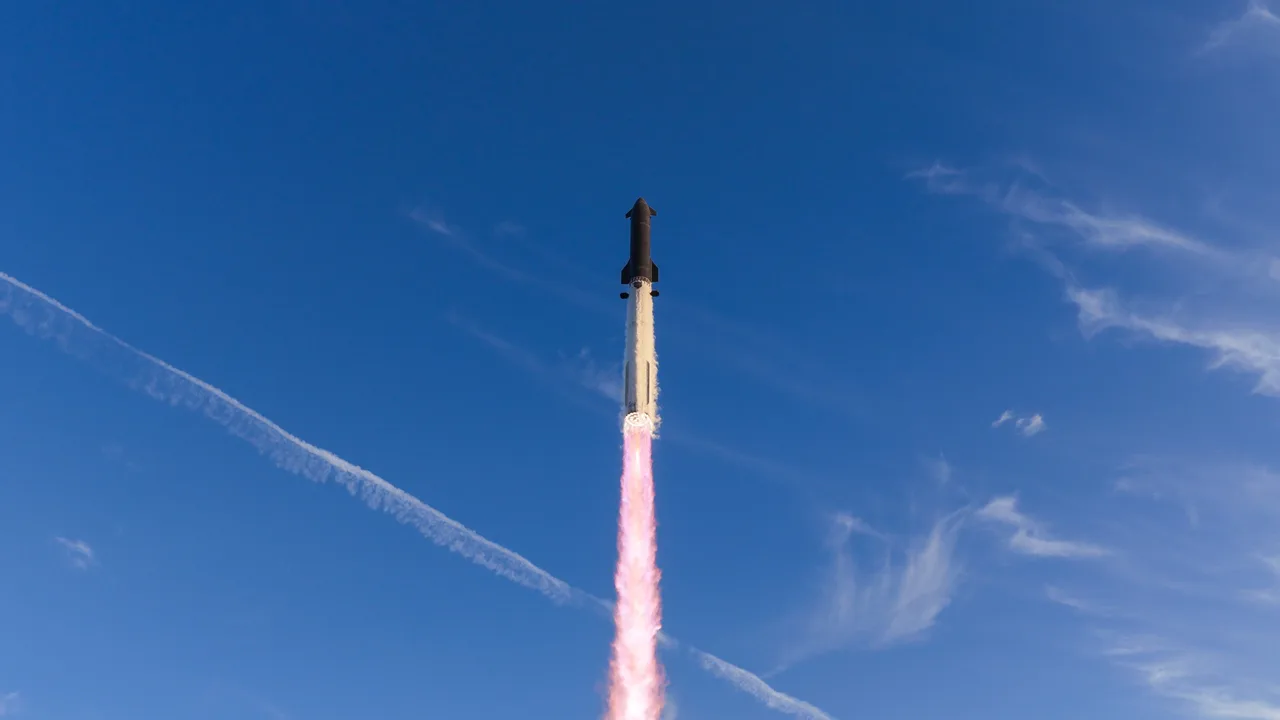
The upper stage of Starship also faced engine issues after separation from the booster. According to SpaceX, a single Raptor vacuum engine shut down early during the ascent burn, so it had to burn its remaining five engines for longer than planned to achieve a passively safe suborbital trajectory. After a few minutes, when flight controllers gave a go-ahead following a systems health check, the Ship reignited a single engine to perform an orbit insertion burn and entered low Earth orbit for the first time.
Starship Flight 14 meets premature end
The upper stage, Ship 41, was planned to make six orbits of Earth after booster separation in a mission which would have lasted 10 hours. However, SpaceX decided to end the mission just three hours after Ship 41 entered orbit. Prior to the deorbit burn, which diverted it on a splashdown trajectory, Ship 41 successfully deployed all 26 Starlink V3 satellites, which went online shortly after their deployment.
The upper stage then performed its first-ever deorbit burn using a single Raptor engine, which set it on a course for atmospheric reentry and descent to the intended splashdown point. As it descended into the northern Pacific Ocean, the Ship burst into a giant fireball, marking the conclusion of the mission.