Scientists were tracking mysterious flashes from space—they may have finally found the origin
The mystery behind the flashes
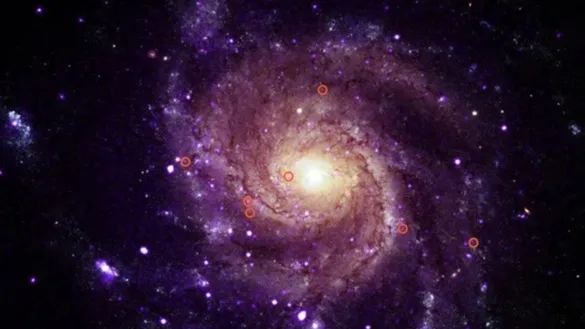
After the launch of the Einstein Probe satellite in 2024, astronomers have discovered hundreds of bright X-ray flashes coming from distant galaxies. These events are known as fast X-ray transients. Some are linked to the death of massive stars, but many still remain unsolved.
Now, researchers say they have traced these mysterious flashes back to their source. Here's what the new study suggests.
A strange flash that lasted nearly 10 minutes
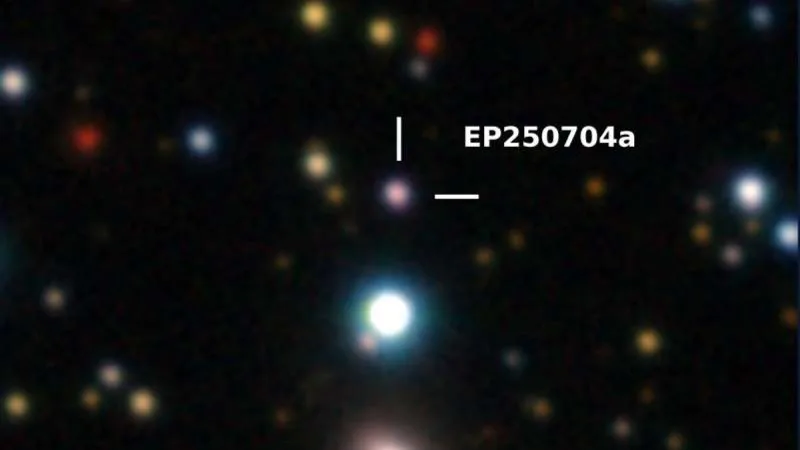
On July 4, 2025, the SVOM, Insight-HXMT and Einstein Probe satellites detected an event known as EP250704a/GRB 250704B. Its gamma-ray burst lasted for about half a second, but the Einstein Probe recorded bright X-ray light for nearly 10 minutes.
Niccolò Passaleva, who led follow-up observations, said, "This is the longest-lasting prompt X-ray flash ever observed from a neutron star merger. It is an opportunity to have a front-row seat to the most extreme forces of the universe and discover more of its secrets."
But these collisions are usually brief
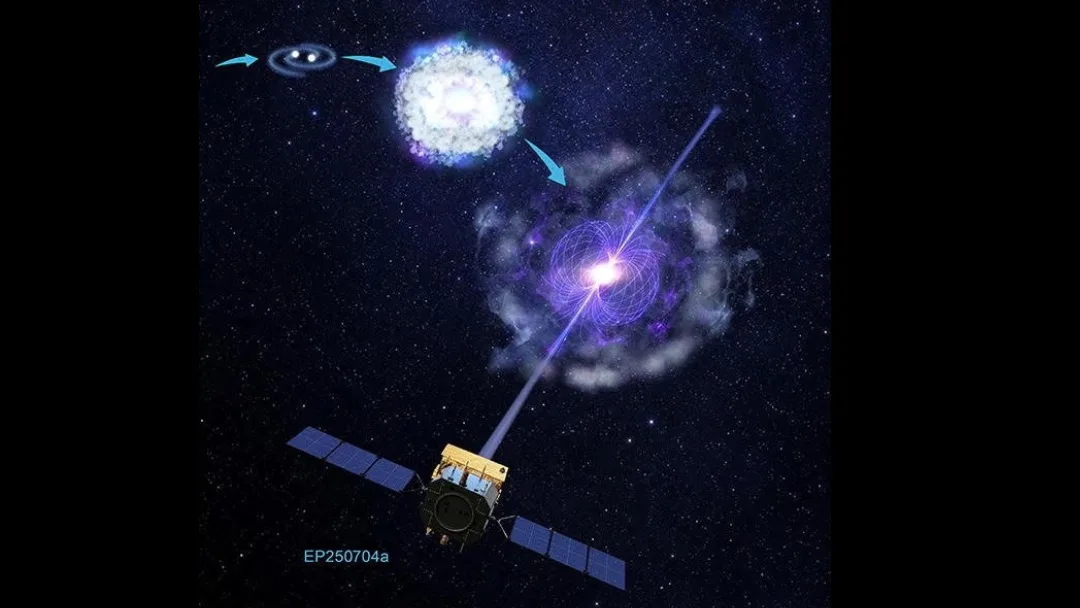
Neutron stars are the ultradense remains of massive stars that have reached the end of their lives. When two of them collide, they send gravitational waves rippling through space, and the light from the crash offers a glimpse of what's left behind.
For decades, astronomers have spotted these collisions through short bursts of gamma rays, which can disappear in less than two seconds.
So why did this flash last for so long?
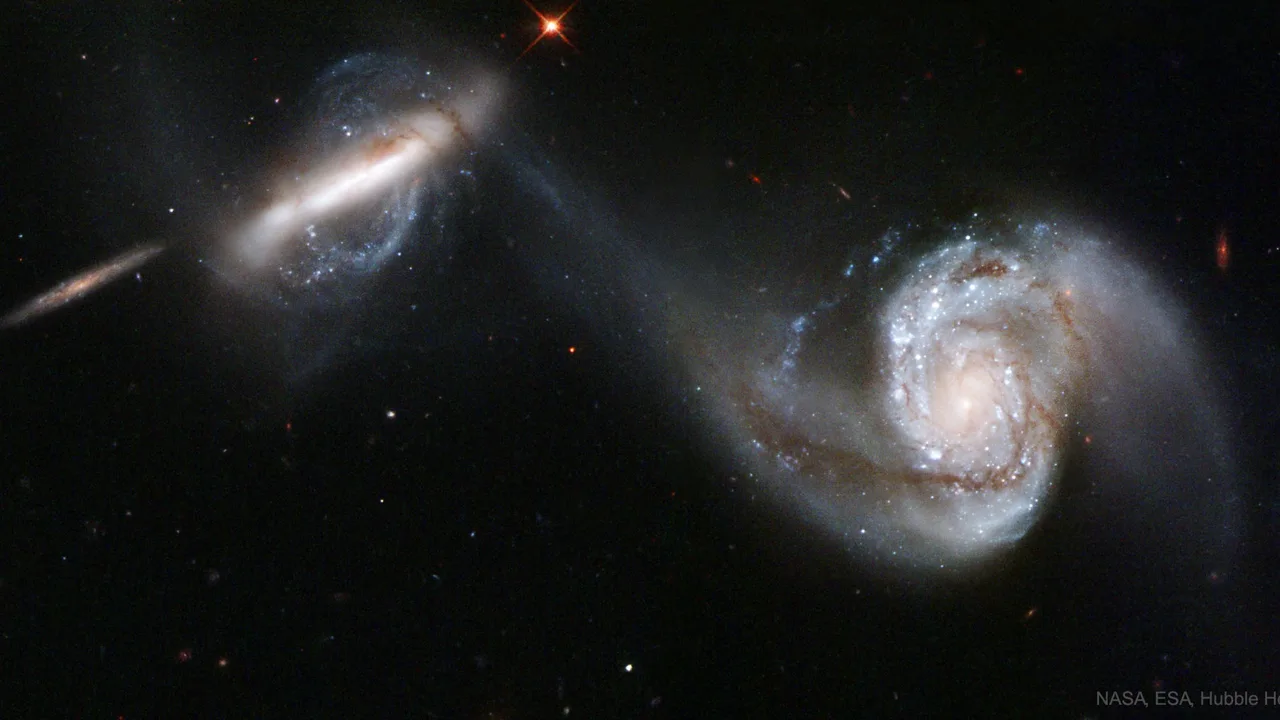
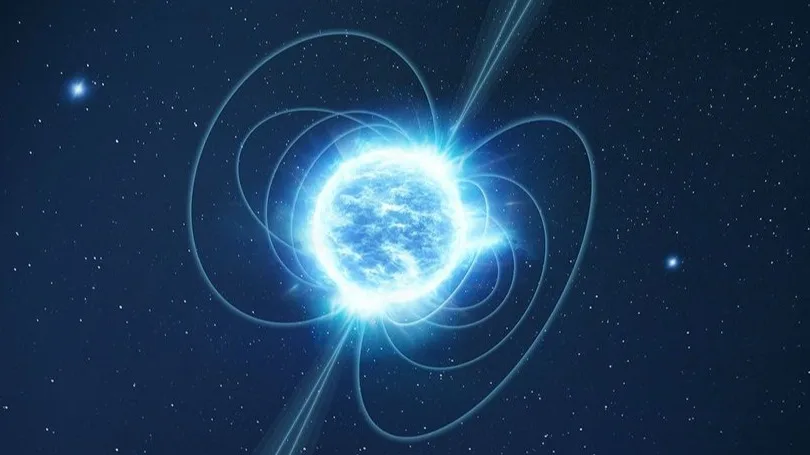
One possible reason for this involves the collision's leftovers. Eleonora Troja, a professor whose research group made key observations of the flash, said, "However, if the remnant of the collision is a magnetar, it could keep bursting for longer."
She added, "Magnetars are rapidly spinning neutron stars with huge magnetic fields. When they dump their magnetic power into the surroundings, they can make any explosion brighter and longer-lasting. When I saw the X-ray data from this new event, I realized something was up." The study has now been published in Science Bulletin.
A merger may explain the flash
Using the Very Large Telescope's X-Shooter instrument, scientists found that the burst happened long before our Sun and planets were formed. Deep images showed no bright supernova, which would be expected to accompany a long-lasting X-ray flash caused by a collapsing massive star. The clues pointed to a neutron star merger instead.
Passaleva said, "Finding more of these X-ray flashes could help reveal how often neutron star mergers create magnetars. I am really excited for the next run of gravitational wave observations, when we could finally pair one of these X-ray flashes with a burst of gravitational waves from the same source."