A former NASA scientist says he's found a way to beat gravity. Here's how
Could we beat Earth’s gravity?
When it comes to sending rockets to space, gravity plays a very big part, as they have to overcome Earth’s gravitational pull to get into orbit. This is why rockets shoot hot gases out of their engines at high speed to create the thrust they need to lift off. Rockets also don’t simply fly straight up into space. They have to gradually change direction to build the speed needed to get into orbit.
Now, a former NASA engineer has proposed a possible way to beat Earth’s gravity and make it easier to get into space. If that’s true, it could change how spaceflight works altogether. Here’s what he says.
The "impossible drive" that started it all
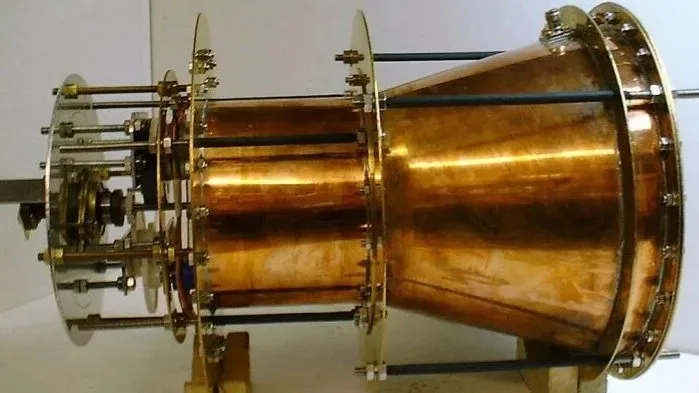
In 2001, a British engineer named Roger Shawyer launched something called the EmDrive, which was nicknamed the ‘impossible drive.’ He shared that it could create thrust without carrying any propellant. But, as per physics, you can’t move forward without pushing something backward.
Then in 2016, the Eagleworks team at NASA also detected a bit of thrust from a test version. But in 2021, a study at Germany's Dresden University of Technology noted that there was no thrust at all.
A NASA veteran picks up where the EmDrive left off
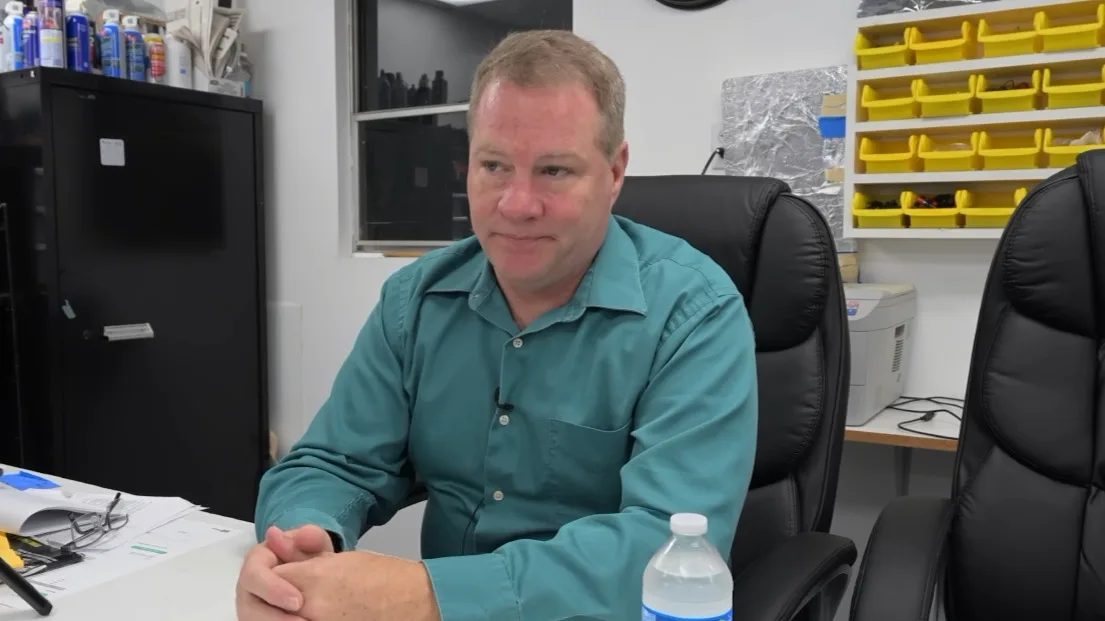
Soon after, Charles Buhler, who once helped set up NASA's Electrostatics and Surface Physics Laboratory at Kennedy Space Center, started his own company called Exodus Propulsion Technologies. According to him, the force comes entirely from electric fields.
This force is strong enough to push against gravity itself, with no exhaust or moving parts involved. He told The Debrief, "The most important message to convey to the public is that a major discovery occurred."
But how is this "New Force" supposed to work?
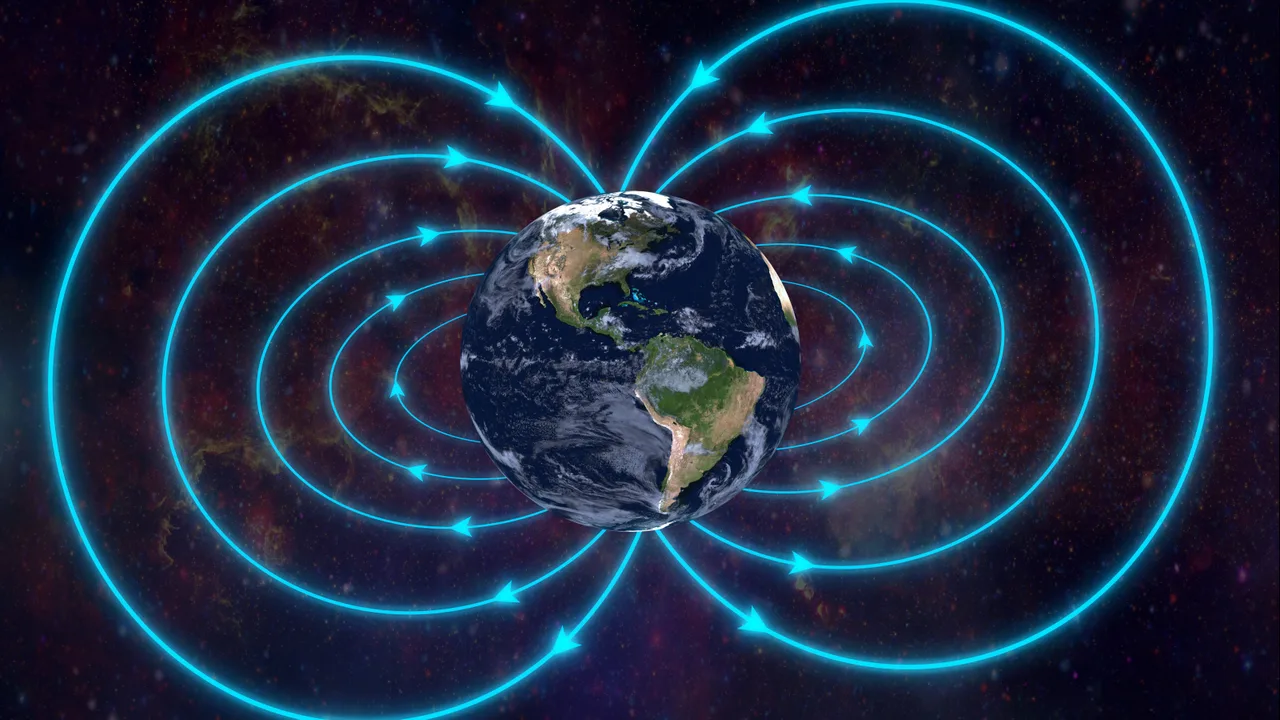
According to Buhler, “This discovery of a New Force is fundamental in that electric fields alone can generate a sustainable force onto an object and allow center-of-mass translation of said object without expelling mass.”
He added that if we build an object with an electric field that's stronger on one side than the other, that lopsided field can supposedly shove the object forward on its own, no fuel or exhaust needed. If that’s true, it could overcome gravity itself.
But how true is this?
So far, there’s no independent confirmation of the results. As of May 2026, no outside lab has successfully repeated the test with the same outcome. Even APEC has said that the lack of replication remains an open issue for the concept.
In the past as well, many "impossible drive" claims have fallen as outside labs were unable to test and prove them. Hence, for now, this could be well described as an “improbable engine.”