Unexplained lights keep appearing in this Norwegian valley. Is it a UFO or something else?
The mystery behind the unexplained lights
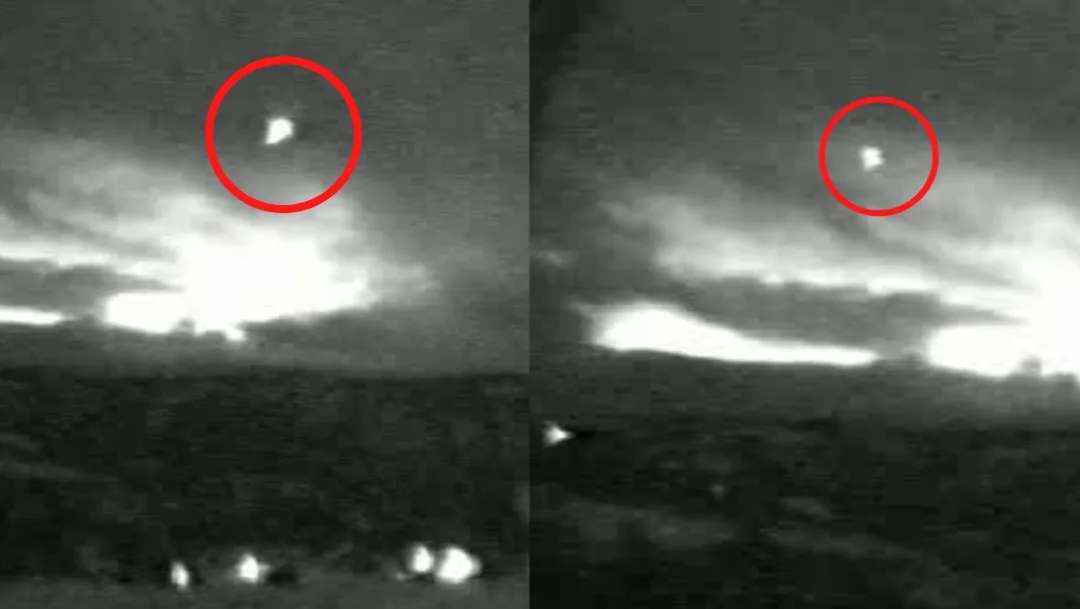
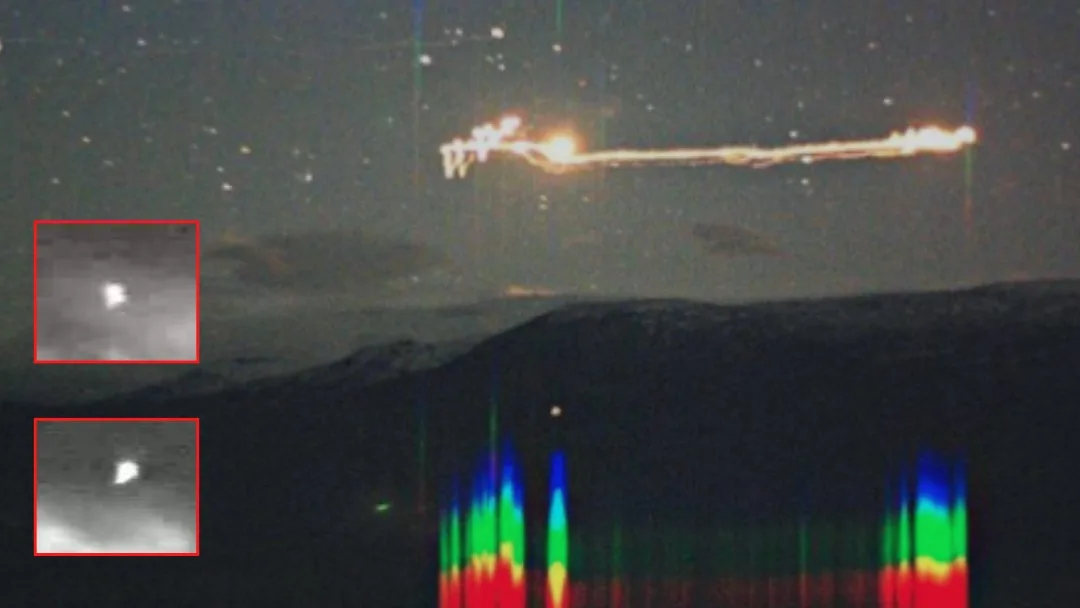
In the 1980s, residents of Hessdalen, which is a small valley in central Norway, started seeing strange and unexplained lights at many spots around the valley. The phenomenon was so strange that no one could explain it. To study them up close, Project Hessdalen was launched in 1983.
Even now, researchers are still trying to understand what they are. Here's a look at the project and what scientists say about the eerie lights of Norway’s Hessdalen valley.
It started long before the 1980s
Residents of Hessdalen grew alarmed after they saw odd lights (called the Hessdalen Lights) appear at many spots around the valley in 1981. At that time, hundreds of such lights were observed, and at peak, people filed about 20 reports a week.
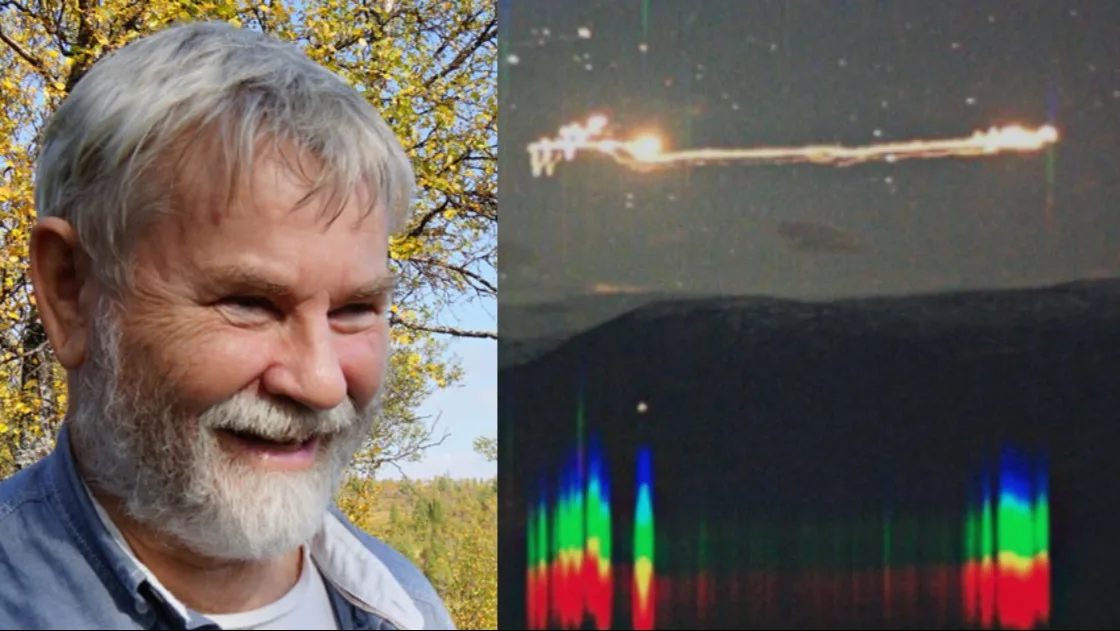
According to Erling Strand, who’s the co-founder and longtime manager of Project Hessdalen, these lights were visible even before that. Strand noted in an interview with History, "Actually, it's not correct to say [it] started [in the 1980s] because we have found in 1900, five stories, in 1800, a couple of stories." He added that local history writing mentions something even before 1800.
Erling Strand also saw the lights firsthand
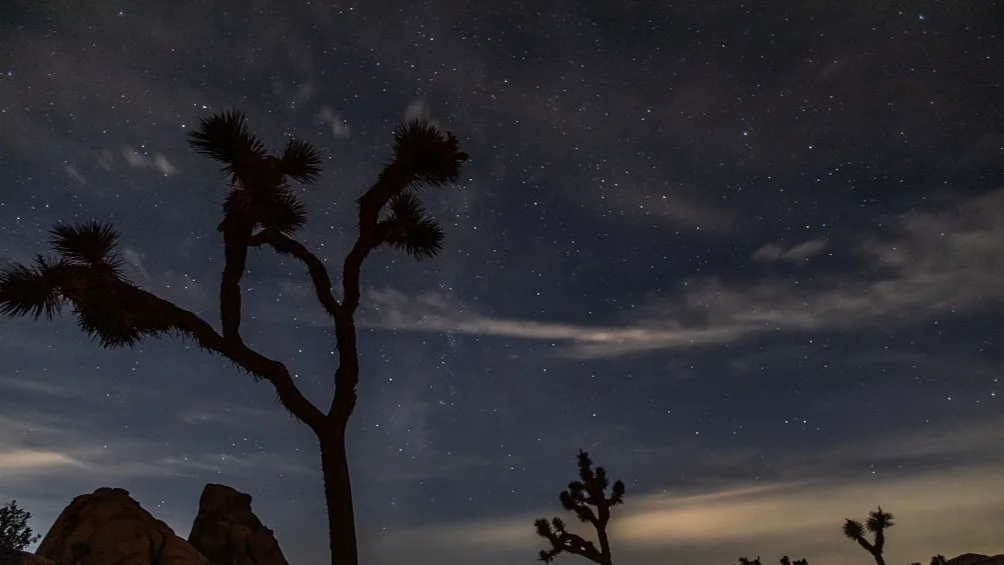
Strand first visited the valley in September 1982. Remembering his first sighting, he added, “And I was standing out in the mountain together with some friends, and we saw this huge light in the mountain side, and then I knew there was a real phenomenon." Soon after, he laid the foundation of Project Hessdalen in the summer of 1983.
Hessdalen lights don’t behave like ordinary lights
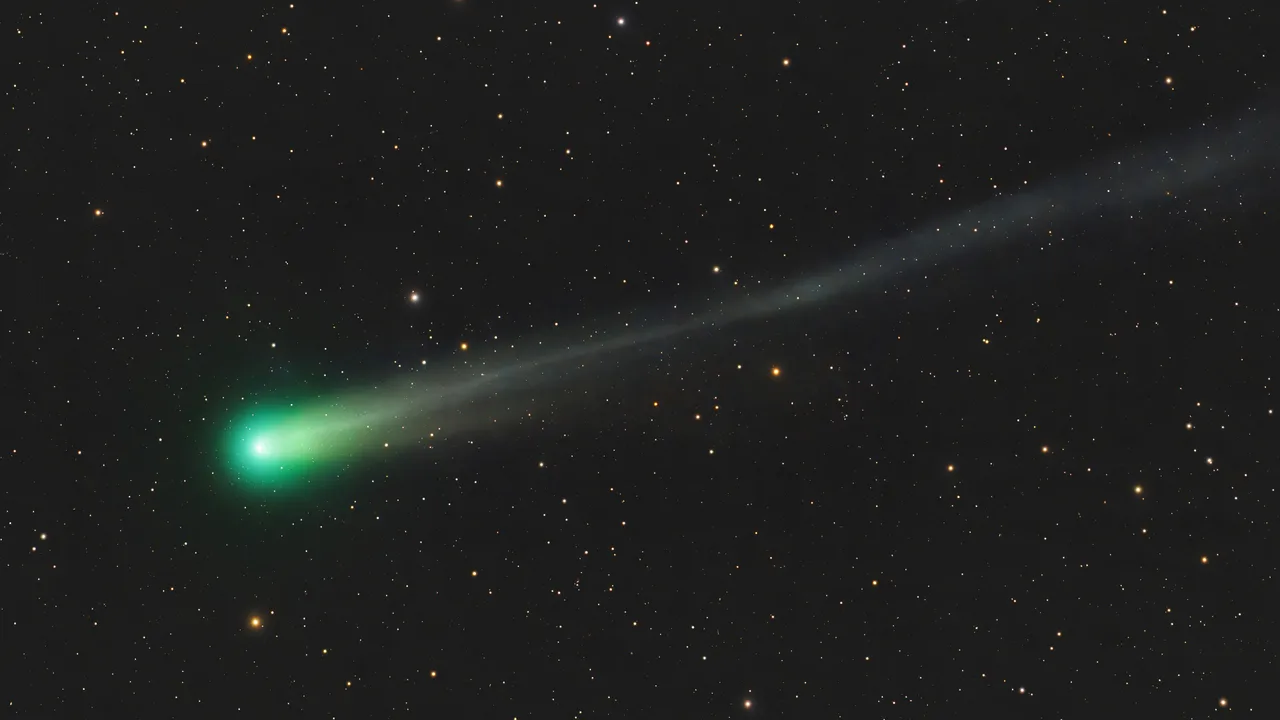
Strand noted that there were different types of light. "Some lights, you see a big flash, and then it's gone," he added. The others are balls of light that can hold still for minutes, and then they drift slowly or move very fast. These lights do not make any sound.
In early 1984, the project ran a field investigation with radar, cameras, a seismograph (which records ground vibrations), a Geiger counter (which detects radiation), and other instruments. Team members made 53 light observations, and the effort showed for the first time that the phenomenon can be measured. But still, it stays elusive.
So what’s causing the strange lights in Norway?
As of now, scientists do not have a settled answer to this. One theory cited in the survey compares the lights to ball lightning. It states that a change in the air by an outside cause, possibly stress in the Earth's crust, might interact with water and form a hot ball of plasma (a superheated, electrically charged gas) wrapped in a cooler coat.
Strand also describes a natural battery theory based on copper in the eastern mountains and iron in the western ones. But in this case, that battery would produce only about one volt, which he says is too little. He concluded, "When you have studied so much, and you haven't found any answer which lies inside ordinary known physics, it must be something new."