NASA lost the original Apollo 11 moon landing tapes, and here's how it happened
The mystery of the missing Moon landing tapes
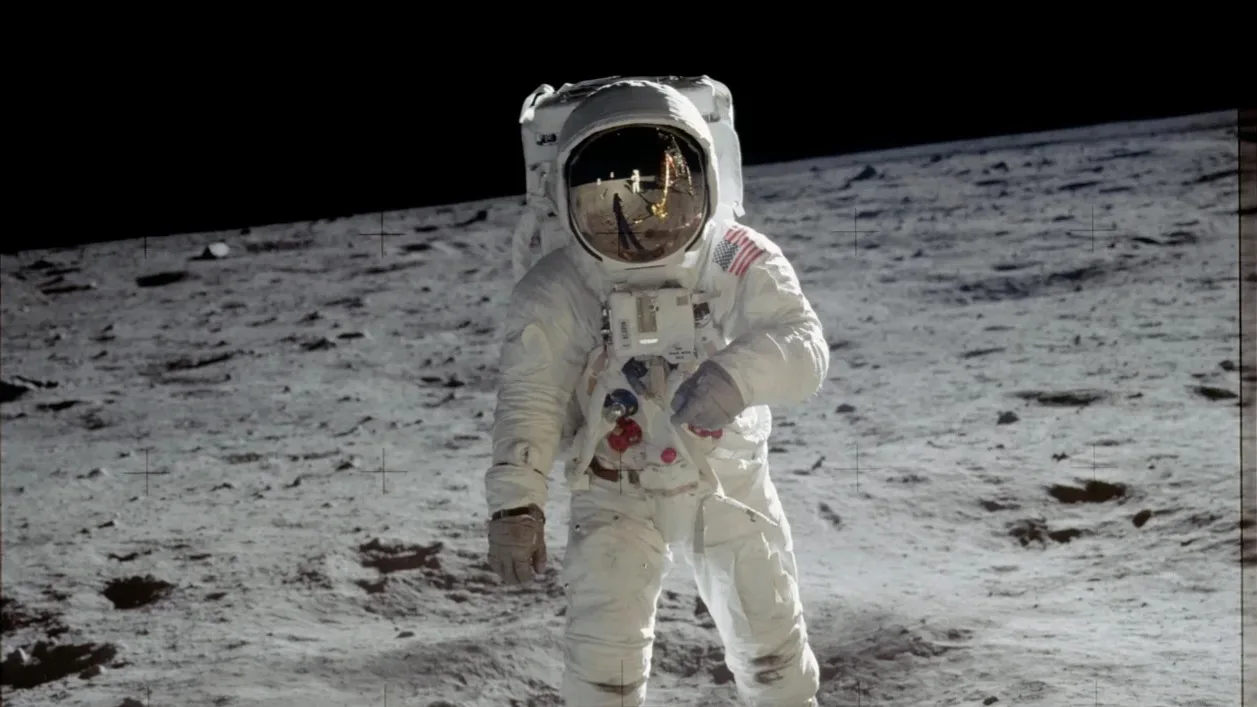
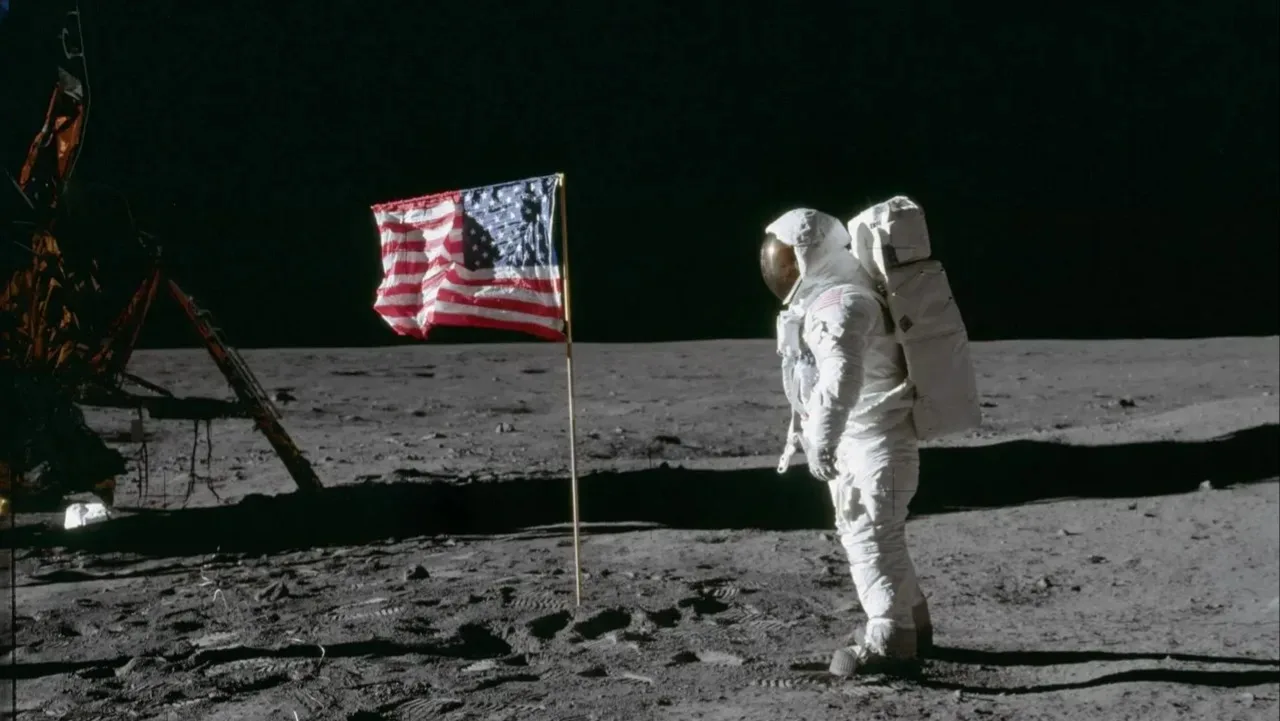
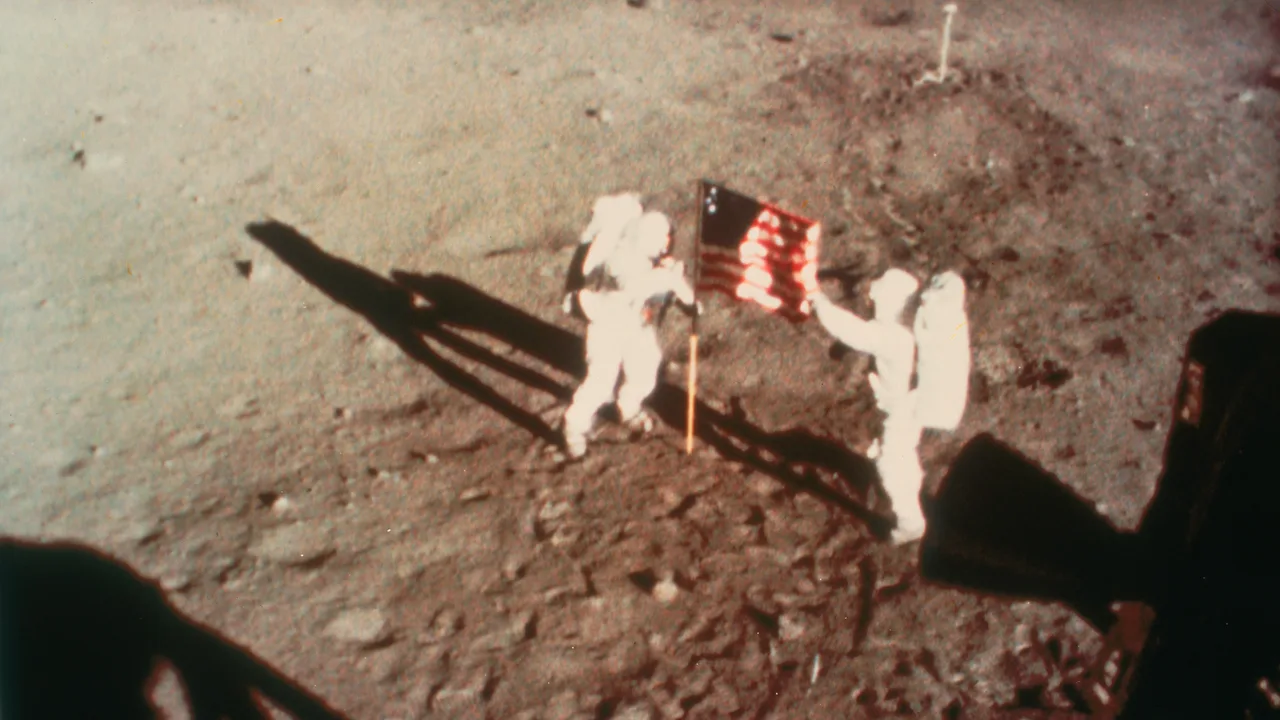
On July 20, 1969, Neil Armstrong climbed down from the Apollo 11 lunar module and gave us one of the most famous speeches of the 20th century. He was the first person to step on the Moon, and this event was streamed live to about 650 million people around the world.
While the quality of the picture at that time was somewhat lacking, it was a significant event in the history of space exploration. NASA had also recorded the landing on its own tapes. But somehow, those original tapes were later lost. Here’s how that happened.
NASA engineers saw a sharper Moon than the public did
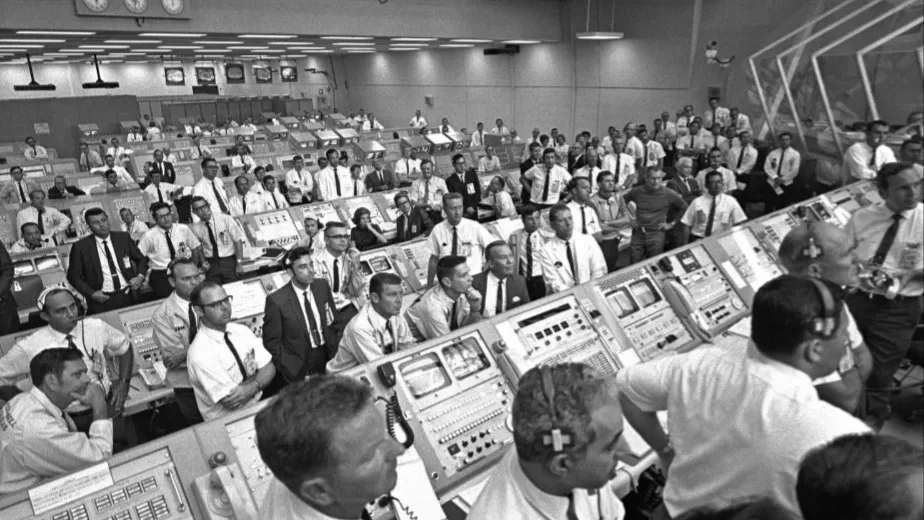
At that time, engineers at NASA’s tracking stations in California and Australia watched the raw video arrive on special monitors. They were able to see clear, crisp images of the moon landing.
As per NASA, "What most people did not realize, however, is that the television footage they viewed was actually inferior to what ground station engineers saw as the raw footage arrived from the moon 250,000 miles away."
But getting it live came at a cost
In order to broadcast the Moon walk live to viewers, NASA had to rely on scan-conversion technology, which was the only way to do it at the time. But with this, the picture quality went down.
As per NASA, "Although NASA engineers knew that the scan converter would degrade the original picture quality, they viewed it as an engineering trade-off." During space history's most significant moment, the live television broadcast took priority.
NASA lost the original footage
In 2006, NASA admitted it could not locate the original recordings of the landing. Richard Nafzger, who was an engineer at NASA's Goddard Space Flight Center in Maryland, oversaw the television processing at the ground-tracking sites during Apollo 11 and then spent three years looking for them. When the search ended, he told NPR, "We're all saddened that they're not there. We all wish we had 20-20 hindsight."
But what happened to the tapes?
The recordings were part of a batch of 200,000 tapes that were degaussed. This means that the recordings were magnetically erased and then reused. At the time, a surge in satellites was sending back data that needed recording, and tapes were in short supply. Nafzger said the loss wasn't due to wrongdoing, and added, "I think it slipped through the cracks, and nobody's happy about it."
Surprisingly, restored copies turned out better than expected
Even without the originals, NASA officials said newly restored copies of the broadcast looked even better. Good copies turned up in the archives of CBS News, along with film recordings called kinescopes stored in vaults at Johnson Space Center.
Lowry Digital, a Burbank, California, company best known for restoring old Hollywood films, has been digitizing these copies to make a new version of the original landing footage. NASA also noted that unofficial copies made in Sydney, Australia, might still exist.