Russia launched giant mirrors into space in the 1990s, but things didn’t go as planned
A giant mirror in space
In 1993, the Russian space agency Roscosmos went ahead with its ambitious plan to deploy a giant mirror into orbit that would beam sunlight down to Earth. If the plan worked, it would mean “no more electricity bills” and “no more long, dark winters,” said Vladimir Syromiatnikov, the project's lead scientist.
But what they didn’t expect was the mishap that followed. Here’s the story of Project Znamya.
The grand idea behind the mirror
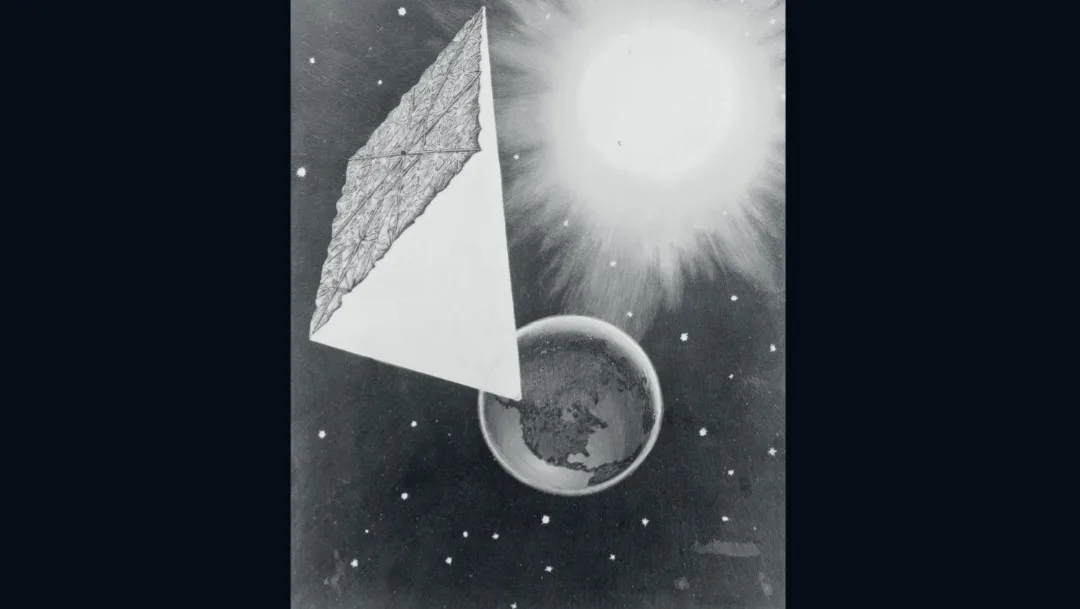
The idea started with Russian scientist Vladimir Syromiatnikov, who was researching large reflective solar sails for spacecraft. At the time, though, projects in post-Soviet Russia needed a clear economic goal to attract funding. So, Syromiatnikov repurposed his idea as a mirror.
The aim, as shared by BBC presenter Kate Bellingham, was "to light up Arctic cities in Siberia during the dark winter months." As a result, the extra daylight would then extend the working day and boost farm productivity.
And the plan was pretty ambitious
The plan was to fly several Znamya craft with progressively larger mirrors. These reflectors were meant to burn up during re-entry. The final intent was to set up a permanent 200-meter-wide reflector in orbit. The goal was a grid of up to 36 pivoting mirrors which was estimated to reflect light 50 times brighter than the Moon over an area up to 50 miles (90 km) across.
Kate Bellingham reported, "On a clear night the space reflector could illuminate an area the size of a football stadium, bringing some light relief to the long winter nights."
But how do you even unfold a mirror in space?
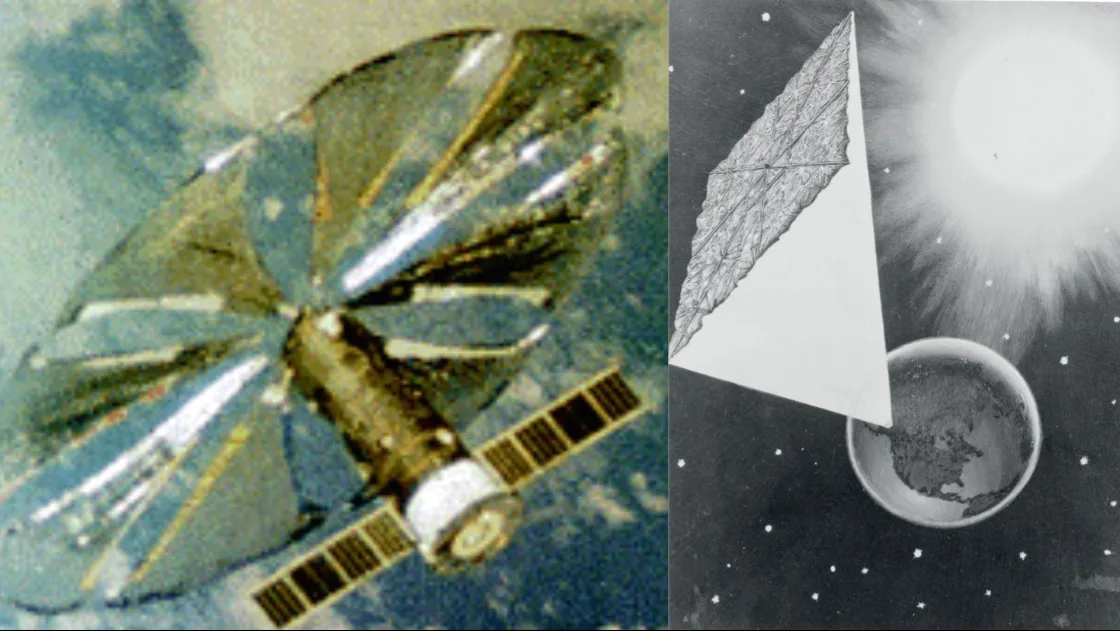
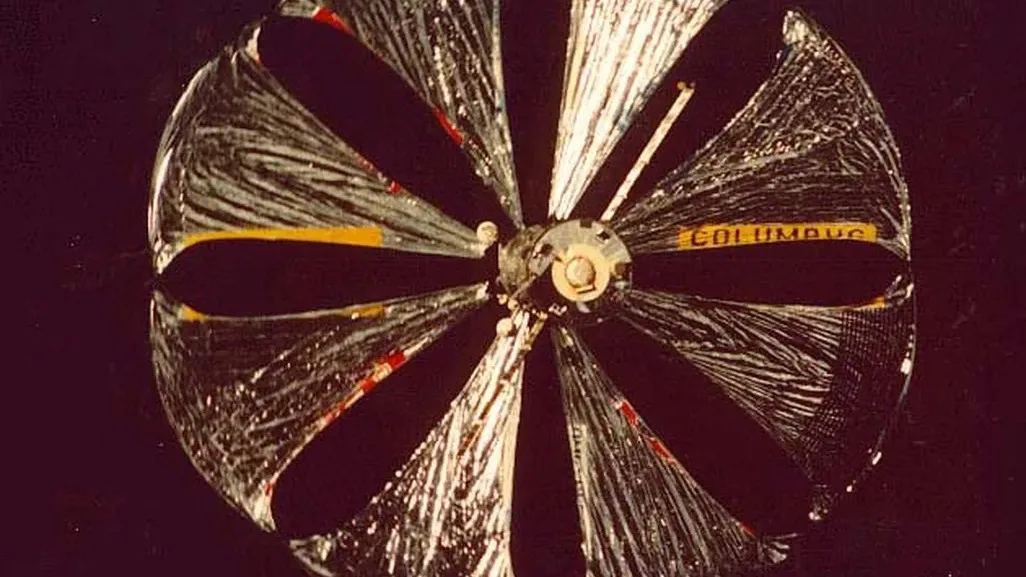
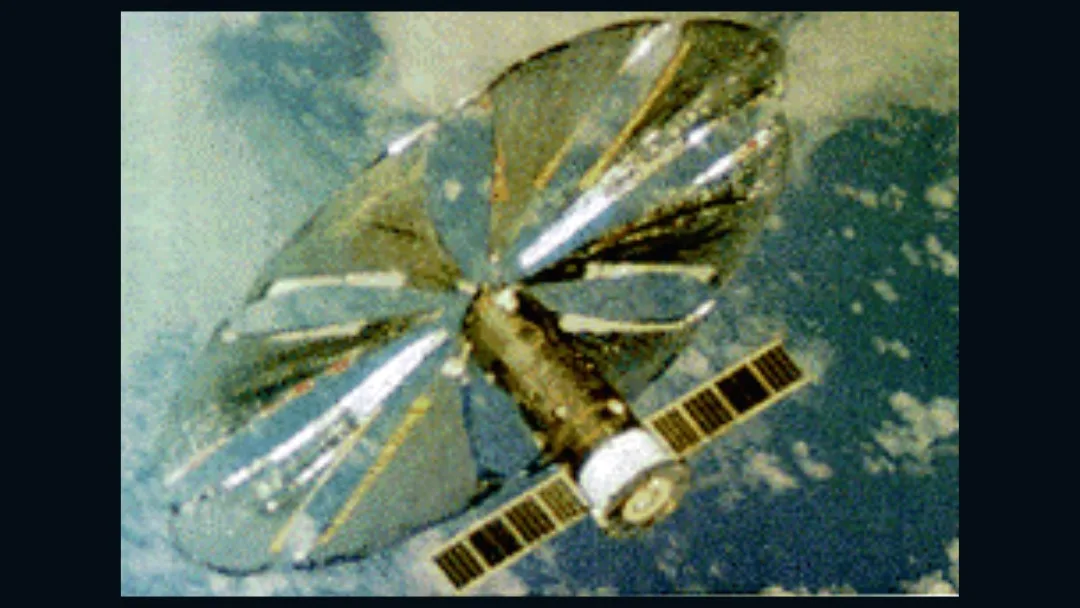
The Znamya 2's mirror was made of thin sheets of aluminized Mylar, which is a lightweight, highly reflective material. Before this, Znamya 1 was created as a prototype that stayed on Earth.
"During the flight the reflector is wrapped tightly around the body of the craft, and to open it the craft will have to spin round rapidly forcing it out like an umbrella,” Bellingham added while explaining the mechanism behind the experiment to TV viewers in 1992.
Znamya 2: Russia called it a technical success
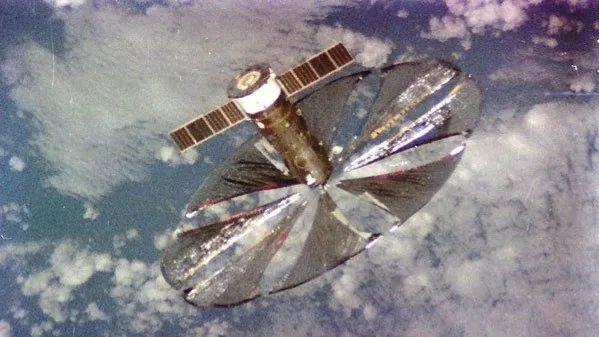
On February 4, 1993, the Znamya 2’s mirror reflected light that was roughly as bright as a full moon, and it formed a spot about 3 miles (5 km) wide. The strange patch was moving at around 5 miles per second.
The crew noticed a faint beam of light sweep across Europe. Surprisingly, people on the ground also spotted flashes of light despite thick cloud cover. But the light it produced was of limited real-world use.
Znamya 2.5: the follow-up mission that soon fell apart
Syromiatnikov moved forward with Znamya 2.5. Before launch, he said this would mean "No more electricity bills, no more long, dark winters." On February 5, 1999, everything was going according to the plan. But soon after, a wrong command made an antenna stick out, and as the antenna extended, the mirror's reflective sheets got caught on it.
Then the Znamya 2.5's torn and crumpled mirror fell to Earth. "The failure was especially painful because of the huge worldwide interest that the experiment aroused," Valery Lyndin, a spokesman for the Mission Control in Moscow, told the BBC at the time.