Moon phases: Date and time of the next Full Moon
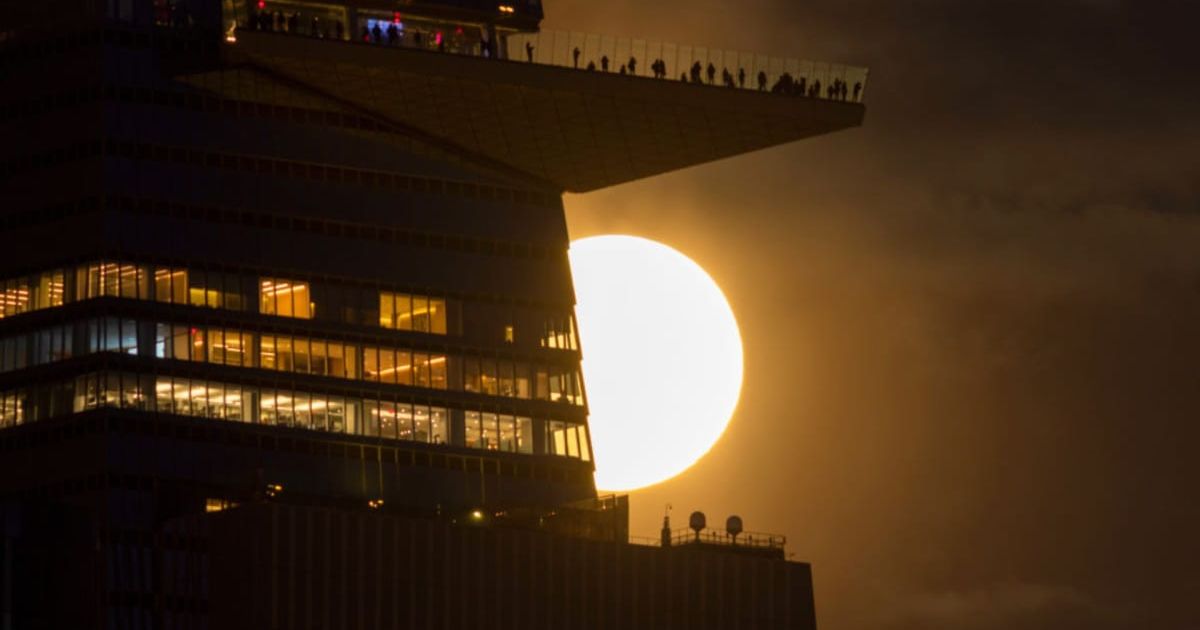
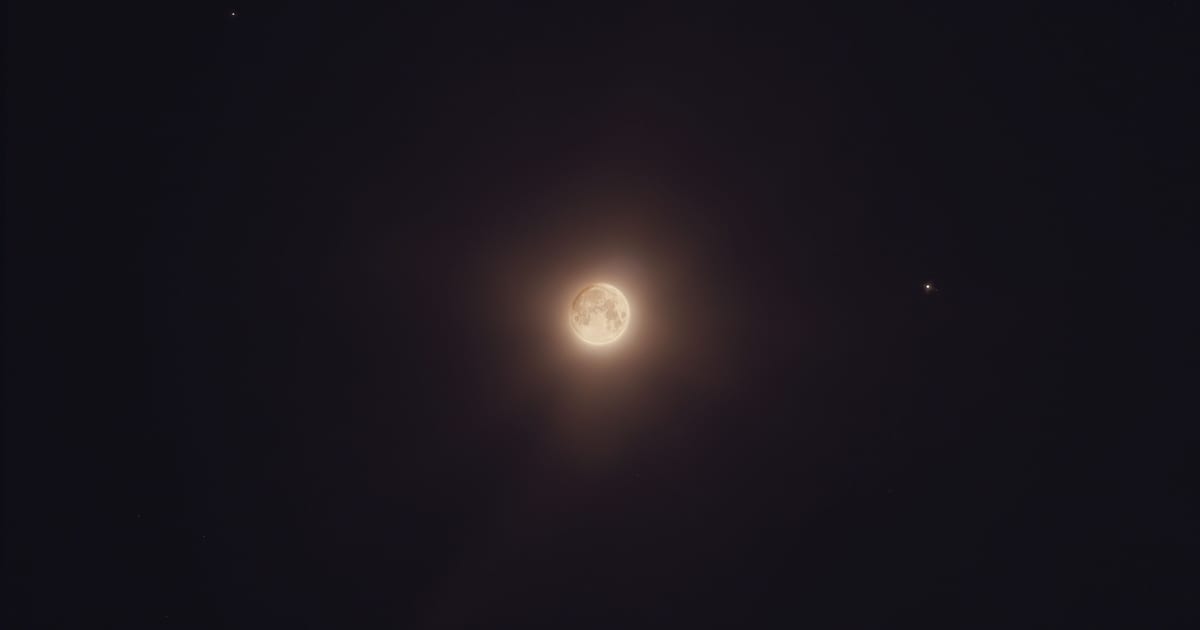
With the year 2025 coming to an end, the Moon continues its regular cycle of phases. December brought the spectacle of a Supermoon, which coincided with the month's Full Moon, also known as the Cold Moon. Next on the agenda for the moon phases is the Wolf Moon, the next Full Moon set to happen in Early January. According to the Royal Museums Greenwich, the date and time for the event are 05:02 EST on January 3, 2026. The lunar calendar of the New Year will begin with the bright illuminated face of the Moon staring towards Earth.
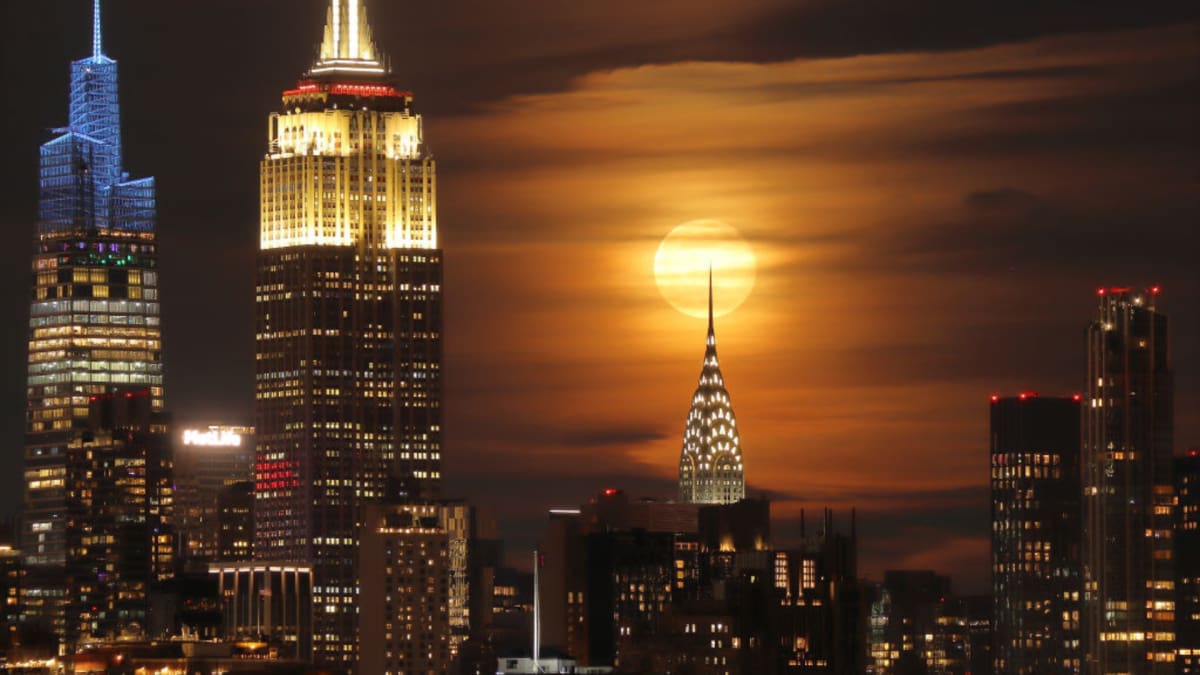
The Moon does not emit light, but reflects the light falling on its surface from the Sun. The primary source of lunar visibility has always been the Sun, with distant stars and Earthshine, or light reflected from Earth, contributing slightly. The Moon goes through various phases that are decided by how much of its surface is illuminated as seen from the Earth. The relative positions of the Moon, Sun, and Earth are responsible for the phases of the Moon. The lunar cycle starts with the New Moon, when the Moon is positioned between Earth and the Sun and the side facing the Earth is in darkness.
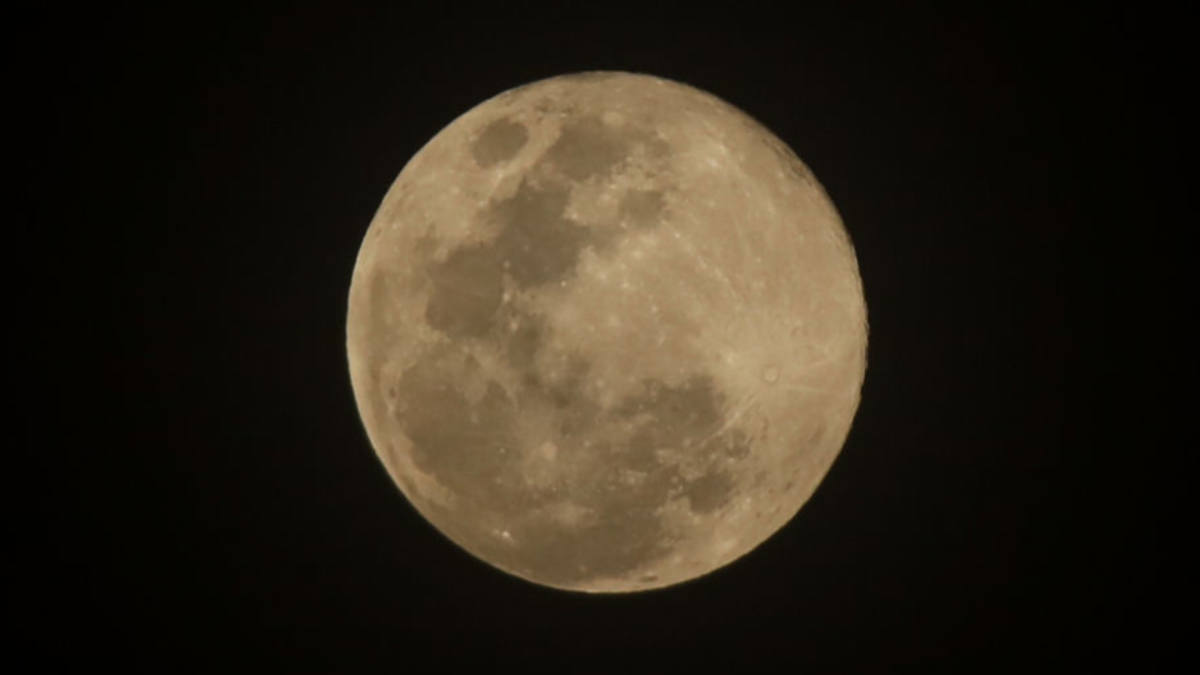
During the Full Moon, the near side of the Moon is fully lit. This occurs when the Earth is positioned between the Sun and the Moon. There are eight phases of the Moon: new Moon, waxing crescent Moon, first quarter Moon, waxing gibbous Moon, full Moon, waning gibbous Moon, last quarter Moon, and waning crescent Moon. These are the various stages of partial illumination between the extremes of a New Moon and a Full Moon. The complete lunar cycle takes around 29.5 days.
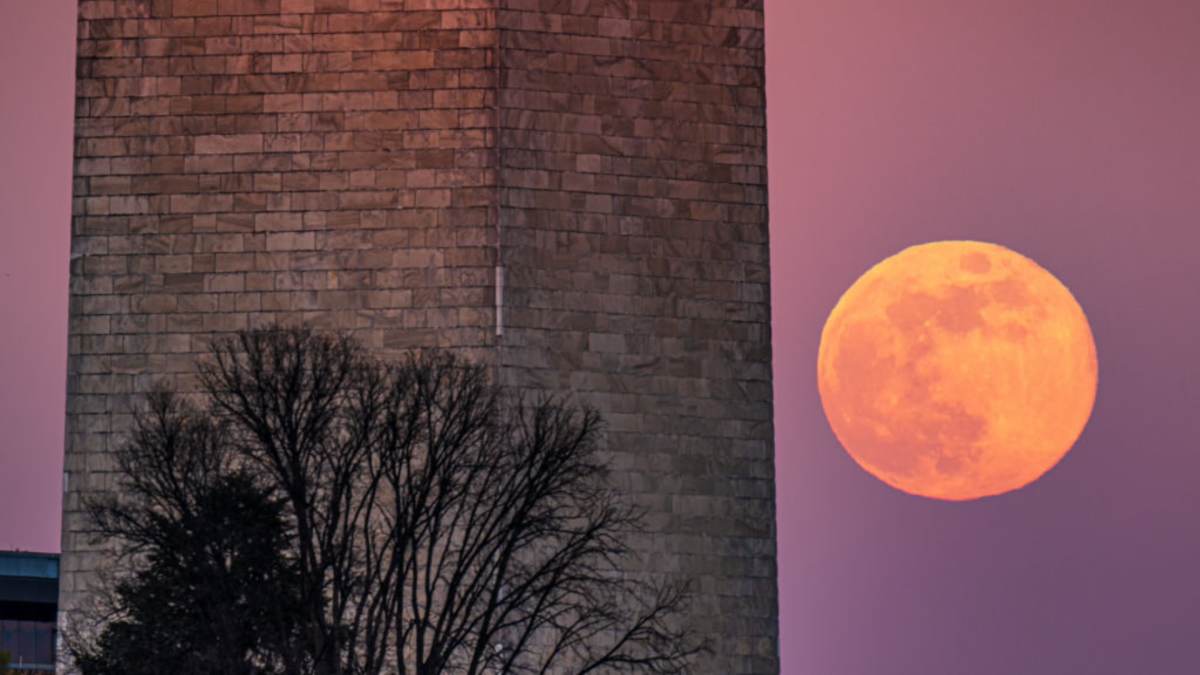
The Full Moon takes place precisely at the point when the Sun, Earth, and Moon are in perfect alignment on opposite sides of our planet. This alignment can happen at any hour, day, or night, but the Moon appears visually full on the evening before, or the evening after the moment. The Moon phases are linked to the months in a year as the lunar cycle distributes an average of one full moon per month. Sometimes, we do get more than one full moon in a month, which is due to the lack of perfection in the alignment of the modern calendar with the lunar cycle. This second Full Moon in the same month is known as the Blue Moon.
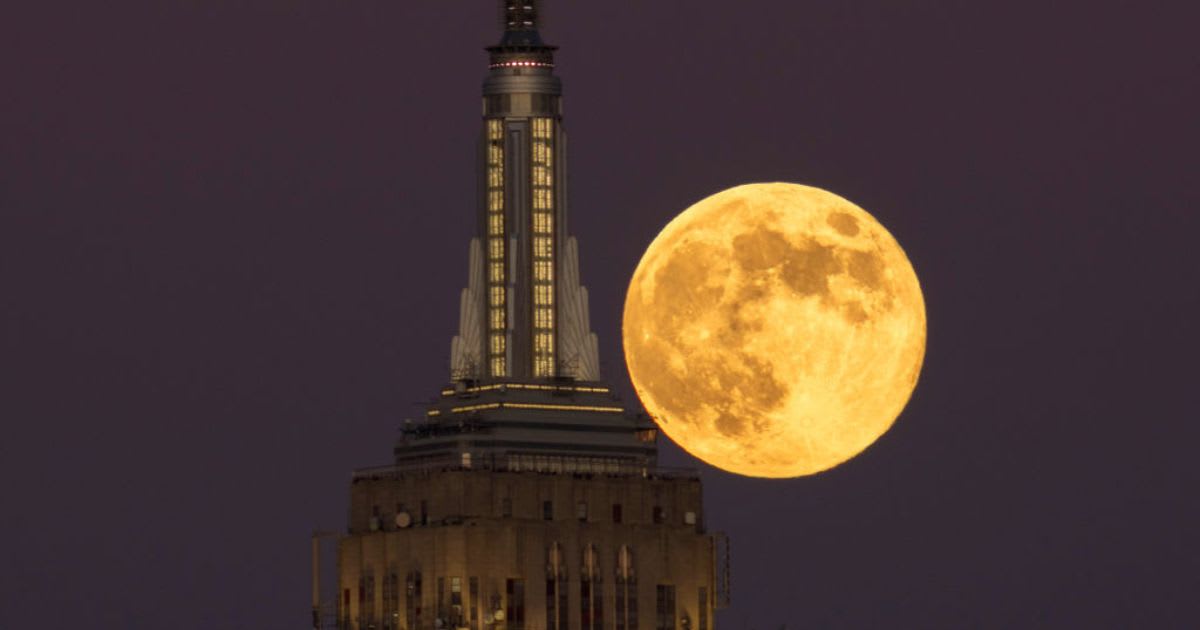
Typically, since there are 12 full moons for the 12 months in the year, each occurrence has a different name. This identifies which moon is taking place and when, since the naming of moons has a history extending back to ancient cultures. The full moon of January is called the Wolf Moon, named after the howling of hungry wolves from the sadness over the scarcity of food. Some other names for this month's full moon include Old Moon and Ice Moon. Many of the Moon’s nicknames are from Native American culture.
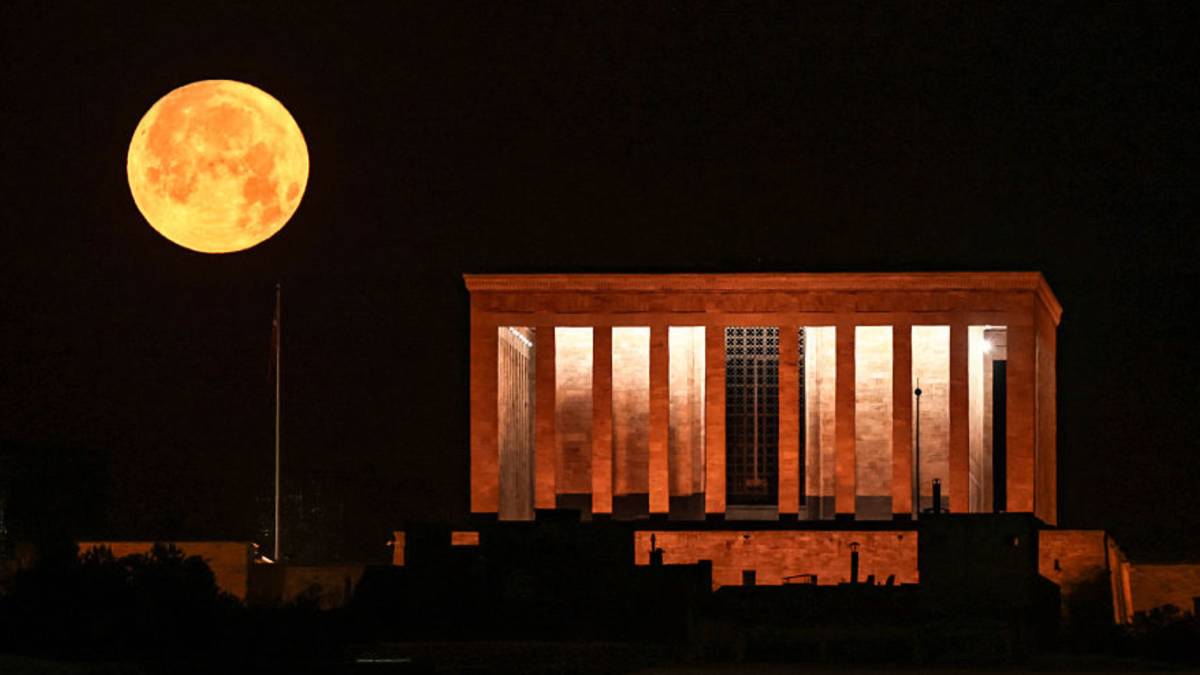
This is because, in their way of life, the cycles of the lunar phases were a significant method of timekeeping. The modern Gregorian calendar is derived from the longer solar cycle of the year. Depending on the tribe, the number of Moon names changed, but most of them allocated 12 or 13 full moons to the year. These names were adopted by the Colonial Americans and were then made popular in use. Skygazers and enthusiasts can keep track of the phases to catch a glimpse of the bright spectacle in the sky at its various formations.
More on Starlust
5 stunning lunar events to watch after the Cold Supermoon in December 2025
Here's when the final Supermoon of 2025 will light up December's night sky