✕
Astronomy Constellation Deep Sky Objects Skywatching Instruments Spaceflight Videos
Home / Galleries

Earth's life may have begun after a colossal collision with a Mars-sized planet, studies hint

Astronomy Jul 29, 2026
BY DISITA SIKDAR
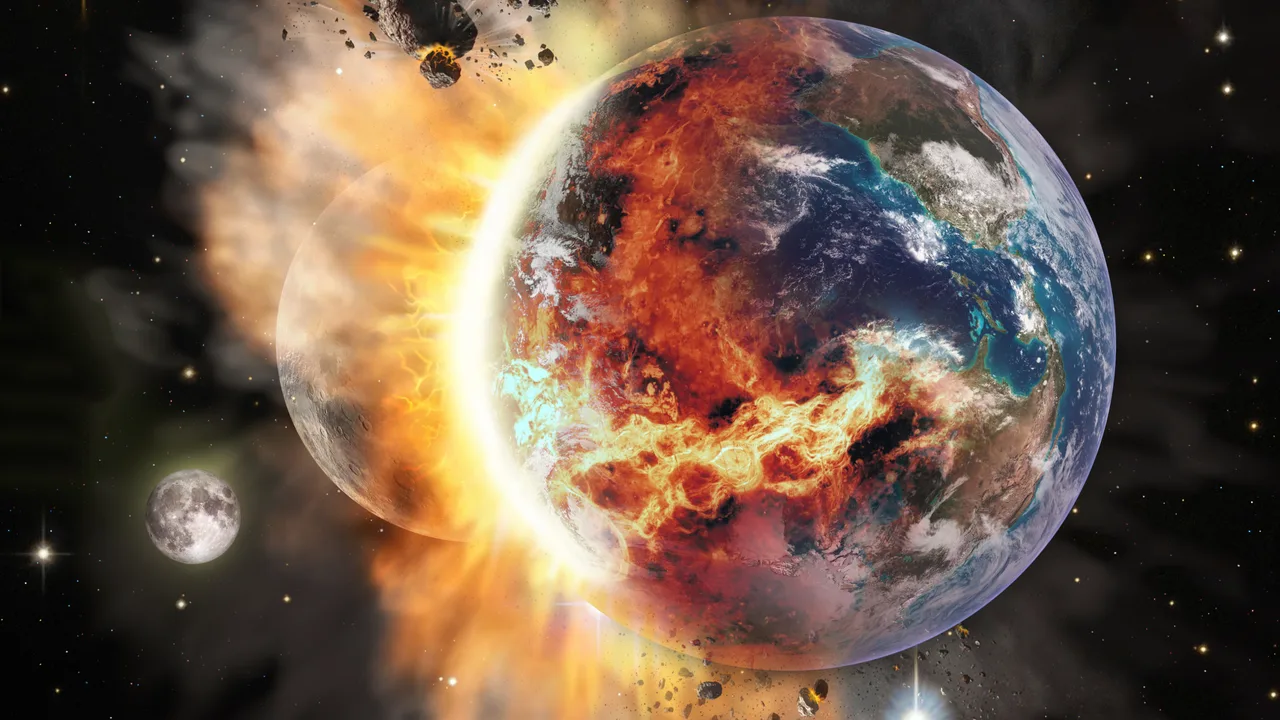
Stock illustration depicting Earth when it had recently formed after it was struck by a protoplanet called Theia, roughly three times the size of Mars. (Image Credits: MARK GARLICK/Getty Images/Science Photo Library)
What if Earth's greatest catastrophe also created the conditions needed for the first living organisms?
5 Photos
1 / 5
How did life begin on Earth?
IMAGE SOURCE: MURAT4ART/GETTY IMAGES

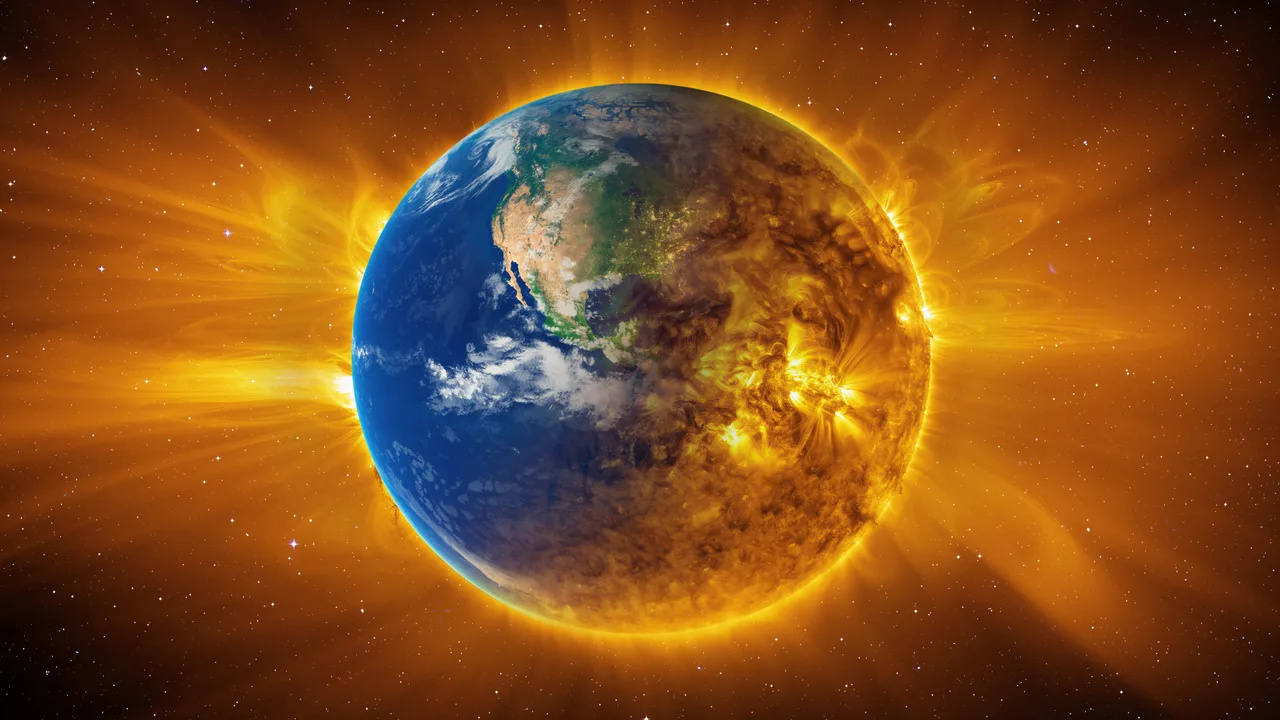
How did life begin on Earth?

Earth is the only planet known to support life as we know it. While there have been many attempts to discover life in the cosmos, none have yielded positive results yet. Surprisingly, Earth too did not have all the requisites present to support life initially. So how did life originate on our Blue Planet? A recent study tries to find the answer. 

2 / 5
Did a giant collision make life on Earth possible?
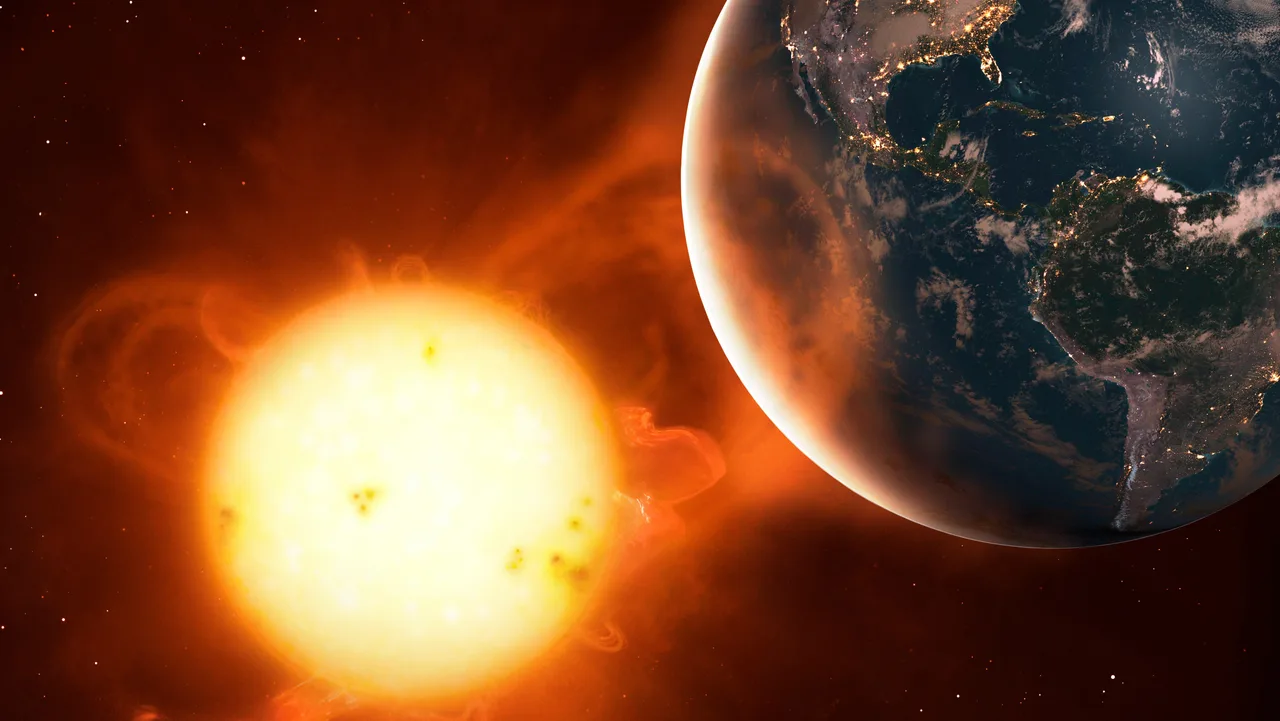
IMAGE SOURCE: ELEN11/GETTY IMAGES

Did a giant collision make life on Earth possible?

It is believed that Earth did not always support life as it does today. About four billion years ago, our Blue Planet was likely a lifeless world. A new study published in Science Advances suggests that the Mars-sized protoplanet Theia, which is said to have given rise to the Moon, may also have delivered some of the essential elements that later made life on Earth possible.

3 / 5
The cosmic delivery that changed everything
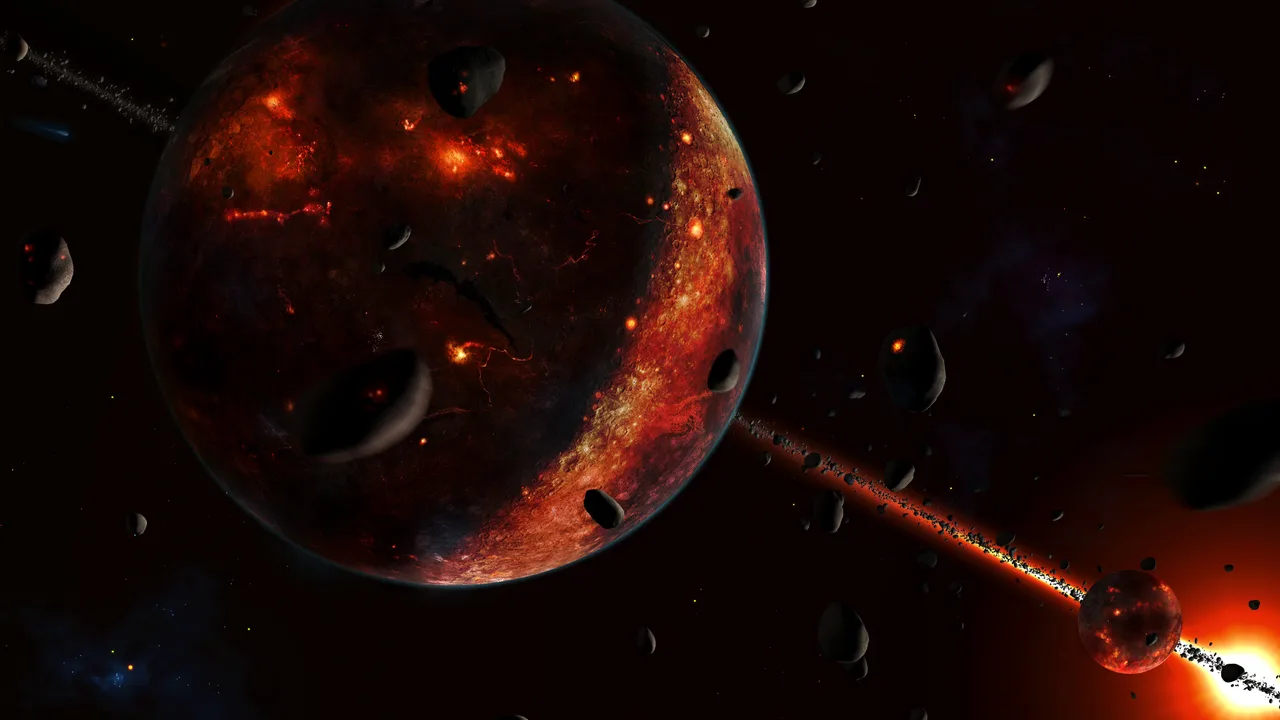
IMAGE SOURCE: MARK GARLICK/SCIENCE PHOTO LIBRARY/GETTY IMAGES

The cosmic delivery that changed everything

In the study, scientists believe that the origin of Theia was likely farther away from the Sun than our Blue Planet. The paper also hints that the exoplanet was extremely rich in volatile compounds such as carbon and hydrogen. It is because of this that, when Theia collided with the early Earth, the life-supporting elements got delivered to our planet. 

Pascal Kruttasch, the lead author of the study, told Live Science, “We conclude that the moon-forming impactor Theia originated further out in the solar system [than Earth] and was volatile-rich.”

4 / 5
Scientists traced the solar system's earliest days
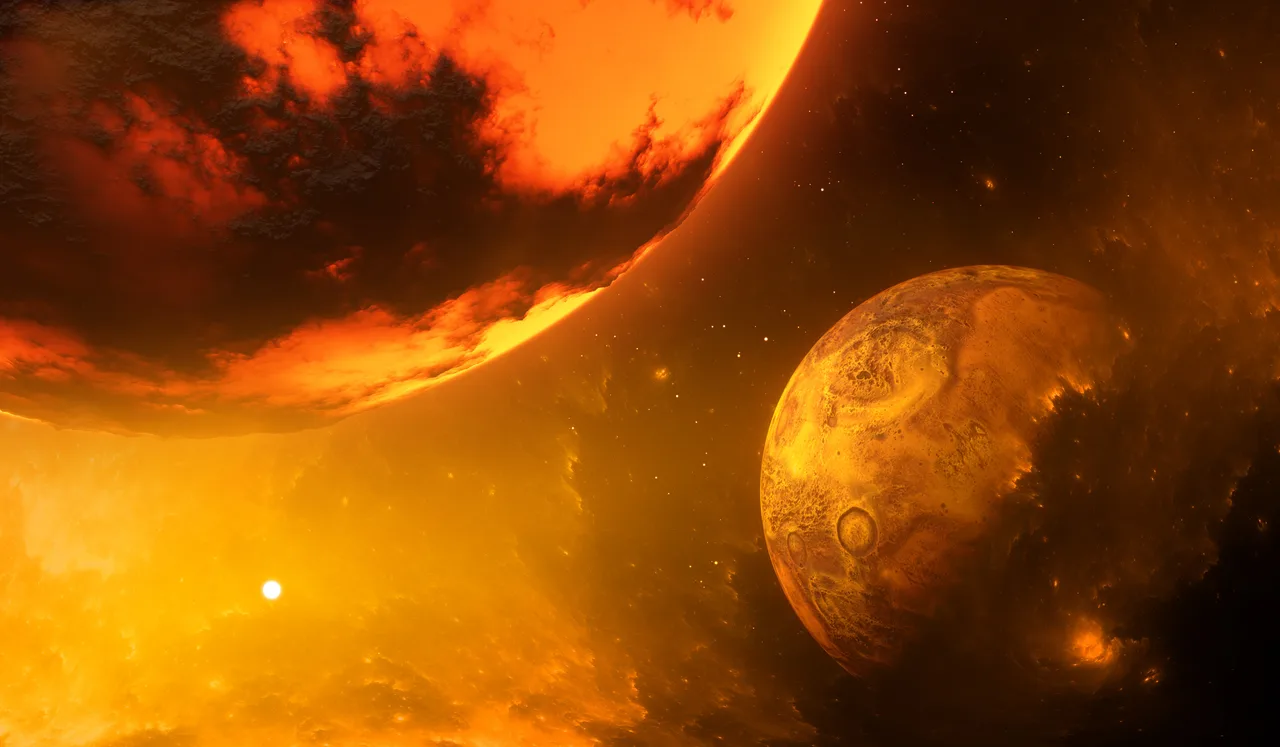
IMAGE SOURCE: GETTY IMAGES/STOCKTREK IMAGES

Scientists traced the solar system's earliest days

To test their hypothesis, the researchers used a chemical model to analyze isotopes found in meteorites and rocks from Earth. They focused on the radioactive decay of a manganese isotope that was present in the early solar system. Over millions of years, this isotope decayed into chromium, and allowed the scientists to reconstruct the first 15 million years of Earth's formation.

Their analysis also showed that planets forming close to the Sun were relatively poor in volatile elements. Based on these findings, the researchers concluded that the only way Earth got its supply of the volatile compounds was from the collision with Theia.

5 / 5
Theia may have brought more than life's ingredients
IMAGE SOURCE: PITRIS/GETTY IMAGES

Theia may have brought more than life's ingredients

Another study, published in the Icarus journal, points out that the collision might not just have deposited volatile compounds. In fact, Theia might have delivered vast amounts of water to the barren, rocky, and lifeless regions of a young Earth. The study also suggests that some of that water supposedly deposited by Theia could still be found locked inside the Earth’s mantle. 

Portugal's Institute of Astrophysics and Space Sciences’ Pedro Machado, who is also the co-author of the study, tried to explain the mantle water. Machado said, “Water is less dense than the materials typically found in the Earth's mantle, and it was supposed to have come to the crust or oceans.” This might be because, as per the study, the majority of the water was delivered to the Earth’s mantle by Theia. But as per Machado, “there hasn't been time for this water to reach the surface.”

MORE GALLERIES

Is time travel possible? What Albert Einstein's theory of relativity tells us 5

Is time travel possible? What Albert Einstein's theory of relativity tells us

Aug 8, 2026
Here's how much longer life on Earth has left, according to new research 5

Here's how much longer life on Earth has left, according to new research

Aug 8, 2026
This Oxford philosopher hopes humanity's search for extraterrestrial life "finds nothing" 5

This Oxford philosopher hopes humanity's search for extraterrestrial life "finds nothing"

Aug 7, 2026
Isaac Newton's 1704 doomsday prophecy predicted the year the world would end 5

Isaac Newton's 1704 doomsday prophecy predicted the year the world would end

Aug 6, 2026
SpaceX Falcon 9 rocket just crashed into the Moon—but have we hit the Moon accidentally before? 4

SpaceX Falcon 9 rocket just crashed into the Moon—but have we hit the Moon accidentally before?

Aug 6, 2026
Neil deGrasse Tyson thinks first contact with intelligent aliens could look like this 5

Neil deGrasse Tyson thinks first contact with intelligent aliens could look like this

Aug 6, 2026
When Brian Cox challenged Avi Loeb's alien probe theory about comet 3I/ATLAS 5

When Brian Cox challenged Avi Loeb's alien probe theory about comet 3I/ATLAS

Aug 5, 2026
Can we really time travel? Here's what award-winning physicist Brian Cox says 6

Can we really time travel? Here's what award-winning physicist Brian Cox says

Aug 4, 2026
Wait, what's that? The strangest things ever spotted on Mars 6

Wait, what's that? The strangest things ever spotted on Mars

Aug 4, 2026
Could our galaxy be full of aliens? The famous Drake Equation guides us towards an answer 5

Could our galaxy be full of aliens? The famous Drake Equation guides us towards an answer

Aug 4, 2026
Mars could become humanity's second home by 2050, says space resources engineer 5

Mars could become humanity's second home by 2050, says space resources engineer

Aug 4, 2026
What's really inside a black hole? Physicist Clifford Johnson explains 5

What's really inside a black hole? Physicist Clifford Johnson explains

Aug 3, 2026
Could alien technology be easier to detect than extraterrestrial life itself? Scientists share their thoughts 5

Could alien technology be easier to detect than extraterrestrial life itself? Scientists share their thoughts

Aug 3, 2026
What if time isn't real? Some physicists think it might just be in our heads 5

What if time isn't real? Some physicists think it might just be in our heads

Jul 30, 2026
By 2600, Earth could become a "giant ball of fire," Stephen Hawking warned. Is NASA backing it up? 5

By 2600, Earth could become a "giant ball of fire," Stephen Hawking warned. Is NASA backing it up?

Jul 30, 2026
Contacting aliens could be our "biggest mistake in human history," warns physicist; here's why 6

Contacting aliens could be our "biggest mistake in human history," warns physicist; here's why

Jul 29, 2026
This accidental discovery could dramatically reduce astronauts' travel time to Mars 5

This accidental discovery could dramatically reduce astronauts' travel time to Mars

Jul 29, 2026
Astronomer reveals one of the biggest misconceptions about alien life 6

Astronomer reveals one of the biggest misconceptions about alien life

Jul 28, 2026
Are we going through a sixth mass extinction? Here's what scientists say is happening 5

Are we going through a sixth mass extinction? Here's what scientists say is happening

Jul 28, 2026
Starlust.org is part of the Scale Content Inc. publishing group.

Google Source

About Us
Editorial Guidelines
Privacy Policy
Cookie Policy
Terms of Use
Contact Us
Link to Facebook
Link to Instagram

© Scale Content Inc. 1178 Broadway, 3rd Floor #3469, New York, NY 10001, United States