Earth and Theia were cosmic neighbors before the Moon-forming collision, study finds
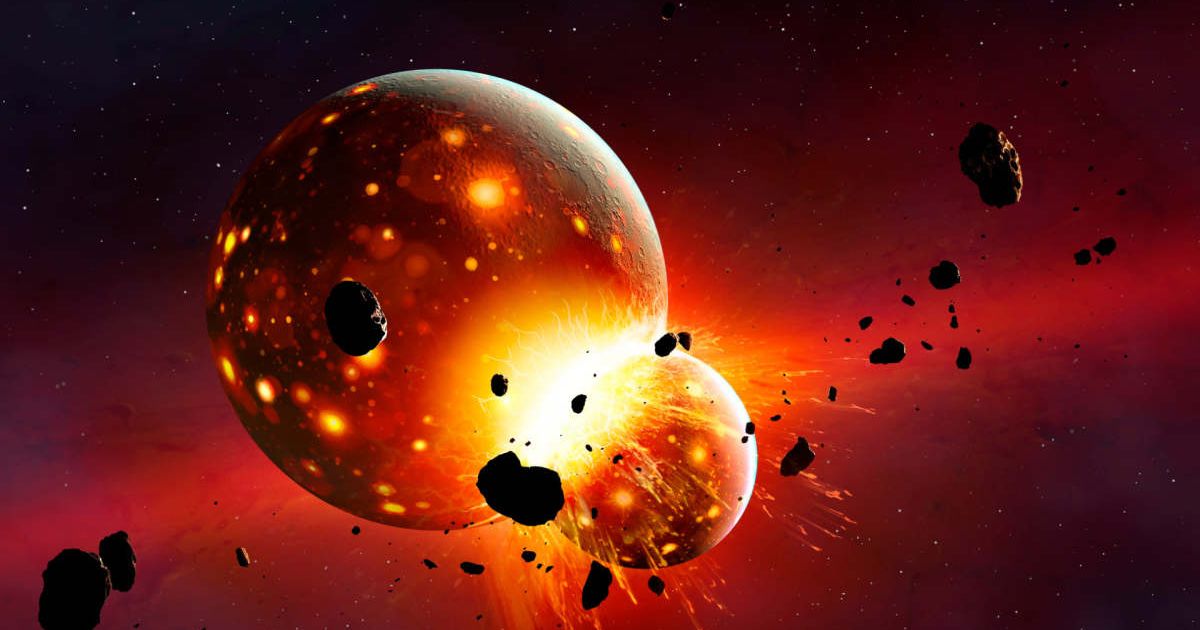
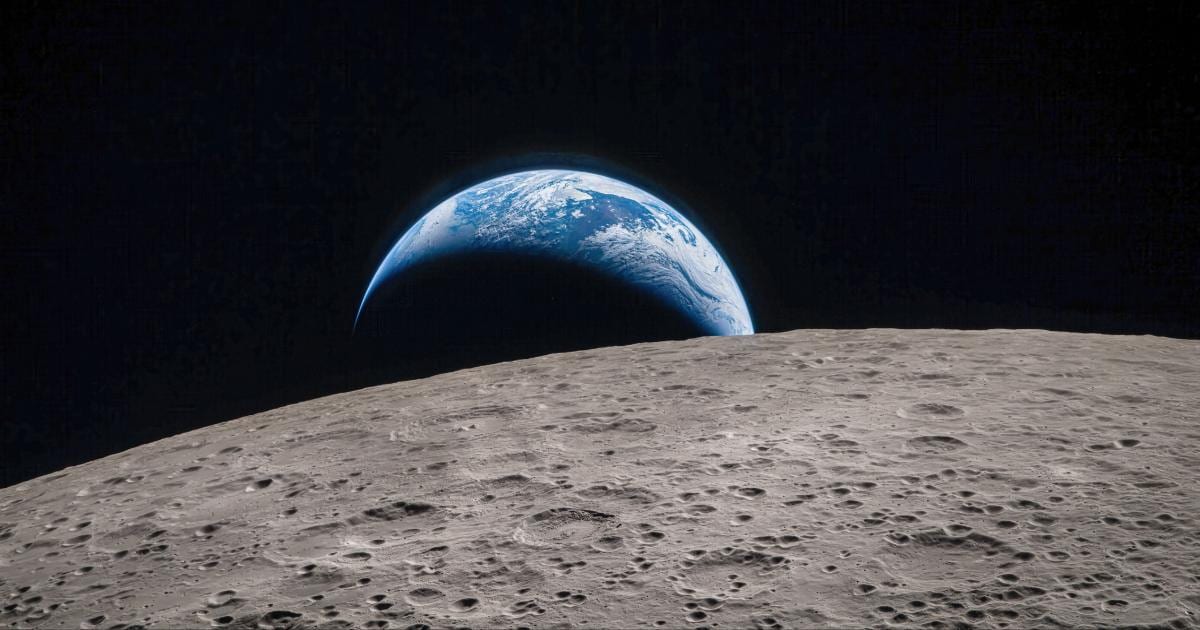
Our Moon was formed from a violent collision that occurred around 4.5 billion years ago. And the giant body that smashed into the Earth, birthing the planet’s natural satellite, was named Theia. A new study, published in the journal Science, found that this body actually formed in the inner solar system with Earth. This meant that both celestial bodies were neighbors before the collision took place. To support this hypothesis, researchers from the Max Planck Institute for Solar System Research (MPS) and the University of Chicago determined the possible composition of Theia.
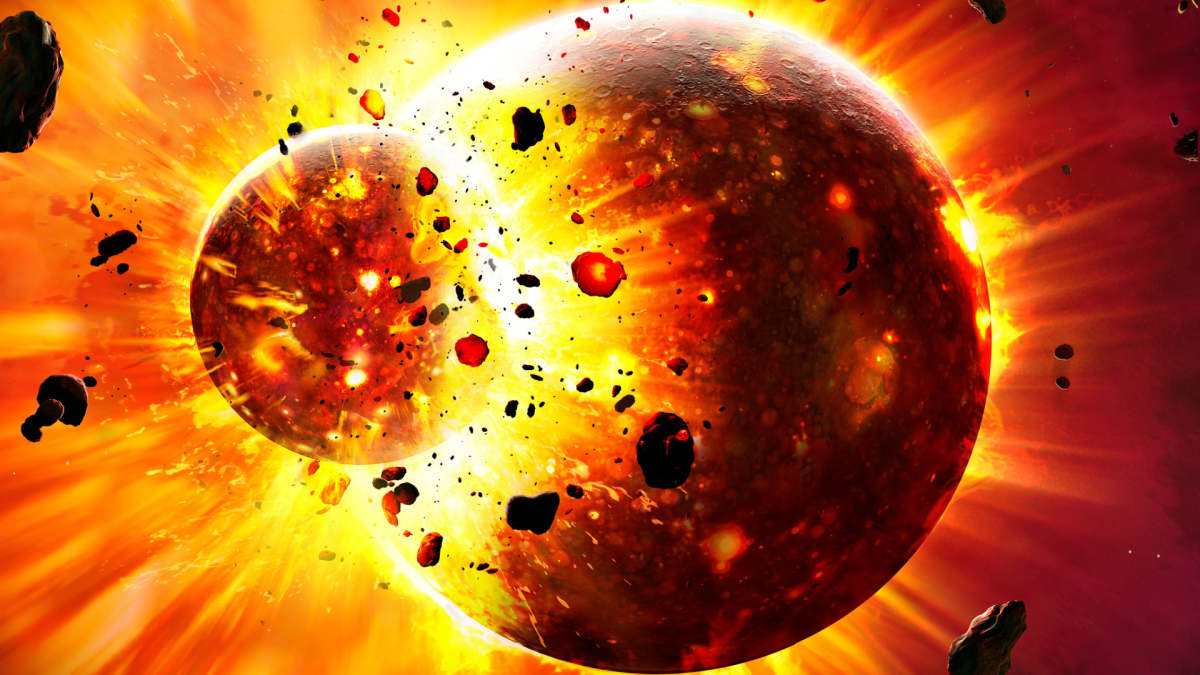
The lack of clarity regarding the collision and the object that Earth collided with raised many questions, but they were difficult to answer as Theia was fully destroyed. However, its traces can be found in the composition of the Earth and the Moon. This was used to create a “list of ingredients” of Theia, and to ultimately trace it back to its origins. To this effect, the researchers looked into isotope ratios, per the Max Planck Institute. They found the ratio of different iron isotopes in Earth and Moon rocks, examining 15 terrestrial rocks and six lunar samples from the Apollo missions. Earlier, measurements of the isotope ratios of chromium, calcium, titanium, and zirconium had already shown, Earth and Moon are indistinguishable in this respect. But that still left understanding of Theia's composition a little fuzzy, despite the assumption that the compositions of the Moon and Theia are the same. After all, the possibility of it being composed of an inseparable mixture between materials from Earth and Theia or even mainly of the material from the early Earth's mantle, was also there.
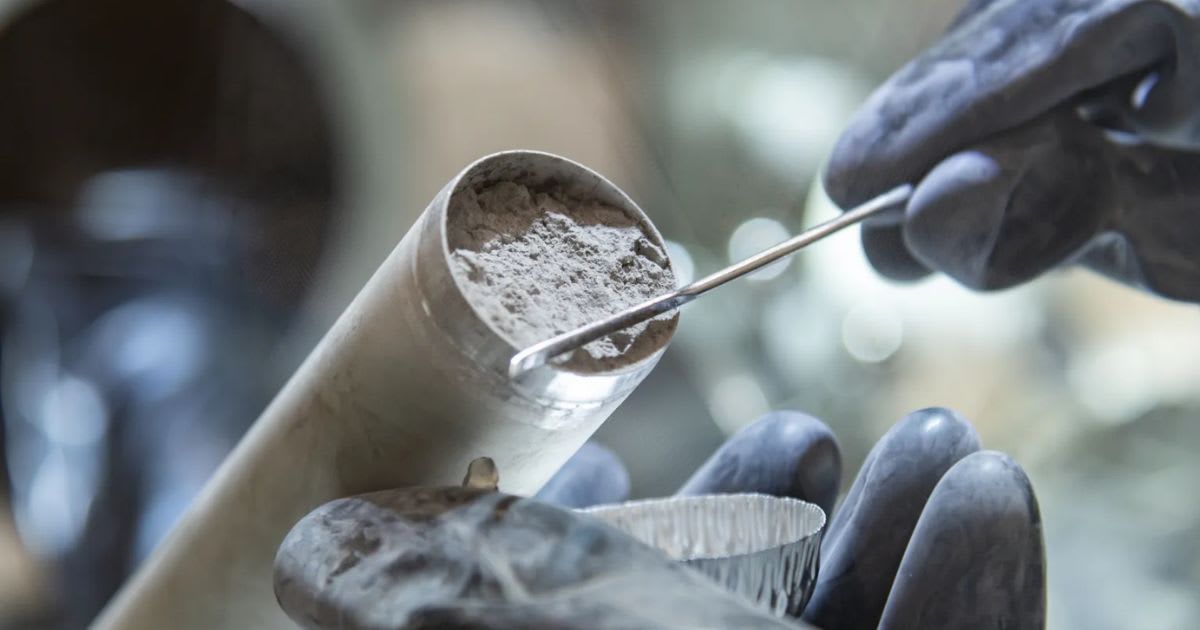
To learn more about Theia, the team used a kind of reverse engineering for planets. They went through the isotope mixtures in Earth and lunar rocks instead of using highly technical models. They dabbled in which compositions and sizes of Theia and which composition of the early Earth could lead to this final state. They looked at iron, chromium, molybdenum, and zirconium isotopes to find the various phases of planetary formation.

"The most convincing scenario is that most of the building blocks of Earth and Theia originated in the inner solar system," said team leader and MPS researcher Timo Hopp. "Earth and Theia are likely to have been neighbors." The idea to reverse engineer the findings was from the knowledge that isotopes were not evenly distributed in the early solar system. This meant that the ratio of certain isotopes in a celestial body should reveal if it formed at the edge of the solar system or closer to the sun."
Before the collision, Earth formed a molten core where elements like iron and molybdenum accumulated. Hence, these elements were scarce in Earth's mantle, and any iron here was likely from after the formation of the core. This iron may have been delivered by Theia. The team also used meteorites from Earth’s surface to further assess Theia’s composition. These meteorites are as old as the solar system itself, and therefore carry clues to the building material that was available during the early days of Earth and Theia.
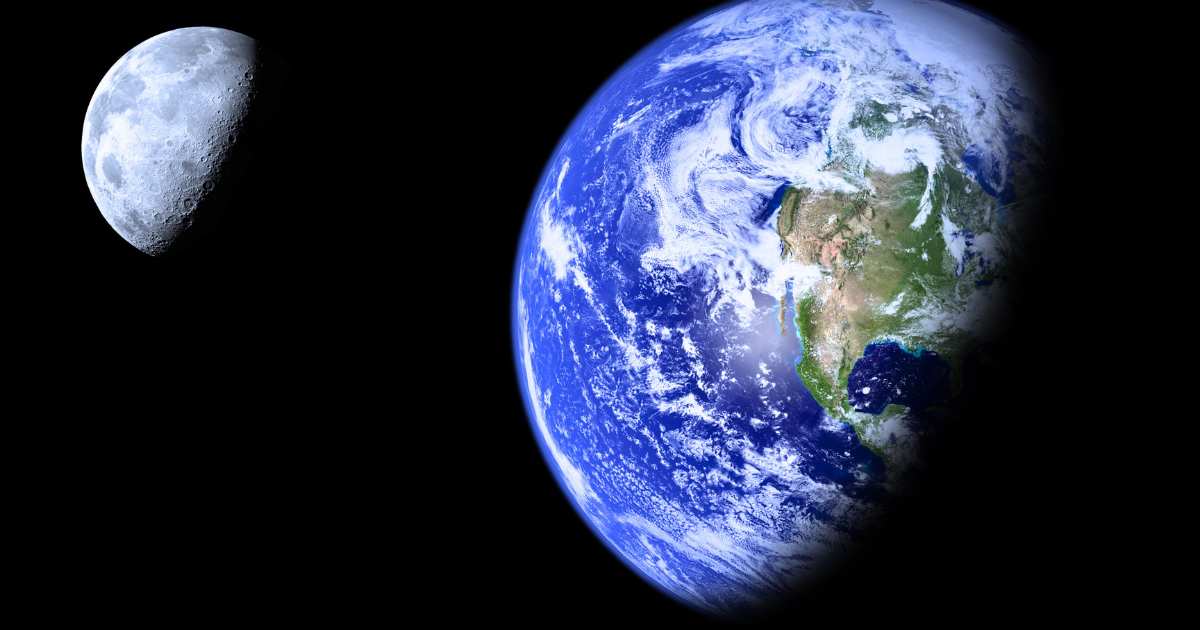
The team’s findings showed that the isotope ratios of the Earth's mantle resembled meteorites from the inner solar system. The isotopes attributed to Theia in the study have unknown ratios and did not match Earth’s components. With the meteorite classes comparison, the study concluded that Theia must have originated from the inner part of the early solar system. This was the most convincing scenario based on the facts that they discovered, which makes the members of the cosmic collision neighbors.
More on Starlust
Astronomers say 'invisible' asteroids near Venus pose a 'real risk' of collision with Earth