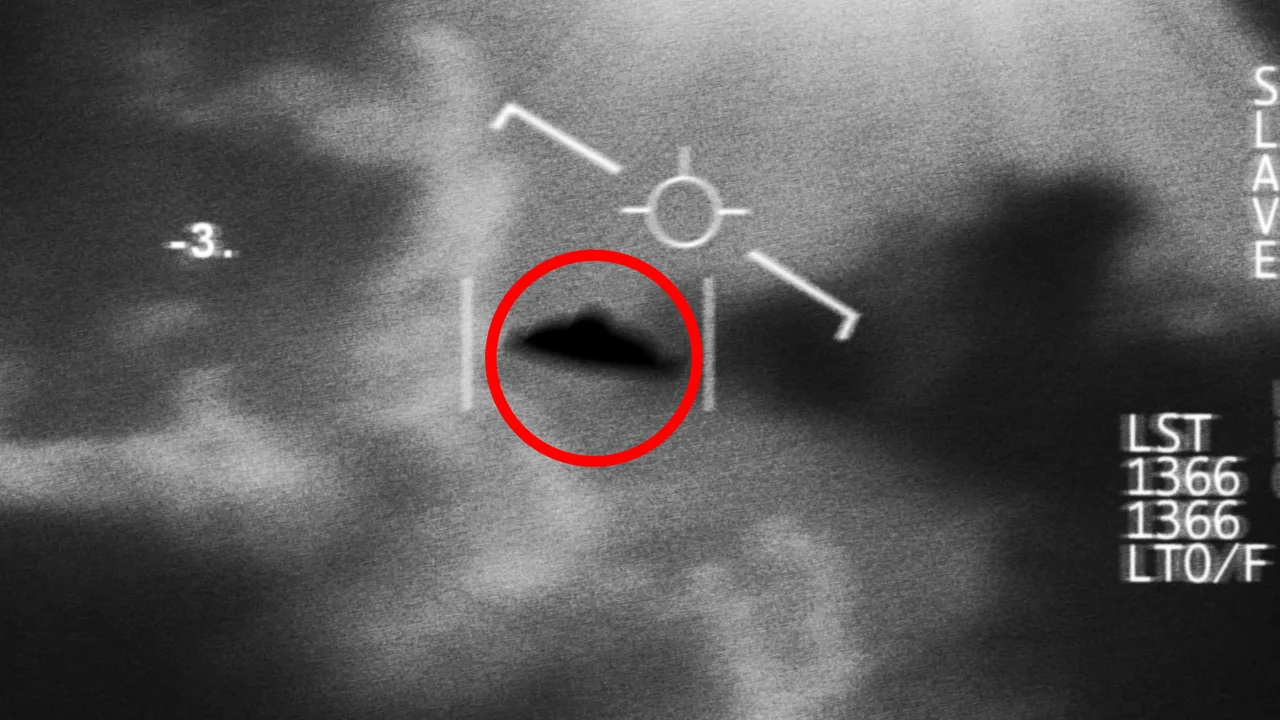
Aliens may be more like us than we think, according to Oxford researchers
Guessing at life we've never seen
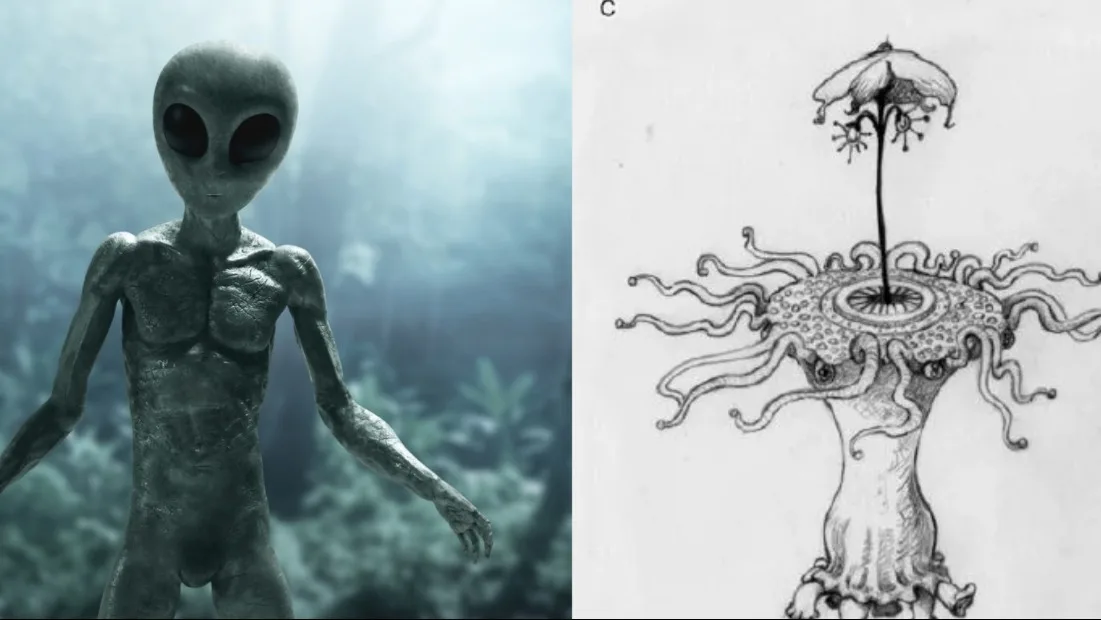
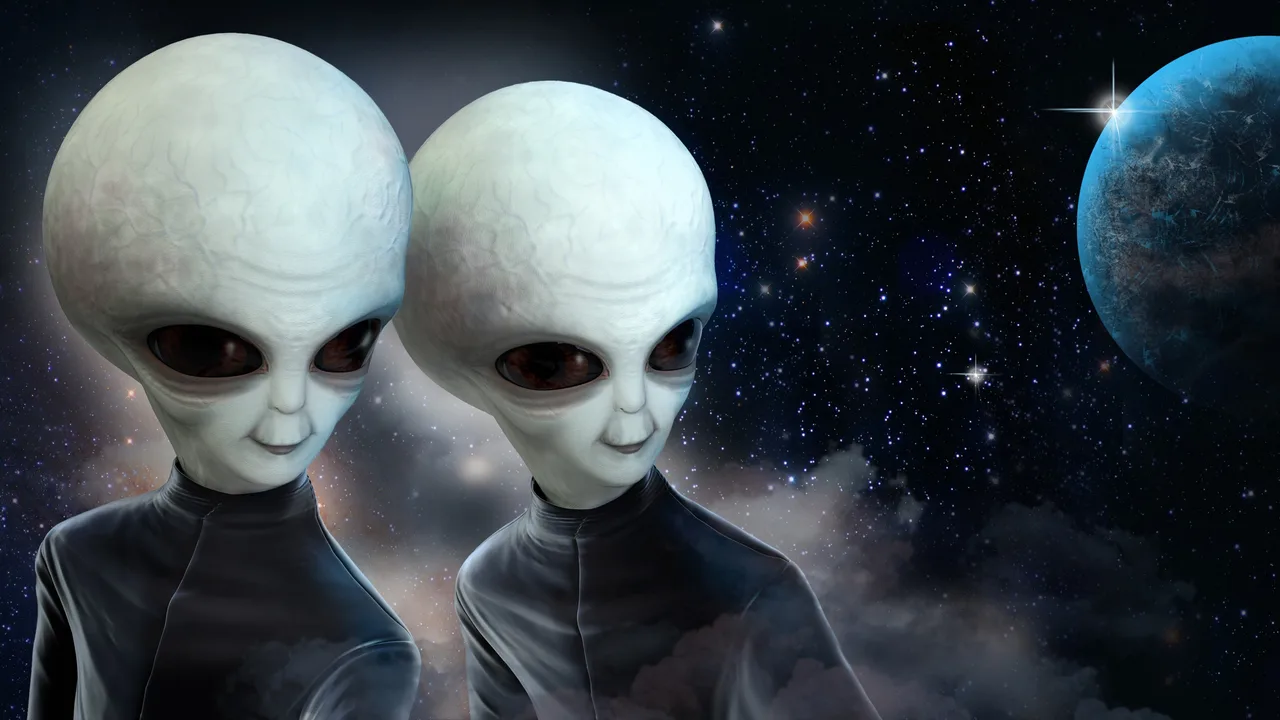
Scientists from around the world have long wondered what alien life might actually look like. In popular shows and movies, we’ve often seen extraterrestrial life as ‘little green men,' and scientists have even suggested that they might look purple instead.
But what might they actually look like? Now, researchers from Oxford University have used evolutionary theory to answer this question. Here’s what their research suggests.
What might alien life look like?
Earlier studies on alien life leaned mostly on what we see on Earth, along with what we know about chemistry, geology, and physics. But this time, the Oxford team took a different route. They relied on evolutionary theory, which includes natural selection. It’s a process by which living things become fitter and stronger over time.
Sam Levin, a researcher in Oxford's Department of Zoology, noted, "In our paper, we offer an alternative approach, which is to use evolutionary theory to make predictions that are independent of Earth's details." Their paper has been published in the International Journal of Astrobiology.
Could life evolve without DNA?
Researchers have only one example of life, life on Earth, to work from. And Levin said the evolutionary approach avoids that problem. He added, "This is a useful approach, because theoretical predictions will apply to aliens that are silicon-based, do not have DNA, and breathe nitrogen, for example."
He shared that these predictions would also hold even if alien life is formed from different material than we are.
What if alien life evolved in a way similar to us?
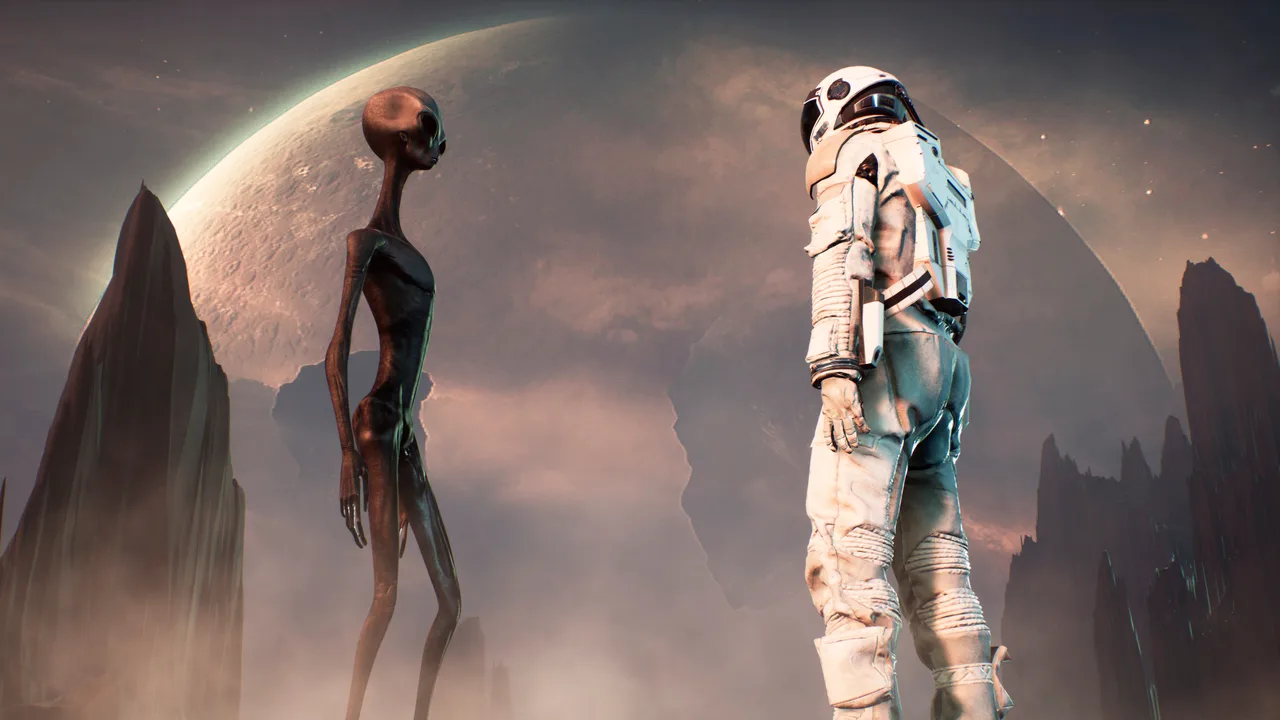
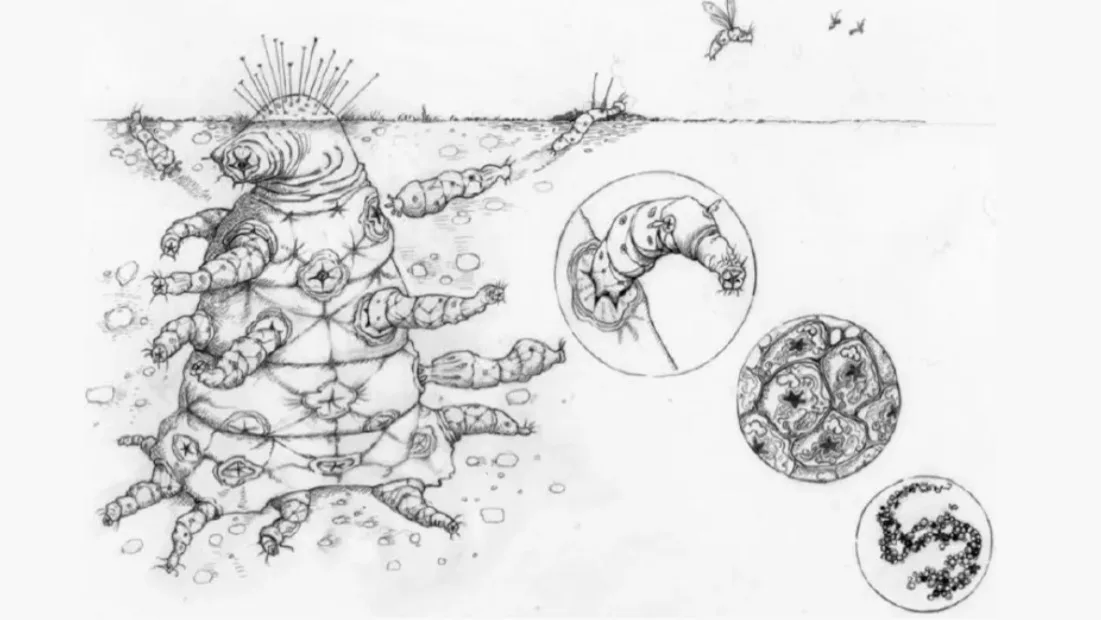
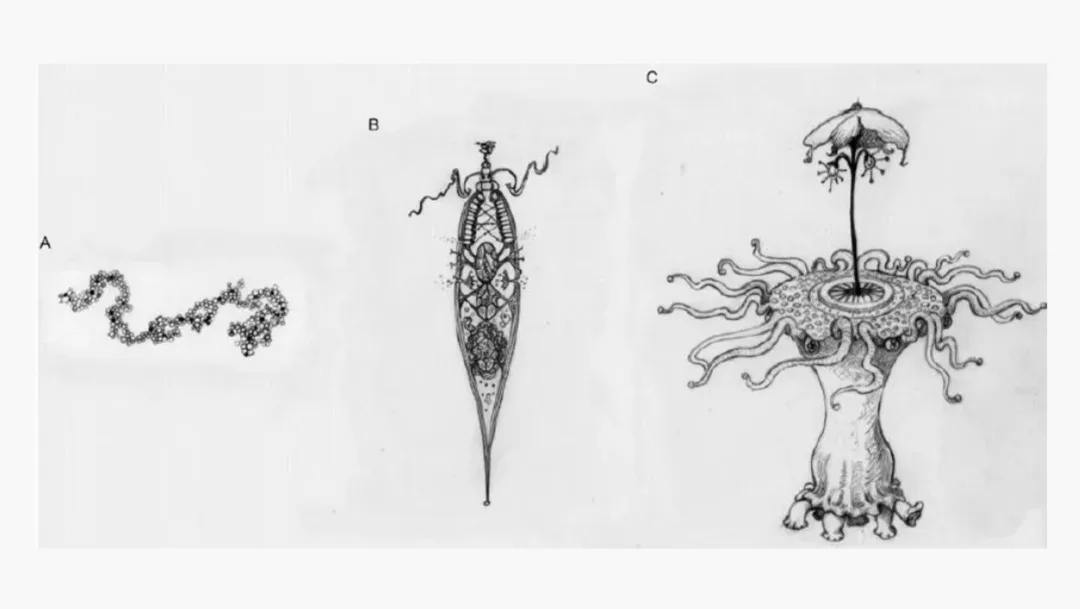
On our planet, life can become more complex, and this happens due to events called major transitions. This happens when separate organisms come together and form something new that works at a higher level of complexity. One example of this is single cells that merged into multicellular life roughly 600 million years ago.
And if alien life went through similar transitions, then it should share a basic structure with us. Levin explained, "Like humans, we predict that they are made-up of a hierarchy of entities, which all cooperate to produce an alien."
What the theory can't tell us
Commenting on the scope of this research, Sam Levin noted, ‘We still can't say whether aliens will walk on two legs or have big green eyes. But we believe evolutionary theory offers a unique additional tool for trying to understand what aliens will be like, and we have shown some examples of the kinds of strong predictions we can make with it.”