Aliens may not be green creatures but purple beings
Purple vegetation may hold clues to life beyond Earth
For decades, scientists have been intrigued by the idea of life beyond Earth. However, as they continue the search, scientists must expand the definition of how and in what form life might exist. In some cases, exoplanets orbiting cooler red dwarfs might not exhibit lush green vegetation like Earth. Instead, they might be home to a unique purple biosphere. A recent study from Cornell University identified a distinctive purple ‘light fingerprint’ that might serve as a key biosignature for extraterrestrial origins.
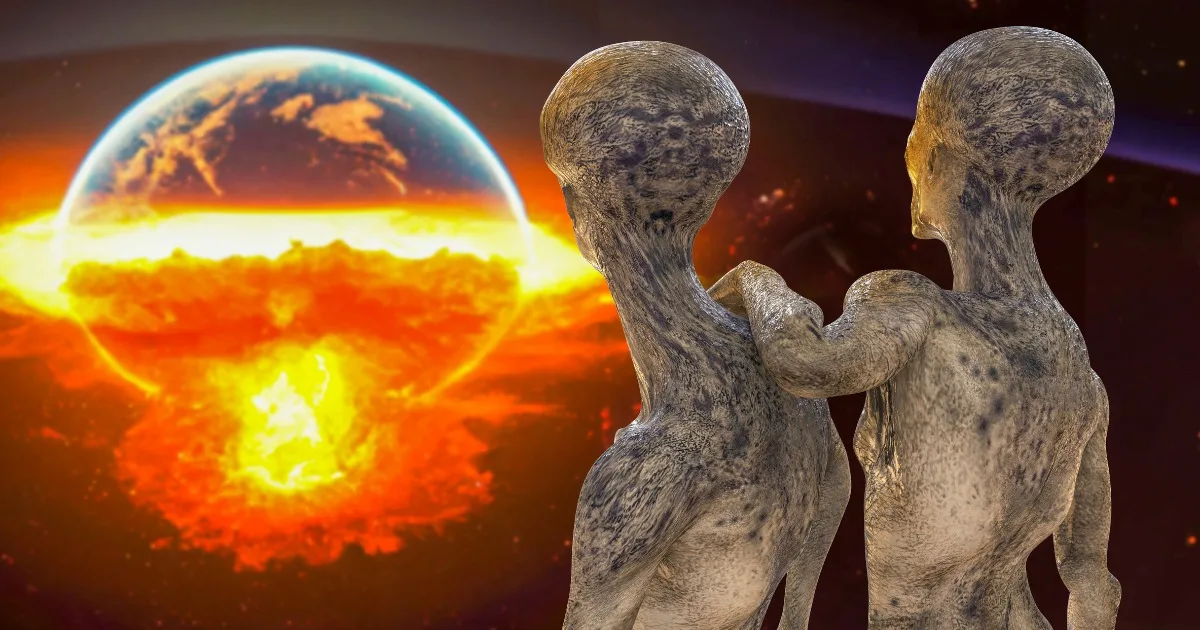
The image is an imaginary computer illustration of two aliens looking at an exploding planet.
Under red dwarf stars, alien plants may appear purple
The Earth might seem like a ‘Pale Blue Dot’ from space, but the color green is dominant when it comes to planetary flora. Using chlorophyll to capture sunlight, Earth's plants usually absorb red and blue light while reflecting green. Likewise, there is a possibility that vegetation on exoplanets orbiting red dwarf stars might use a completely different photosynthetic phenomenon, causing the alien biomes to display a purple hue.
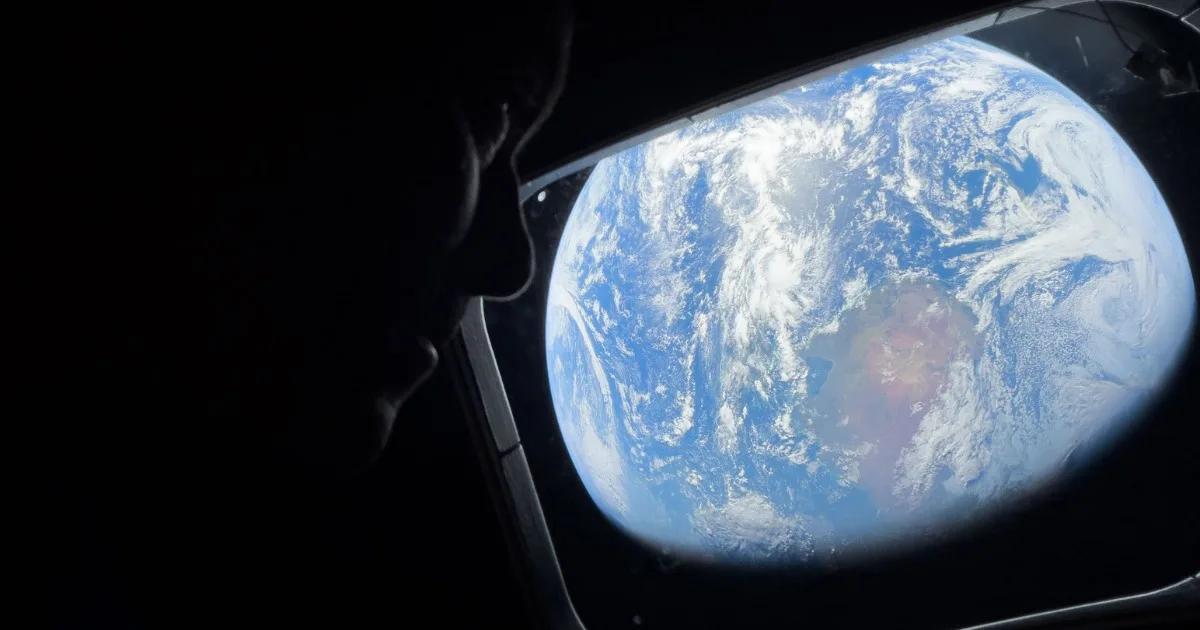
The image shows Artemis II commander Reid Wiseman looking at the Earth from one of the main cabin windows of the Orion spacecraft. The Earth appears to be pale blue from space.
Photosynthesis may take a different form in alien worlds
The Cornell University research team observed that alien microbes might use infrared radiation for photosynthesis. They also determined that microorganisms like anoxygenic bacteria (which do not produce oxygen) might be responsible for reflecting this unique ‘light fingerprint.’ As the results were published in the journal Monthly Notices of the Royal Astronomical Society, Lígia Fonseca Coelho, a Cornell University Ph.D. student, told the press, “Purple bacteria can thrive under a wide range of conditions, making it one of the primary contenders for life that could dominate a variety of worlds. They already thrive here in certain niches… just imagine if they were not competing with green plants, algae and bacteria: A red sun could give them the most favorable conditions for photosynthesis.”
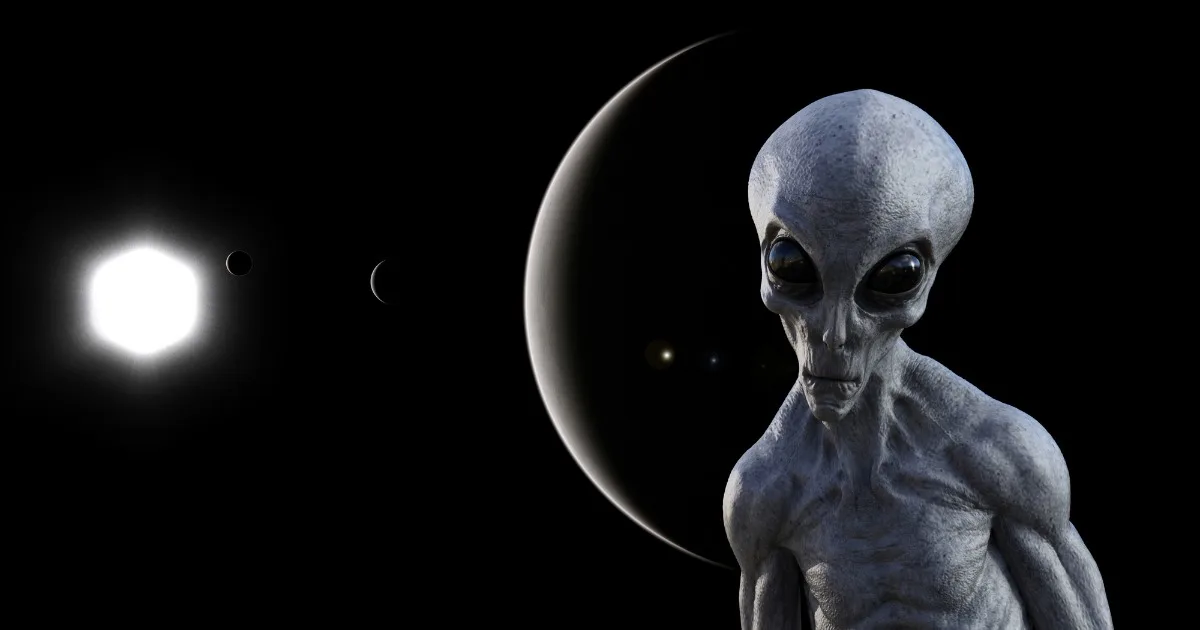
The image is an imaginary illustration of a gray alien in space with the Sun and a dark planet behind.
What purple sulfur bacteria tell us
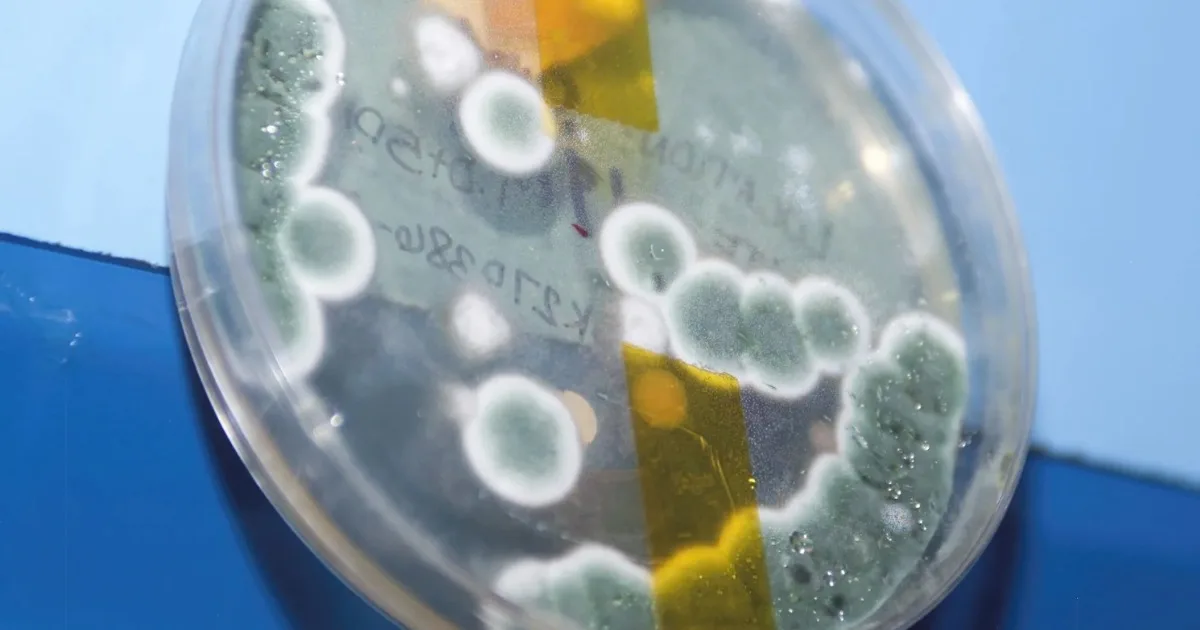
Trying to put their theories to the test, Coelho’s team cultivated 20 specimens of purple sulfur and purple non-sulfur bacteria from places like hydrothermal vents and ponds near the Cornell University campus. They found that these bacteria rely on invisible infrared light for their unique brand of photosynthesis.
The image shows a close view of fungal growth. It was clicked after a sample collected from the Veggie system aboard the International Space Station was incubated under conditions that encouraged its growth.
Before chlorophyll, Earth may have looked like a purple world
A pioneering theory that originated in the University of Maryland, known as the "Purple Earth hypothesis", tried to decipher why Earthly plants reflect greens when the majority of the Sun’s rays are in the blue-green spectrum. The scientists argued that retinal—a light-sensitive molecule present on Earth before chlorophyll—used to absorb the greens from the Sun and reflect red and violet. This phenomenon would look like a purple hue to the naked human eye. Later, when the more efficient chlorophyll evolved, it caused a massive rise in Earth's oxygen levels; the newer molecule simply absorbed the remaining available light that the retinal had left behind.
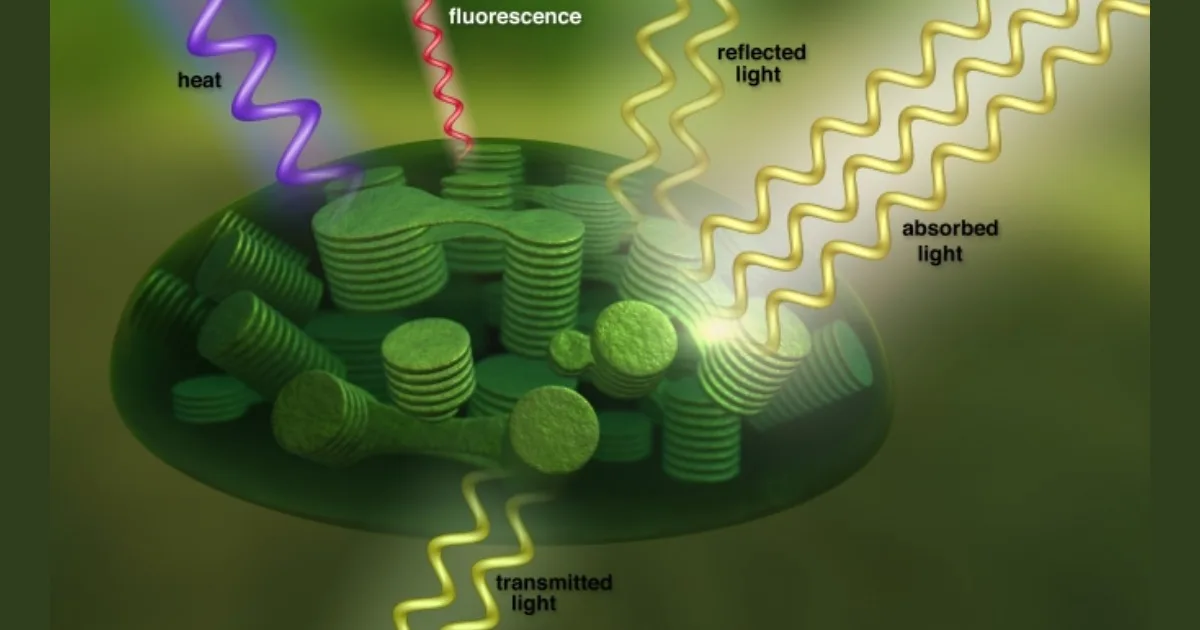
The image is a conceptual image from NASA’s Goddard showing the machinery inside the chloroplasts of a plant cell.
Purple hues in simulated worlds provide hint of what to search for
Contrastingly, on planets where oxygen levels remain poor, the evolutionary path can differ drastically. During their research, Coelho and her team studied several Earth-like models featuring both wet and dry environmental conditions. Surprisingly, a lot of the simulated ‘light fingerprints’ appeared to be purple. “If purple bacteria are thriving on the surface of a frozen Earth, an ocean world, a snowball Earth, or a modern Earth orbiting a cooler star, we now have the tools to search for them,” Coelho said.
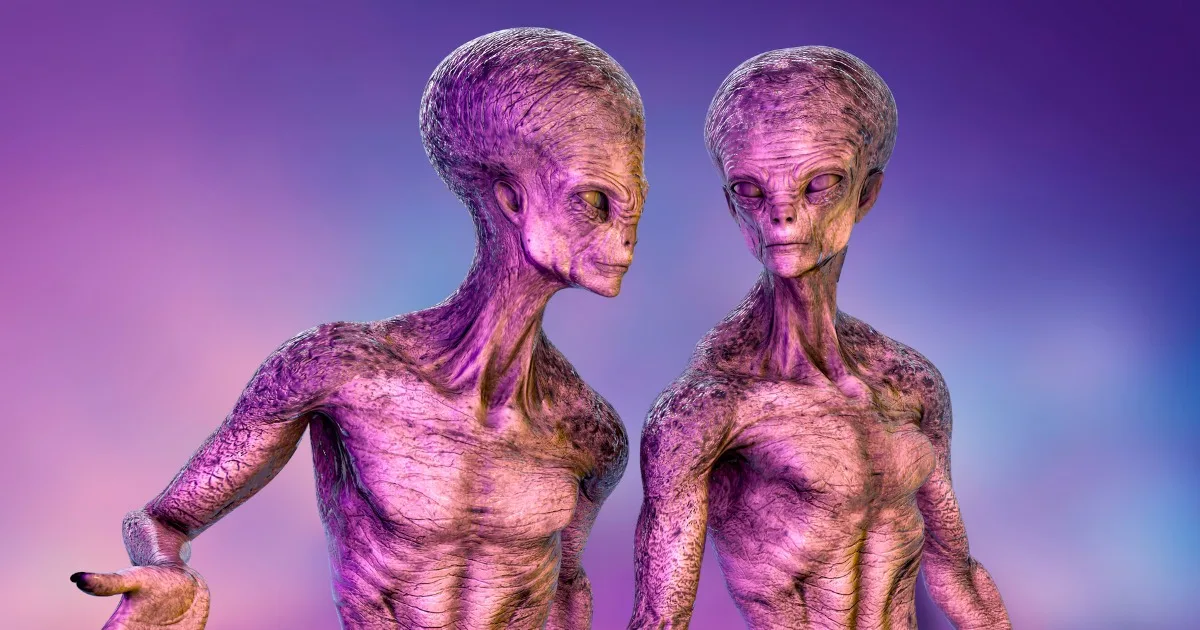
The image is an imaginary computer illustration of two aliens having a conversation.