SpaceX Falcon 9 rocket just crashed into the Moon—but have we hit the Moon accidentally before?
The Falcon 9 impact
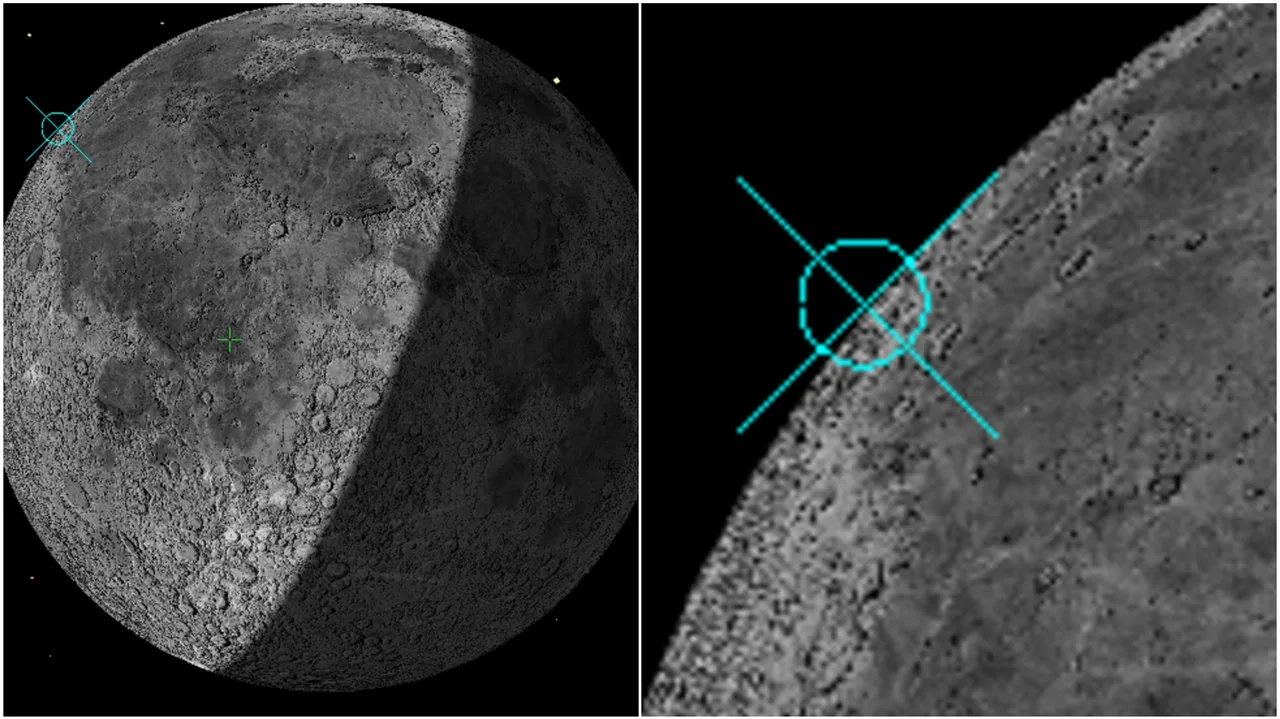
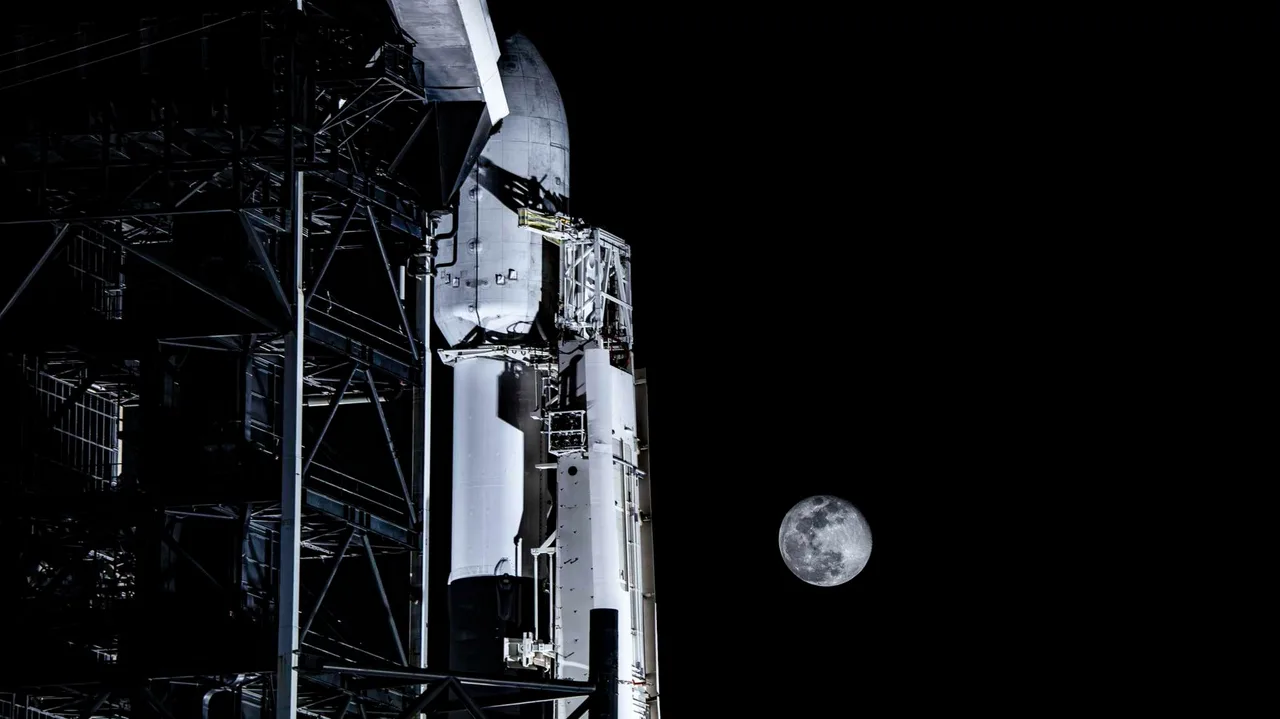
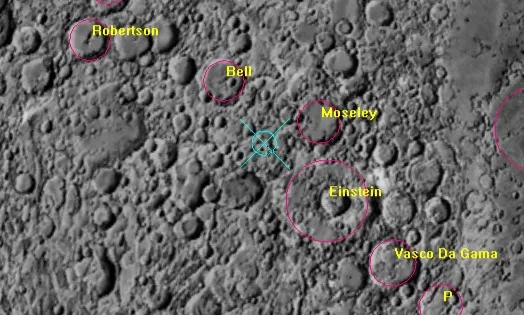
At around 2:35 am EDT on August 5, a discarded SpaceX Falcon 9 rocket crashed near the Einstein Crater located on the edge of the Moon's near side. The 4-ton rocket stage, about as tall as a five-story building, was estimated to have been traveling at a speed of nearly 5,400 miles per hour at the time.
The blue circle-and-cross in the picture marks the predicted location of the crash.
The crash was confirmed by the European Southern Observatory's Very Large Telescope, which detected spectral lines of sodium and lithium gas in the impact plume lasting for 5-10 minutes after the fact. In a post on Instagram, ESO said that the sodium is likely to have originated in the lunar soil, whereas the lithium could have come from the rocket itself.
How did the Falcon 9 rocket stage get there?
The Falcon 9 upper stage that crashed into the Moon was part of the rocket that launched on January 15, 2025, with Firefly Aerospace’s Blue Ghost Mission 1 and ispace’s RESILIENCE lunar landers on board.
Once it had sent the two landers towards the Moon, the upper stage did not have the fuel required for a controlled destructive reentry into Earth's atmosphere. As a result, it had been floating in space since then until a combined effect of solar activity and gravity sent it crashing into the lunar surface, SpaceX explained in a post on X.
What we know about the fresh lunar crater so far
While NASA's Lunar Reconnaissance Orbiter and South Korea's Danuri probe are expected to take images of the impact site, it will be days before we receive that information.
A paper prepared before the crash, however, estimated that the crash would create a crater 20-30 meters wide, while another paper suggested that the debris plume could reach an altitude of 15-20 kilometers.
The picture above offers a closer look at the predicted impact point (marked in blue) from above.
When SpaceX almost took the fall for a Chinese rocket crash on the Moon
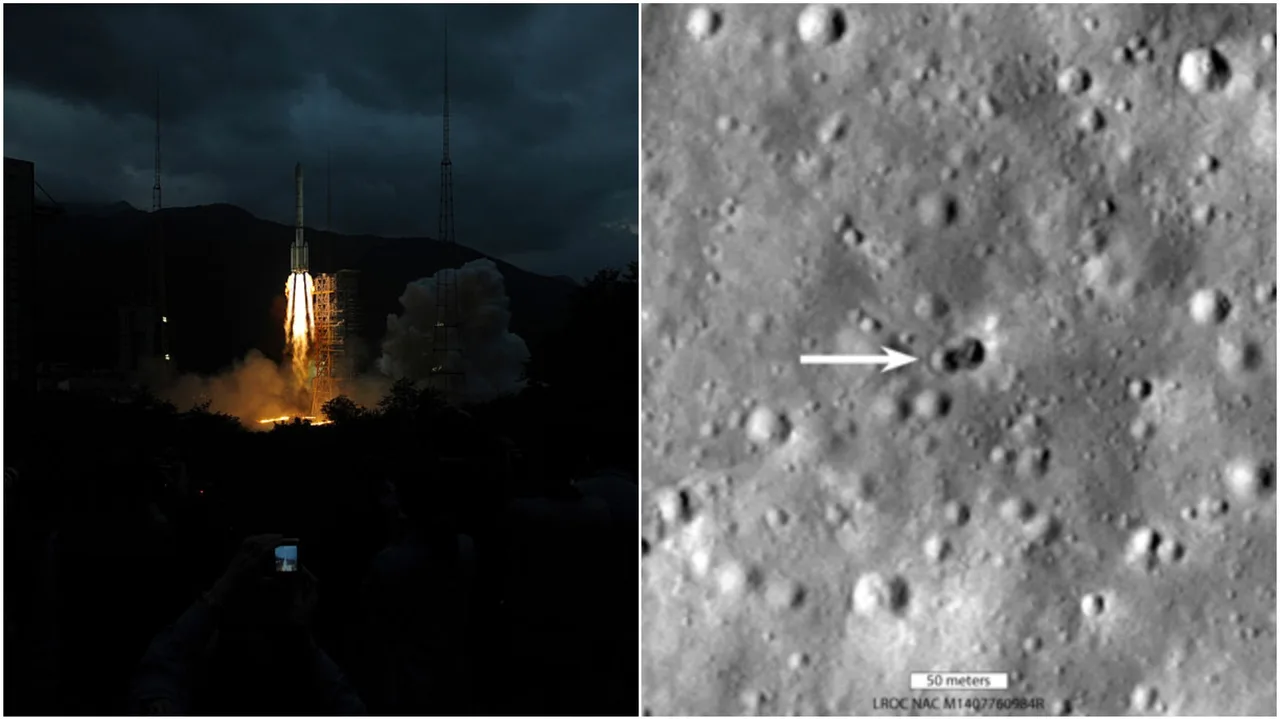
In March 2022, a discarded part of a Chinese rocket crashed into the far side of the Moon near the Hertzsprung Crater, leaving not one, but two fresh craters in its wake.
Initially, however, it was suspected to be an errant Falcon 9 rocket booster from a 2015 launch of a deep space climate observatory for NASA. It was only later that it was revealed that it was an upper stage associated with China's Chang'e-5T1, an experimental robotic mission that had launched in 2014 on top of a Long March 3C rocket.