Four uninhabitable worlds six light-years away—new data reveals more about Barnard's Star planets

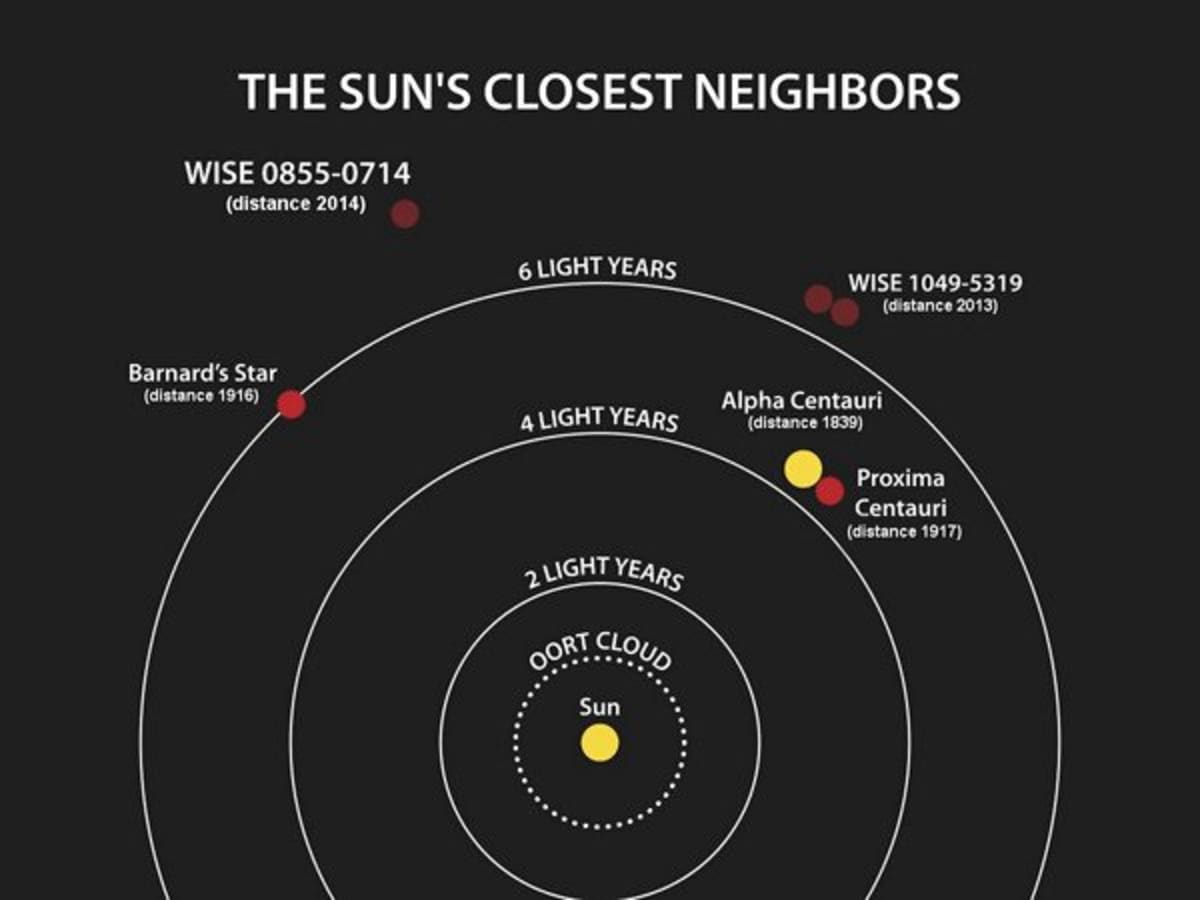
Astronomers from the University of Cambridge have provided new insights into a strange planetary system orbiting Barnard's Star. Located just under six light-years away from Earth, it is a single red dwarf and our closest stellar neighbor after the Alpha Centauri system. Discovered in 2025, the system's four planets are each smaller than Earth and Venus but larger than Mars, occupying a planetary size range that is not found anywhere in our own Solar System. The researchers have deciphered the chemical fingerprint of Barnard's Star and revealed what the orbiting planets are likely made of. This discovery, reported in the Monthly Notices of the Royal Astronomical Society, has opened a new window into a class of rocky planets that astronomers are only beginning to understand.
Any planetary system originates from the same cloud of gas and dust that forms the system’s star. Barnard's Star, it turns out, is unusually rich in magnesium. On Earth, magnesium helps form olivine, a mineral that plays an important role in storing water deep inside the mantle. But on the Barnard's Star planets, the abundance of magnesium appears to produce vast quantities of periclase, a mineral which is also found on Earth but remains buried hundreds of miles beneath the surface. “Barnard’s Star has an enormous amount of the element magnesium compared to other stars, so its planets are likely to be rich in magnesium too,” said lead author Xander Byrne from Cambridge’s Institute of Astronomy in a statement.

“On Earth, that magnesium goes into making minerals called olivines, which are really important for storing water within the planet,” he added. Unlike olivine, periclase cannot trap water as efficiently. This difference may have enormous consequences. If the periclase-rich planets cannot lock away water within their interiors, they are likely to be much drier than Earth. The planets are also very close to their host star, with the outermost planet being ten times closer than Mercury’s distance to the Sun. The star’s scorching radiation likely stripped the planets’ atmospheres away, turning them into airless worlds.
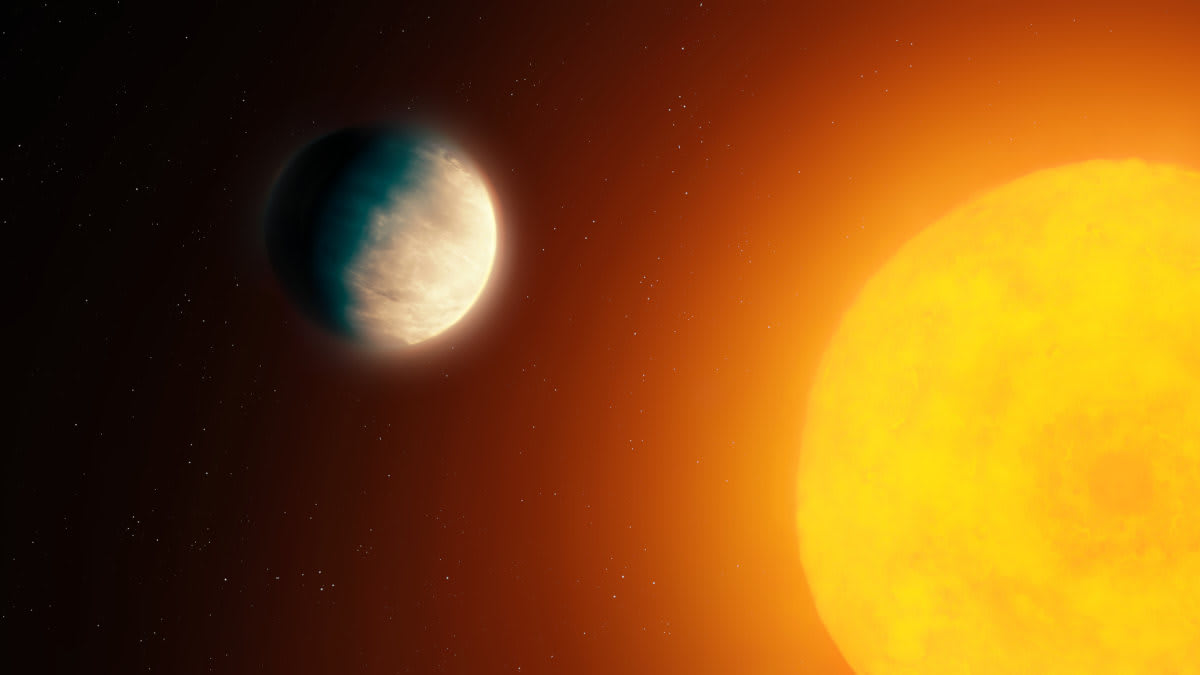
For the planets, extreme proximity brings another remarkable consequence: tidal locking, forcing each of Barnard's Star's planets to permanently face its star, akin to the Moon showing the same face to Earth. The result is that one hemisphere is baked under a blazing star, while the opposite side plunges into perpetual darkness, dismissing the possibility of an Earth-like temperature range on these planets. Despite being sequestered in a small orbital space, the planets have avoided colliding with one another. How did this happen? The planets appear to avoid that fate due to an elegant cosmic rhythm. The orbital periods of the inner three planets follow a 9:12:16 ratio—a mathematical resonance comparable to two consecutive perfect fourths in music. This gravitational harmony helps keep the planets in stable orbits, much like similar resonances protect several of Jupiter's moons.
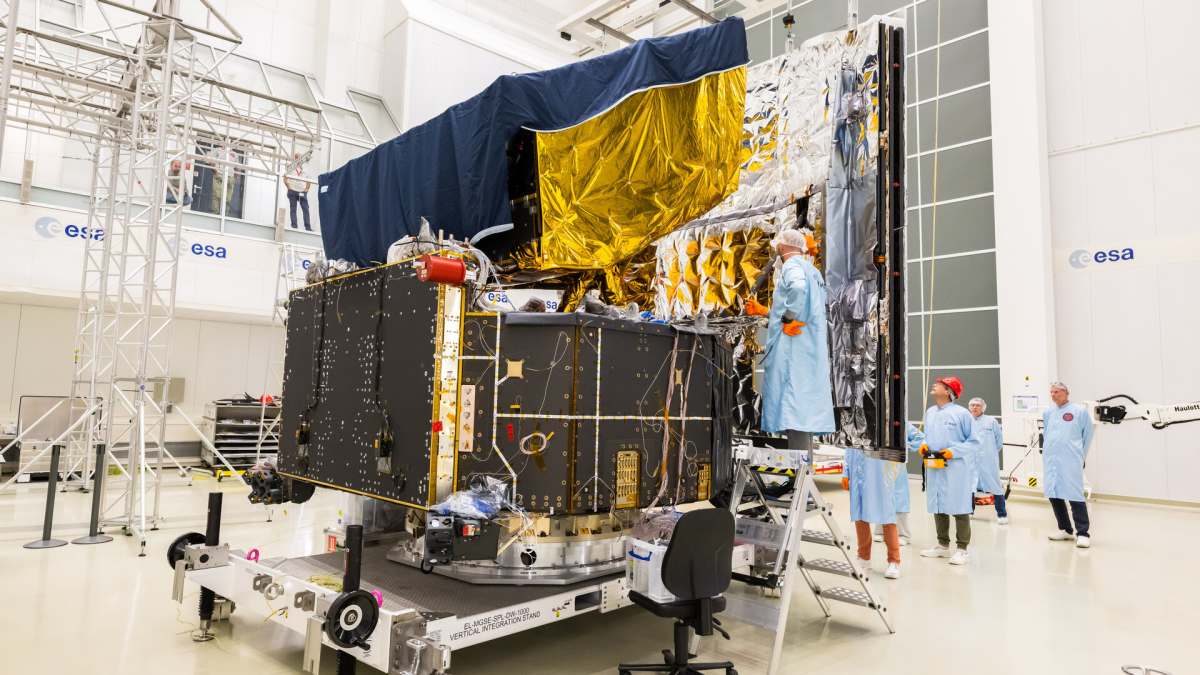
Astronomers pin their hope on upcoming missions, such as the European Space Agency’s PLATO mission, which they hope will hunt down more small planets like those around Barnard’s Star. “Larger planets are much easier to detect than small ones, so we know about very few sub-Earth planets like the ones in this system,” said Byrne. “But the sensitivity of these new missions will help to reduce this bias, allowing us to discover more and more planets that are small and rocky, like Earth.”
More on Starlust:
A rare 'teenage' planetary system could help bridge a gap in the study of cosmic evolution
'Found you!': Astronomers find the faintest planet ever photographed after 11 years of hide and seek