A rare 'teenage' planetary system could help bridge a gap in the study of cosmic evolution
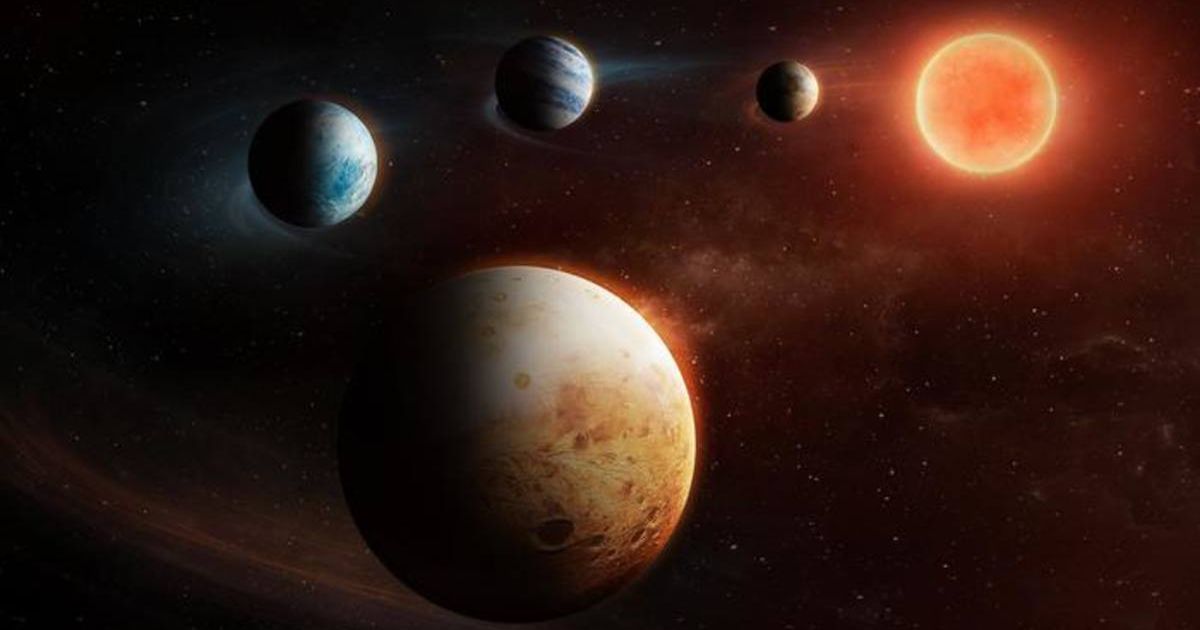
Astronomers have only studied planetary systems at birth or in their adulthood. However, little is known about what happens in between. Now, an international research team has provided a detailed picture of TOI-2076, a planetary system that they think is in a transitional stage or 'teenage' phase of its life. With the help of observations and models, the team identified potential markers that led them to conclude that it is a 210-million-year-old teenage planetary system lying more than 130 light-years away from Earth. The study, published in Nature Astronomy, reveals that in its early days, the system was a tightly packed planetary system orbiting a young star, whose radiation triggered dynamic evaporation of the planets' atmospheres.
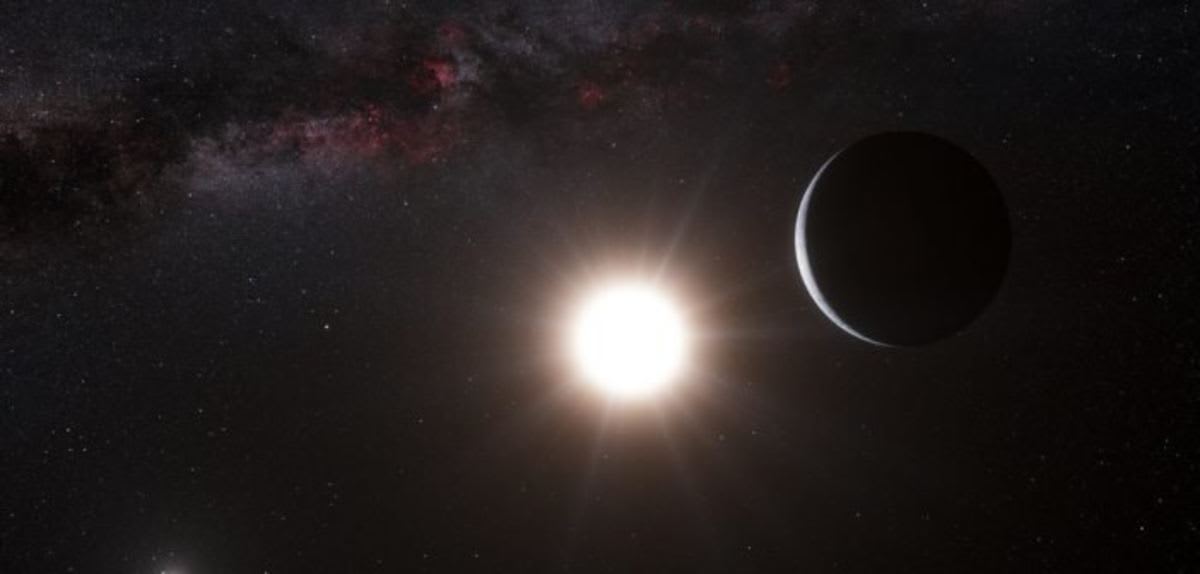
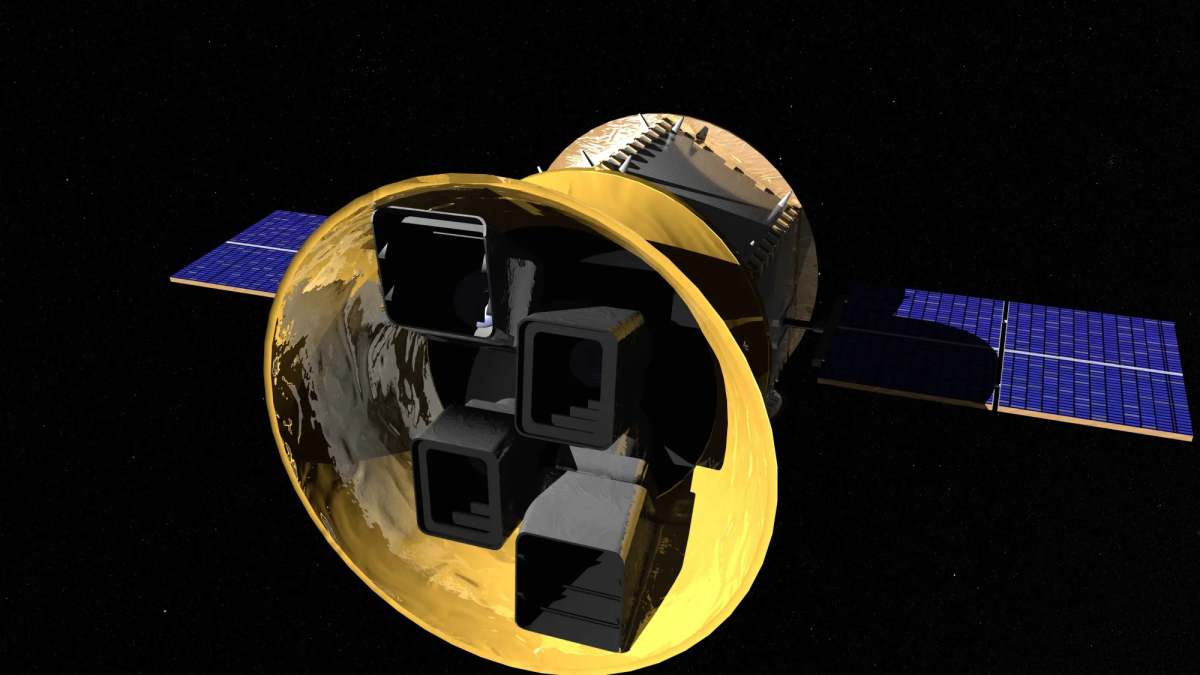
“The transformative period is so short compared to the entire lifespan of the system,” said co-author Howard Chen, an astronomer at the Florida Institute of Technology (FIT), in a statement. “That period is really the key in determining how it turns out at its mature state.” Chen is adept at using computer models to probe planetary evolution from birth to maturity across the universe. First spotted by NASA's Transiting Exoplanet Survey Satellite (TESS), the TOI-2076 system that Chen and his colleagues at the California Institute of Technology, the University of Hawaii, and Nanjing University studied has four planets that orbit a K-type dwarf star.
Observations revealed that the planets have rocky cores but with different atmospheres. The innermost planet lost much of its original gases. However, the outer ones retained most of their atmospheres. The host star’s radiation heats the planet’s gases, causing them to escape into space, a process called photoevaporation. The planets closer to the star receive more heat and hence lose more gas than their farther counterparts.
![TTVs and RV observations and measured masses and radii of the TOI-2076 planets. [Image Source: Nature Astronomy (2026). DOI: 10.1038/s41550-026-02795-9]](https://de40cj7fpezr7.cloudfront.net/21da810f-605a-4226-a41a-32bde9d7c5bd.jpg)
Chen applied his planetary evolution models to mimic how such radiation-induced gas loss would shape the planets as they grew into adolescence. The results of his simulations matched those of observations, prompting him to declare that photoevaporation was indeed at play. The host star’s radiation stripped some planets into rocks while sparing others. According to the models, gas loss contributed to a change in mass, causing the planets to move away from the host star. “For me, the whole point of going into modeling is to be able to connect with observations. You want your models to say something about the real world, but that’s not necessarily the case every time,” said Chen. “To see the model work in the real world and explain what’s happening is pretty powerful.”
The simulation reveals that the inner planets lose much of their atmosphere within 100 million years, and then they remain stable for billions of years. This gives a probable timeline for a planetary system to reach adolescence. Chen’s model, bolstered by observational studies, will help astronomers better understand how older planetary systems evolved and young planetary systems will grow up.
More on Starlust
Astronomers have discovered a unique planetary system where planets are arranged 'inside out'
How many exoplanets have we discovered? A look at the most bizarre ones