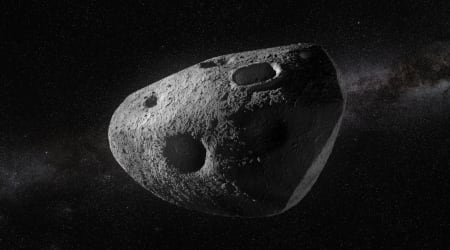
Distant dwarf planet Quaoar may have a new moon or ring system, scientists claim
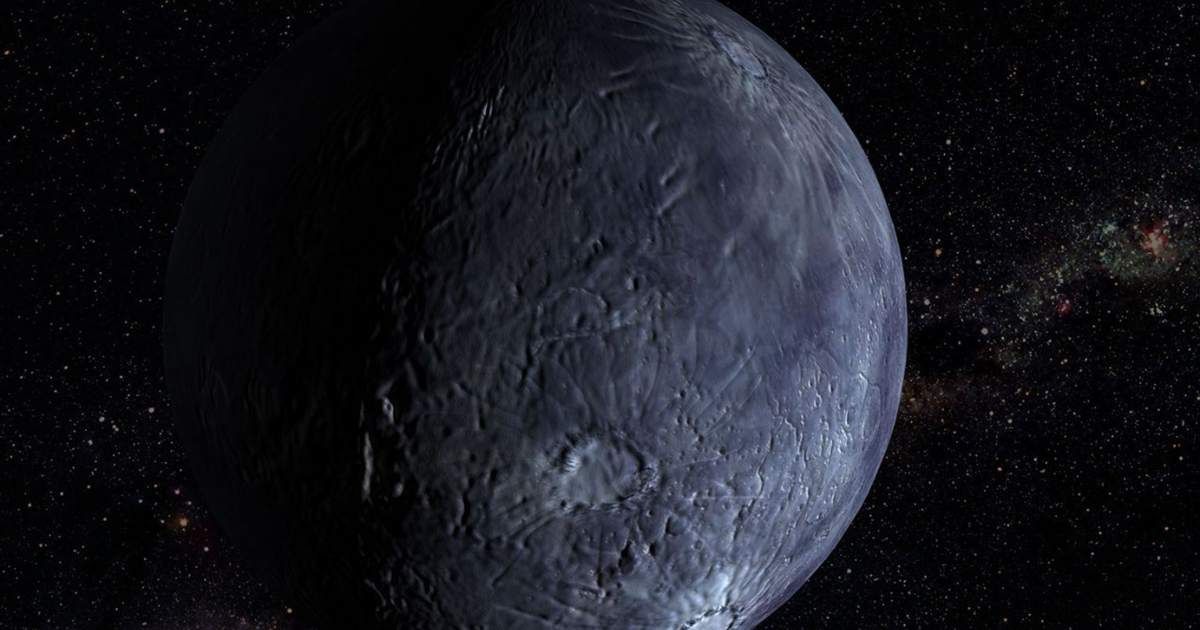
In an unexpected astronomical discovery, scientists may have found a previously unknown moon or a new ring orbiting the distant dwarf planet Quaoar. The finding was made during a stellar occultation, a rare event where a celestial body passes in front of a distant star, briefly blocking its light, as per Phys.org.
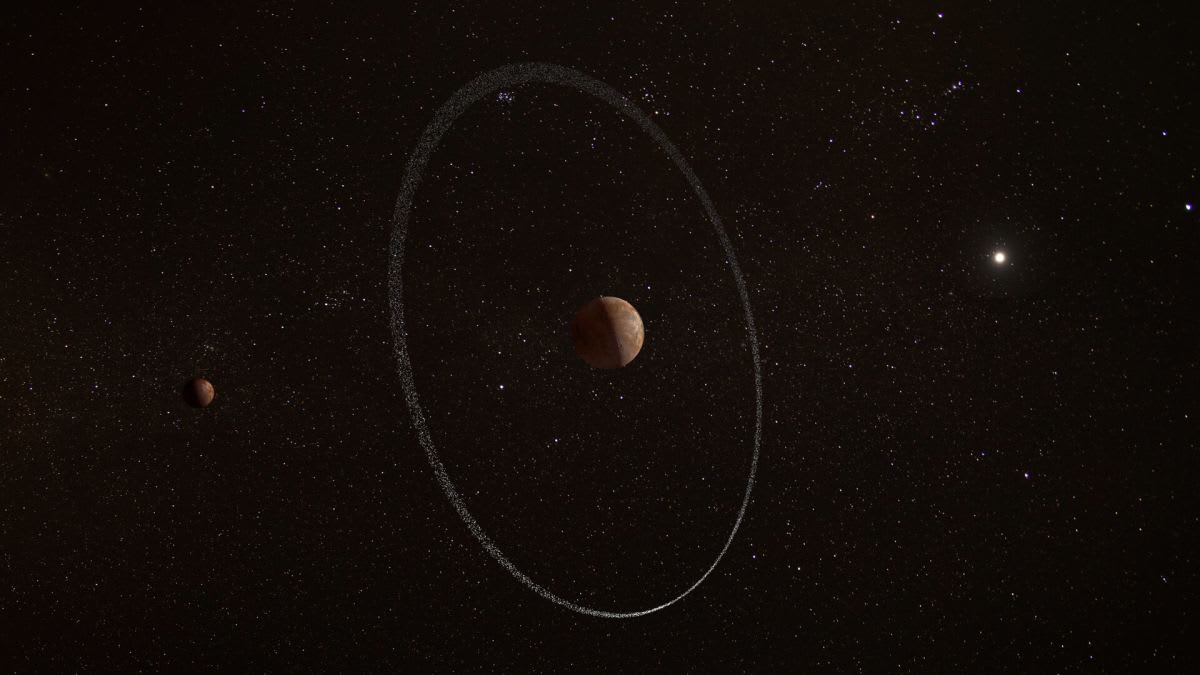
Astronomers were observing Quaoar on June 25, 2025, to study its known ring, but instead of the expected dimming caused by the ring, a separate, solid object completely obscured the starlight for 1.23 seconds. This distinct light signature suggests the object is a solid satellite rather than a faint, dusty ring. While researchers acknowledge a third ring as a possibility, the lack of supporting evidence from prior James Webb Space Telescope (JWST) observations makes a new moon the more likely explanation.
The discovery adds a new layer to the mystery surrounding Quaoar. Located in the Kuiper Belt, a vast region of icy bodies beyond Neptune, Quaoar is a small, egg-shaped planet already known for its moon, Weywot, and two rings. The existence of these rings is already perplexing to scientists because they are located far from the planet, well beyond the Roche limit, the point where a planet's gravity typically tears apart orbiting bodies.
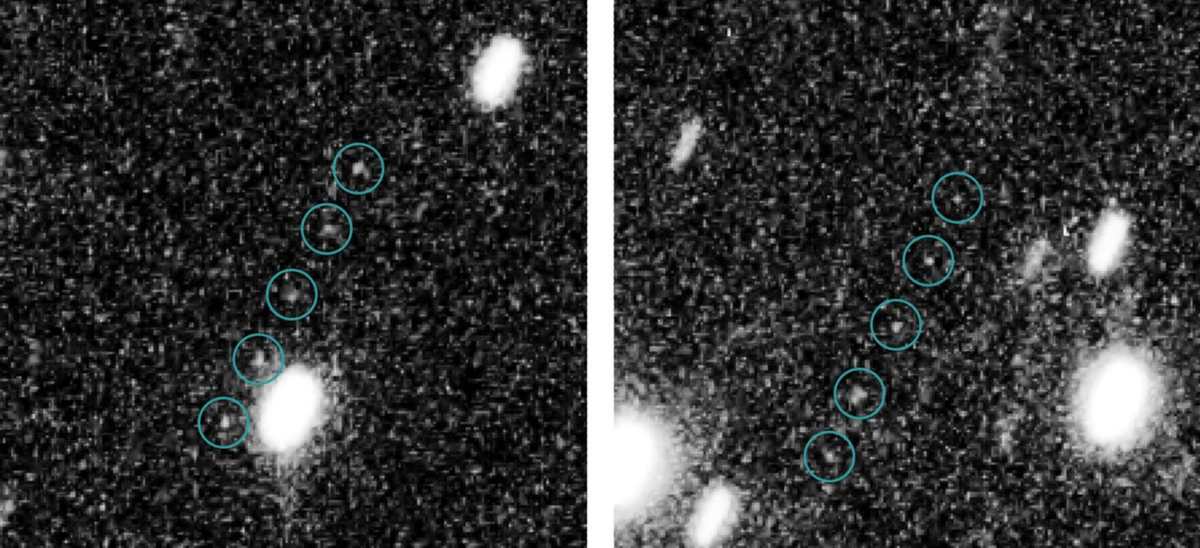
This new finding challenges existing theories about how planetary systems form in the outer reaches of the solar system. Further observations, particularly from the JWST, are needed to confirm the object's identity and may provide new insights into the formation of moons and rings around distant planets. This discovery of a potential new moon or ring system around Quaoar challenges our fundamental understanding of how planets and their satellites form. By studying this distant and mysterious system, we can gain new insights into the rules that govern the formation of planetary bodies, not just in our solar system, but throughout the universe.

The potential discovery follows on the heels of a surprising finding just two years ago: Quaoar has a second ring. In a study accepted by the journal Astronomy & Astrophysics, a large international team of astronomers reported the discovery of the second ring while they were studying the first, according to Phys.org. Both of Quaoar’s known rings are invisible to standard telescopes. They were found indirectly through stellar occultation, the same method that revealed the potential new moon. This technique uses the dimming of starlight to detect objects passing in front of a distant star.
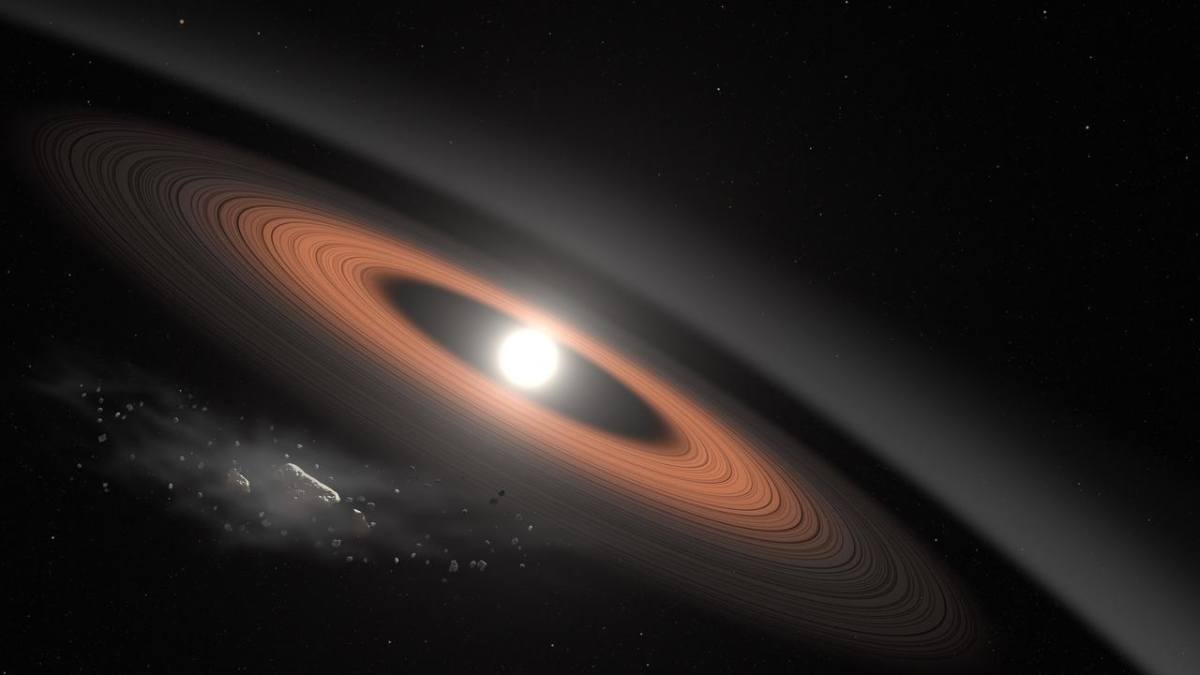
The existence of both rings is puzzling because they sit far from the dwarf planet, outside the Roche limit. This contradicts conventional theories that predict rings should only form inside this gravitational boundary, while moons should form outside of it. The discovery has led some scientists to question these long-held theories on how moons and rings form. The reason for Quaoar’s unique rings remains a mystery, though some speculate the moon, Weywot, may be a factor. Scientists plan to conduct further observations during future occultations to learn more about the two rings and the newly discovered object.
More on Starlust
Astronomers unveil exceptionally powerful high-resolution spectrograph to find red dwarf plane
Astronomers discover a new moon in Uranus' orbit using the James Webb Telescope