Astronomers discover a new moon in Uranus' orbit using the James Webb Telescope
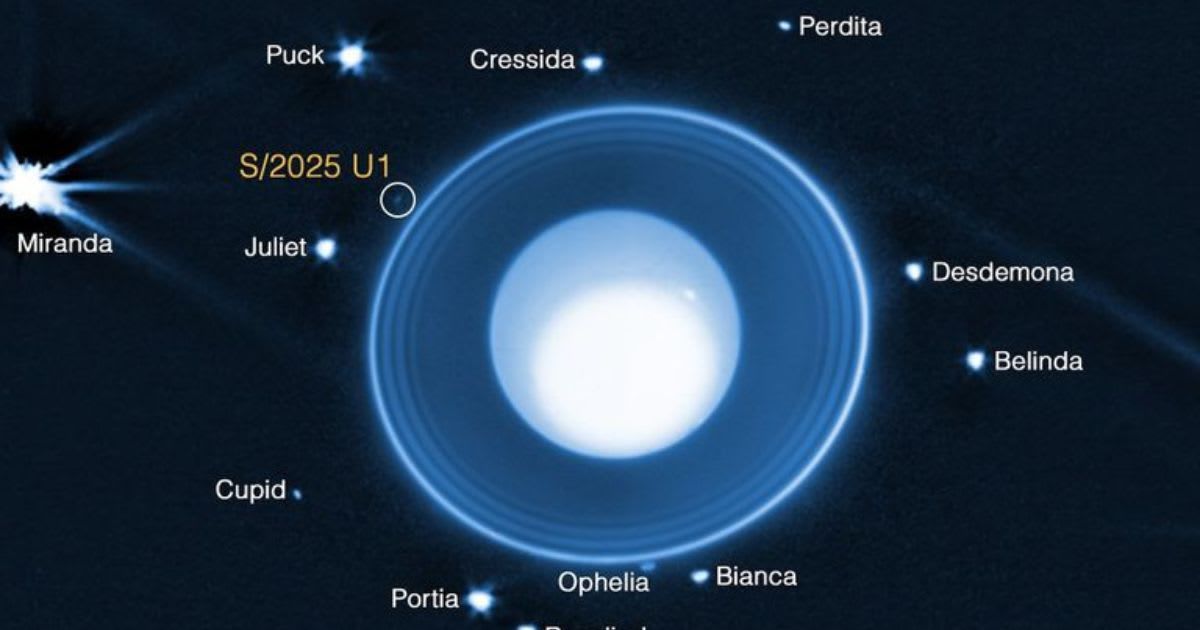
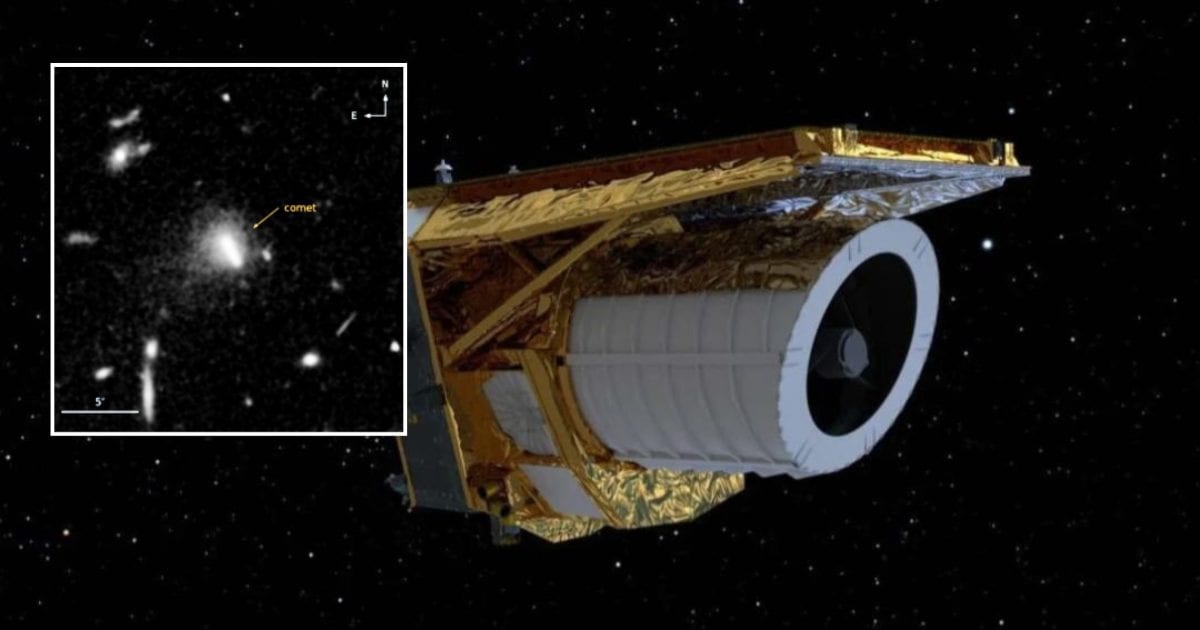
A team of astronomers has announced the discovery of a new moon orbiting Uranus, bringing the total number of known satellites for the ice giant to 29. The finding, made using the James Webb Space Telescope (JWST), was part of an observational program on February 2, 2025, according to NASA.
Researchers from the Southwest Research Institute (SwRI) led the effort, which relied on the telescope's Near-Infrared Camera (NIRCam) to identify the faint object. "This object was spotted in a series of 10, 40-minute long-exposure images," stated Maryame El Moutamid, a lead scientist at SwRI. "It’s a small but significant discovery, something that even NASA’s Voyager 2 spacecraft missed during its flyby nearly 40 years ago."
We’re not sitting on this one, Uranus has another Moon!
— NASA Webb Telescope (@NASAWebb) August 19, 2025
Webb discovered an unknown moon orbiting the planet, expanding its known satellite family to 29. https://t.co/uc9CdPnB7w pic.twitter.com/NM9vlAm24H
The newly found moon is estimated to be about 6 miles (10 kilometers) in diameter. Its small size and low reflectivity likely prevented its detection by previous missions and ground-based telescopes. The discovery adds a 14th member to the intricate system of small moons that orbit inside Uranus's larger satellites.
Of the planet's now 29 moons, this one is the 14th member of the system of moons orbiting inward of the largest moons,Miranda, Ariel, Umbriel, Titania, and Oberon. pic.twitter.com/UbZNW287O1
— NASA Webb Telescope (@NASAWebb) August 19, 2025
"The new moon is smaller and much fainter than the smallest of the previously known inner moons, making it likely that even more complexity remains to be discovered,” Said Matthew Tiscareno, a research team member from the SETI Institute. The moon's nearly circular orbit, positioned between the moons Ophelia and Bianca, suggests it may have formed in its current location.
The International Astronomical Union (IAU) will be responsible for naming the new moon, which, like all of Uranus' moons, is expected to be named after a character from the works of Shakespeare or Alexander Pope. This discovery highlights the JWST's powerful capabilities in exploring the outer solar system, pushing the boundaries of what was possible with previous observatories like Voyager 2.
The discovery of the new moon contributes to a long history of exploration of Uranus's complex lunar system, which has steadily expanded since the first telescopic observations. The two largest moons, Oberon and Titania, were first identified by William Herschel in 1787, as per NASA. Two more, Ariel and Umbriel, were later discovered by William Lassell, who was also the first to see a moon orbiting Neptune. Nearly a century later, Gerard Kuiper located Miranda in 1948, completing the discovery of the five major satellites.
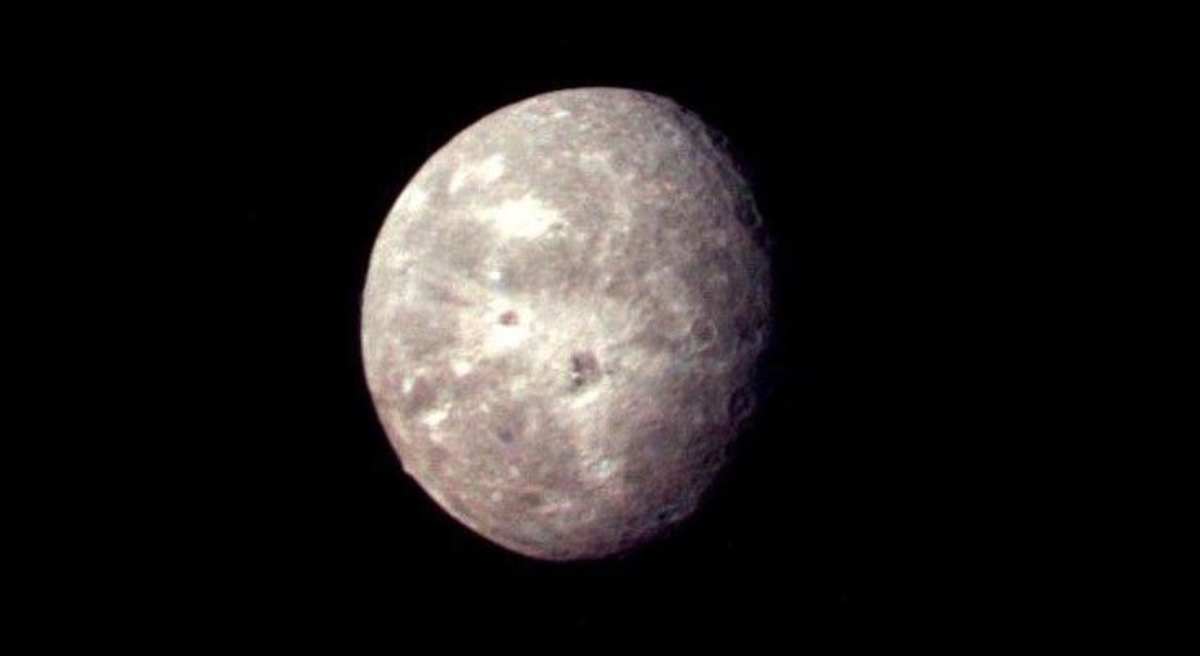
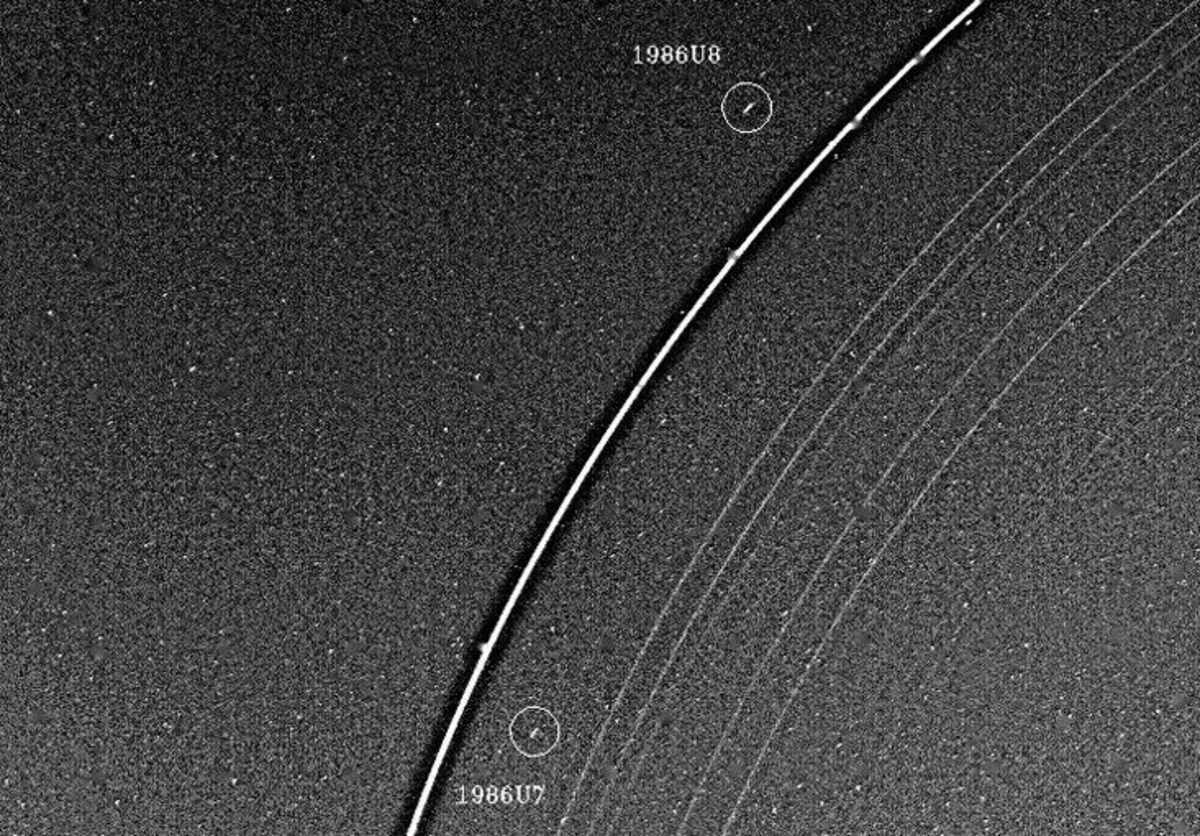
The next breakthrough came in 1986, when NASA's Voyager 2 spacecraft conducted a flyby of the planet and revealed ten previously unknown moons, all measuring between 16 to 96 miles (26 to 154 km) in diameter. Since the Voyager mission, astronomers have used the Hubble Space Telescope and other advanced ground-based telescopes to uncover even tinier satellites, some as small as 8-10 miles (12-16 km) across. These are incredibly faint, with a surface darker than asphalt, and are located over a billion miles from the Sun.
The composition of Uranus' inner moons is believed to be a mix of roughly half water ice and half rock. The more distant moons, which lie beyond the orbit of Oberon, are thought to be captured asteroids, but their exact composition remains unknown. This discovery by the James Webb Space Telescope underscores the perpetual mission to unravel the mysteries of this distant and enigmatic planet.