Makemake of the Kuiper Belt not just a 'dormant frozen' world—new JWST evidence surprises scientists
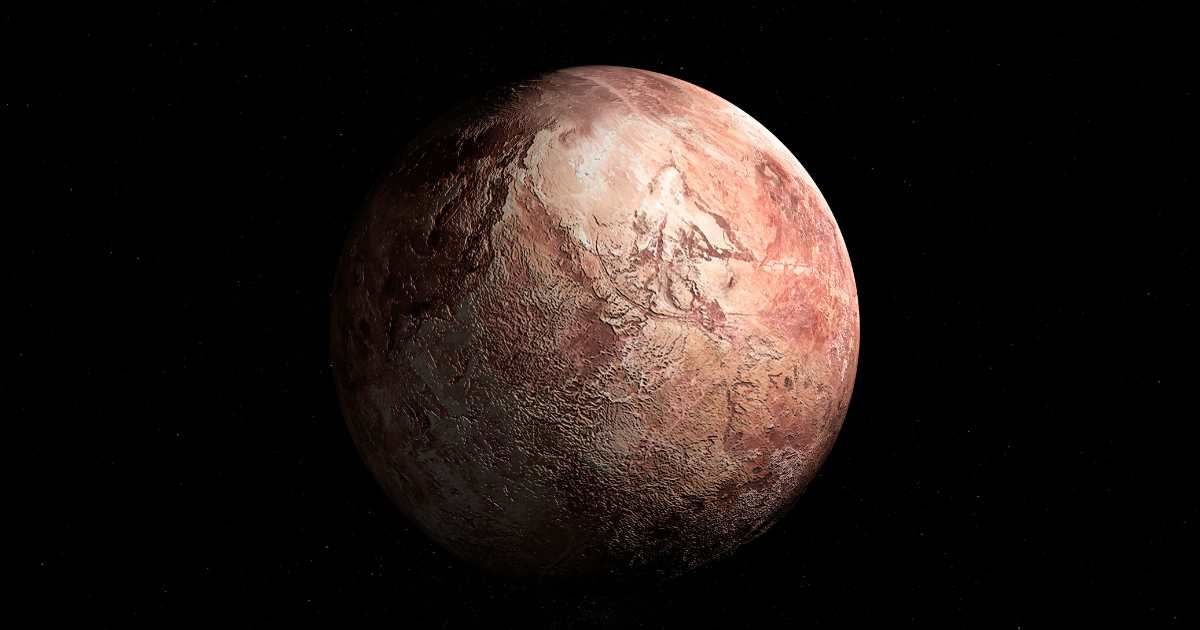
The first detection of gas on the distant dwarf planet Makemake is confirmed by a Southwest Research Institute research team. NASA's James Webb Space Telescope (JWST) observed the presence of the gas, which was identified as methane. According to the arXiv preprint study that is line to be published in The Astrophysical Journal, the Webb telescope revealed that methane is also present in the gas phase above the planet’s surface. This is proof that Makemake is not an inactive remnant of the outer solar system, but a dynamic entity with evolving methane ice.
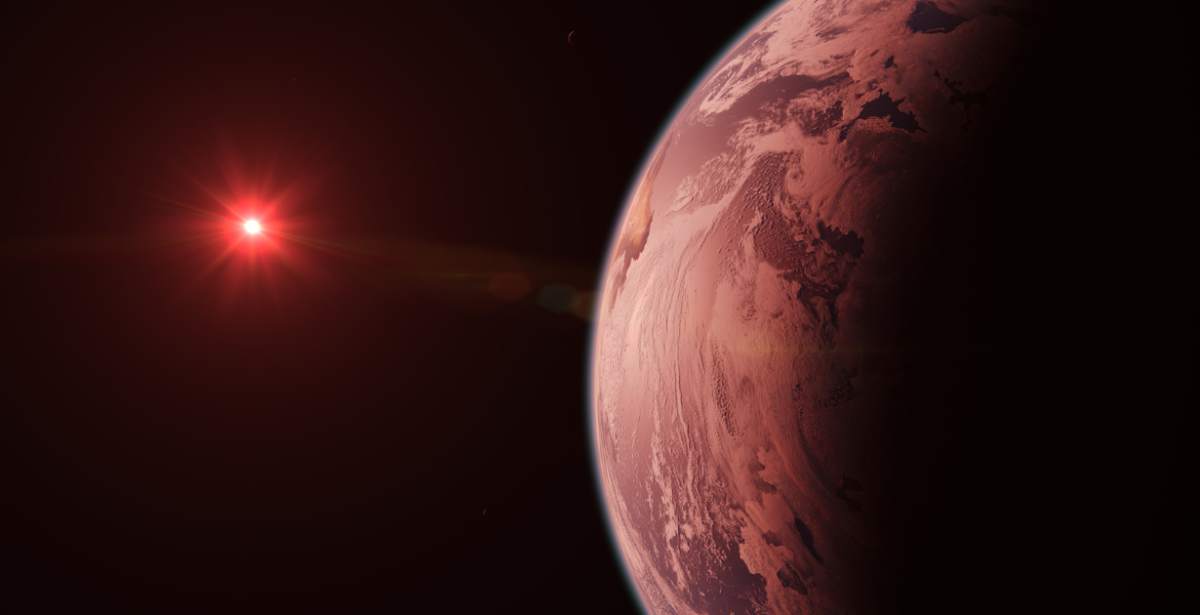
"Makemake is one of the largest and brightest icy worlds beyond Neptune, and its surface is dominated by frozen methane," stated SwRI's Dr. Silvia Protopapa, the study’s lead author. As per Phys Org, the methane was detected using solar-excited fluorescence. The observed spectral emission is the re-emission of sunlight that was absorbed by methane molecules. This hinted at a weak atmosphere in equilibrium with surface ice, or interactions that only lasted for a short time. Both scenarios align with the level of noise and the limited spectral resolution found in the data.
James Webb finds methane on dwarf planet Makemake - https://t.co/gArycYLKmq pic.twitter.com/olvFqp18IY
— Universe Space Tech (@ust_magazine) September 10, 2025
Makemake is an intriguing planet, as stellar occultations indicated a lack of substantial global atmosphere. However, infrared data hints at confusing thermal anomalies and unusual features of methane ice. This increased the potential for localized hot spots on the surface and possible outgassing. "Future Webb observations at higher spectral resolution will help determine whether the methane arises from a thin bound atmosphere or from plume-like outgassing,” said co-author Dr. Ian Wong, a staff scientist at the Space Telescope Science Institute.

These observations increase the possibility that Makemake has a very weak atmosphere that is sustained by methane sublimation. The team also suggested that methane could be a result of a more dramatic geological activity on the planet, according to Universe Today. Their model observed Makemake in a state of experiencing plume-like outbursts, which could release methane. The rates of this release could be compared to the water plumes that erupt from Saturn's moon Enceladus, considering a few hundred kilograms per second in equal comparison.
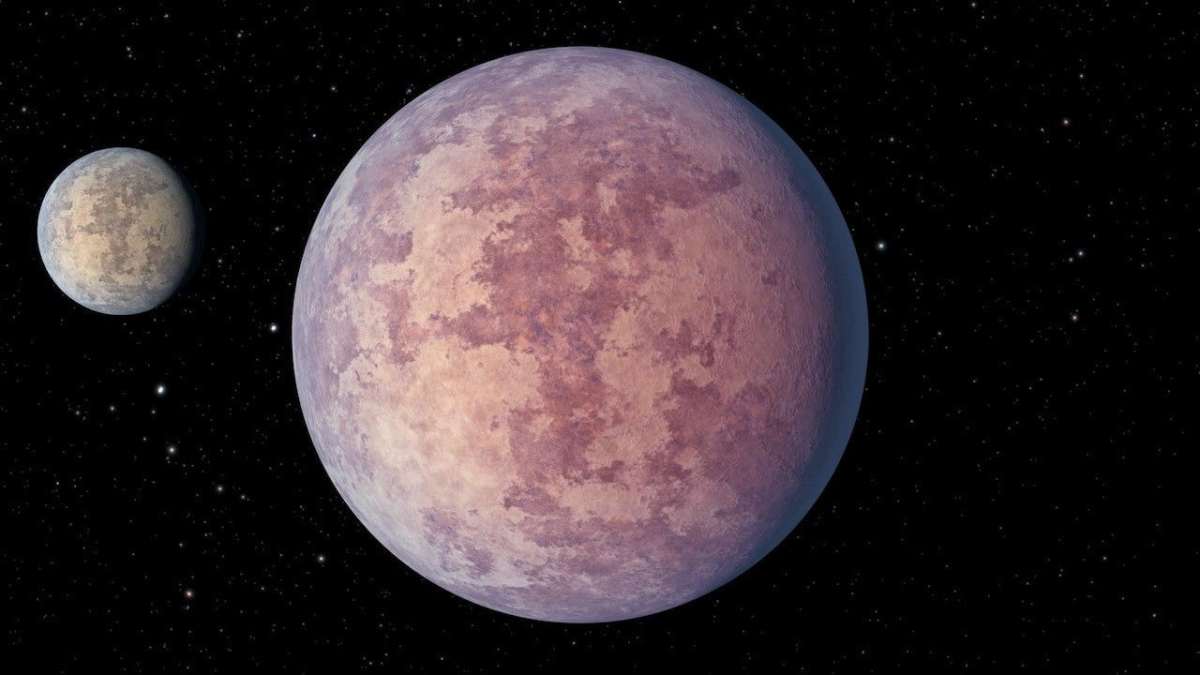
The team hoped to conduct further observations with James Webb's higher spectral resolution capabilities. This might help understand whether Makemake's methane is from a bound atmosphere or transient outgassing events. The temperature of the gas is pointed to around 40 Kelvin based on the most accurate models, while the surface pressure is around 10 picobars. This is 100 billion times below Earth's atmospheric pressure, and a million times weaker than Pluto's. If confirmed, Makemake would be one of the few outer solar system bodies with this process active.
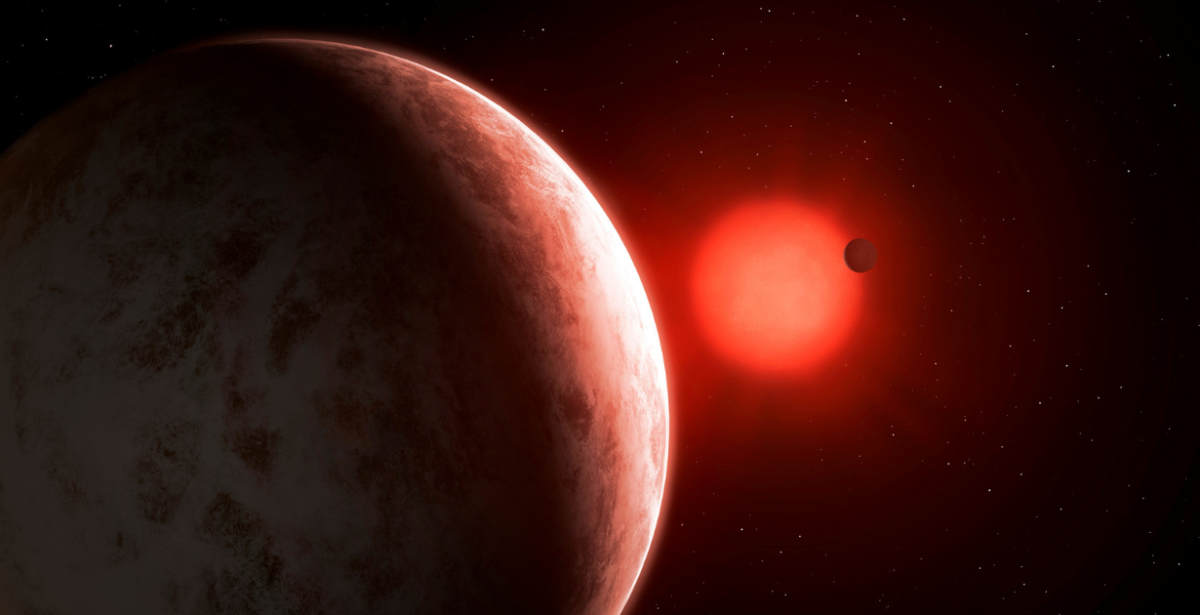
Regardless, this distant dwarf planet is proof that beyond our solar system, there lie worlds that have hidden complexity. This research is also evidence of what collaboration can yield, with the connection between Webb observations and detailed spectral modeling. This is a significant insight into the behavior of trans-Neptunian regions, which adds to our knowledge of similar bodies in the galaxy. These elements can provide data on the basic building blocks of cosmic objects beyond our solar system, if they influence other elements, and how they evolved.
More on Starlust
Astronomers unveil exceptionally powerful high-resolution spectrograph to find red dwarf planets