Did Venus once have a moon? Scientists think the planet may have destroyed it
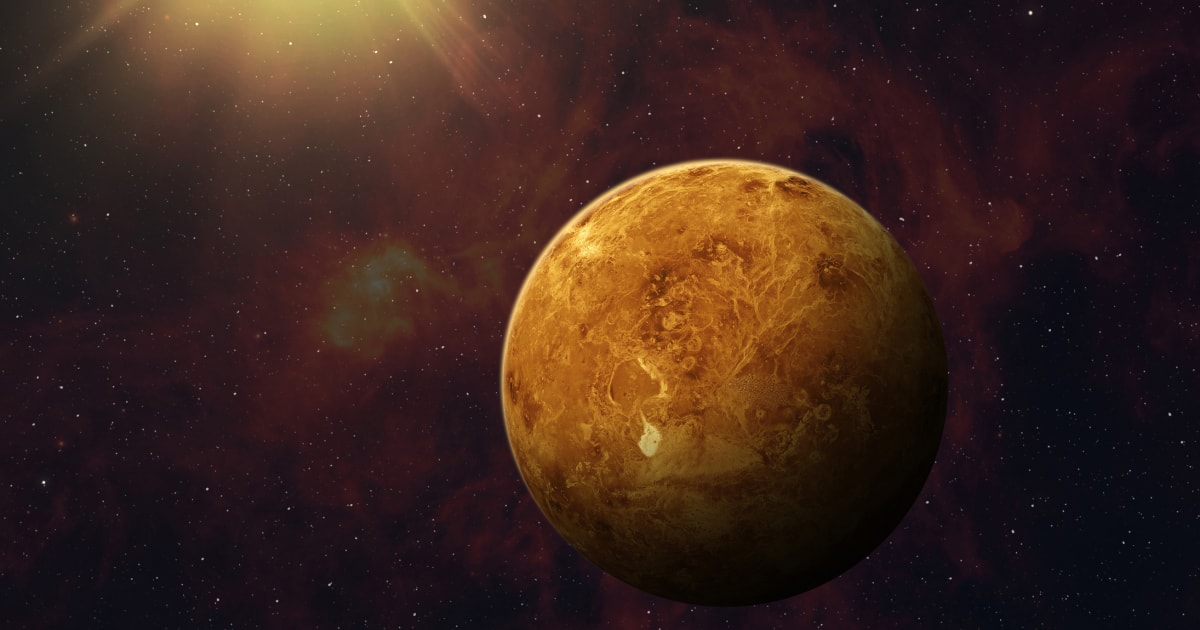
Earth and Venus are considered twins because of their similar size, mass, and even rocky composition. But one of the things that sets them apart is their natural satellites. Earth has one natural satellite that helps keep the planet stable in many ways, such as stabilizing its axial tilt, which regulates our seasons, and slowing its spin down to 24 hours. Venus, on the other hand, does not have a moon.
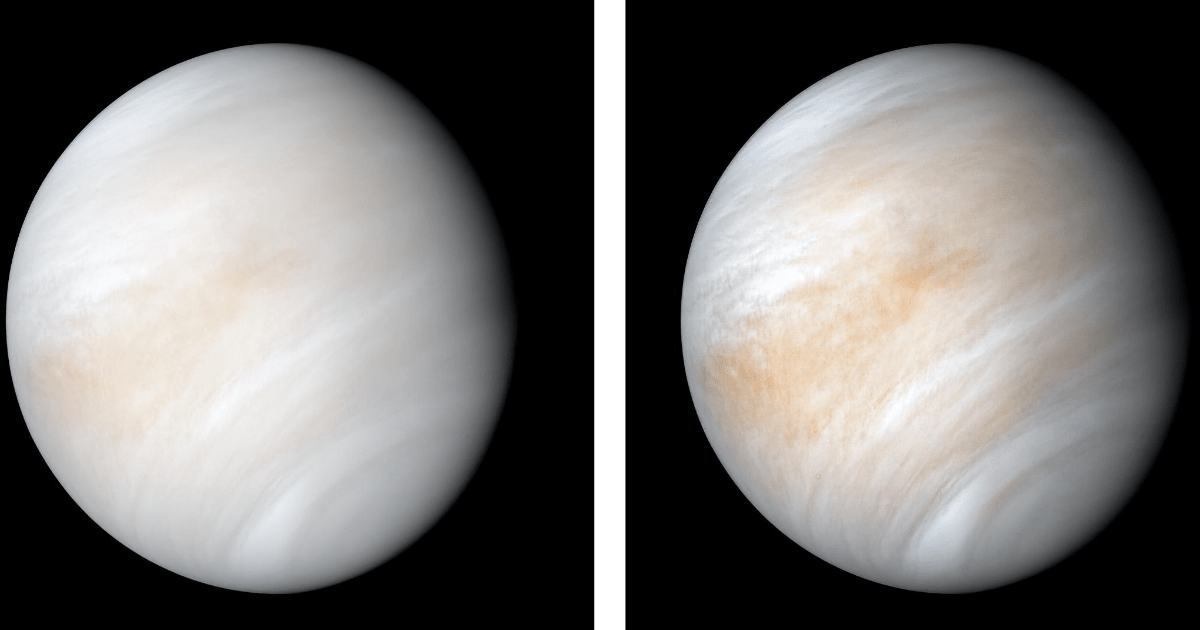
A new study, posted on the preprint server arXiv in late August by Stephen R. Kane, Franck Selsis, Jeremy Leconte, and Sean N. Raymond, suggests a way to estimate whether Venus ever had a moon, and if it did, how this moon could have affected the moon's orbit and Venus's rotation.
Understanding Venus's missing moon
As of now, scientists are not sure whether Venus ever had a moon. To understand this, researchers studied how a hypothetical Venus-moon system would have evolved or changed over time. Scientists believe that tidal forces would have played a major role in it.
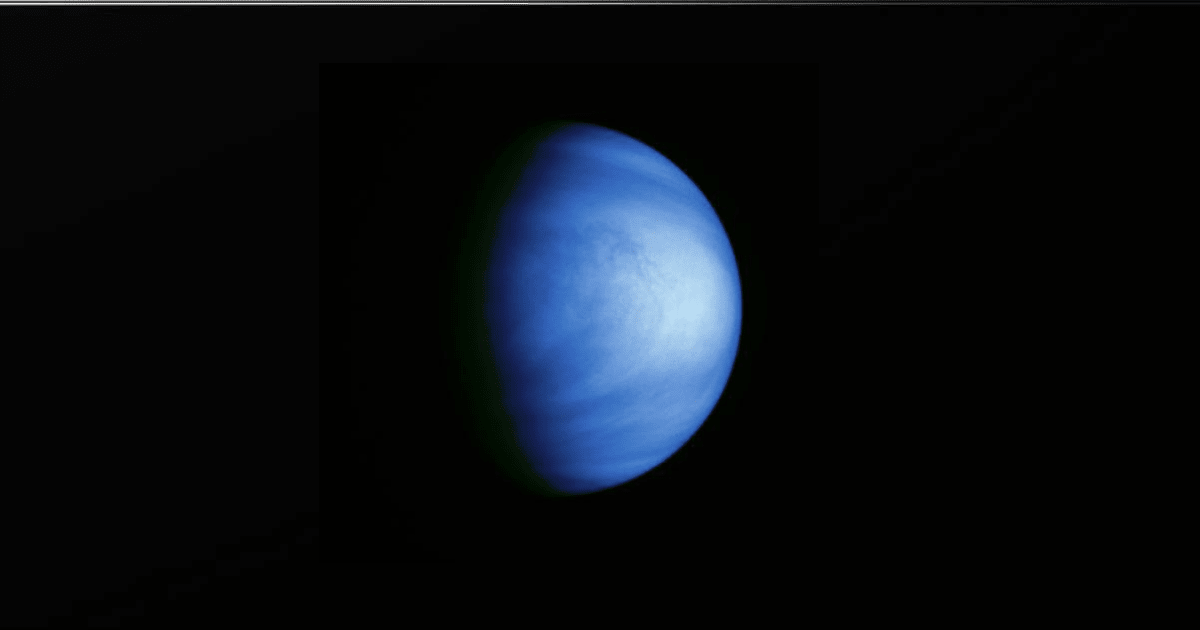
Venus and its hypothetical moon would exert tidal forces on each other, mainly because of gravity. So, not only would this moon revolve around Venus, but the tidal interaction between the two would also change Venus's rotation and the moon's orbit. Researchers built a model of tidal evolution to understand this interesting relationship and tested it using two approaches: the constant-Q model and the constant-time-lag model. With these models, scientists tried to answer questions like how fast Venus initially rotated, how big the moon was, and how far both were from each other.
What the study found
According to the research, there are two broad ways Venus could have ended up without a moon. First, the moon never formed: When a large object hits a planet, it can throw rocks and debris into space, and this debris can come together and form a moon. But in the case of Venus, the debris may have simply fallen back down onto Venus instead of coming together to form a moon.
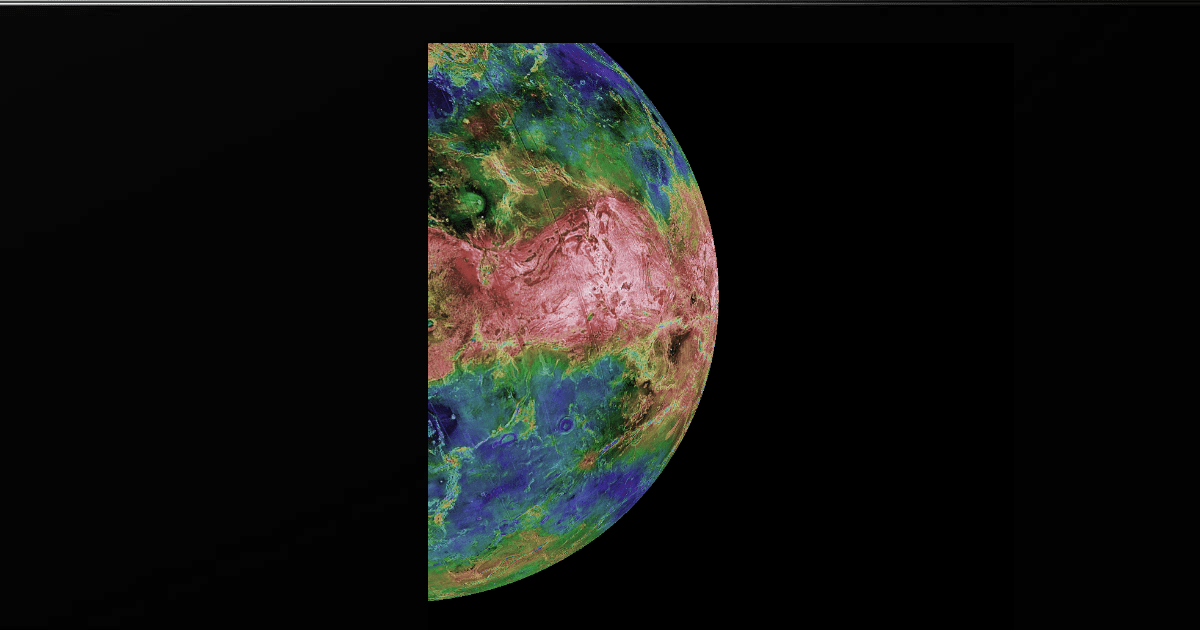
A second possibility is that a moon formed around Venus but was destroyed later. With regard to this, the researchers' models suggest that if Venus's initial spinning speed was fast, the tidal interaction between Venus and its moon could push the moon far away from it. But simultaneously, the moon's tidal force would also slow Venus's rotation. As Venus slowed down, the interaction between Venus's rotation and the moon's orbit would change. In some circumstances, the models showed that this moon could have stopped moving in the outward direction and could have moved back towards Venus. In such a scenario, if the moon went too close, Venus's strong tidal forces would have been strong enough to tear it apart at the Roche limit (the distance at which a planet's gravity would be strong enough to tear its moon apart).
What this could mean for Venus
If Venus had a moon in the early solar system, billions of years ago, then it would not only have affected Venus's rotation but also its tilt, ocean tides, and possibly its early environment. Later, if the moon was destroyed, the event would have added another dramatic change to Venus's evolution. The possibility of Venus having a moon, therefore, can help researchers understand the planet's evolution better.
More on Starlust
What creates Venus' mysterious lower haze? Astronomers may finally have the answer