Did comets carry water to inner Solar System planets? Study of young star system offers clues
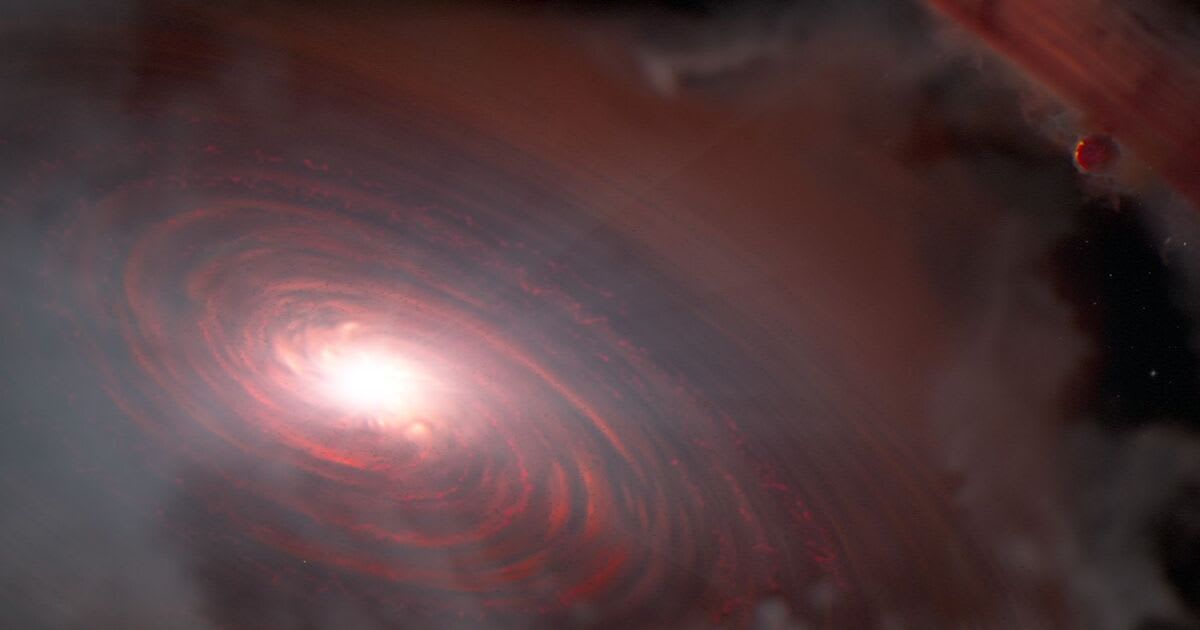
While scientists largely agree on how the Solar System and Earth formed, details about planetary formation still remain subject to scientific debate. Now, a new study published in Nature Communications has offered novel insights into how comets may play a crucial role in transporting water from the cold outer regions of a star system to the inner regions where rocky planets typically form.
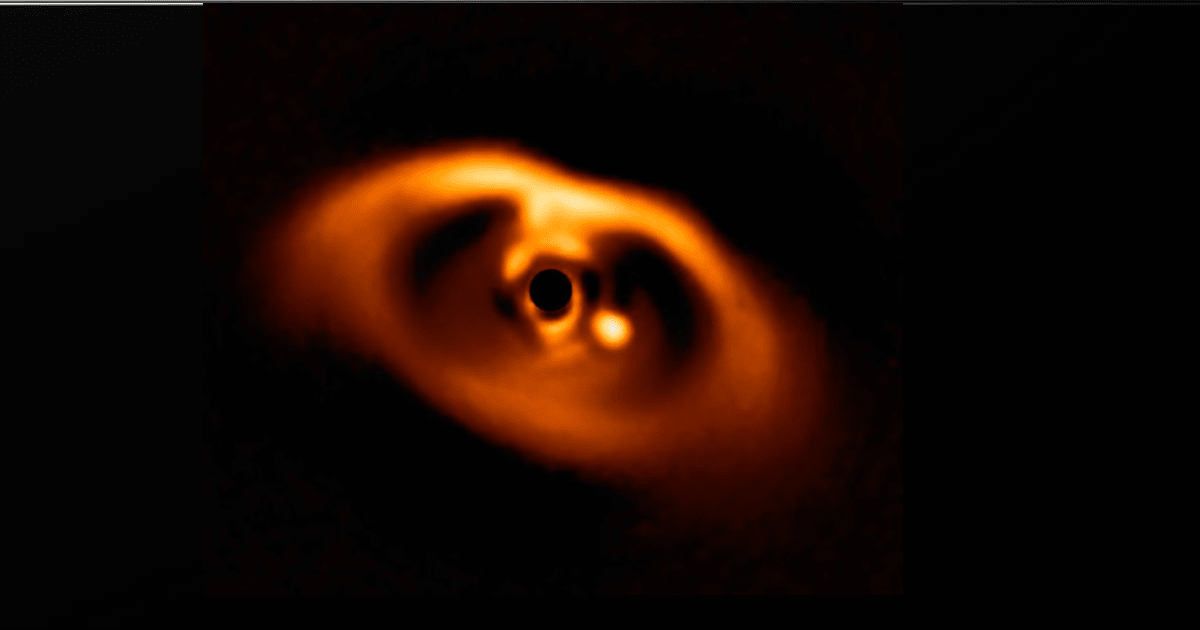
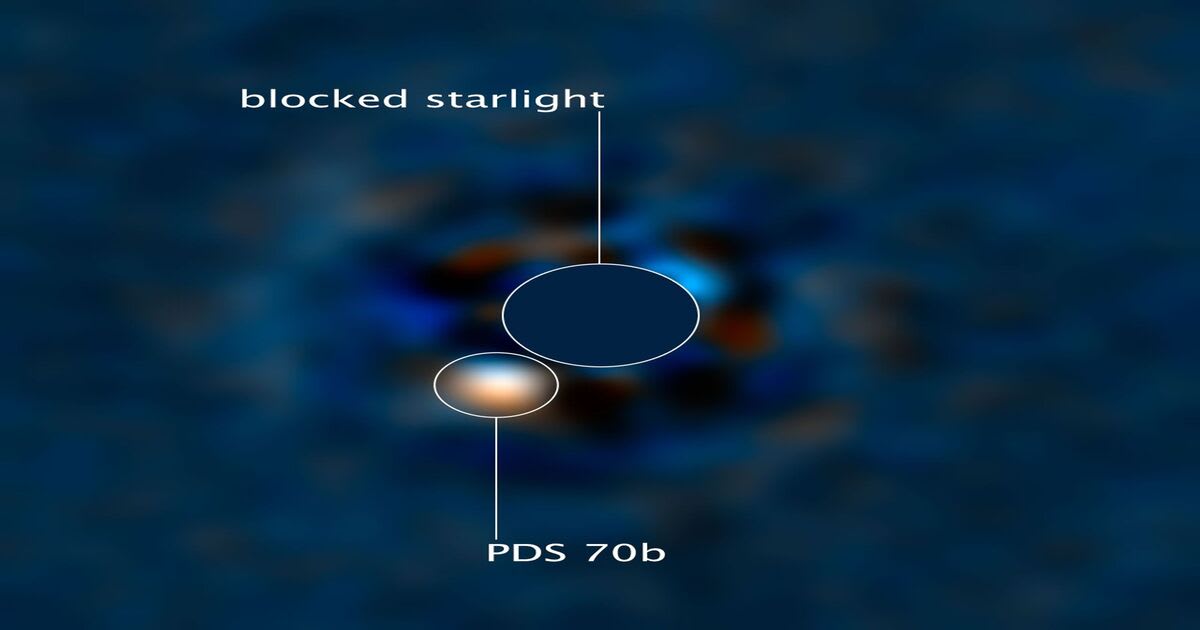
The fresh insights come from PDS 70, a young star about 5.4 million years old. It is still surrounded by material from which planets are forming, and two giant planets have already been found in the system. Now, astronomers have found something unusual in the light coming from the star.
What did astronomers find around PDS 70?
Using observations from the HARPS (High Accuracy Radial velocity Planet Searcher) instrument on the European Southern Observatory’s 3.6-meter telescope in Chile, astronomers studied PDS 70 over several nights between 2018 and 2020. They looked at 52 observations of the star. In most of the 2018 observations, the light from the star showed absorption signals from sodium gas.
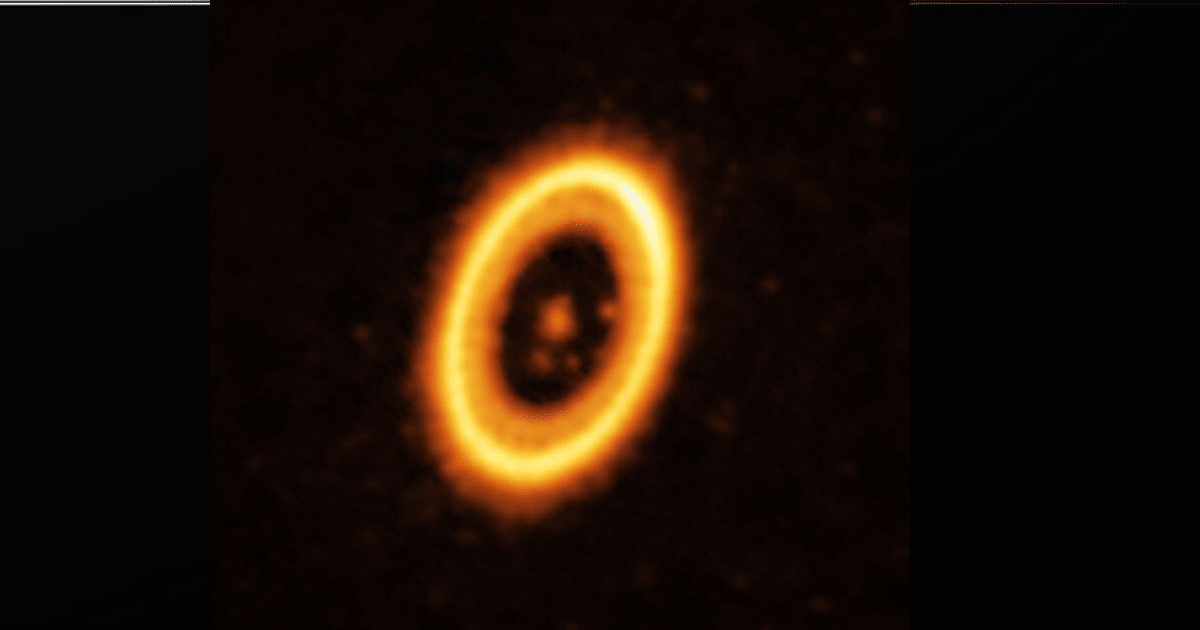
Rather than remaining constant, these signals were fluctuating. They appeared and disappeared, and the speed of the gas also changed between epochs. The changing sodium signals could have come from the disk around PDS 70, but a simple disk wind could not explain the amount of sodium or the way the signals changed. Instead, small icy bodies passing close to the star fit the observations better. As they get closer to the star, they heat up and release gas and dust via sublimation. The researchers say this is strong evidence of possible exocomets orbiting PDS 70.
Could these comets be carrying water?
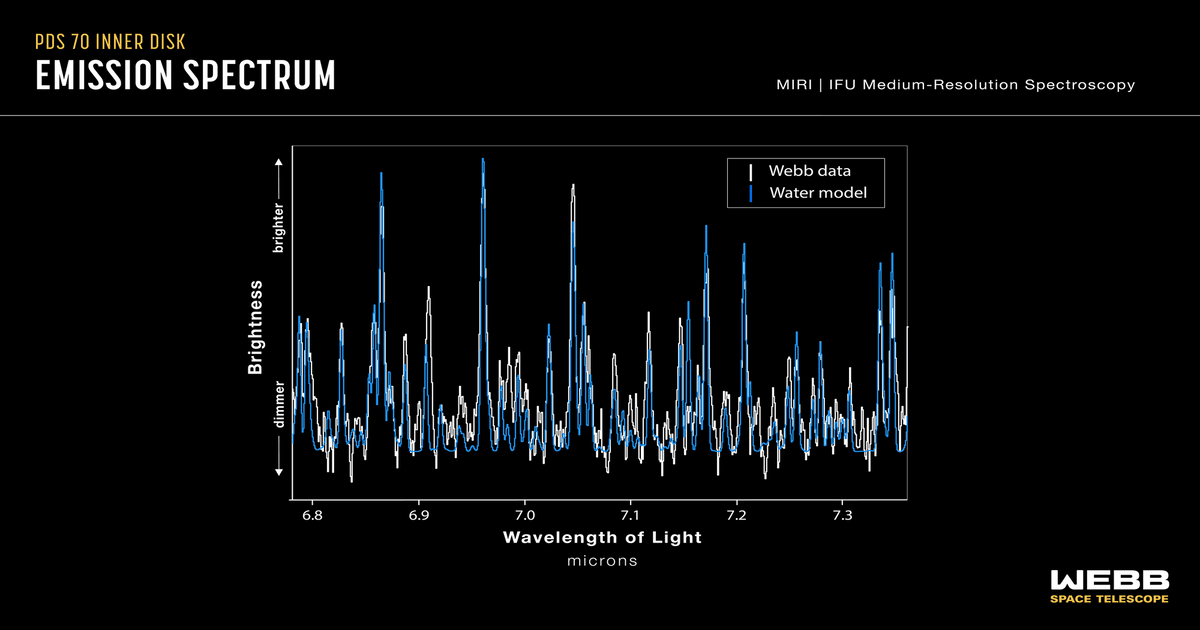
PDS 70 already has water in the inner part of its disk. The James Webb Space Telescope (JWST) previously found a reservoir of water there, with the vapor reaching very close to the star. This was interesting because the inner part of the disk is where rocky planets form.
This new study suggests that these exocomets are the missing link explaining how that water got there. Icy bodies from the outer part of the system may be moving inward toward the star, flung by the gravitational pull of the outer gas giants. As they get closer, the heat causes them to release material. If these bodies are exocomets, they could be bringing water with them to enrich the inner terrestrial zone. This may also tell us something about our own Solar System. When our planets were still forming, icy bodies were moving around the young Solar System too. Some of them may have brought water to the planets. Studying PDS 70 could help scientists understand whether something similar happened here.
What could this tell us about our Solar System?
PDS 70 is only about 5.4 million years old, and its planets are still forming, and this study offers scientists fresh insights into how a young planetary system changes and how its planets continue to form.
Our Solar System also went through this stage billions of years ago, when Earth and the other planets were still forming, while icy bodies were moving around the system. Studying PDS 70 could help scientists understand if these bodies played a role in bringing water to the inner part of our Solar System, potentially seeding the early Earth with the oceans necessary for life.
More on Starlust:
Young stars are changing entire galaxies and scientists finally know how
NASA’s James Webb Space Telescope observes young star ejecting common Earth crystals