Time moves faster on Mars than on Earth—physicists explain why
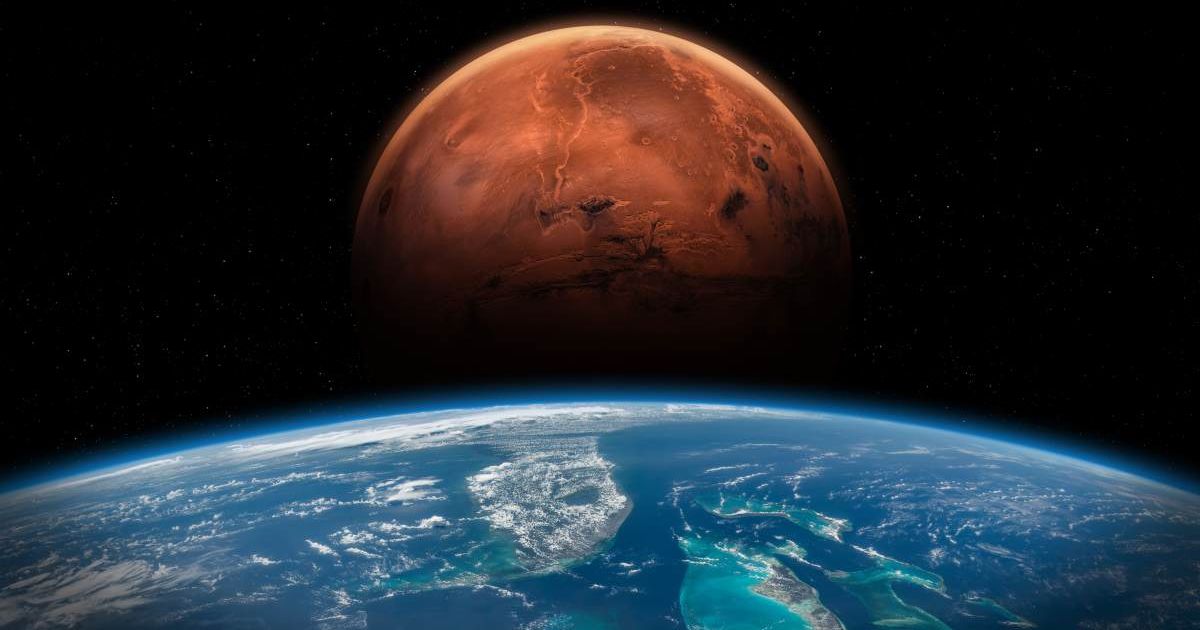
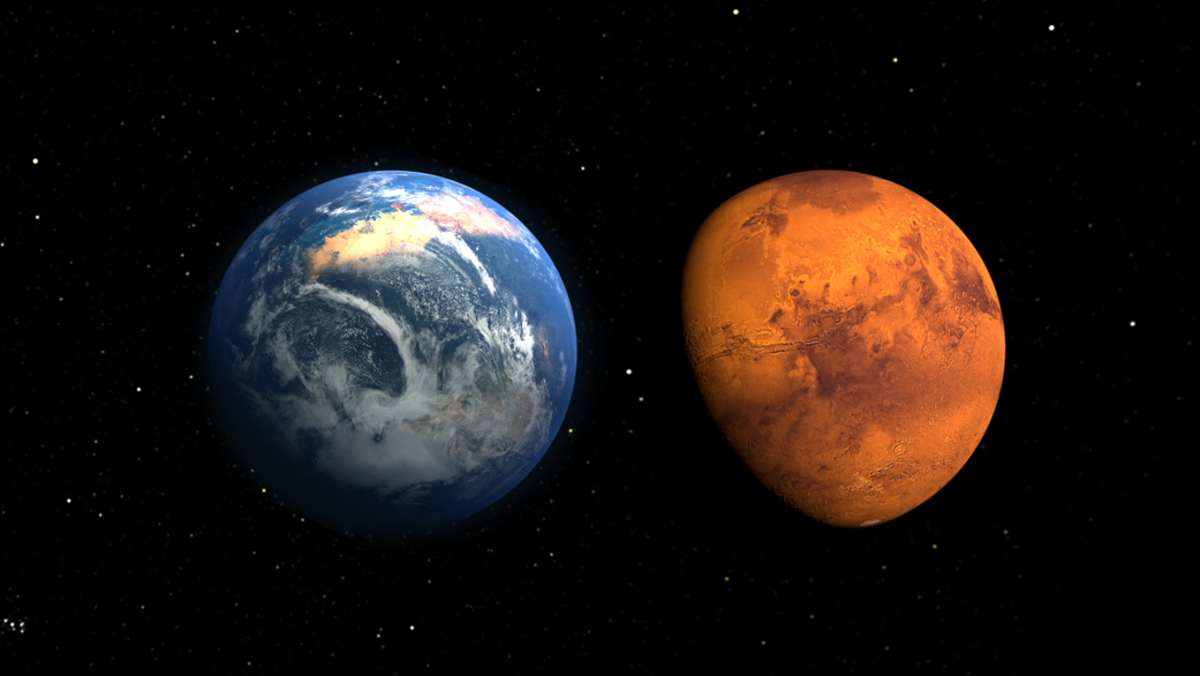
Clocks do not work the same across the universe and run slower or faster depending on gravity and its strength. Based on the influence of Albert Einstein's theory of general relativity, experts calculated the time on Mars. As published in The Astronomical Journal, physicists found that clocks on Mars will tick 477 microseconds (millionths of a second) faster than on Earth per day, on average. This amount can, however, increase or decrease based on the eccentric orbit of Mars and the gravity of its celestial neighbors. Over the course of the Martian year, there can be a difference of 226 microseconds a day.

The study was conducted by Neil Ashby and Bijunath Patla of the National Institute of Standards and Technology (NIST) in the U.S. “The time is just right for the Moon and Mars,” Patla said. “This is the closest we have been to realizing the science fiction vision of expanding across the solar system,” they added, according to NIST. This hints at how space agencies plan to explore Mars, with NASA preparing for a series of Mars exploration missions. Understanding time on the red plant will help synchronize navigation and communication across our solar system.
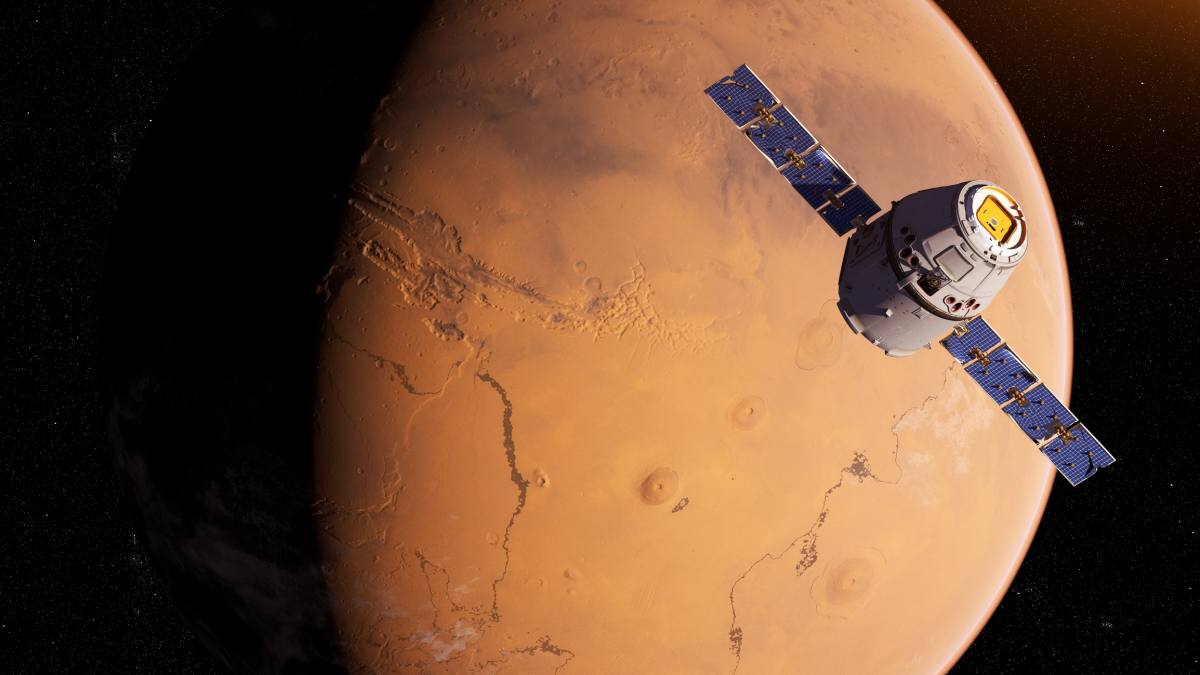
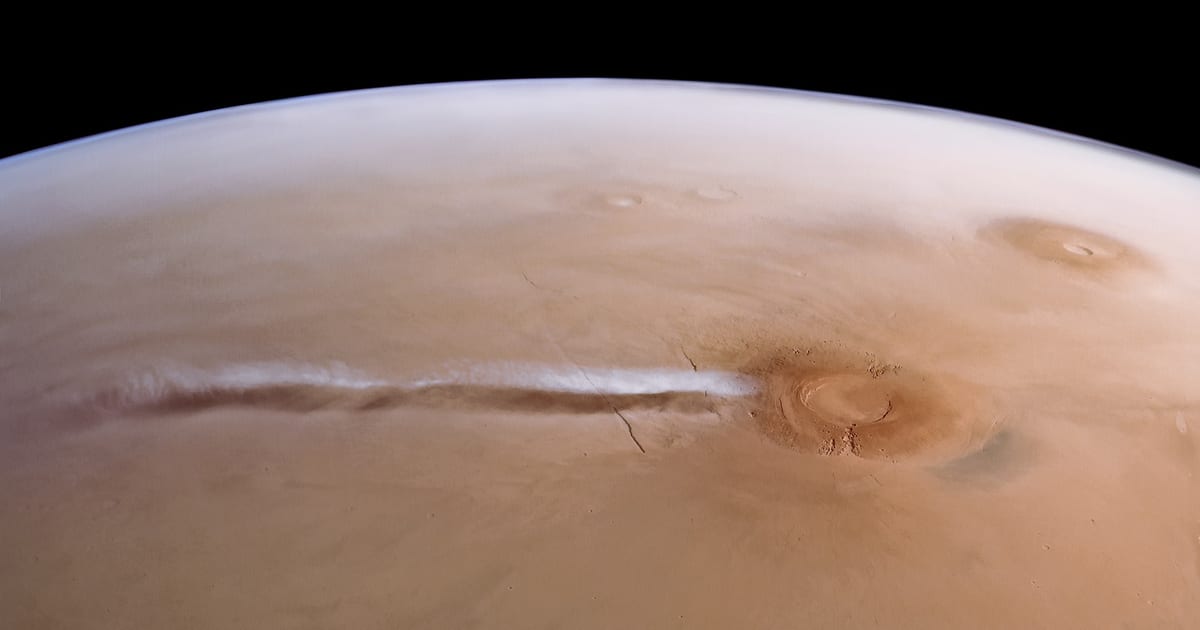
Compared to Earth, Martian days and years are longer, with a day being 40 minutes longer than on Earth. It takes Mars 687 days to complete its orbit around the Sun, but experts were interested in how fast or slow each second passed on Mars compared to Earth. The task was to learn how much Mars’s time is offset from Earth’s, like calculating a time-zone difference. An atomic clock taken to Mars will tick the same, but a Mars clock on Earth will be out of sync. Einstein’s theory of relativity states that the strength of gravity affects the passage of time.

Where gravity is stronger, clocks tick slower, and where gravity is weaker, clocks tick faster. The speed will also be affected by the velocity of a planet’s orbit. A point on the Martian surface was chosen as a reference, and the surface gravity was estimated to be five times weaker than Earth’s. Now they had to account for the external objects relative to the position of Mars, which included the Sun, Earth, the Moon, Jupiter, and Saturn, all of which pulled Mars into a more eccentric and elongated orbit. The physicists noted that relative time was not constant when it came to Mars.
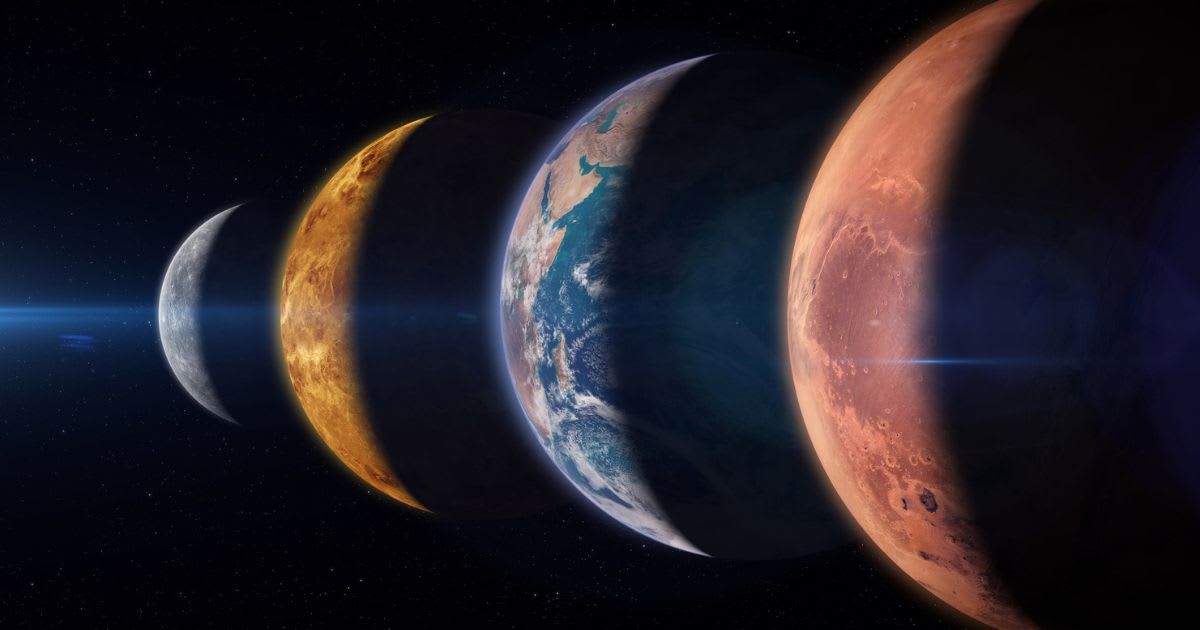
“Its distance from the Sun and its eccentric orbit make the variations in time larger. A three-body problem is extremely complicated. Now we’re dealing with four: the Sun, Earth, the Moon, and Mars,” Patla explained. The solution was found after considering Martian surface gravity, Mars’ eccentric orbit, the effect of the Sun, the Earth, and the Moon on Mars. Understanding the time relation between planets helped enhance synchronized networks across great distances. The data transmission between Earth and Mars is delayed by four to 24 minutes or more, something that can be fixed.
Considering time differences is essential to develop communications networks, and the 477 millionths of a second, though it sounds insignificant, will add to the accuracy. Synchronization allows real-time communication, which will ensure accuracy, quickness, and reduced loss of data. “It may be decades before the surface of Mars is covered by the tracks of wandering rovers, but it is useful now to study the issues involved in establishing navigation systems on other planets and moons,” Ashby said, highlighting the dependency and effects of accurate clocks.
More on Starlust
US Senator files bill for 'Mission to MARS Act,' giving the Johnson Space Center a makeover
New UK-built space vehicle aims to slash Mars travel time in half with breakthrough tech