NASA’s Pandora mission begins studying exoplanets using James Webb Space telescope’s spare part
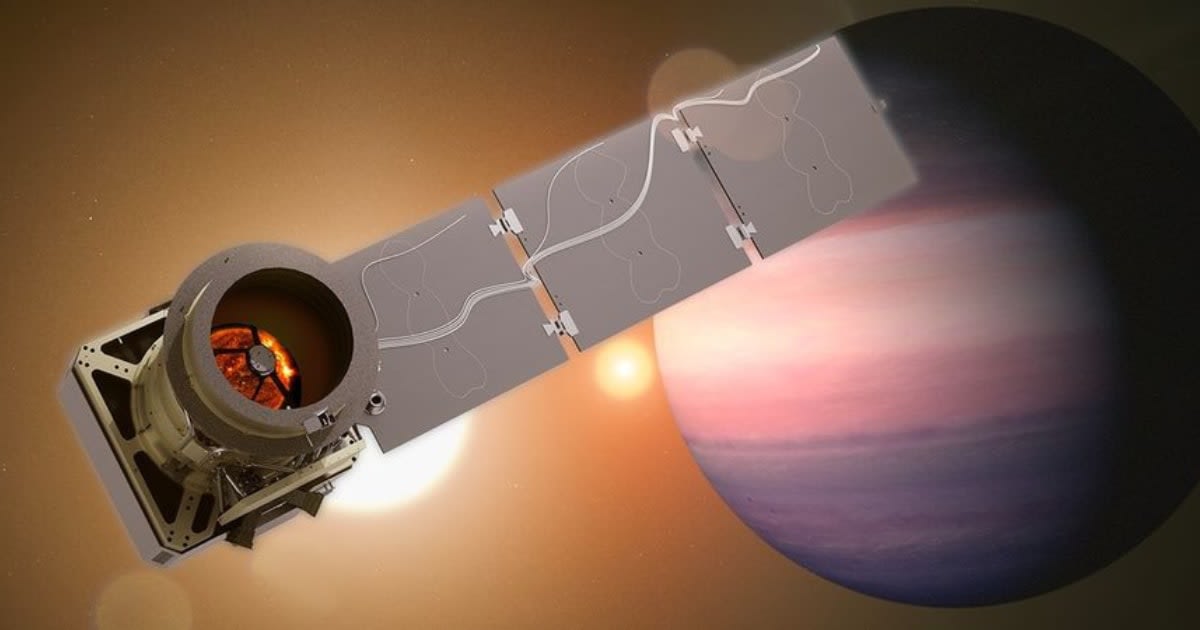
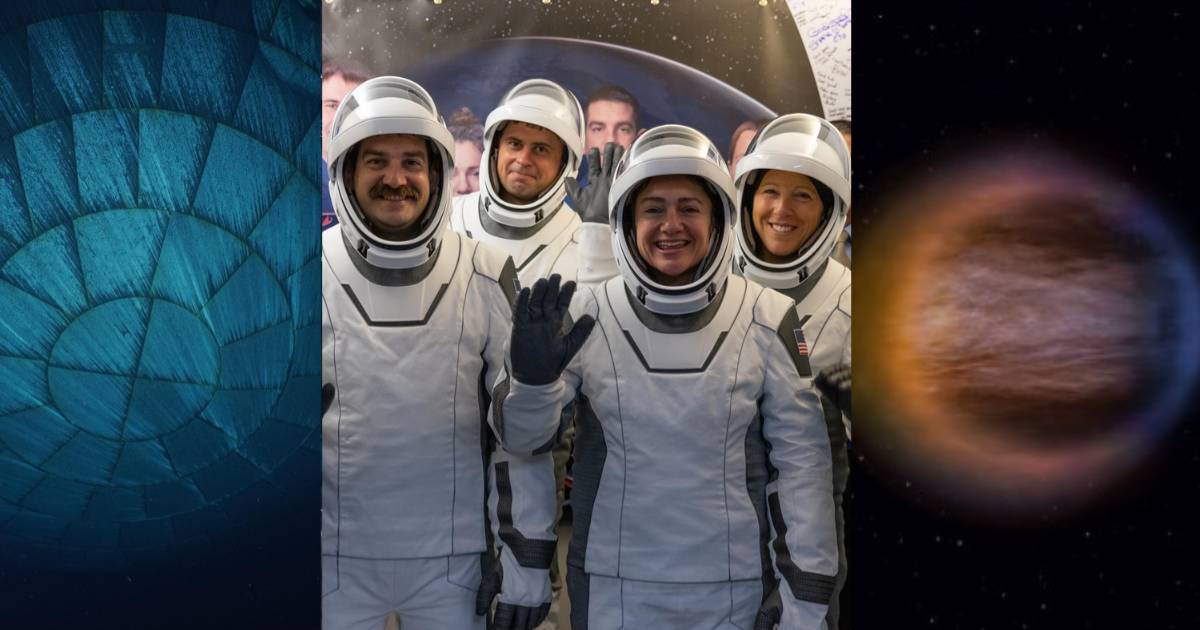
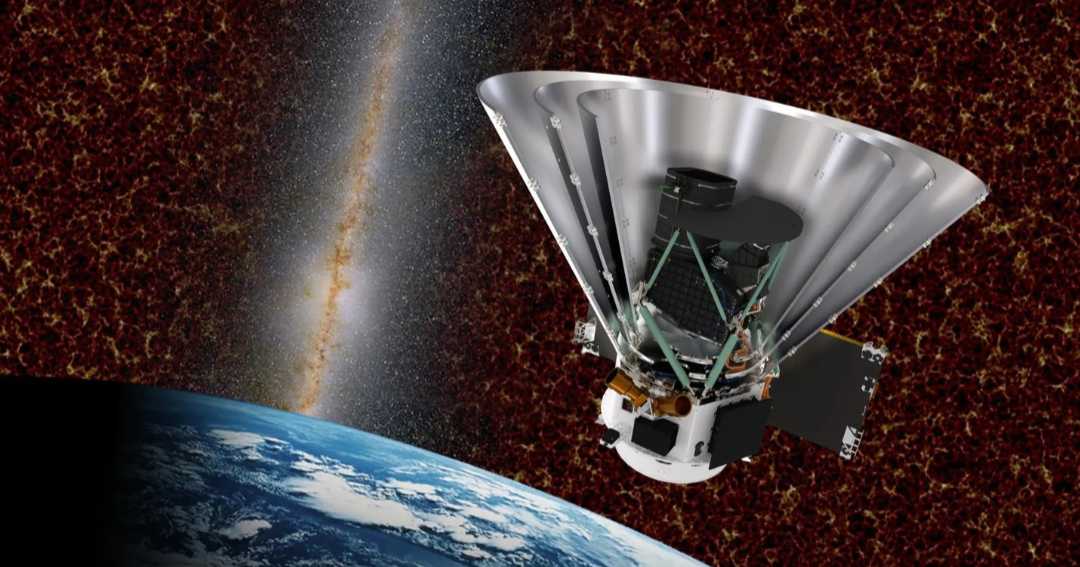
NASA’s new exoplanet hunting telescope Pandora, which launched earlier this year, has finally begun its science operations. After spending months in the commissioning phase during which its systems underwent checkouts, the observatory is now studying alien worlds outside our solar system and their host stars. On August 25, NASA announced the beginning of the science phase of the mission, which has a primary lifespan of one year.
Jordan Karburn, Pandora’s deputy project manager at Lawrence Livermore National Laboratory in California, stated, "The spacecraft is healthy and all of the instruments are performing as well as we could have hoped. Our team’s hard work throughout the commissioning process has paid off, and we can now confidently start science."
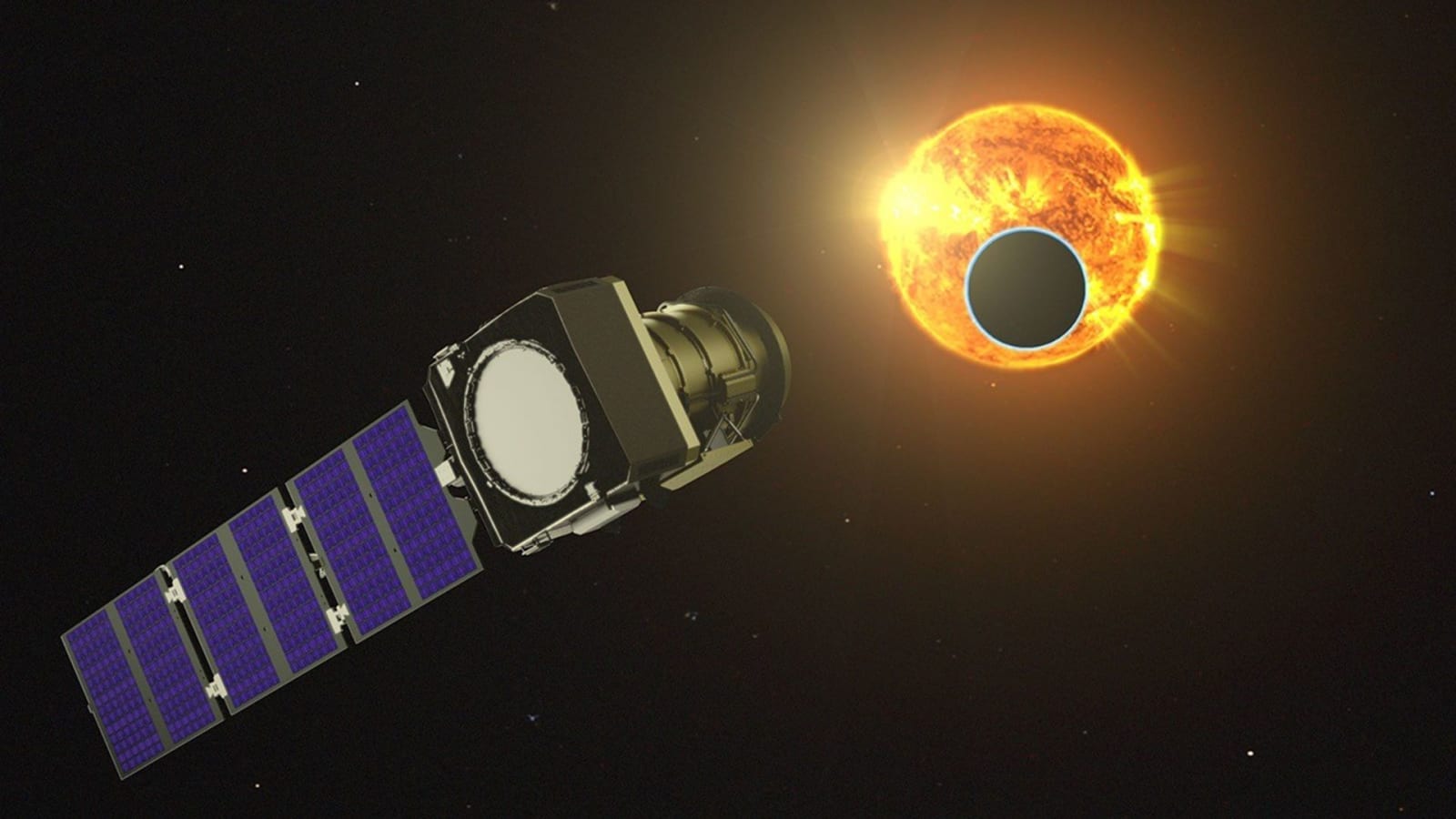
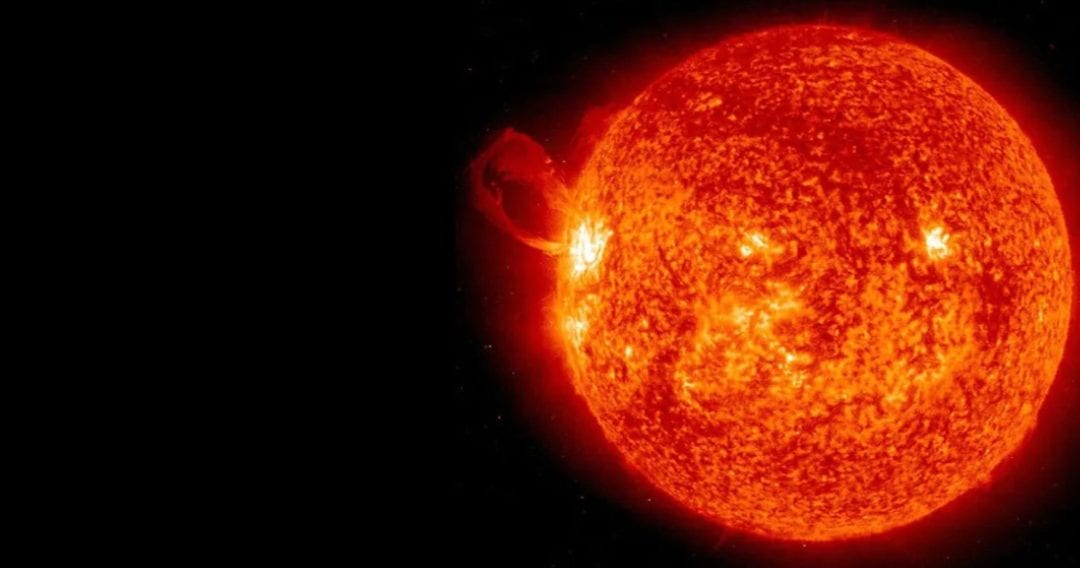
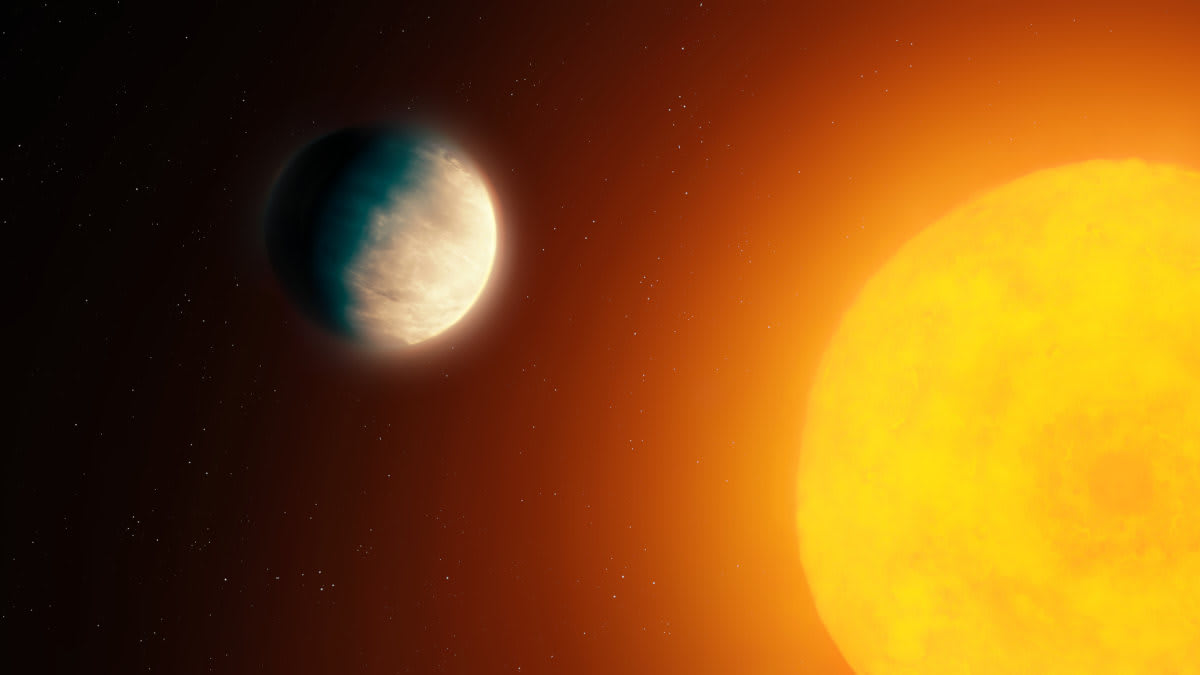
Pandora launched on January 11, and its main objective is to untangle signals of gases from a planet’s atmosphere from the signals emerging from its star. The telescope will employ the transit method to study a planet’s atmospheric properties. When a planet crosses the face of its star, the light from the star passes through its atmosphere before reaching a telescope—this light actually carries signals of the gases present in said atmosphere. But a star isn’t stable, and a telescope’s instrument receives light from the entire star. Stars also sport features like a spot that can grow, shrink, and change position, and they can ultimately confuse the telescope by mimicking or hiding real atmospheric signals.
“Water is one of the most important molecules we can measure to understand the composition and physical conditions of an exoplanet atmosphere,” Benjamin Rackham, a team member at the Massachusetts Institute of Technology in Cambridge, said in a statement. “But features on the star can distort the water signal we’re searching for. Pandora is designed to disentangle the signals from the planet and the star, helping us to understand the planets more accurately and laying the groundwork for the eventual study of planets that could harbor life.”
To do this job, Pandora will use its 18-inch telescope along with the near-infrared and visible-light detectors. Interestingly, this near-infrared detector is a spare originally built for the James Webb Space Telescope but has now been used for this mission developed under NASA’s Astrophysics Pioneers program, which funds low-cost missions with higher-than-usual tolerance for failure. During its first year of observations, Pandora will study at least 20 exoplanets 10 times with a long-duration stare covering 24 hours—this duration is much higher than what observatories like Webb spend on a target.
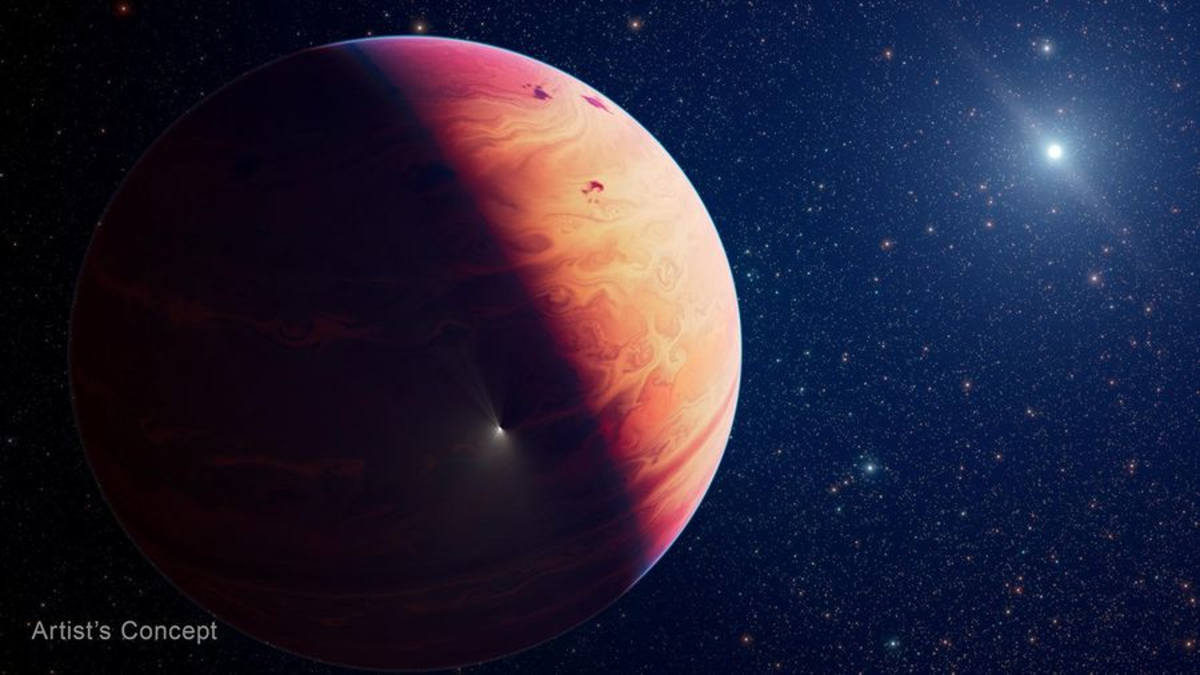
“Pandora’s advantage is its ability to observe targets for extended periods at multiple wavelengths, something high-demand flagship missions like Webb cannot regularly do,” said Knicole Colón, the mission’s project scientist at NASA Goddard. “Combining Pandora and Webb data will uniquely enable scientists to determine the properties of stellar surfaces and cleanly separate star and planetary signals.”
More on Starlust
Scientists just found a 'mega-Earth' with 23 times Earth's mass, and it's breaking the rules