Chinese version of SpaceX’s Falcon 9 rocket successfully launches on debut mission, 1st landing targeted in 2027
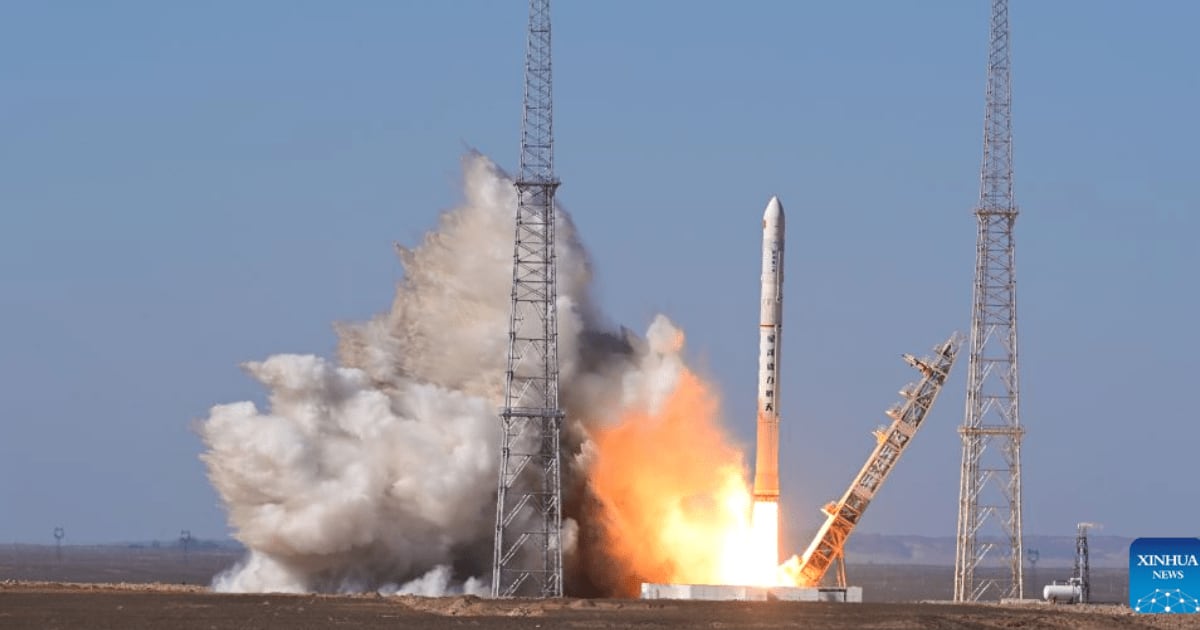
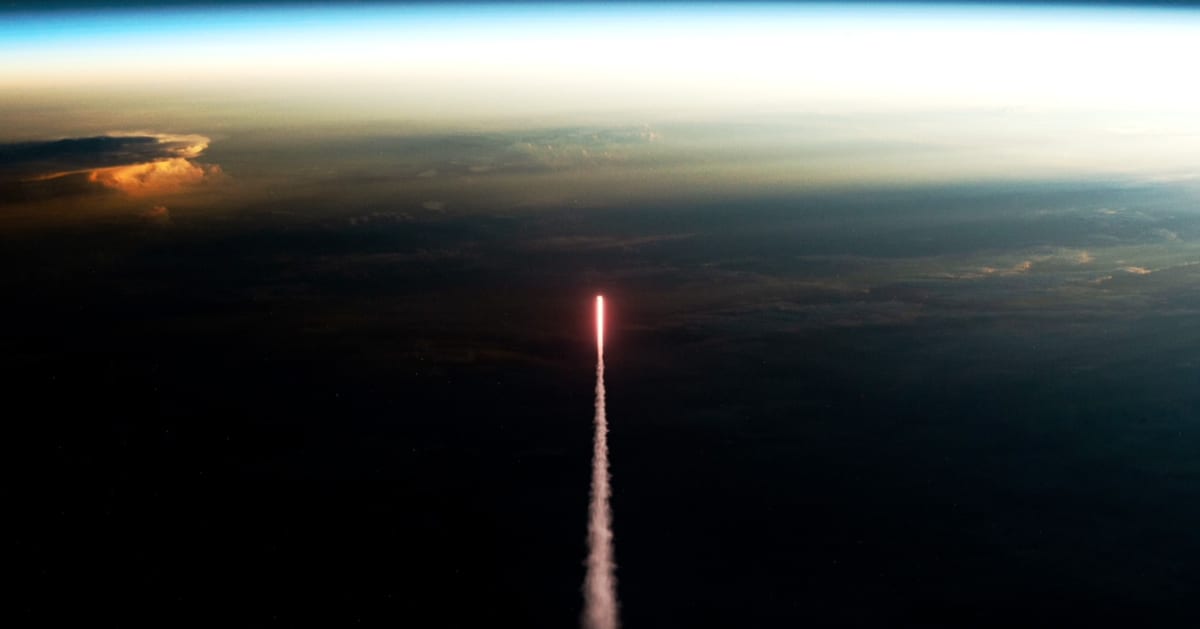
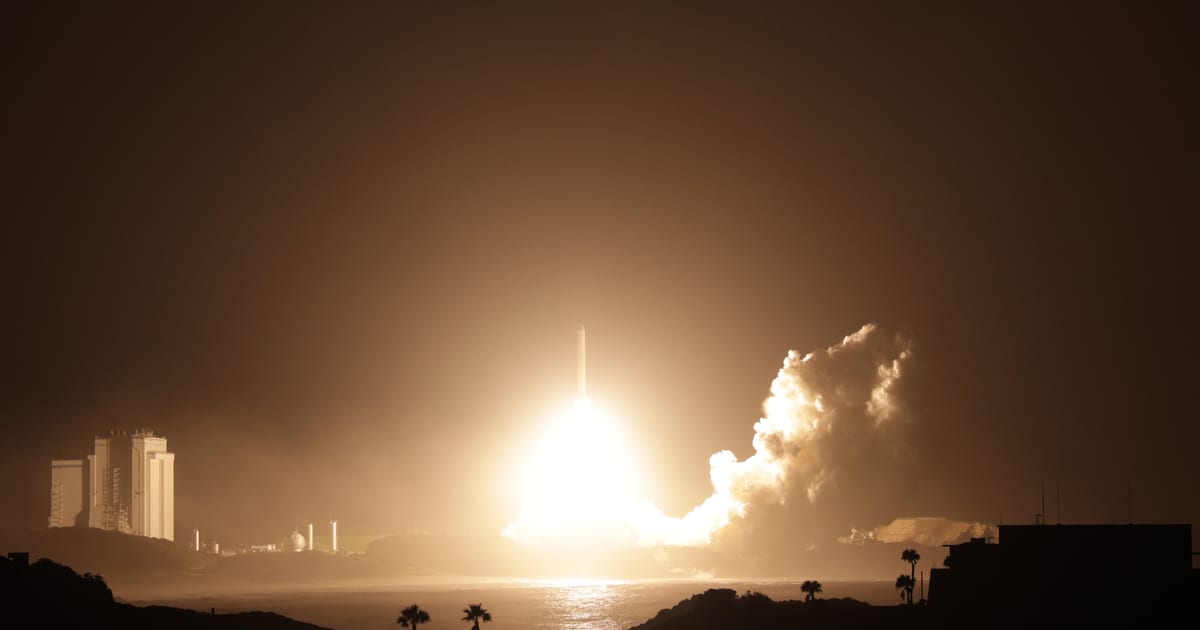
China has welcomed a new rocket into its private fleet. The Beijing-based company Galactic Energy launched its Pallas-1 rocket for the first time on Monday (August 31) and aced the mission with no issues. The launch vehicle lifted off from the Jiuquan Satellite Launch Center in northwest China at 10 pm EDT and successfully entered its predetermined orbit, the company announced on Chinese social media. “This successful maiden flight marks Galactic Energy's official entry into a new development stage of combining solid and liquid propellants, driven by a dual-engine approach,” Galactic Energy stated (translation: Google). Several videos of the launch have surfaced on social media, showing the rocket clearing the launch pad and ascending to space with ease.
🚀 Pallas-1 Y1
— CNSPACE (@CNSpaceflight) September 1, 2026
🕑 02:00UTC September 1st
📍 Jiuquan https://t.co/IomVhCgQZb pic.twitter.com/gPtJ3h67JZ
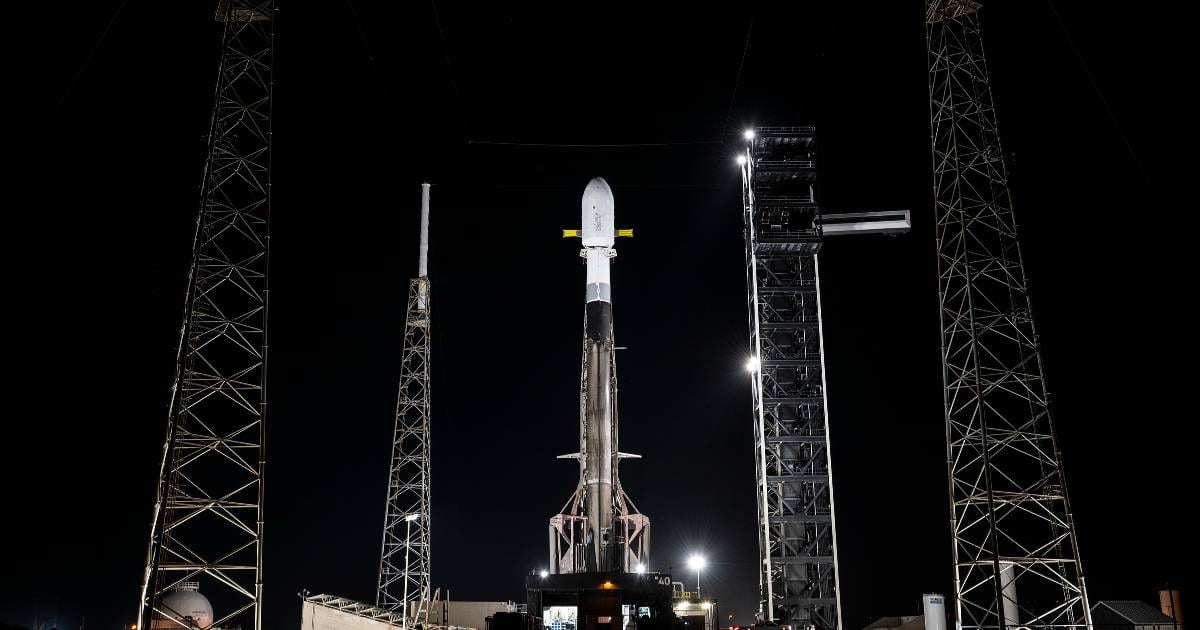
The Pallas-1 is a two-stage rocket that stands 171 feet (52 meters) and has a payload capacity of 15,400 pounds (7,000 kilograms) to low-Earth orbit. It is similar in design to SpaceX’s workhorse Falcon 9, as its first stage is reusable and the booster features grid fins for steering in air and deployable legs for landing. The first stage is powered by seven Cangqiong-50 kerosene-liquid oxygen engines, and it is designed for at least 25 flights, per SpaceNews.
Galactic Energy didn’t attempt a landing on the debut mission but plans to do that in the second half of 2027. In its post-launch statement, the company said that it will first test re-entry control, grid fins, braking and deceleration systems before attempting to vertically land the first stage booster on land or at sea. Interestingly, there were no stated payloads onboard Pallas-1.
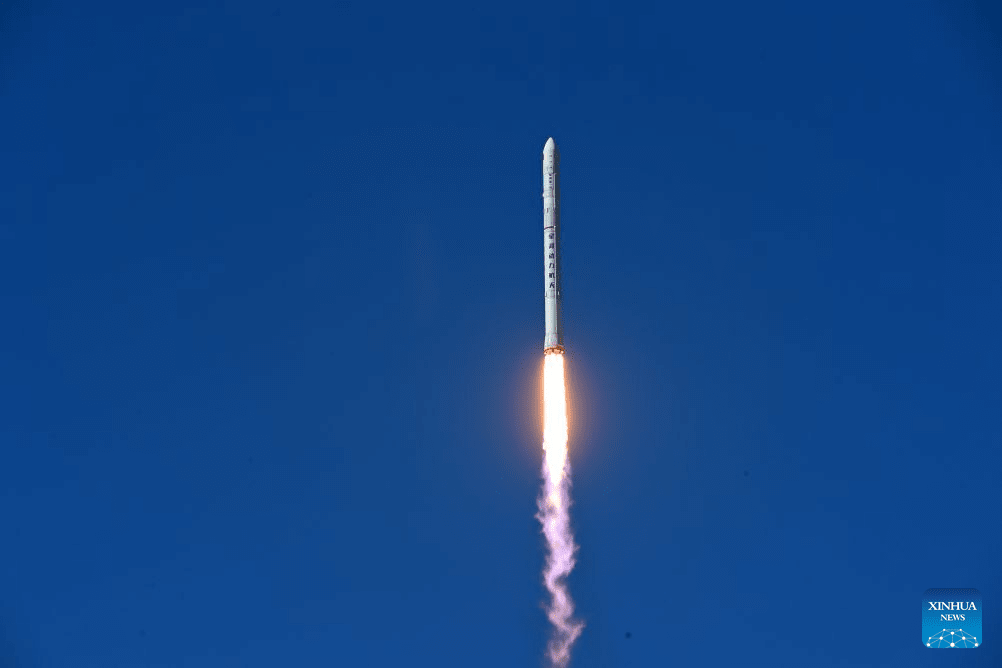
Pallas-1 is reportedly being developed for the large-scale satellite constellation deployment market, similar to SpaceX, which has revolutionized the rocket industry by reducing launch costs through reusability. The company also operates the small-satellite launcher Ceres-1, which has flown on 21 successful flights out of 23 and deployed 89 commercial satellites to orbit, the South China Morning Post reported. On January 17, Galactic Energy introduced the Ceres-2 rocket, but it failed on its debut flight.
MISSION SUCCESS | ZhuQue-3 Y2 Reusable Launch Vehicle Achieved Full Success in Orbital Insertion and First-Stage Recovery
— LandSpace (@LandSpace_Tech) August 19, 2026
On August 19, 2026, at 07:35 (UTC+8), the ZhuQue-3 (ZQ-3) Y2 reusable launch vehicle lifted off from the Dongfeng Commercial Space Innovation Pilot Zone.… pic.twitter.com/fshijOxgtc
Notably, the number of commercial rocket launches from China has been rising as private companies are racing to compete with SpaceX, which dominates the global launch market. Earlier in August, China’s LandSpace became only the third company in the world to achieve a vertical landing of an orbital-class rocket booster after the successful launch of the Zhuque-3 rocket. In July, the state-owned China Aerospace Science and Technology Corporation (CASC) also achieved a milestone by capturing a Long March 10B rocket using a net-capture system on a floating platform.
More on Starlust
China postpones its ambitious Chang’e-7 mission to the Moon’s South Pole, possibly until 2027
China's Long March 7A rocket explodes moments after liftoff; Elon Musk reacts. Watch video