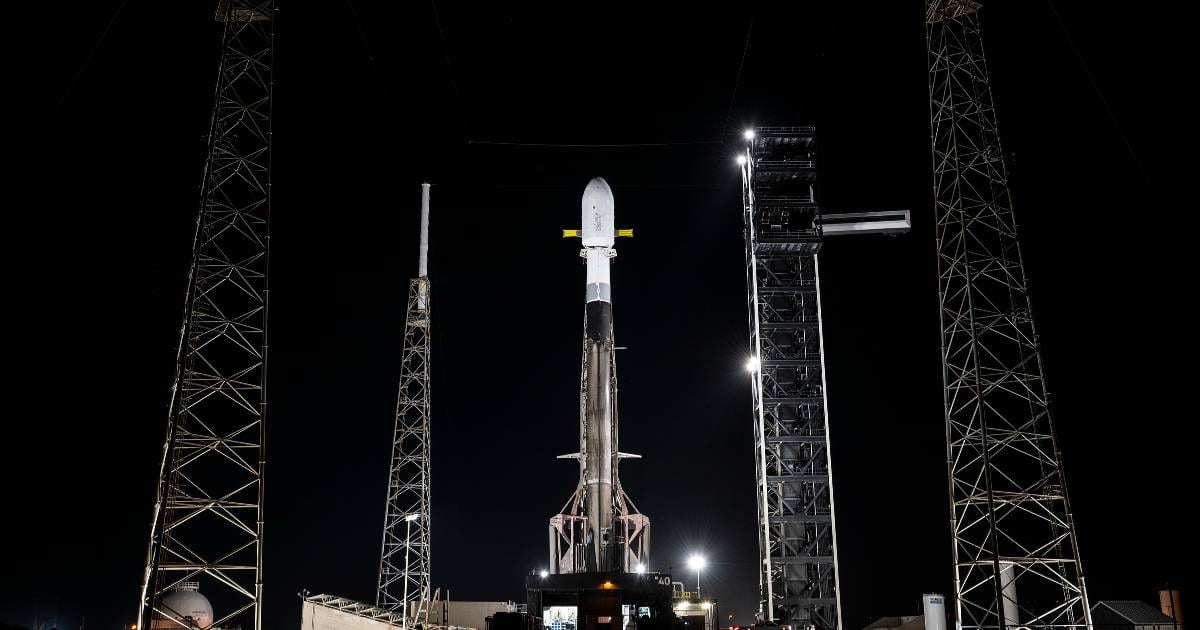
China's LandSpace joins elite club with SpaceX, Blue Origin after Zhuque-3 booster recovery on land
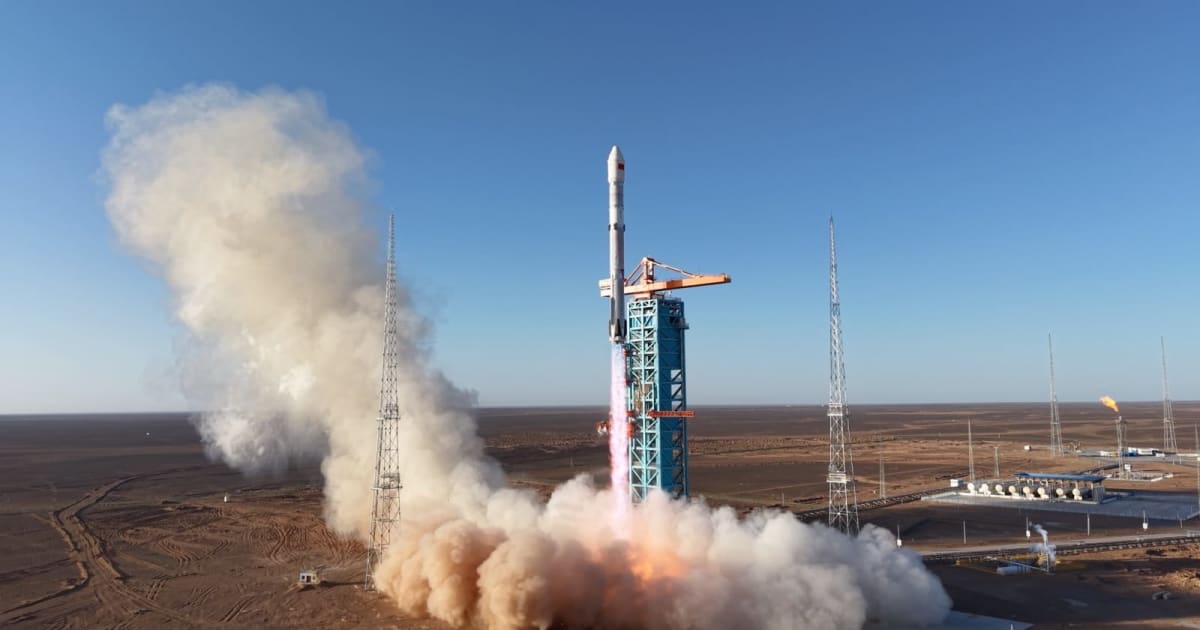
Chinese aerospace firm LandSpace, on Tuesday, successfully landed the first stage of its Zhuque-3 rocket, becoming the only private firm in the world besides SpaceX and Blue Origin to have the capability to recover orbital-class vehicles on land and achieve controlled, vertical landings.
MISSION SUCCESS | ZhuQue-3 Y2 Reusable Launch Vehicle Achieved Full Success in Orbital Insertion and First-Stage Recovery
— LandSpace (@LandSpace_Tech) August 19, 2026
On August 19, 2026, at 07:35 (UTC+8), the ZhuQue-3 (ZQ-3) Y2 reusable launch vehicle lifted off from the Dongfeng Commercial Space Innovation Pilot Zone.… pic.twitter.com/fshijOxgtc
LandSpace's achievement—a land-based capture using deployable rocket legs—comes on the back of another major milestone achieved by China. In July this year, the state-owned China Aerospace Science and Technology Corporation (CASC) recovered a Long March 10B rocket using a net-capture system on a floating platform, making China only the second country after the United States to land an orbital-class launch vehicle. While the U.S. still remains the leader in reusable orbital-class rocket technology, China's two recent achievements taken together suggest that the gap may be narrowing.
A historic day in China’s space program!
— Mao Ning 毛宁 (@SpoxCHN_MaoNing) July 10, 2026
China’s Long March-10B has successfully completed its maiden flight—and recovered its first stage via a sea-based net. This marks the country’s first-ever controlled rocket recovery. A major leap toward reusable launch capabilities.… pic.twitter.com/FWuQXLltaD
Reusability of rockets can dramatically improve launch capacity and frequencies and is key to making space exploration a commercially viable business rather than a prohibitively expensive science project.
Details about the Zhuque-3 landing
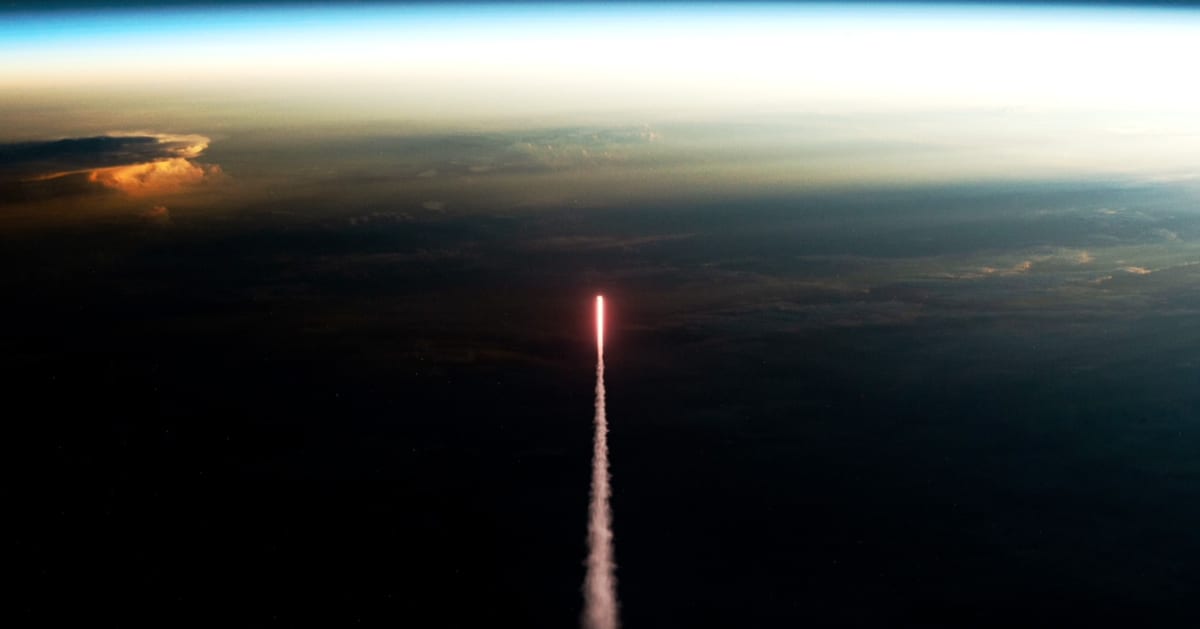
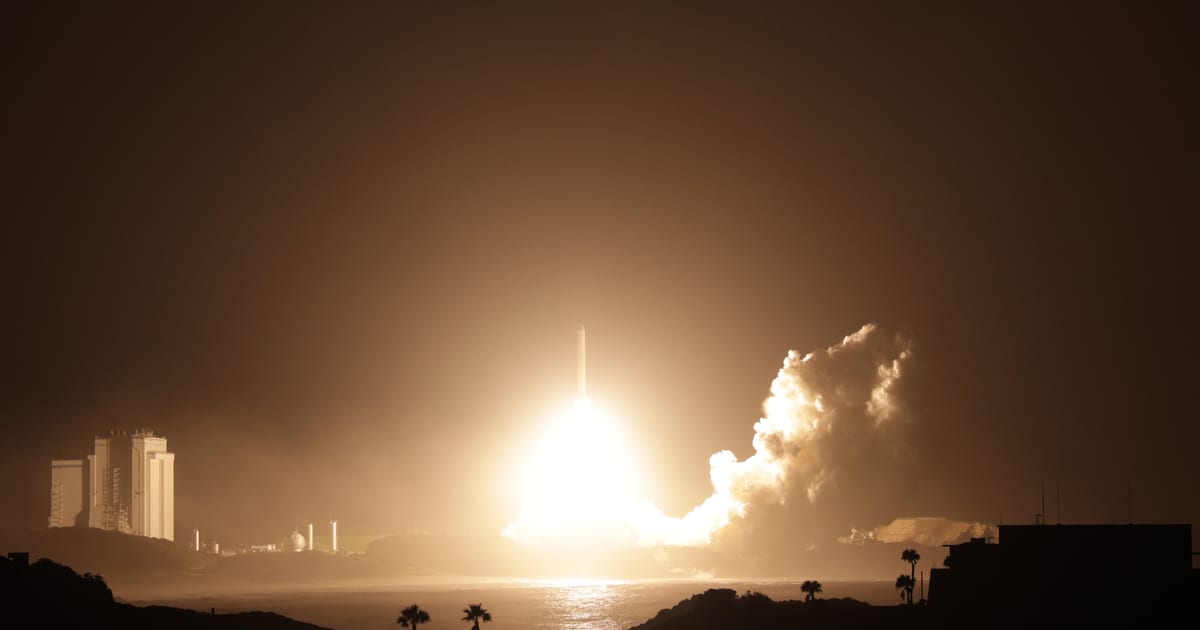
The Zhuque-3, which stands 216 feet tall, lifted off at 7:35 p.m. EDT (7:35 a.m. Beijing time on August 19) from the Dongfeng Commercial Space Innovation Pilot Zone located in northwestern China. It descended at a landing site in Minqin County in Gansu Province, roughly 242 miles (390 km) southeast of the launchpad, according to state-run Xinhua and other Chinese media reports. The mission also saw the rocket's upper stage deliver the Honghu 03 satellite developed by Hongqing Technology to its designated orbit.
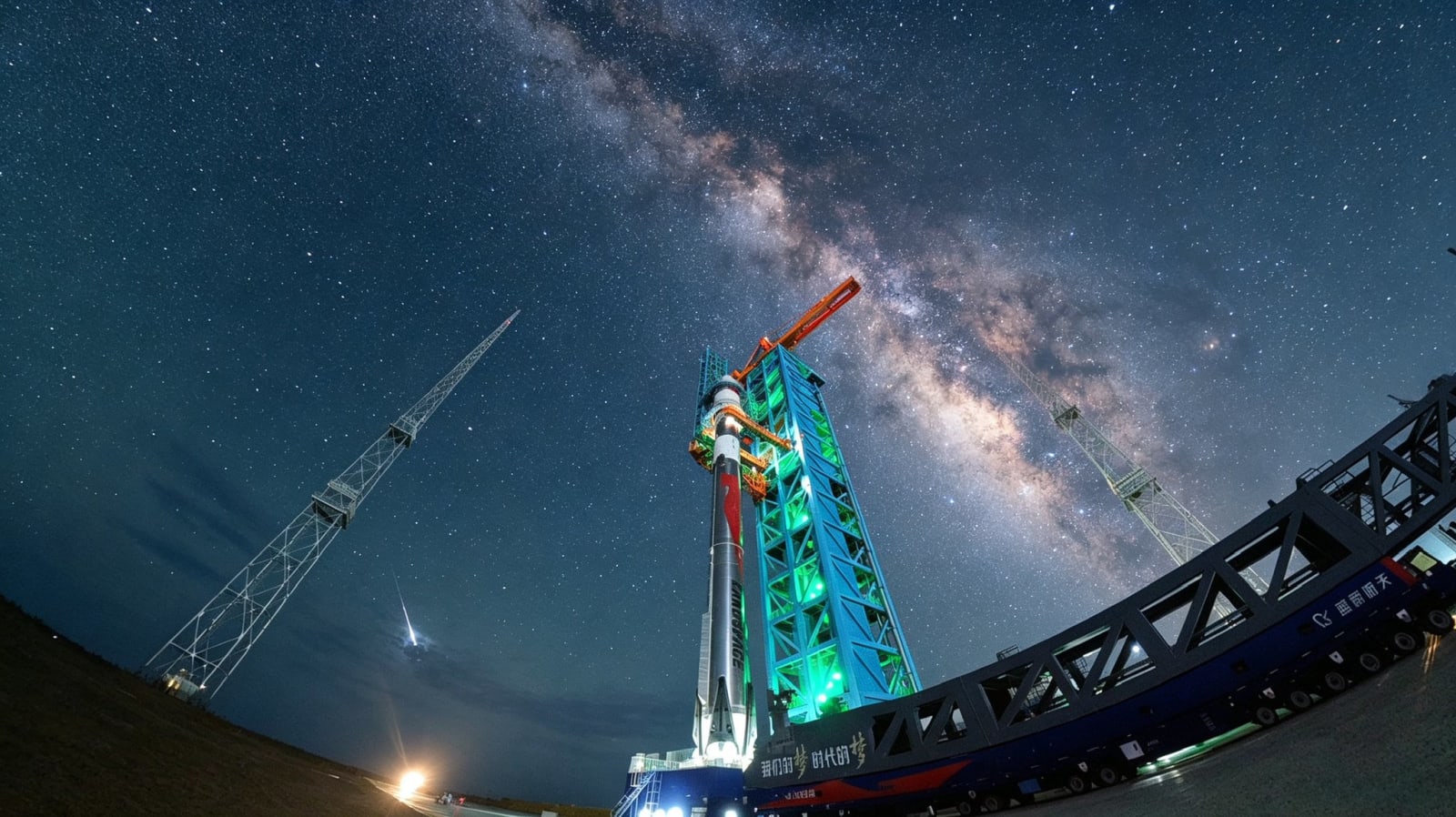
Unlike the net-capture system that aided the Long March 10B in July, Zhuque-3 was able to land on its own using a set of deployable landing legs similar to those used by SpaceX's Falcon 9 rockets. "This mission marks China's first-ever successful recovery attempt of the first stage of an orbital-class launch vehicle using landing legs, and China's first successful booster recovery on land," LandSpace stated in a post on X.
This mission marks China's first-ever successful recovery attempt of the first stage of an orbital-class launch vehicle using landing legs, and China's first successful booster recovery on land. It is a pivotal flight test for ZhuQue-3 as it transitions from the technological… pic.twitter.com/z0wKxKd2re
— LandSpace (@LandSpace_Tech) August 19, 2026
This was LandSpace's second attempt to launch the Zhuque-3 into orbit and recover its booster. The Chinese firm had attempted to recover the first stage during the Zhuque-3's maiden flight in December 2025, but the booster erupted in flames during the final descent toward the landing site.
China's next LEO workhorse?
Powered by methane and liquid oxygen, Zhuque-3 can launch 21,000 kilograms of payload to low-Earth orbit when expendable, or up to 18,300 kilograms when the booster is recovered downrange, according to SpaceNews. This makes it comparable to the Falcon 9 in terms of payload capacity. Each Zhuque-3 booster is also designed to be used in up to 20 flights.
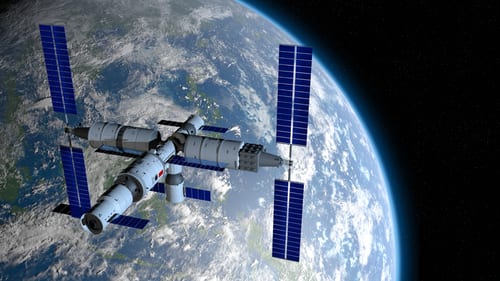
Although still early in its lifecycle, LandSpace has lofty goals for the Zhuque-3. As it stands, the Zhuque-3 is slated to launch China's reusable Haolong cargo space shuttle, intended for low-cost resupply missions to the Tiangong space station. In addition, Zhuque-3 is slated to fly missions for China's Guowang and Thousand Sails megaconstellations in low-Earth orbit.
More on Starlust
What is China’s Chang’e-7 mission launching this month to hunt for water at the Moon’s South Pole?
Robot dogs on the Moon? China could use them to build and guard permanent lunar bases, says report