'The unknown is scarier than the known': Artemis II crew on how their input will help future missions
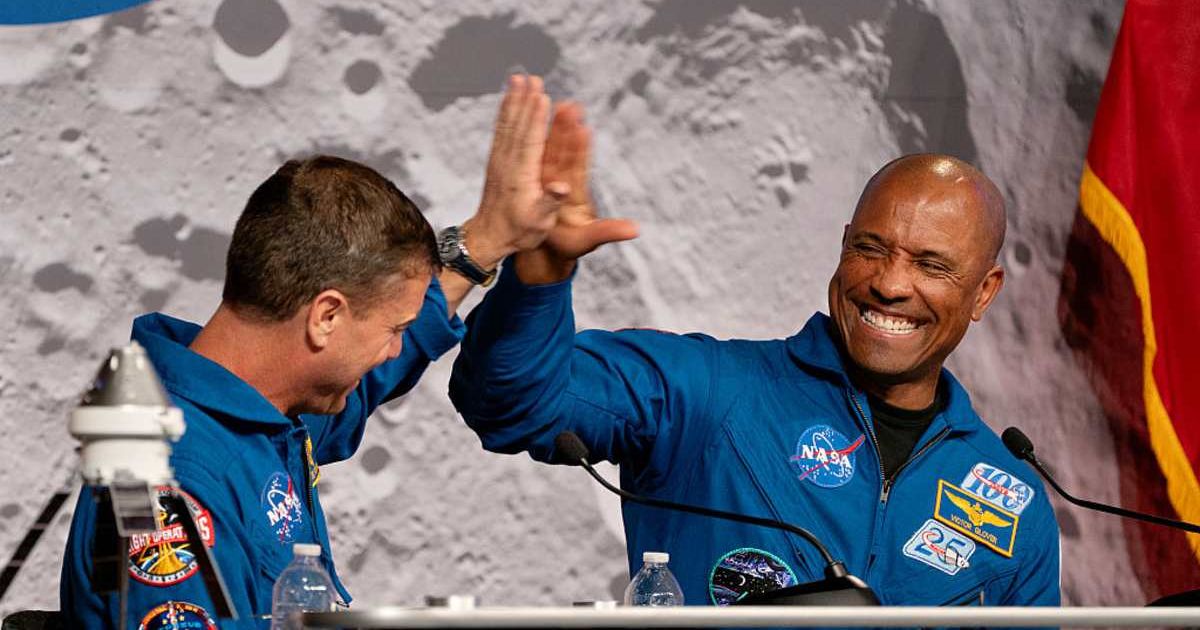
The Artemis II flight crew is currently undergoing rehabilitation at Johnson Space Center in Houston after the successful culmination of their mission to the Moon and back. Speaking to the media on April 16, 2026, the four astronauts talked about how their unique experiences will shape future crewed missions beyond technical aspects of their tasks. “This mission taught me that the unknown is way scarier than the known,” said Mission Specialist Christina Koch. Commander Reid Wiseman explained how small things unknown to them about living and working inside Integrity during their voyage will make life far easier for their peers on future missions. For instance, how food was organized and how the cabin was configured during workouts are seemingly insignificant details that can affect operations on much longer 30 to 45-day missions up ahead.
"Victor, Christina, Jeremy, just... thank you. This was an unbelievable adventure and it was made possible by this crew and the support of each other throughout the whole thing." - @Astro_Reid, commander of Artemis II. pic.twitter.com/LzDqBNDsKK
— NASA (@NASA) April 16, 2026
Much of the topic of conversation was the experience of the crew in the aftermath of the mission as well. The crew discussed how busy they have been since splashing down, with their recovery also accompanied by science data collection and medical evaluations. On being asked about the pressure that was added to this mission after being integrated into a larger phased plan by NASA to build a Moon Base, the crew was nothing but ecstatic. Their arrival at JSC was almost immediately followed by simulations of geological tasks using dedicated surface spacewalk suits. These are meant to inform engineers about the design of Artemis IV and V missions that will touch down on the lunar regolith.
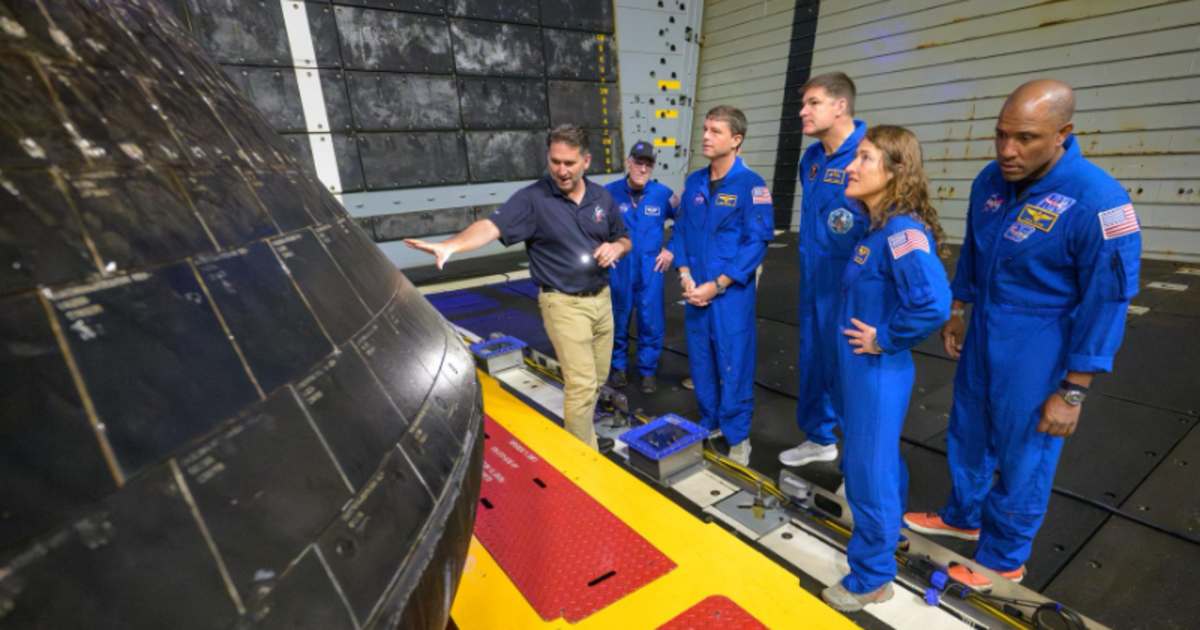
While all but the Canadian Space Agency’s Jeremy Hansen were veterans of previous International Space Station missions prior to launch, the experience of living in a much smaller cabin certainly had an impact on the crew. With all of the aforementioned post-flight activities, the crew members have had limited time to reflect on their experiences so far. Nonetheless, they shared their delight over how soundly they have been sleeping, especially given how tired they have been. All four astronauts also related to Koch’s observation of still feeling weightless upon waking up in the mornings since their return.
LIVE: Back at home in Houston, our Artemis II astronauts are talking about their mission around the Moon. https://t.co/cPsWP4h0Fv
— NASA (@NASA) April 16, 2026
Even as all four members of Artemis II were at pains to describe how close-knit a unit they were and have become since the mission, the importance of personal sessions with mental health professionals on the ground was also highlighted. Pilot Victor Glover said, “We have a team of operational psychologists and psychiatrists that help us skill up to be ready to accomplish things like this." The crew had a long list of science objectives to accomplish, all while being alert to any hardware alarms from the Orion capsule, which carried humans for the first time. To achieve those goals in a limited period of time and to manage periods of stress, the crew had professional help to lean on, “We have folks that help us navigate the challenges of, we call it behavioral health and performance, but of mental and team preparation."
Artemis II may have splashed down, but our photos and videos from the mission are still rolling in! Keep an eye on the latest: https://t.co/rzM1P0QbOl pic.twitter.com/HahXb0gCYC
— NASA (@NASA) April 11, 2026
Artemis II was groundbreaking in more ways than one. The mission, besides eclipsing spaceflight records and resuming crewed lunar exploration after over five decades, also served as a first from a diversity standpoint. The crew brought with it the first woman and person of color beyond low Earth orbit. When asked why NASA had backtracked on their prior commitment to do the same with the lunar landing designed for Artemis IV, Koch responded that rather than making it happen as a memento, it should happen naturally. She described the variety of demographics the astronauts in NASA corps come from thanks to decisions made decades ago. She maintained that NASA would find it easier to choose a crew with diversity, pointing to the fact that it was the drive for excellence that was ubiquitous among all potential crew members of Artemis missions.
More on Starlust
Artemis II was just the beginning; the hardest stretch for NASA’s Moon ambitions begins now
NASA set to roll out Artemis III SLS core stage section on April 20—here's all you need to know