Microbes in the Moon’s shadow: NASA finds some organisms could survive at the lunar South Pole
Astronauts might be leaving behind more than footprints on the Moon, suggests a NASA-led study, explaining that some microbes brought by humans could survive in the harshness of the lunar landscape. Published in Science Advances on August 19, 2026, the study focuses on the region picked by NASA for the upcoming Artemis lunar landings, models how certain common microbes carried by human explorers would behave, and presents some astonishing findings.
Microbes on the Moon?
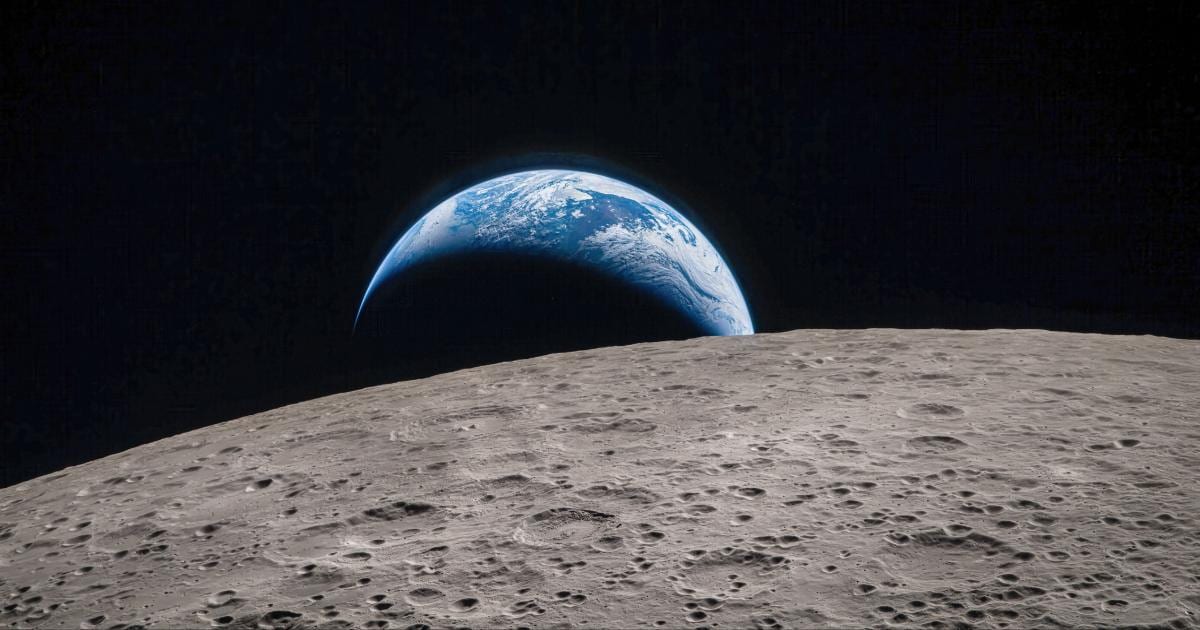
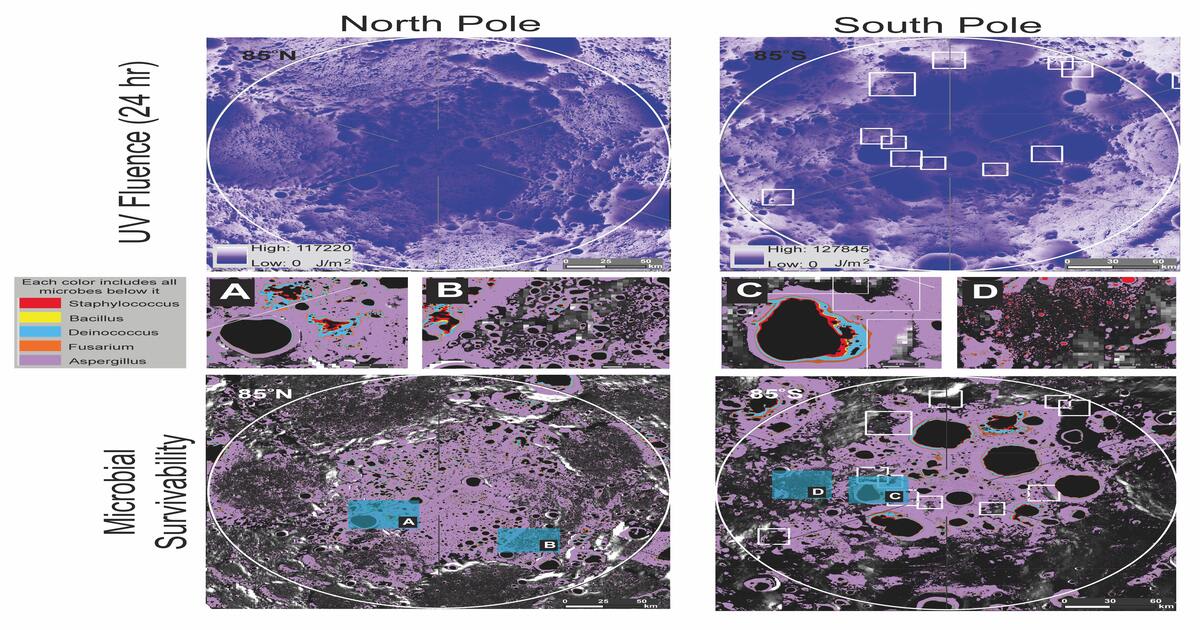
Led by Prabal Saxena, a planetary scientist at NASA's Goddard Space Flight Center, the study looked at three candidate Artemis landing sites in the lunar South Pole, namely, Nobile Rim, Connecting Ridge, and De Gerlache Rim. Their choice of a lunar pole for the simulation rested on how sunlight behaves in these regions. Because of the Moon's very slightly tilted axis, the Sun appears to hover on the horizon when viewed from the lunar poles. Consequently, sunlight skims across the lunar surface, lighting up elevated portions like mountains and crater regions, which, in turn, block light from reaching low-lying areas. Known as permanently shadowed regions (PSRs), these areas remain devoid of sunlight, making them cold, capable of preserving water, and potentially even shielding fragile molecules and microbes from lethal ultraviolet radiation.
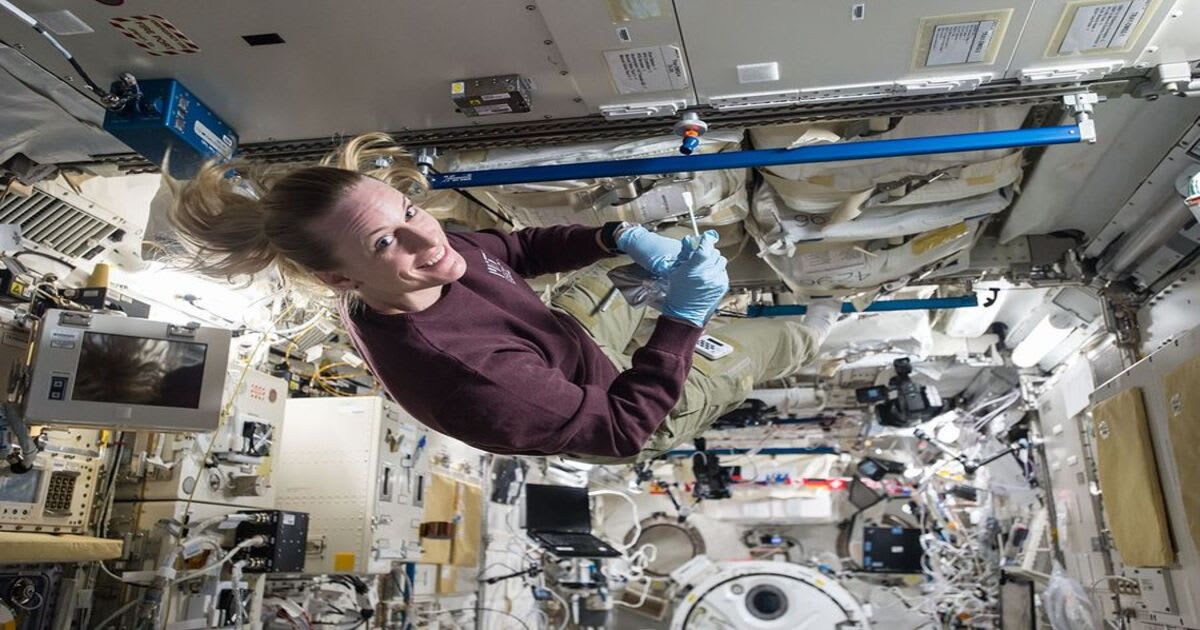
While microbes don't naturally exist on the Moon (at least to the best of our knowledge), they hitch a ride with human explorers, with some being notoriously resistant to sterilization. These microbes then vent out of spacesuits and habitats, spilling on to environments astronauts venture into. “Humans are natural explorers, and with them come their voices, their memories … and their microbes," said lead author Saxena, expressing concern about how contamination might impact geological or biological analyses of lunar samples. These concerns extend beyond the Moon as well, and are a general consequence of human exploration. “We need to understand what was there before us, because when we go to Mars to search for signs of life beyond our planet, we will want to make sure it’s not stuff we brought,” added study co-author Andrew Needham, a contamination control scientist for NASA's Artemis program.
Surviving the lunar environment
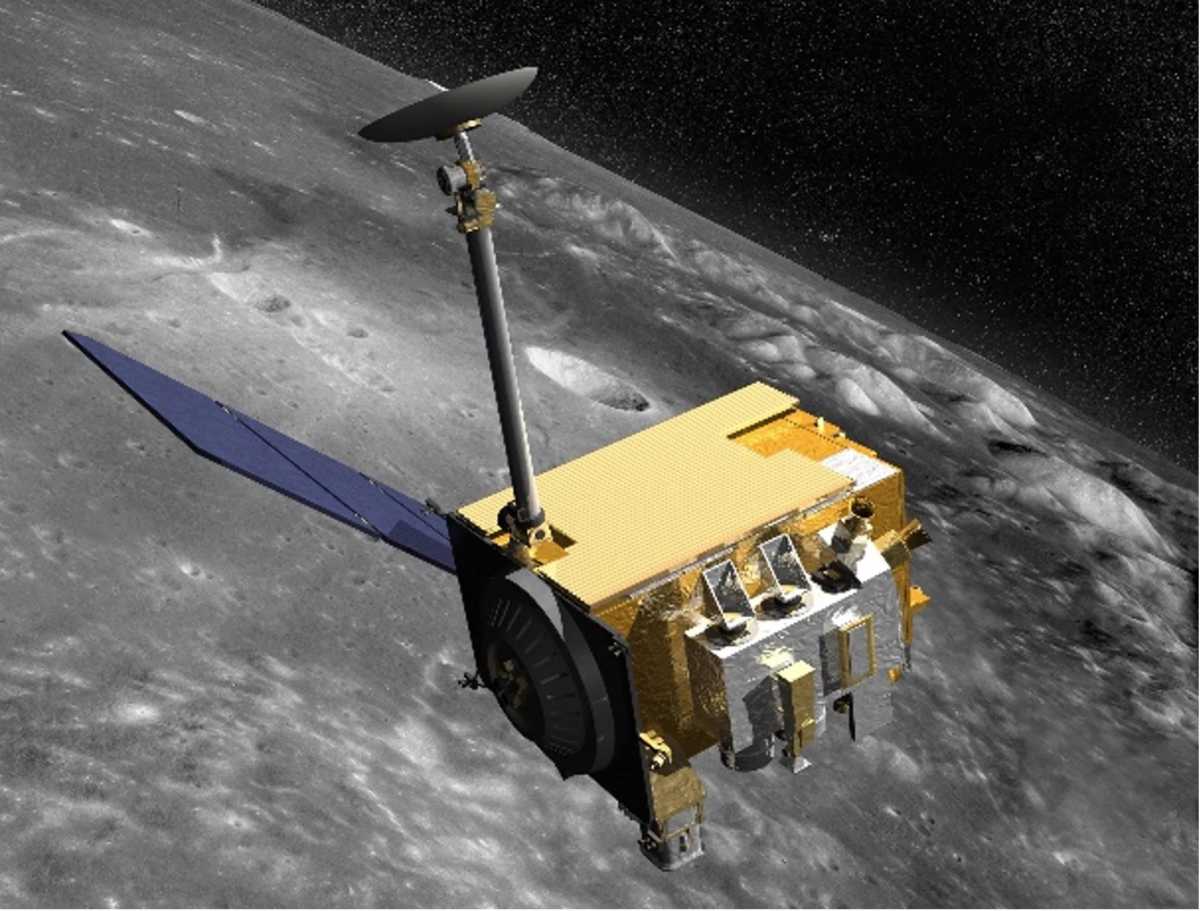
Against the aforementioned backdrop, the research team tested five microorganisms—the notoriously UV resistant Aspergillus niger, as well as Bacillus subtilis, Staphylococcus aureus, Deinococcus radiodurans, and several species of Fusarium—and modeled how they would fare on the harsh lunar landscape, which in turn, was meticulously simulated using remote sensing data and high-resolution illumination models, including data from NASA's Lunar Reconnaissance Orbiter (LRO).
These simulations showed that there are "significant" areas in the lunar poles that are likely to have "survivable niches" of darkness and that conditions in these areas may be less hostile to microbial life than had been previously assumed. Notably, Aspergillus niger showed that it could also briefly survive in some areas with sunlight exposure, while it had a maximum survivability of at least seven days under optimal conditions. However, it's worth being precise about what “survival” means in this context: the cells didn't die, but they didn't grow or reproduce either, remaining instead in a "cryptobiotic" state where growth would be possible if habitable conditions presented themselves.
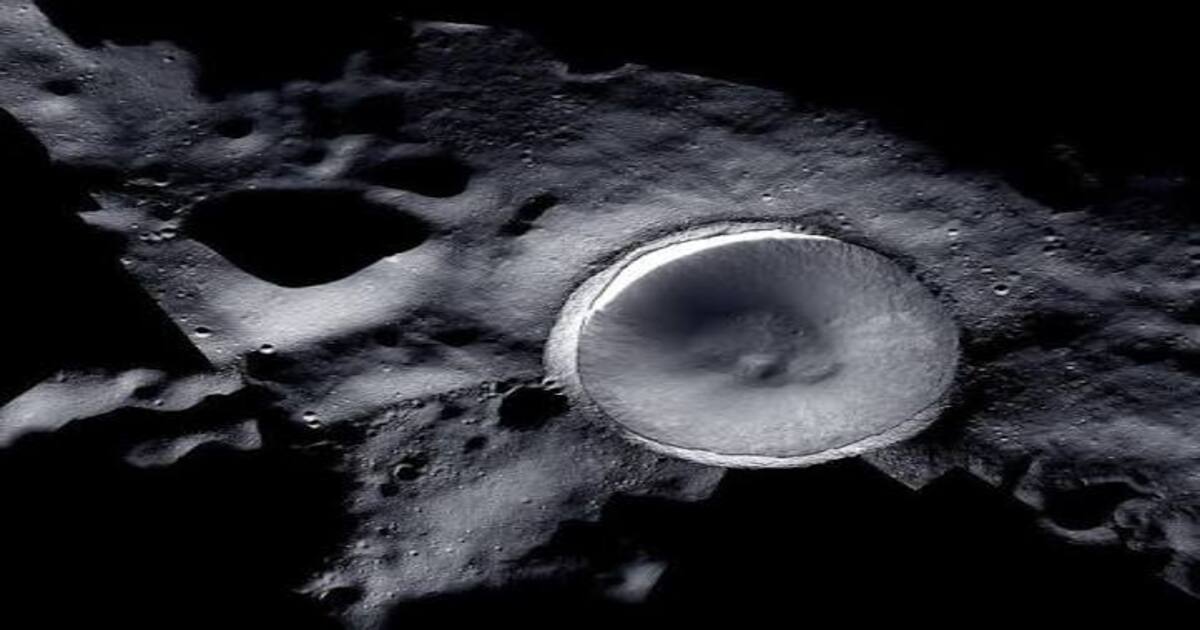
These findings, interestingly, align with a separate 2025 study from York University, which looked at a slightly different problem: the survival rates inside Shackleton and Faustini craters, two permanently shadowed craters at the lunar South Pole. That team modeled how long Bacillus subtilis spores could survive in the freezing temperatures, radiation, and vacuum of those specific craters. That said, because almost no direct sunlight reaches these depths, the spores would remain shielded from lethal UV radiation. In the more exposed parts of Shackleton and Faustini, the model estimated it could take roughly 30 years for the spore population to fully die off and reach the study's sterility-assurance level. In deeper, more sheltered recesses, that time could be substantially longer.
Considerations for future missions?
While the present study and the one before it highlight how long certain microbes could live on the Moon, it should be noted that survival here doesn't mean growth, and that gap is important. Even so, the finding complicates future mission planning. While robotic spacecraft can be sterilized using high temperatures, astronauts cannot go through such procedures, and contamination, however brief, remains an inevitability as of now.
"When we think of the Moon, we don’t typically think of biology. But the Moon is a place where a cell can survive, so our first exploration of these sites should pay extra attention to our microbial hitchhikers and work hard to characterize lunar chemistry before our visits change what we will find," added paper co-author Heather Graham, a NASA Goddard-based scientist.
More on Starlust:
Microbes may survive asteroid impacts and travel between planets, new study finds