Getting pregnant in space may be tricky, as human sperm may lose its way without gravity
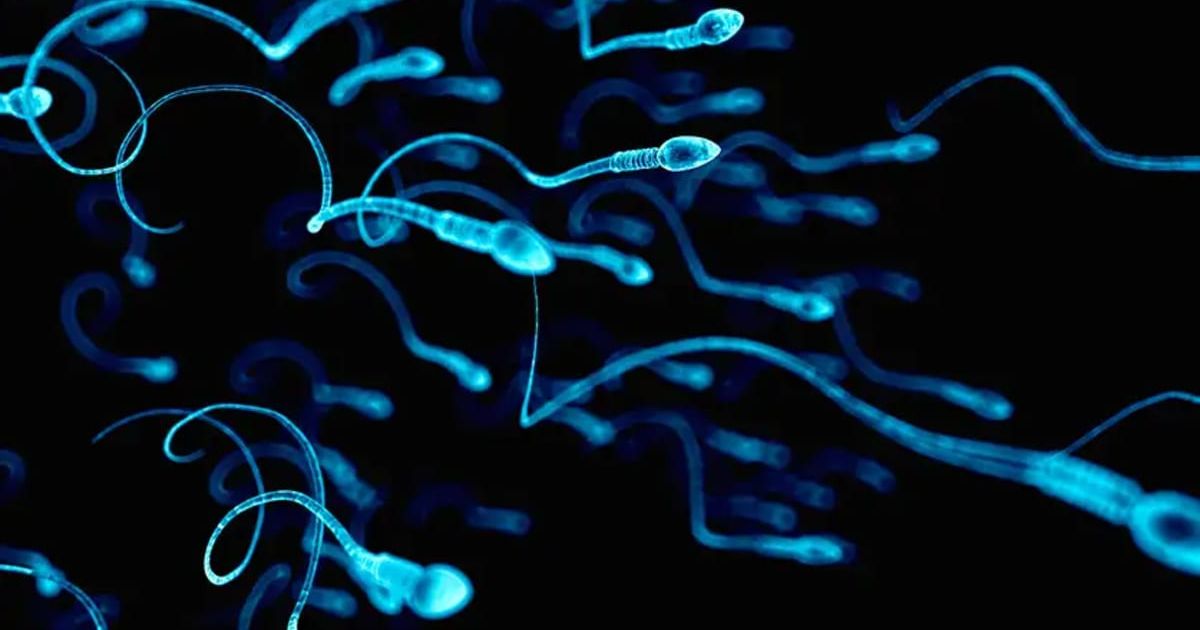
Getting pregnant in space could be tricky. A research team at Adelaide University has discovered that sperm, when exposed to simulated microgravity, lose their way through a maze designed to mimic the female reproductive tract. “This is the first time we have been able to show that gravity is an important factor in sperm’s ability to navigate through a channel like the reproductive tract,” said senior author Dr. Nicole McPherson from Adelaide University’s Robinson Research Institute in a statement. The study, published in Communications Biology, also found that exposure to microgravity negatively impacts fertilization in mammals as well.
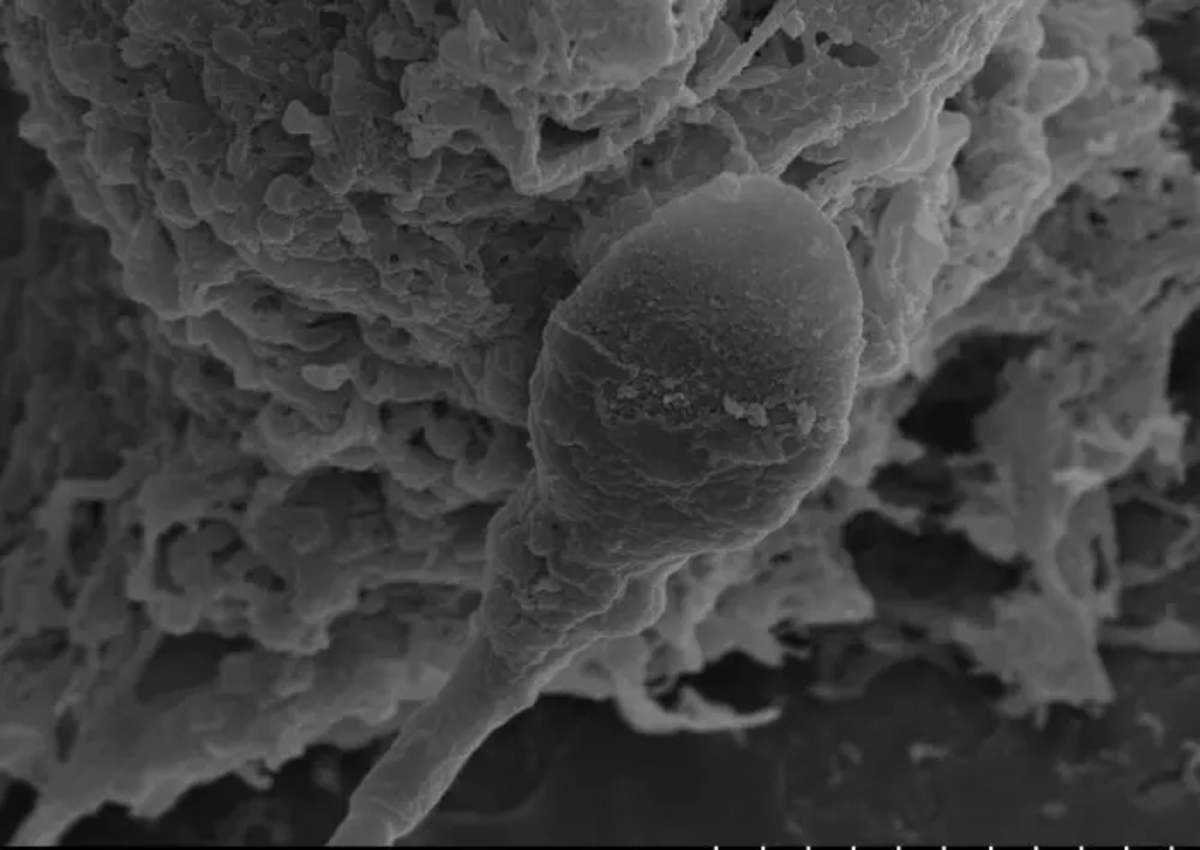
For the study, the researchers collected sperm samples from humans, mice, and pigs, which they put through a 3D clinostat machine, developed by Dr. Giles Kirby at Firefly Biotech, which simulates microgravity by flipping cells. This hampers the orientation of the cells. In simulated microgravity, the sperm were allowed to move through a maze that resembled the female reproductive tract.
“We observed a significant reduction in the number of sperm that were able to successfully find their way through the chamber maze in microgravity conditions compared to normal gravity,” said Dr. McPherson. “This was experienced right across all models, despite no changes to the way sperm physically move. This indicates that their loss of direction was not due to a change in motility but other elements.” Next, the researchers found that negative effects of microgravity on sperm navigation can be largely countered by adding the sex hormone progesterone. This hormone is important for pregnancy establishment. They found that the sex hormone helped more human sperm get over the negative effects of simulated microgravity.
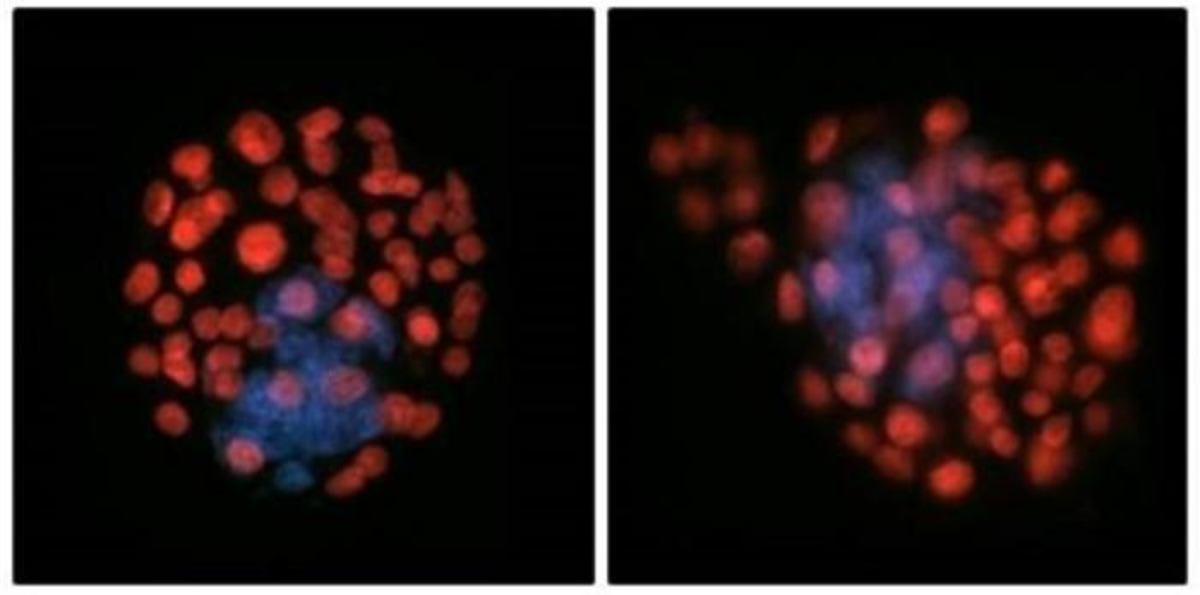
As far as the effects on fertilization are concerned, the researchers observed a 30% reduction in the number of successfully fertilized eggs compared to normal conditions on Earth after four hours of exposure to zero gravity. “We observed reduced fertilization rates during four-to-six hours of exposure to microgravity,” said Dr. McPherson. “Prolonged exposure appeared to be even more detrimental, resulting in development delays and, in some cases, reduced cells that go on to form the fetus in the earliest stages of embryo formation.” The work, which is a step forward to addressing the challenges of living in off-Earth environments, was a collaboration with Adelaide University’s Andy Thomas Centre for Space Resources. “As we progress toward becoming a spacefaring or multi-planetary species, understanding how microgravity affects the earliest stages of reproduction is critical,” said Associate Professor John Culton, Director of the Andy Thomas Centre for Space Resources.
As NASA plans to build human settlements on the Moon and travel to Mars, the researchers want to simulate the gravity of these alien lands and study their impact on sperm navigation and early embryo development. However, it is not yet known whether gravity-related changes in development happen gradually or there is a threshold effect. Knowledge of this distinction is essential for planning human reproduction in space and for designining artificial gravity systems that are conducive to development. “In our most recent study, many healthy embryos were still able to form even when fertilized under these conditions. This gives us hope that reproducing in space may one day be possible,” said Dr. McPherson.
More on Starlust
Space mice offer insights into how Moon and Mars missions may affect astronauts' muscles
Female astronauts at risk of developing stronger blood clots, finds new study