Astrophysicists reveal 'Earth-sized' exoplanet TRAPPIST-1e may have atmosphere and liquid water to support life
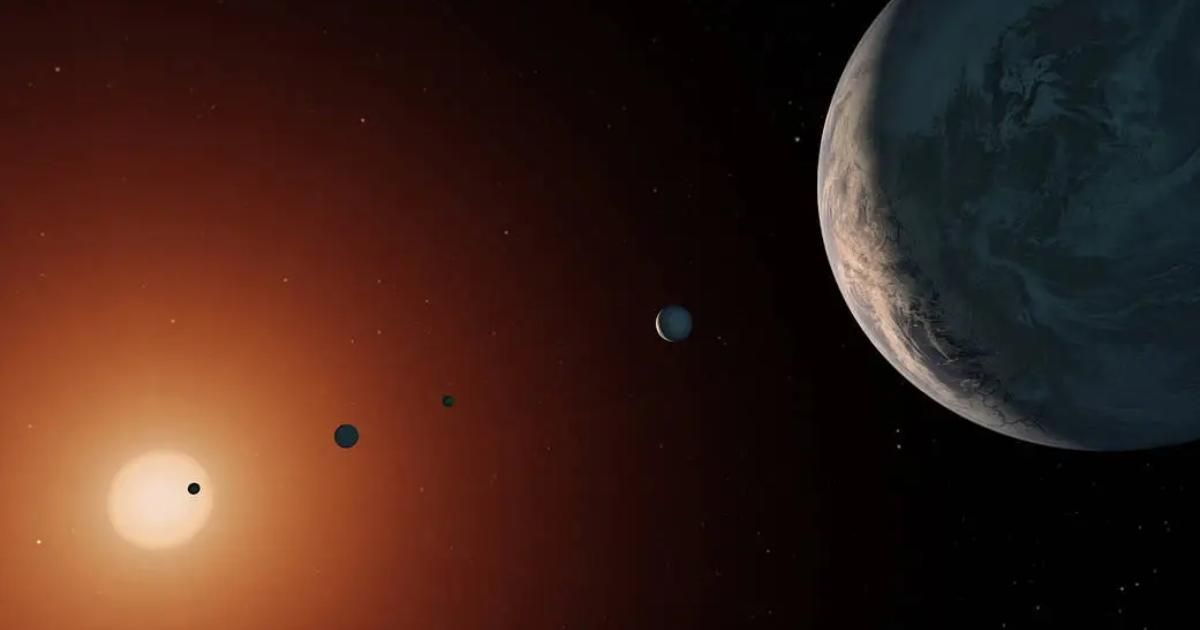
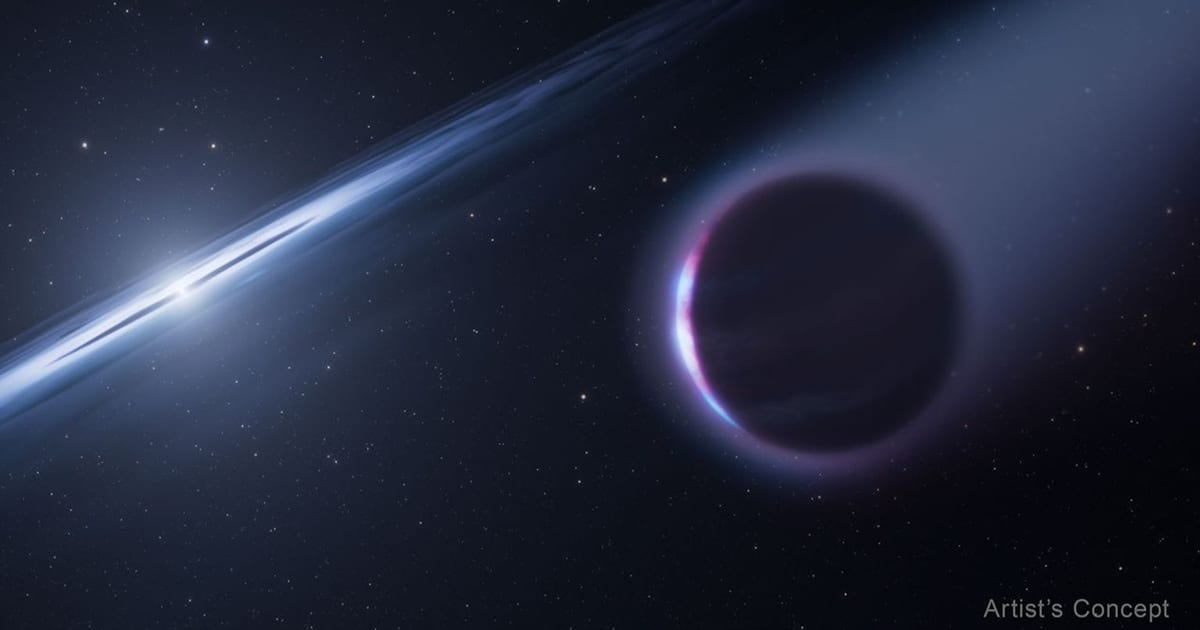
The James Webb Space Telescope (JWST) has delivered new, intriguing data on the exoplanet TRAPPIST-1e, bringing scientists closer to understanding whether this Earth-sized world, located 40 light-years away, could host liquid water and possibly support life, as per the University of Bristol.
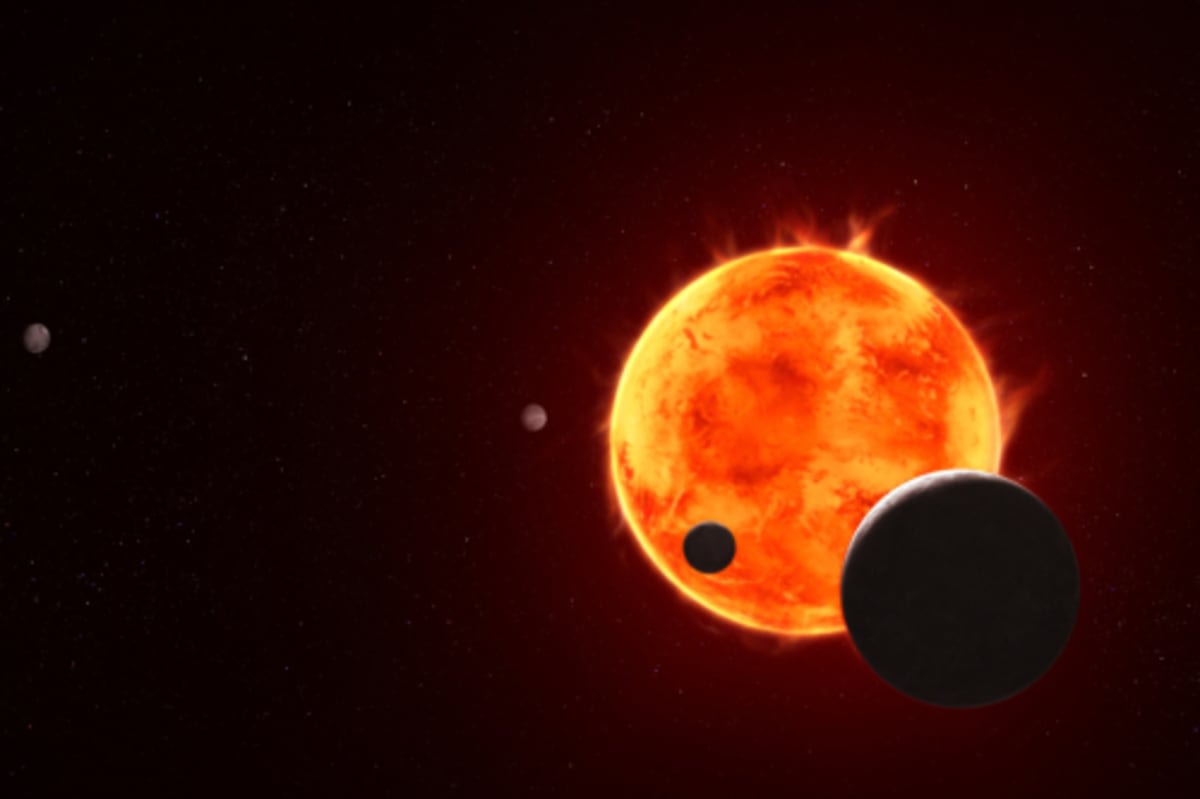
Observations made by an international team of researchers, including a leading group from the University of Bristol, are part of a major project probing the planet's atmosphere and surface. TRAPPIST-1e is of particular interest to astronomers because it orbits within its star's habitable zone, a region where conditions could allow for the existence of liquid water. Initial findings, detailed in two papers published in the Astrophysical Journal Letters, suggest the presence of an atmosphere is plausible, though not yet confirmed. The powerful Near-Infrared Spectrograph (NIRSpec) instrument on the JWST was used to analyze starlight as the planet passed in front of its star. Any dips in the light spectrum would indicate the chemical composition of an atmosphere.
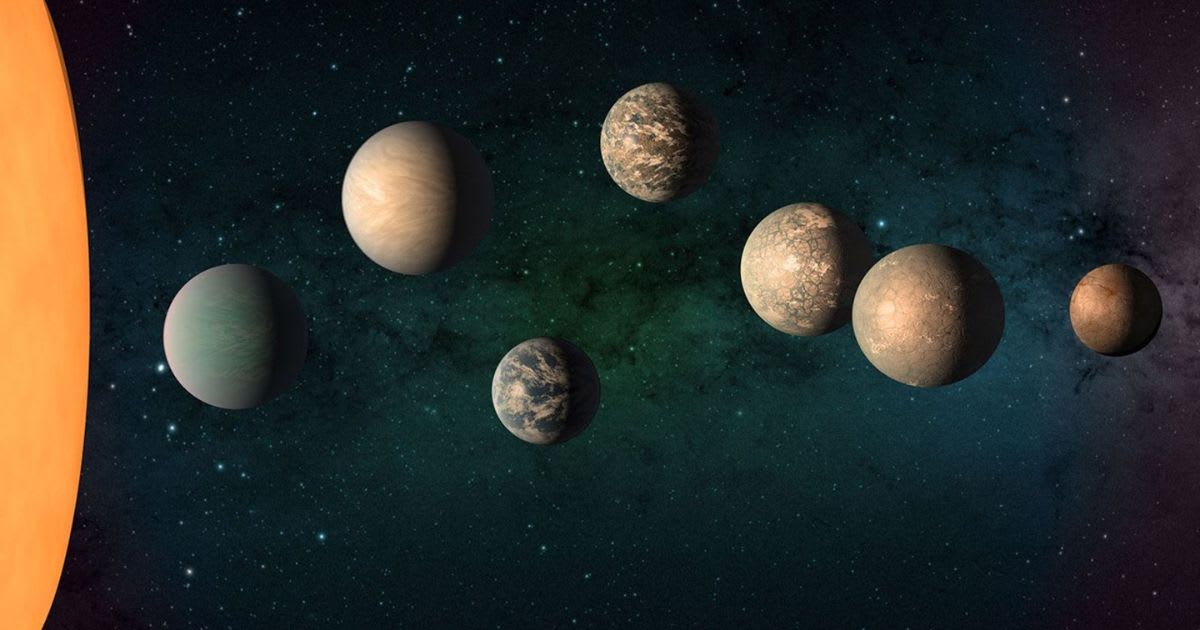
Dr. Hannah Wakeford, an astrophysicist at the University of Bristol, stated, “What we have found with JWST in these first four observations helps refine the earlier Hubble measurements and reveals there might now be hints of an atmosphere, but we cannot yet rule out the possibility there is nothing to detect.” One key finding from the research is that the planet, if it does have an atmosphere, has likely lost its original one. Scientists believe that TRAPPIST-1e, like other planets, would have initially formed with a hydrogen-rich atmosphere. However, the active nature of its host star, TRAPPIST-1, could have stripped it away.
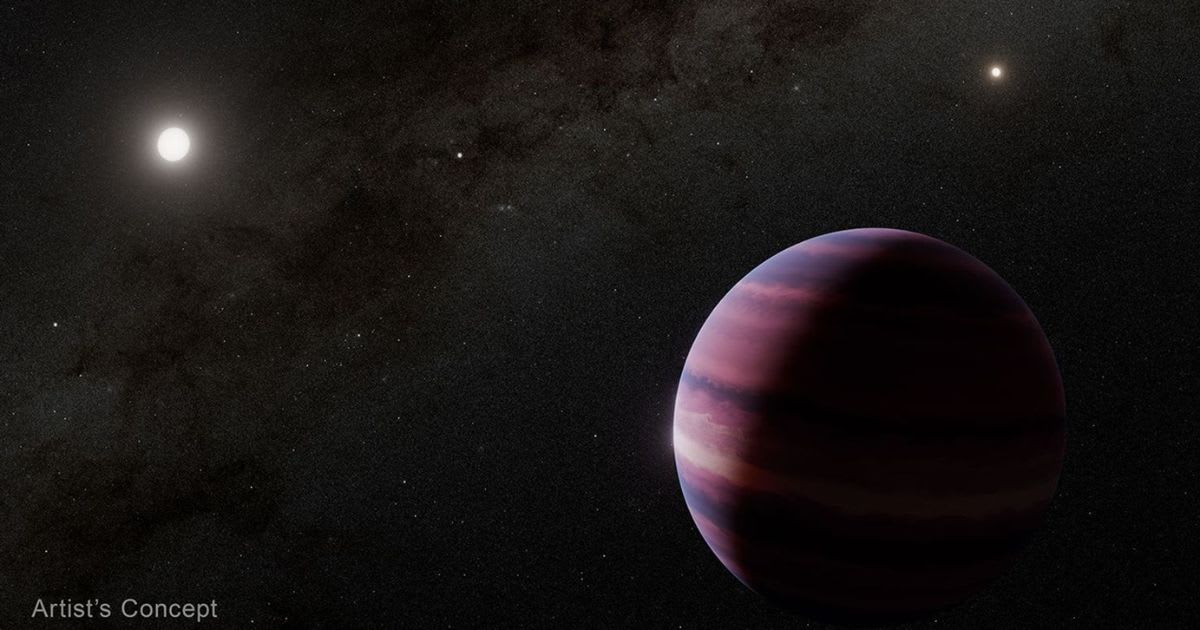
“The findings also further rule out the presence of a primordial hydrogen-based atmosphere," said Dr. David Grant, a co-author of the studies and former research associate at the University of Bristol. Researchers are now considering the possibility of a secondary atmosphere, a much heavier atmosphere that could have formed later. The presence of such an atmosphere would be crucial for the existence of liquid water on the planet's surface, as it could create a greenhouse effect to maintain stable temperatures.
While a carbon dioxide-dominated atmosphere, similar to those on Venus or Mars, is considered unlikely, scientists believe there may still be enough CO2 to sustain liquid water. Due to the planet's tidally locked nature, with one side always facing its star, liquid water could exist in a global ocean or in a smaller area on the sun-facing side, surrounded by ice, as mentioned by the University of Bristol.
The next phase of the research will involve further observations of TRAPPIST-1e and a comparison with data from another planet in the system, TRAPPIST-1b. These additional insights are expected to bring greater clarity to the ongoing mystery of this intriguing exoplanet. The international project is a collaboration involving more than 30 scientists from the U.S., UK, and India, and is part of the JWST-TST DREAMS program, led by Dr. Nikole Lewis of Cornell University.
More on Starlust
NASA’s TESS captures two Earth-like exoplanets orbiting an orange dwarf
Earth-like exoplanet 41 light-years away has no atmosphere to support life, new JWST data reveals