Astrophysicists unveil new protocol to capture supernovae mere hours after they explode
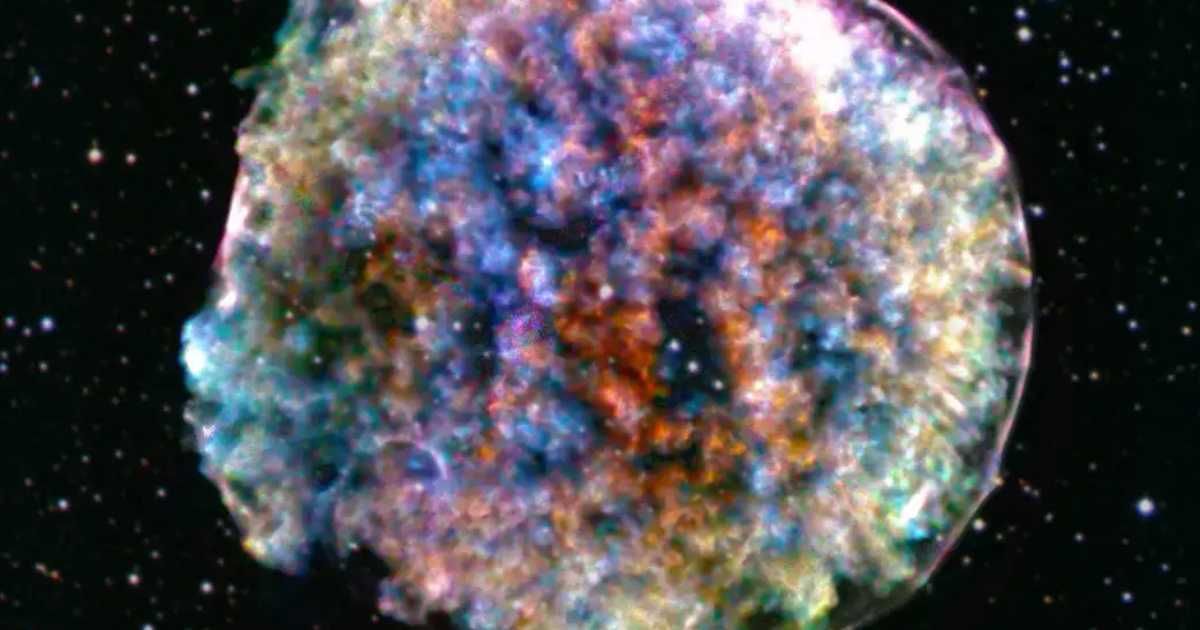
In a major advance for astrophysics, a team of scientists led by Spain's Institute of Space Sciences (ICE-CSIC) has developed a new method to detect and study supernovae mere hours after they detonate. This breakthrough, detailed in the Journal of Cosmology and Astroparticle Physics (JCAP), promises to revolutionize our understanding of these cataclysmic stellar explosions, as per the Institute of Space Sciences.
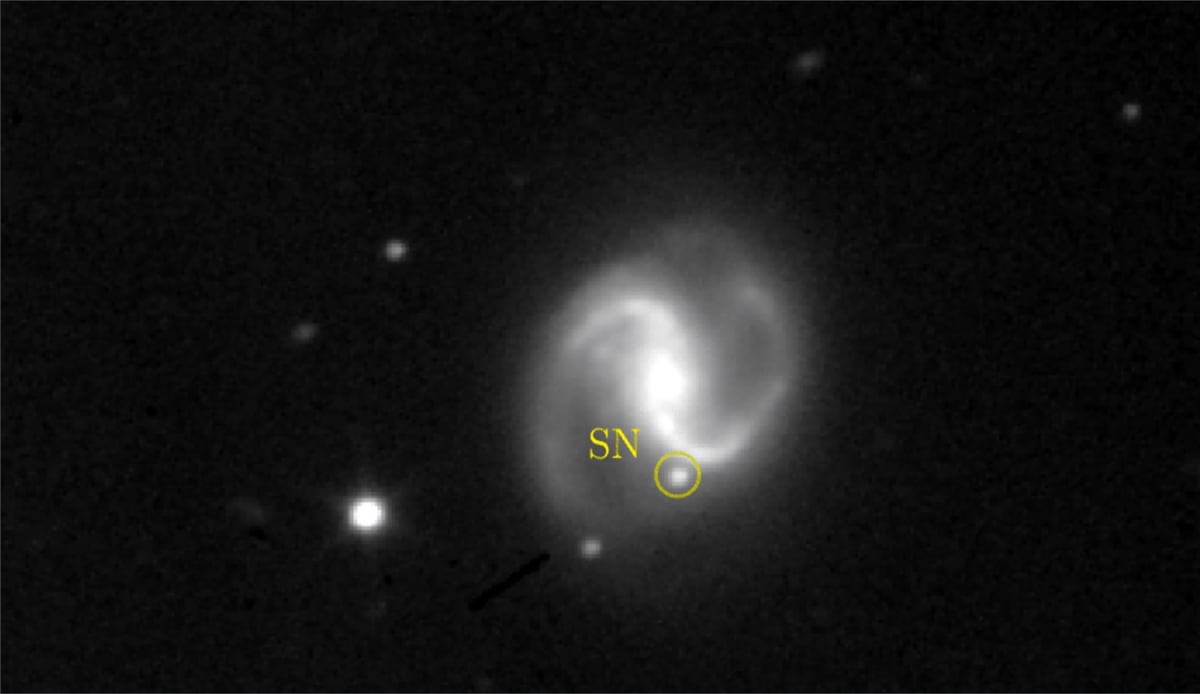
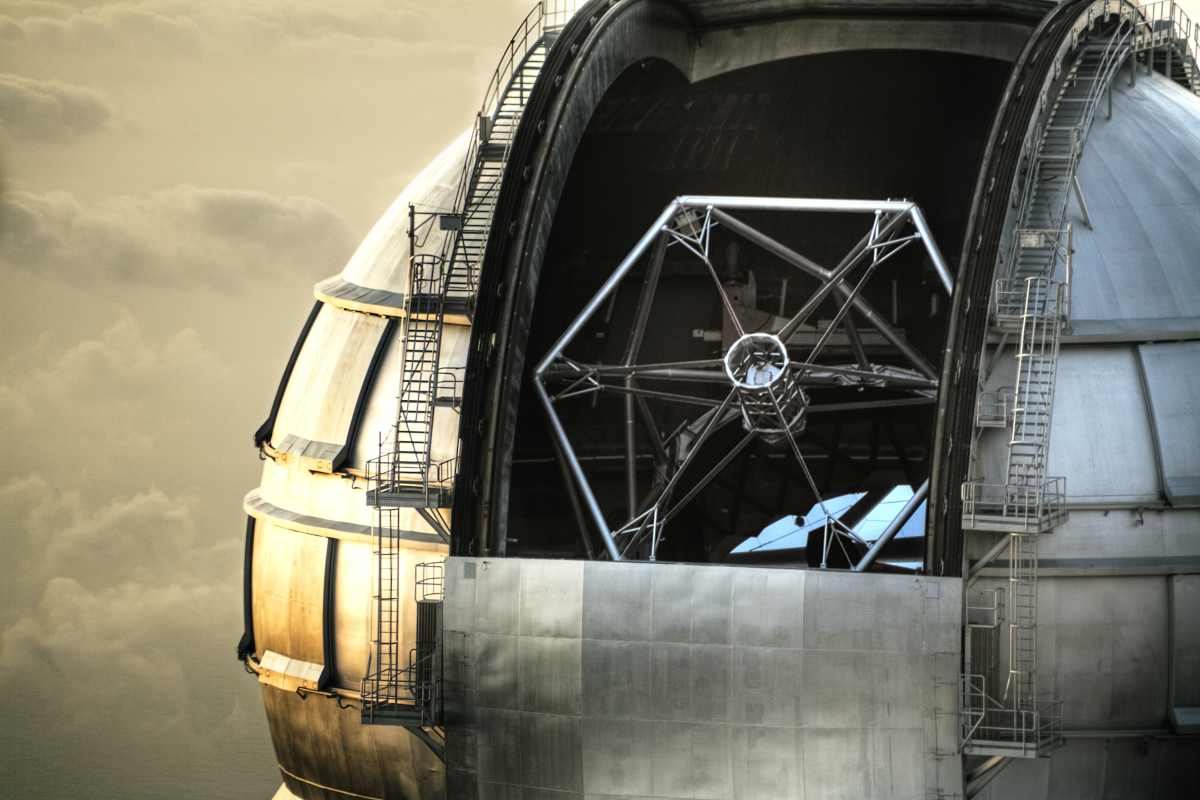
Traditionally, the sudden and unpredictable nature of supernovae made them difficult to observe in their earliest moments. However, because of the new generation of high-cadence sky surveys that discover new supernovae almost daily, researchers can now act quickly. The new study, a pilot program using observations from the Gran Telescopio de Canarias (GTC), demonstrates a targeted protocol for capturing the initial light spectra from these events, often within 24 to 48 hours of eruption.
Supernovae are the explosive ends of a star's life, but they come in two main types. Thermonuclear supernovae occur when a white dwarf, the dense remnant of a low-mass star, siphons matter from a companion star in a binary system. The added mass increases internal pressure to a critical point, triggering a thermonuclear explosion. In contrast, core-collapse supernovae are the fate of massive stars, those over eight times the mass of our sun. Once these stars exhaust their nuclear fuel, their cores collapse under gravity, unleashing a powerful explosion that blasts the star apart.
According to study lead author Lluís Galbany, an astrophysicist at ICE-CSIC, the first hours after an explosion are critical. This "first light" contains direct clues about the star that died and the environment it existed in, helping scientists validate competing models of stellar evolution. To achieve this, the team's new protocol leverages modern wide-field surveys that continuously scan the sky. When a new light source is detected within a galaxy that was not present the night before, the protocol is triggered. This prompts a swift follow-up with the OSIRIS instrument on the GTC to capture the supernova's spectrum. This spectral data reveals vital information, such as the presence of hydrogen, which helps clarify the supernova's type.

The pilot study successfully captured data from ten supernovae, most of which were observed within 6 days of explosion, with two observed in under 48 hours. These rapid-fire observations, combined with photometry from other observatories like the Zwicky Transient Facility (ZTF) and the Asteroid Terrestrial-impact Last Alert System (ATLAS), provide a detailed picture of the star's initial brightness curve. Small fluctuations in this curve can even hint at the presence of a companion star that was consumed in the blast, as mentioned on ICE-CSIC.
The researchers believe this pilot program proves that even faster observations are possible. The successful coordination of spectroscopic and photometric surveys sets a new standard, paving the way for systematic studies of the earliest supernova phases. “We now know that a rapid-response spectroscopic program, well coordinated with deep photometric surveys, can realistically collect spectra within a day of the explosion, paving the way for systematic studies of the very earliest phases in forthcoming large surveys such as the La Silla Southern Supernova Survey (LS4) and the Legacy Survey of Space and Time (LSST), both in Chile," Galbany concludes.