Astronomers just found the youngest planet ever seen—and it's still taking shape
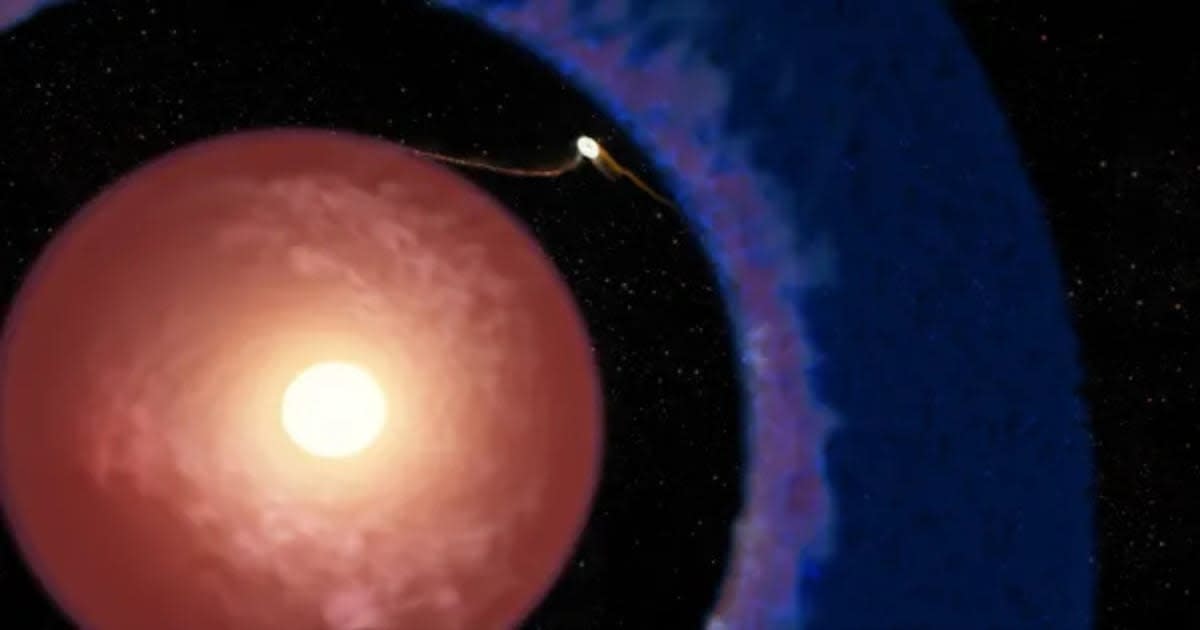
Astronomers have discovered a planet that is a "newborn in cosmic terms," being less than a million years old. Additionally, this planet itself is still embedded in the disk of gas and dust around its star where other planets are likely to be forming, giving scientists an opportunity to observe the system's evolution.
This exoplanet, named Elias 2-24 b, was spotted by astronomers in images taken by the W.M. Keck Observatory. Located roughly 450 light-years from Earth, Elias 2-24 b is roughly the mass of Jupiter and is still gathering material around it. While astronomers usually reconstruct the early stages of planet formation using models or indirect evidence, Elias 2-24 b's discovery in its infancy gives direct insights into this rarely observed phase of a system's evolution.
A decade-old mystery, finally solved
The seeds of this discovery were sown long before 2026, but the study itself was published in The Astrophysical Journal Letters on Wednesday by a team led by Andrea Bernardi, a doctoral candidate at Diego Portales University in Chile. To confirm their findings, the researchers used archival data from the W.M. Keck Observatory in Hawaii, a facility that partners with NASA.
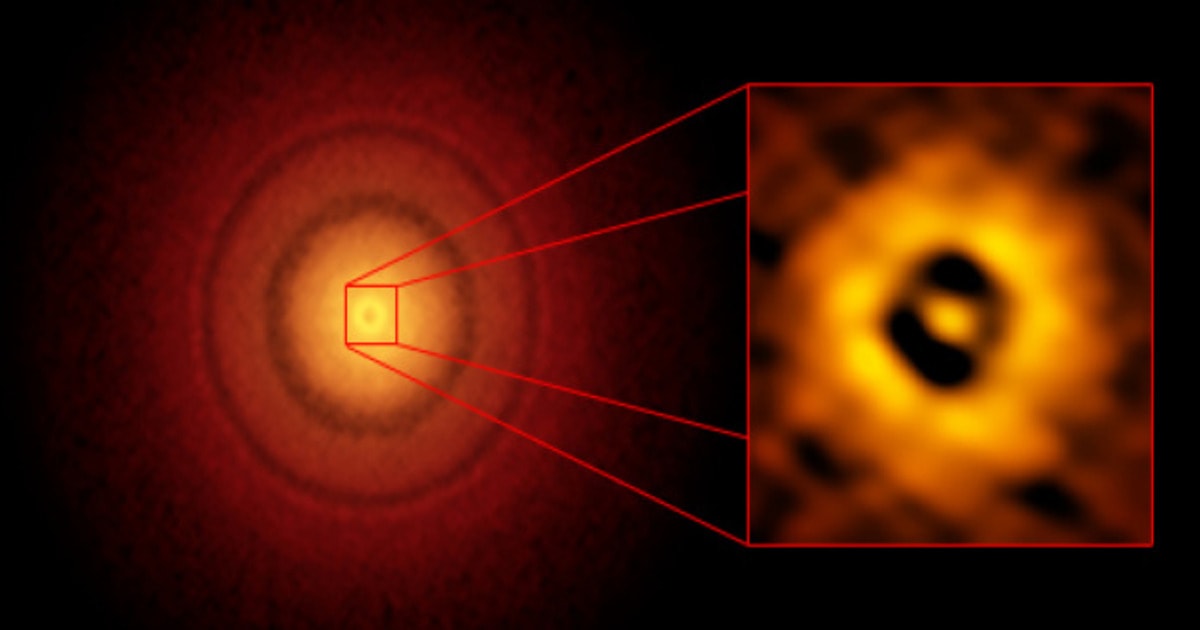
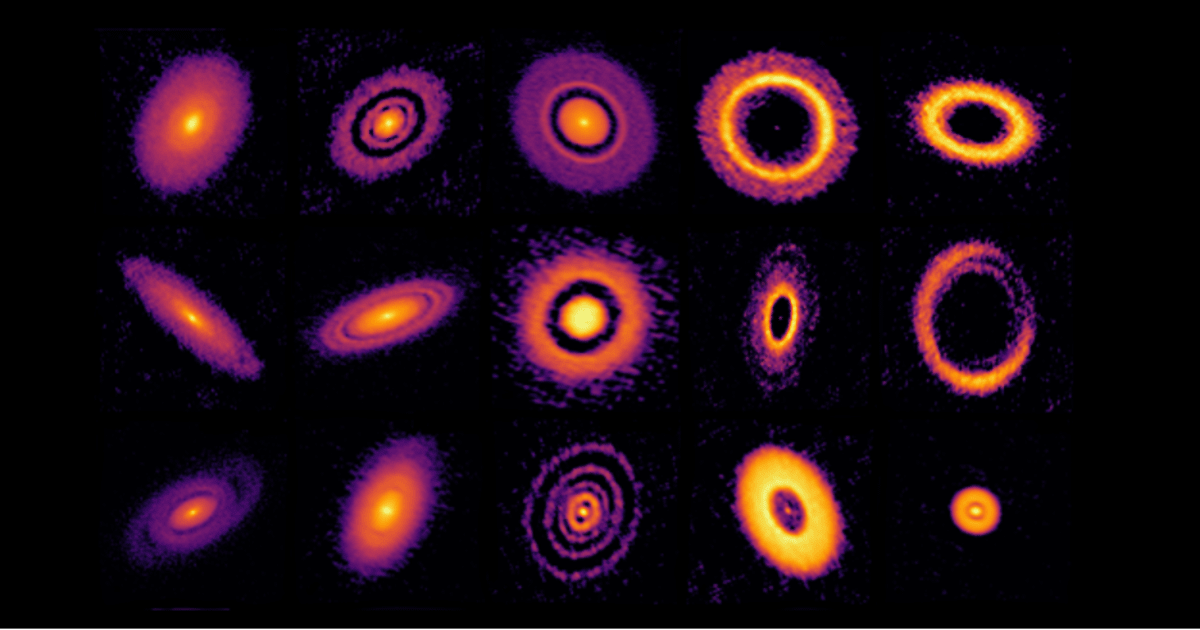
While the publication was recent, astronomers had gotten their first clue about this planet when they observed the protoplanetary disk of Elias 2-24 through ALMA (Atacama Large Millimeter/submillimeter Array) nearly a decade back in 2017. At the time, ALMA had revealed three gaps in the disk of gas and dust surrounding the young star Elias 2-24, leading astronomers to suspect that these gaps could have been created by forming planets. However, they did not have confirmation at the time.
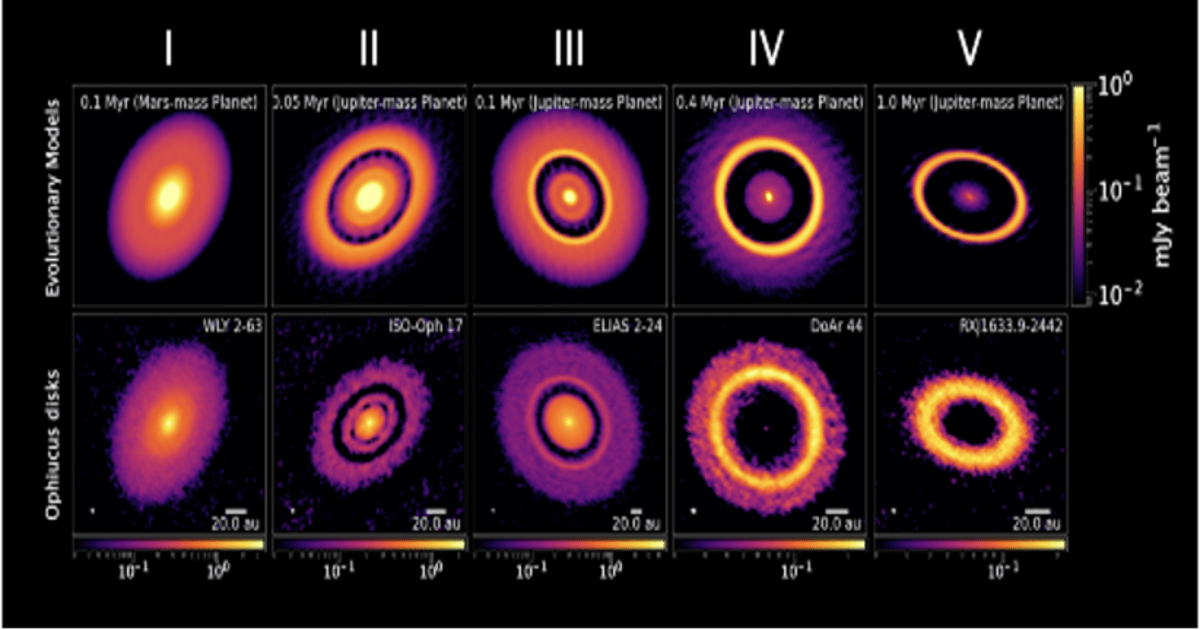
Later, observations by the European Southern Observatory's Very Large Telescope (VLT) detected a faint object in one of these gaps. "The planets should be found within the gaps, since they are carving them. And that's exactly where we found Elias 2-24 b," said Andrea Bernardi. Researchers then used archival data from the Keck Observatory to confirm the presence of this object. During observations from 2018 and 2020, the object was also detected.
Upon comparing these observations, the movement was found to be consistent with an object orbiting the star Elias 2-24. "We usually hear about the telescopes working separately, but this confirmation was possible only by using multiple telescopes together," Bernardi added.
Younger than anything we have seen before
Age is the factor that makes the discovery of Elias 2-24 b so illuminating. This planet is younger than a million years, which makes it the youngest known planet discovered so far. Before this, the record for the youngest known planet was held by two planets around the star PDS 70 and two more around WISPIT 2. These were all more than 5 million years old. In comparison, Elias 2-24 b is much younger.
First, this discovery is important because planet-formation models are already struggling to explain these 5-million-year-old record holders. According to Lucas Cieza, co-author of the study, "Elias 2-24 b shows us that even our best planet-formation models are still missing some important processes."
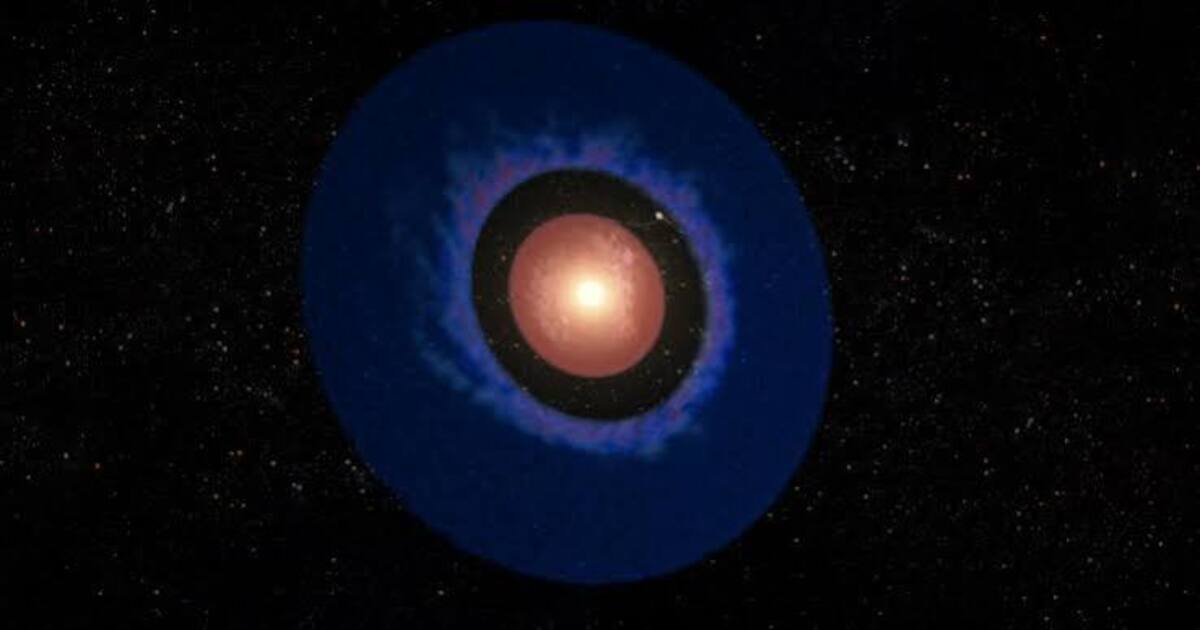
Counterintuitively, models suggest that a Jupiter-sized planet at around Jupiter's distance from its star can take roughly 5 million years to form, and if the planet is farther from its star, the process should take even longer. But Elias 2-24 b is around 55 times farther from its star than Earth is from the Sun, yet it is still less than a million years old.
A rare window into the early solar system
Elias 2-24 b presents a rare opportunity to observe a huge planet in its early stage of formation, potentially yielding answers to decades-old questions about planet formation, which could provide a window to understand our own solar system better.
In the future, the Nancy Grace Roman Space Telescope and other powerful telescopes may detect more such young planets, providing scientists with more clues about how planetary systems take shape.
More on Starlust
Planets form more easily when they orbit two suns instead of one, new study suggests
New research provides first observational proof of underground lava tubes on Venus