New research provides first observational proof of underground lava tubes on Venus
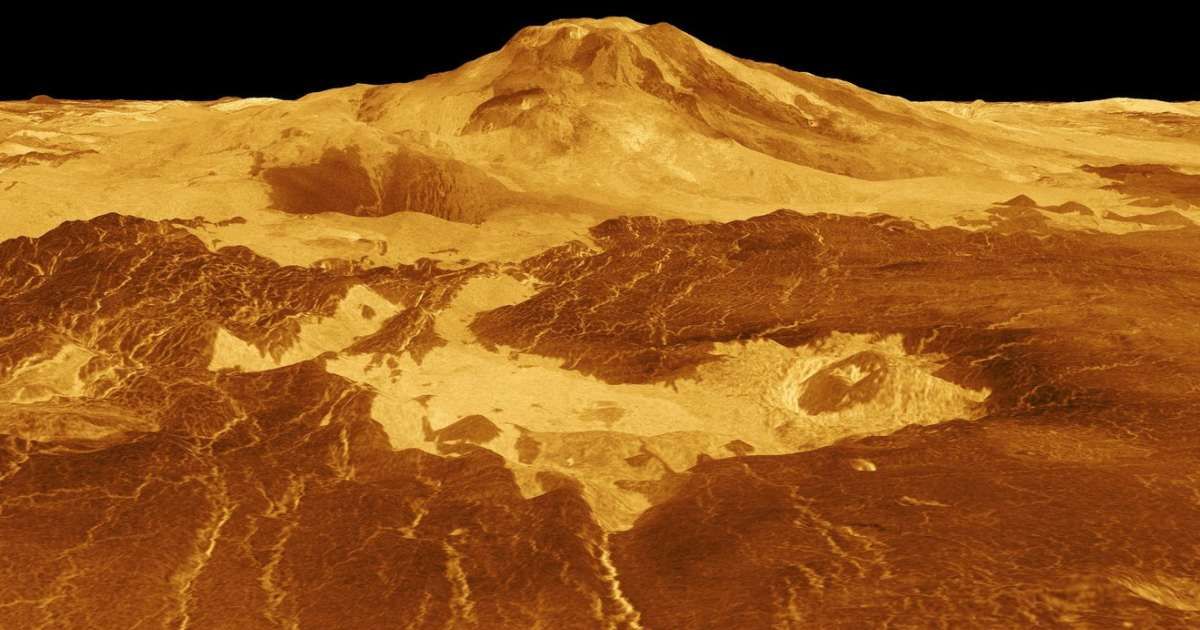
In a breakthrough for planetary science, a team of researchers has presented the first observational evidence for the existence of subsurface lava tubes on Venus. The discovery, detailed in a new study, significantly expands the understanding of the planet's volcanic and geological history, as per Europlanet.
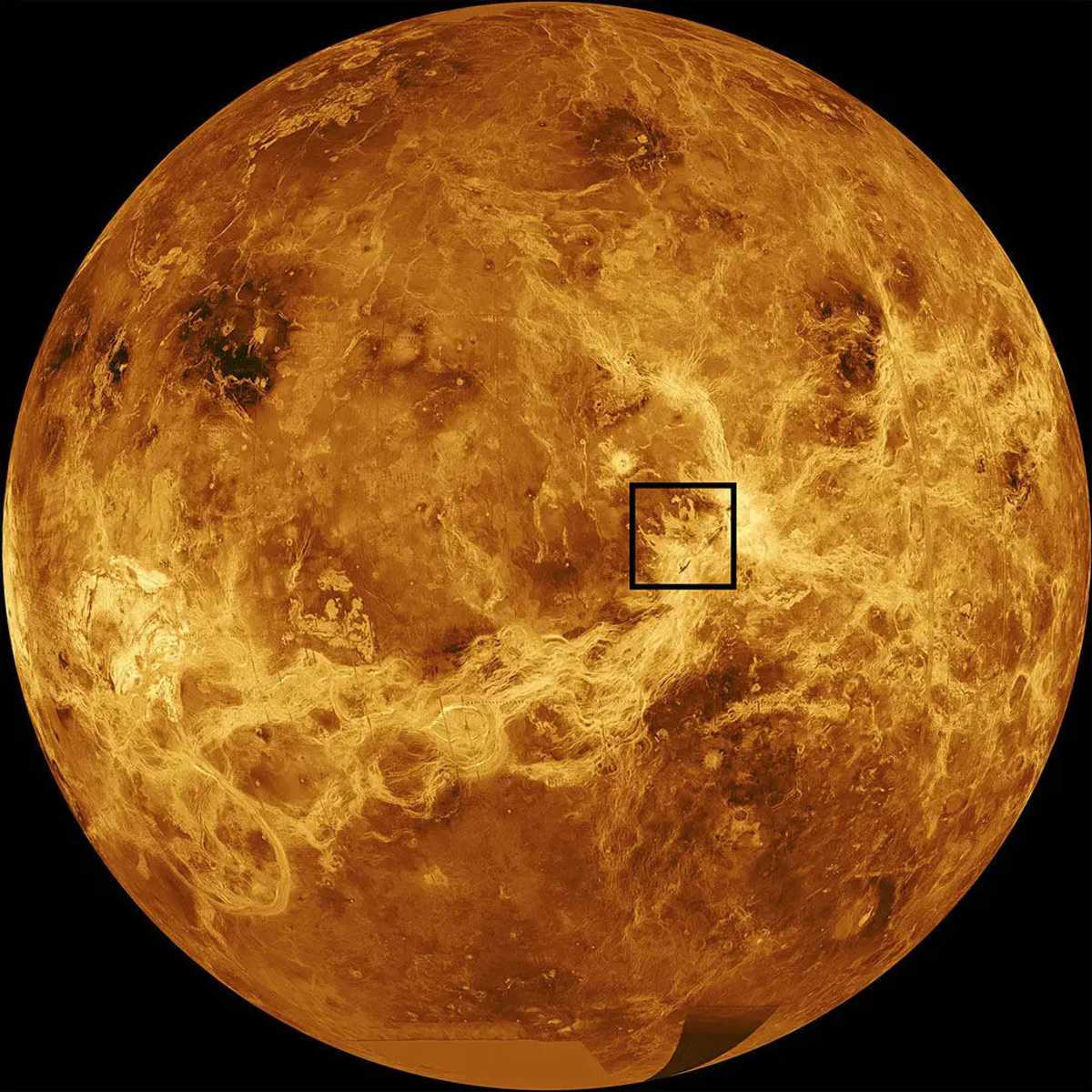
While lava tubes, naturally occurring conduits formed by flowing molten rock, have been confirmed on the Moon, Mars, and Earth, their presence on Venus had remained purely speculative. This new evidence transforms a long-standing hypothesis into a scientific finding. The study's authors utilized radar imagery and topographical data from past Venus missions, focusing their extensive analysis on pit alignments found across large Venusian volcanoes, those exceeding 100 km in diameter.
The lava tube hypothesis is strongly supported by several key characteristics observed in the pit chains. Morphologically, the alignments display a distinctive curvilinear arrangement and high sinuosity, a pattern typical of collapse features above winding subsurface conduits, which sharply contrasts with the straighter features produced by tectonic extension. Dimensionally, the width and depth of the individual pits are limited, suggesting an underlying, uniform void; this is distinct from tectonically-formed pits, where depth and diameter typically exhibit a direct correlation.
Finally, the geological context confirms the interpretation: all four instances are located on the flanks of massive shield volcanoes, the ideal environment for lava tube formation, and their trajectory consistently follows the natural downhill slope of the terrain, perfectly aligning with the expected path of ancient lava flows. The inferred geometry and formation process point to a "crusting-over" mechanism, where the top layer of a lava flow solidified while the molten lava beneath drained away.
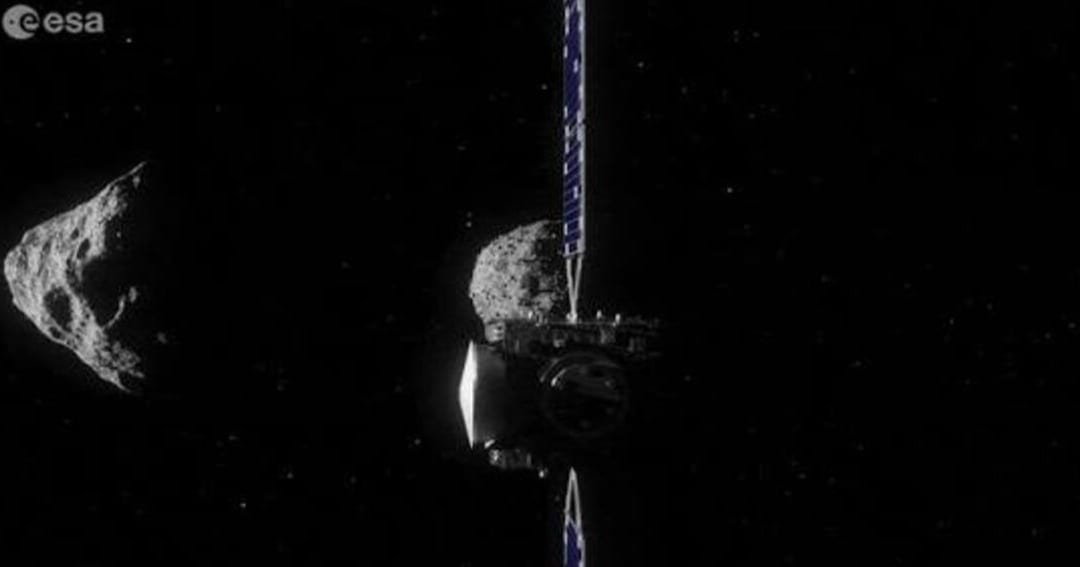
Crucially, the study suggests that these Venusian features are vast. Based on their visible extent, the estimated volumes for these newly inferred tunnels are comparable to those found on the Moon, indicating they are far larger than any observed on Earth. This suggests Venus may harbor some of the most extensive subsurface cavities in the solar system. The discovery immediately enhances the importance of future exploration efforts, particularly the planned EnVision mission. The mission's Subsurface Radar Sounder (SRS) instrument is designed to penetrate the surface to depths of hundreds of meters, and these newly identified lava tube systems now represent a primary target for mapping the planet's interior.
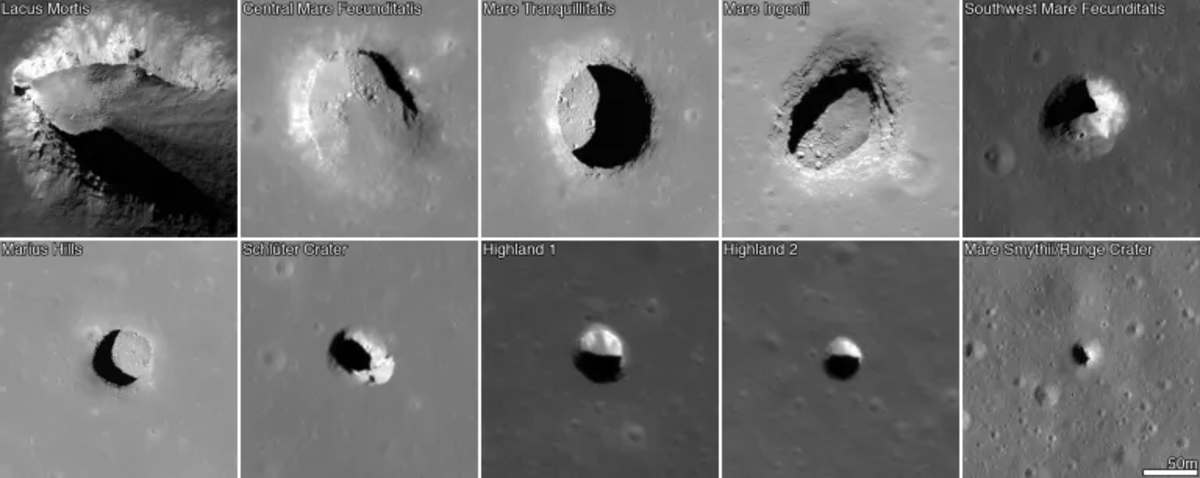
Researchers conclude that a full characterization of these massive lava tubes will require future high-resolution imaging missions. The data is expected to provide valuable constraints on models of Venus's thermal and tectonic evolution, offering new insights into the planet's past and present conditions.
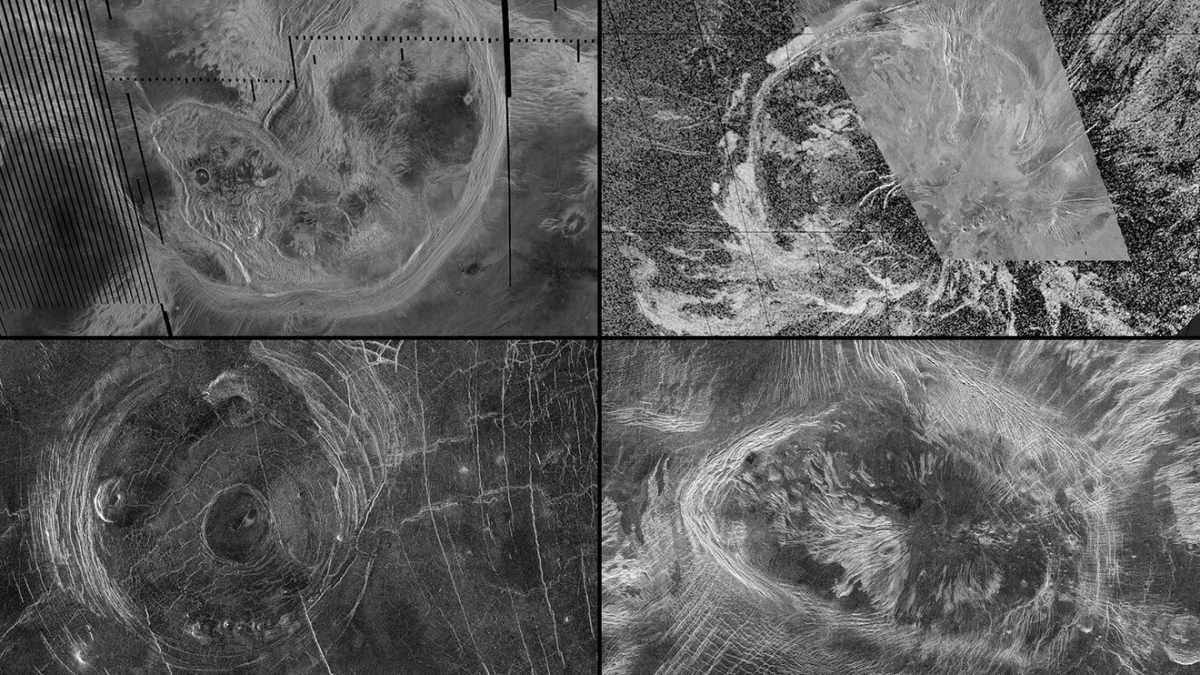
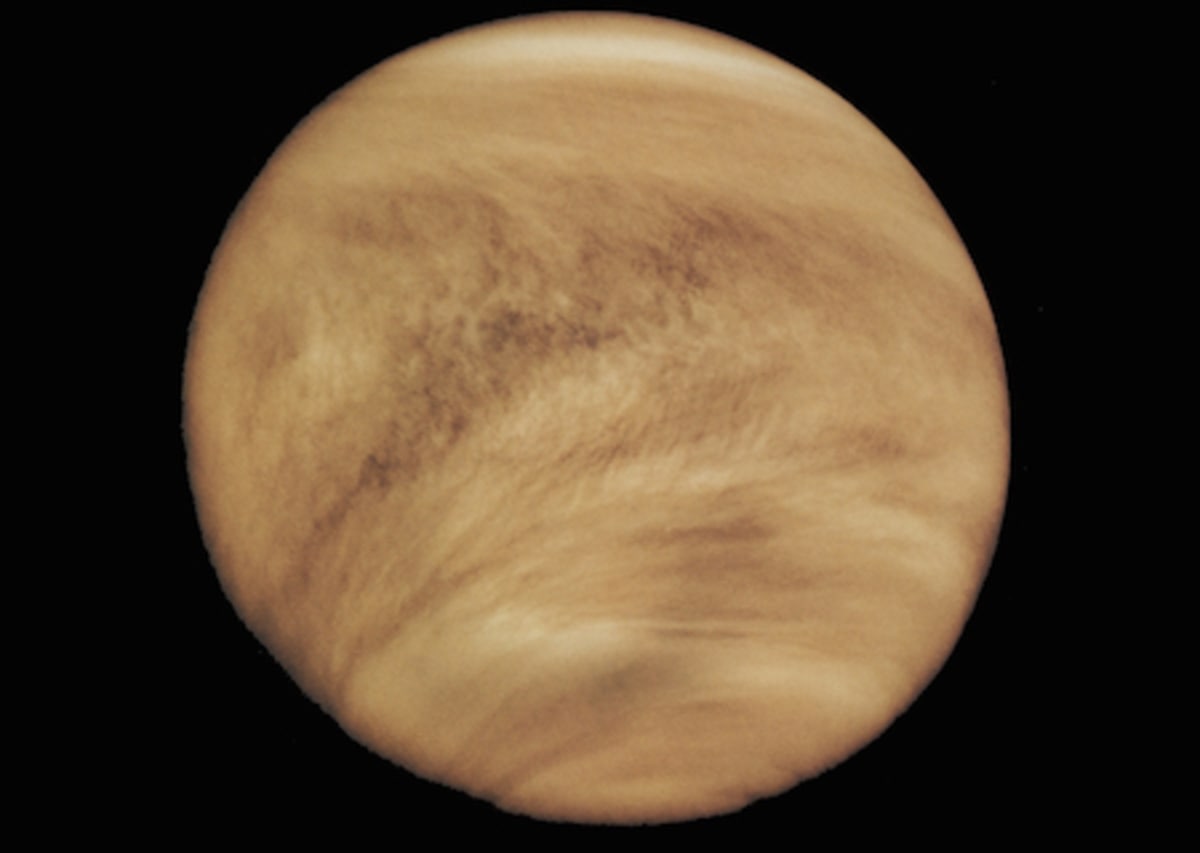
This discovery significantly advances the understanding of Venus's geological evolution. Given the planet's notoriously difficult and extreme surface environment, these subsurface tunnels offer a critical window into its volcanic past, according to Universe Today. These structures represent ideal targets for upcoming missions, such as the European Space Agency's EnVision mission, which will employ a Subsurface Radar Sounder (SRS). This instrument is designed to map the true extent of these underground conduits, bringing scientists one step closer to characterizing a protective, ready-made habitat for any potential future human exploration efforts.
More on Starlust
Astronomers say 'invisible' asteroids near Venus pose a 'real risk' of collision with Earth