Voyager becomes third company to be selected by NASA for private astronaut mission to ISS
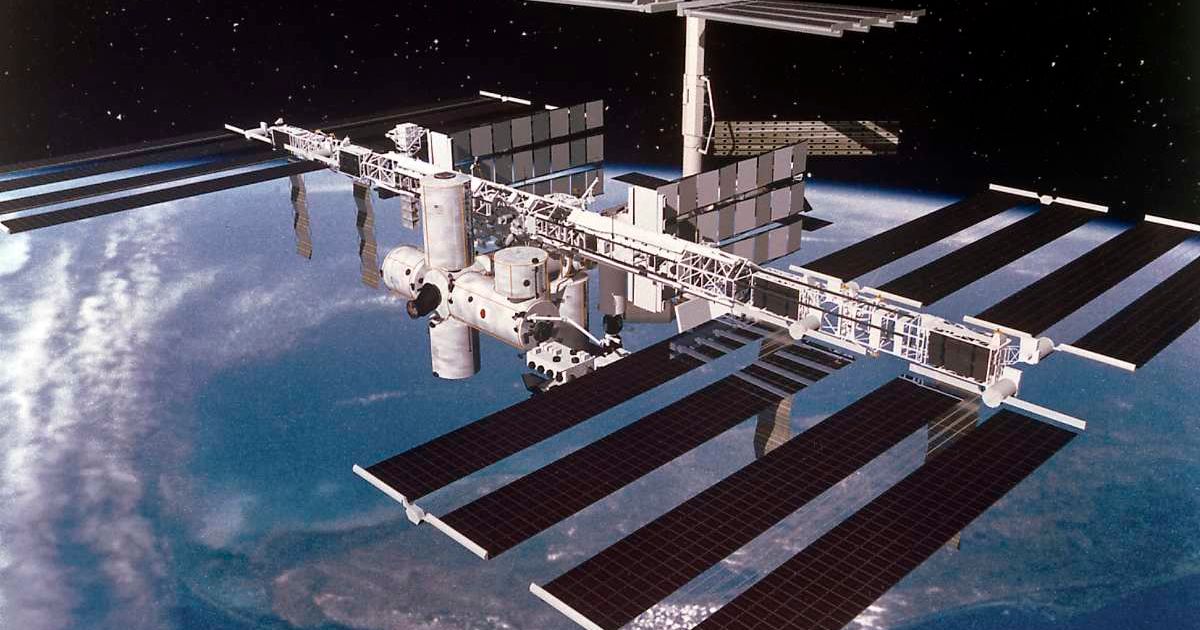
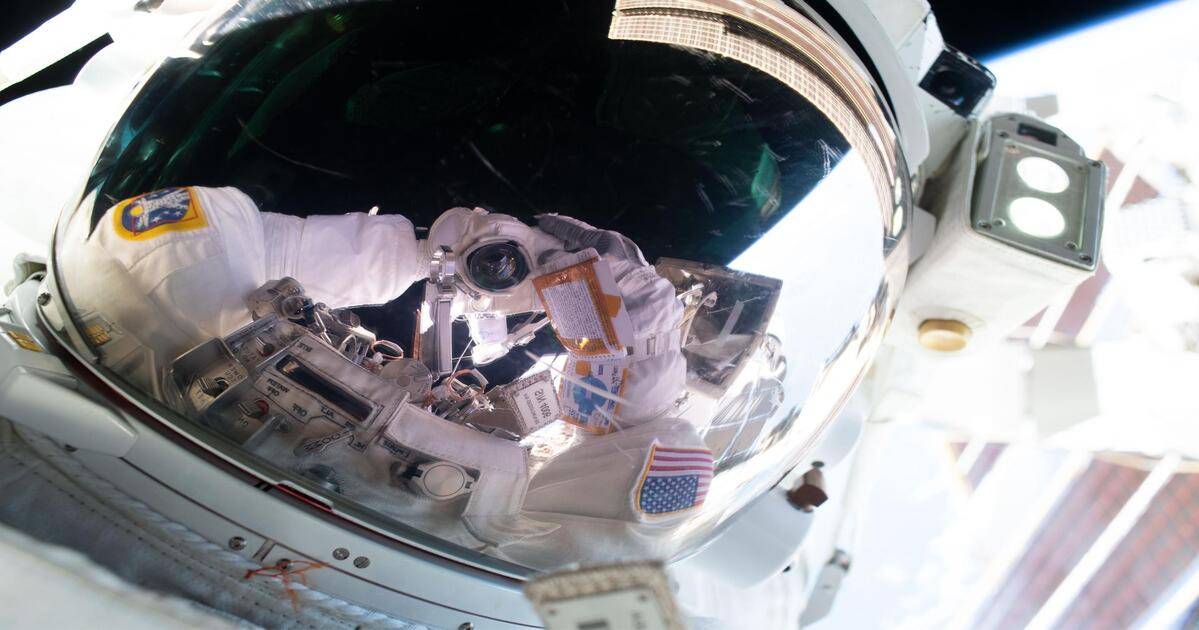
According to Voyager Technologies, the private company has signed an order with NASA for the seventh private astronaut mission (PAM) to the International Space Station. The mission is targeted to launch no earlier than 2028 from Florida. The American space agency chose Voyager out of proposals that had been submitted in response to the March 2025 Research Announcement. Voyager is now the third company after Axiom and Vast to be awarded a PAM.
We have exciting news to share: Voyager has been awarded a contract by @NASA to fly the seventh Private Astronaut Mission to the @Space_Station.
— Voyager Technologies (@voyagertech_) April 15, 2026
For decades, our team has worked alongside NASA, building hardware, designing missions and installing the Station’s first and only… pic.twitter.com/v7wsYBpgRg
“Private astronaut missions are accelerating the growth of new ideas, industries, and technologies that strengthen America’s presence in low Earth orbit and pave the way for what comes next,” said NASA Administrator Jared Isaacman in a statement. “With three providers now selected for private missions, NASA is doing everything we can to send more astronauts to space and ignite the orbital economy." Voyager's maiden mission to the ISS will be named VOYG-1 and will give its crew members as much as 14 days of exposure to the microgravity environment of the space station. With the ISS nearing its retirement, NASA plans to hand over low-Earth orbit operations to private players, with companies like Vast already in the mix of building commercial space stations. “Each new partner brings fresh capabilities that move us closer to a future with multiple commercially operated space stations and a vibrant, sustainable marketplace in low Earth orbit,” Isaacman added.
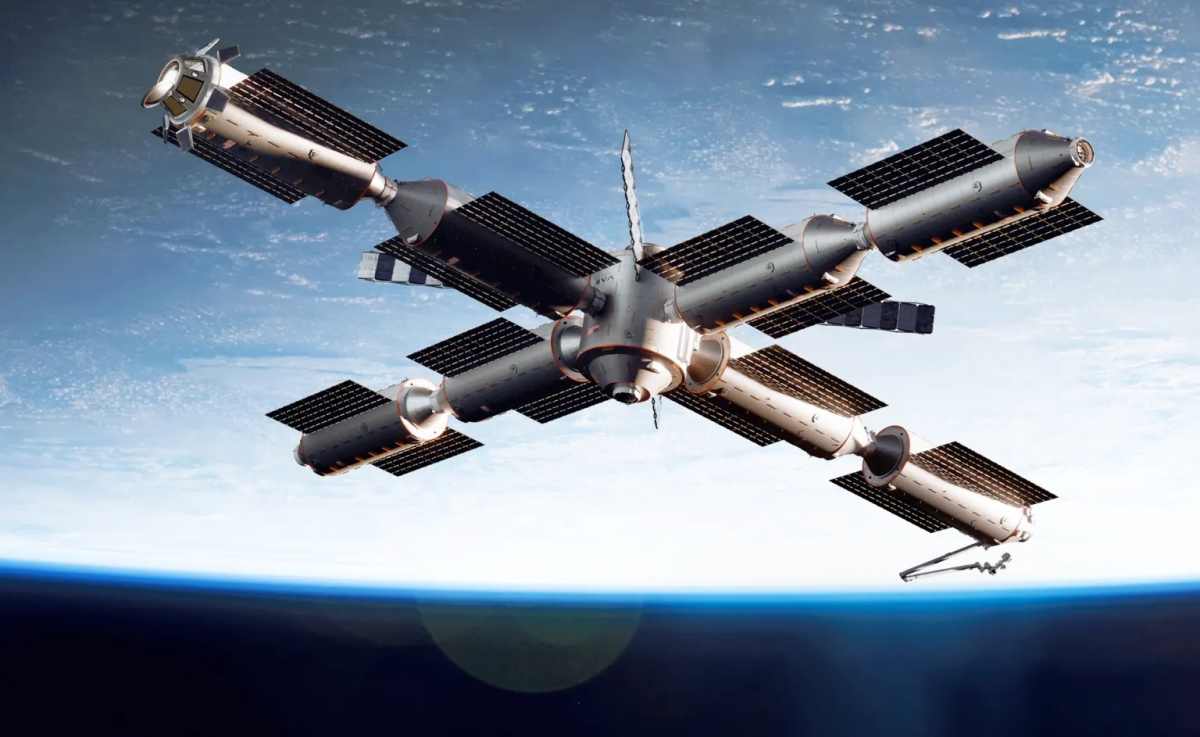
CEO of Voyager, Dylan Taylor, was quoted as saying, “This award reflects decades of partnership with NASA and validates our belief that the infrastructure being built in low-Earth orbit today is the launchpad for humanity’s future in deep space." Also the chairman of the company, Taylor added, “From the International Space Station’s first commercial airlock to the seventh private astronaut mission, Voyager is committed to making American human spaceflight stronger, more capable, and more sustainable at every step of the journey."

Voyager Technologies is now expected to submit the names of four crew members to NASA and its international partners for review. Once approved, they will train with NASA and the launch vehicle provider for the mission. The next two PAMs, Ax-5 and Vast's first, are scheduled for 2027. Per the order, the Denver, Colorado-based company will purchase mission services from NASA, including crew consumables, cargo delivery, storage, and other in-orbit resources needed for everyday use. In return, NASA will obtain from Voyager the capacity to bring samples that are to be kept in optimally cold temperatures as they are brought back to Earth.
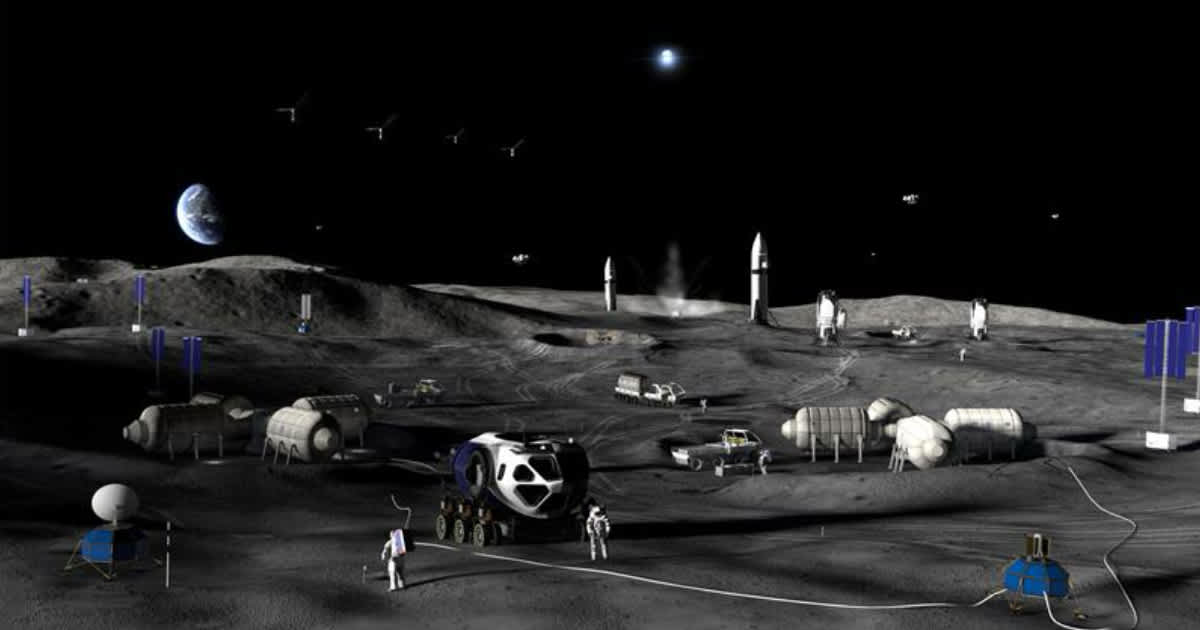
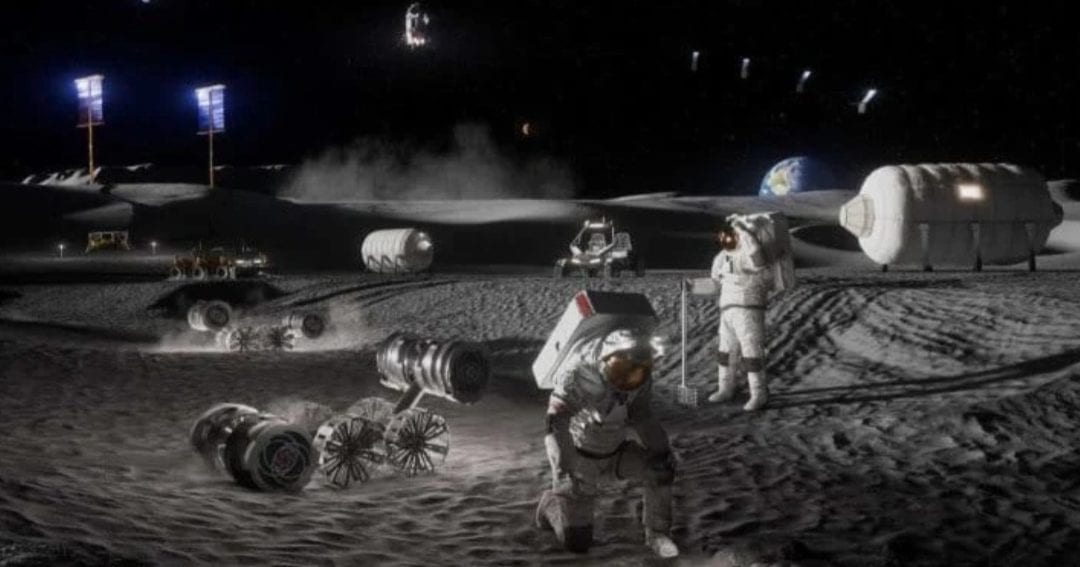
The defense and space technology company also has an eye on the long-term future with its lunar initiatives. The company’s news release described the lunar surface as ‘an operational domain’ rather than a temporary destination. This holds true in light of the recently concluded Artemis II, which was the first crewed mission of phase one of NASA establishing a Moon Base. To support these ambitions, Voyager has been looking to minimize the costs of transporting cargo to space with a multi-million-dollar investment into Max Space, another private entity whose "expandable habitat technology" allows deployment of up to 20 times its stowed volume.
More on Starlust
Starlab accelerates commercial space station development with key milestones
NASA 'pauses' Gateway lunar space station for Artemis, shifts focus to $20 billion moon base