Artemis II: Inside the massive dataset delivered by the historic seven-hour lunar flyby
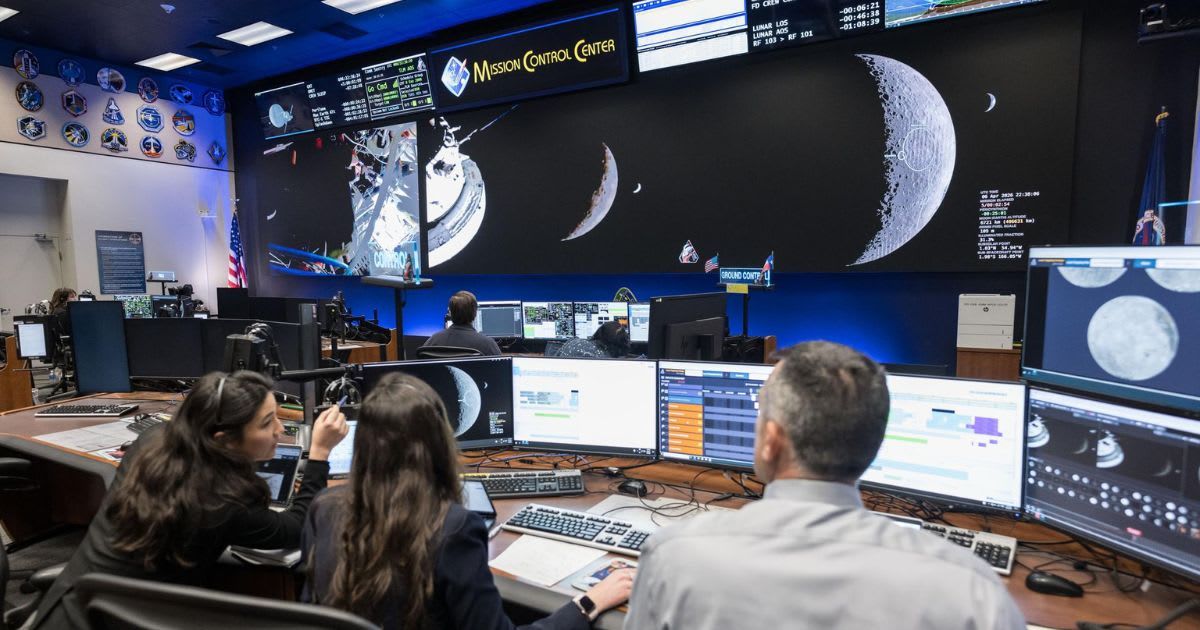
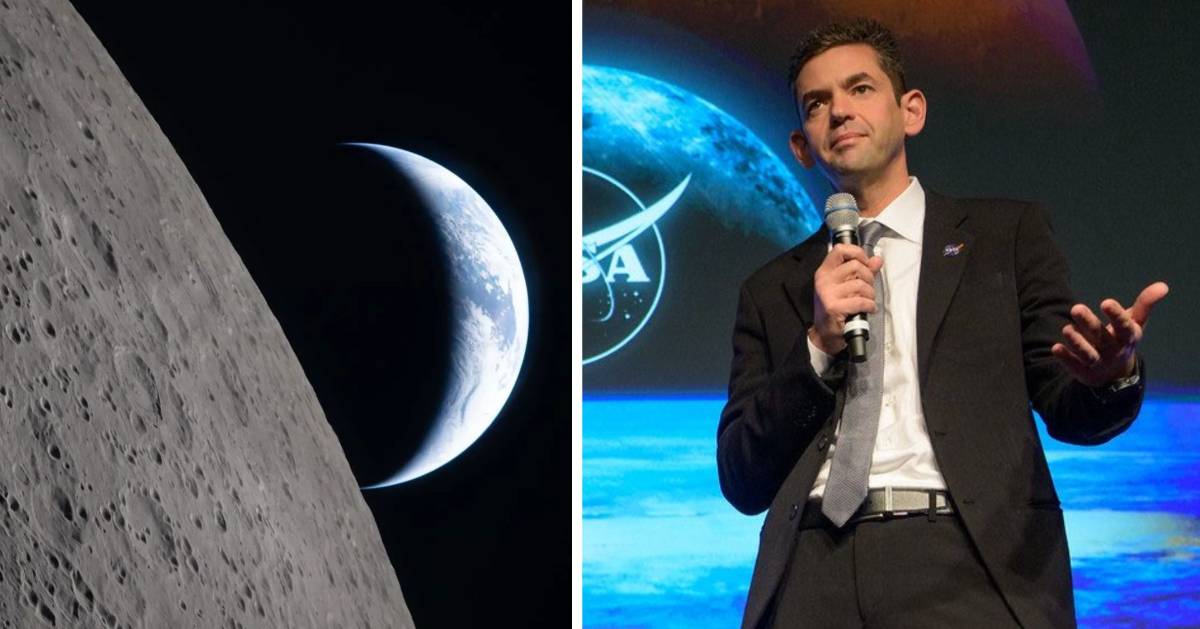
Now that Artemis II has wrapped up its historic seven-hour lunar flyby, NASA’s science teams are busy trying to study the observations reported by the crew. During the flyby, the crew gathered a massive scientific dataset—both visual and audio—which includes insights into impact flashes, color observations, and more. During the latest news briefing at NASA's Johnson Space Center in Houston, Artemis II’s Lunar Science Lead Kelsey Young shared that the mission has already achieved its core scientific goals and elaborated on how it is transforming lunar science in real time.
It's not just a phase 🌕
— NASA (@NASA) April 8, 2026
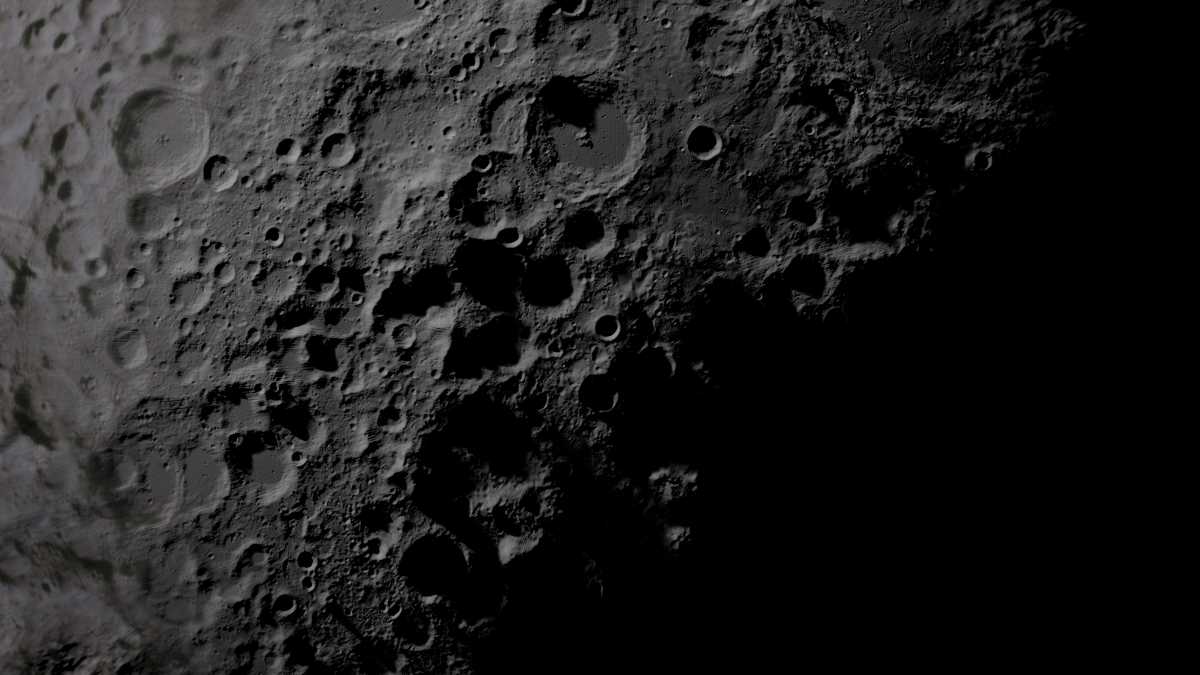
Artemis II astronauts captured these views of the Moon as the Orion spacecraft flew around the far side of the Moon on April 6, 2026. pic.twitter.com/lT7245Gp28
Young stated the crew observed several impact flashes over a 30-minute observation period. Her estimate is that at least four and possibly up to six flashes were seen, caused by micrometeoroids striking the Moon. Ground-based observers were also watching them, and now, as a follow-up, the Lunar Reconnaissance Orbiter (LRO) is helping identify impact sites. Understanding these events is key for future Moon missions and infrastructure, since there’s a lot more to learn about the dynamic lunar environment.
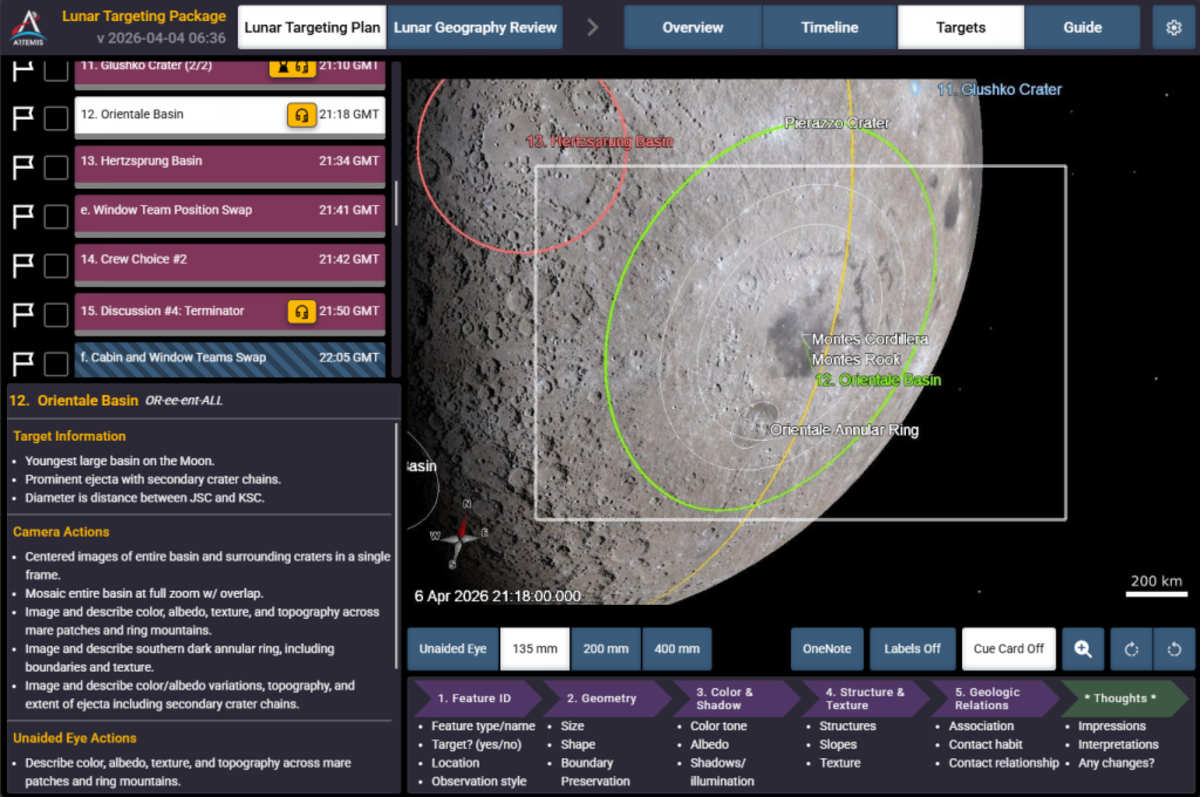
NASA also confirmed that the crew reported seeing color variations on the surface. This is a direct advantage of having human eyes observe the Moon—where sometimes instruments can fall short. "Right away, they started describing the green around Aristarchus Plateau and different brown hues," said Young. "And these colors really help tell us nuances about the chemistry of lunar material, especially the greens around Aristarchus.” These subtle colors hint at differences in mineral composition, surface age and more. Observations of the terminator (day-night boundary) also revealed extreme lighting conditions similar to the lunar south pole, where NASA plans to set up a moon base in the future.
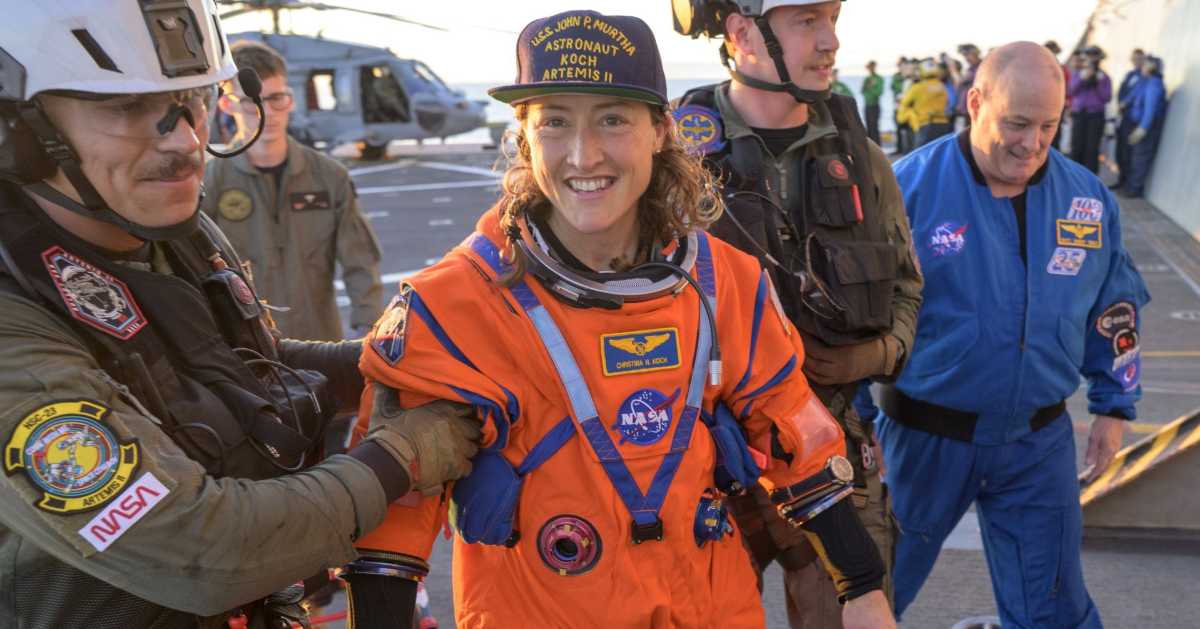
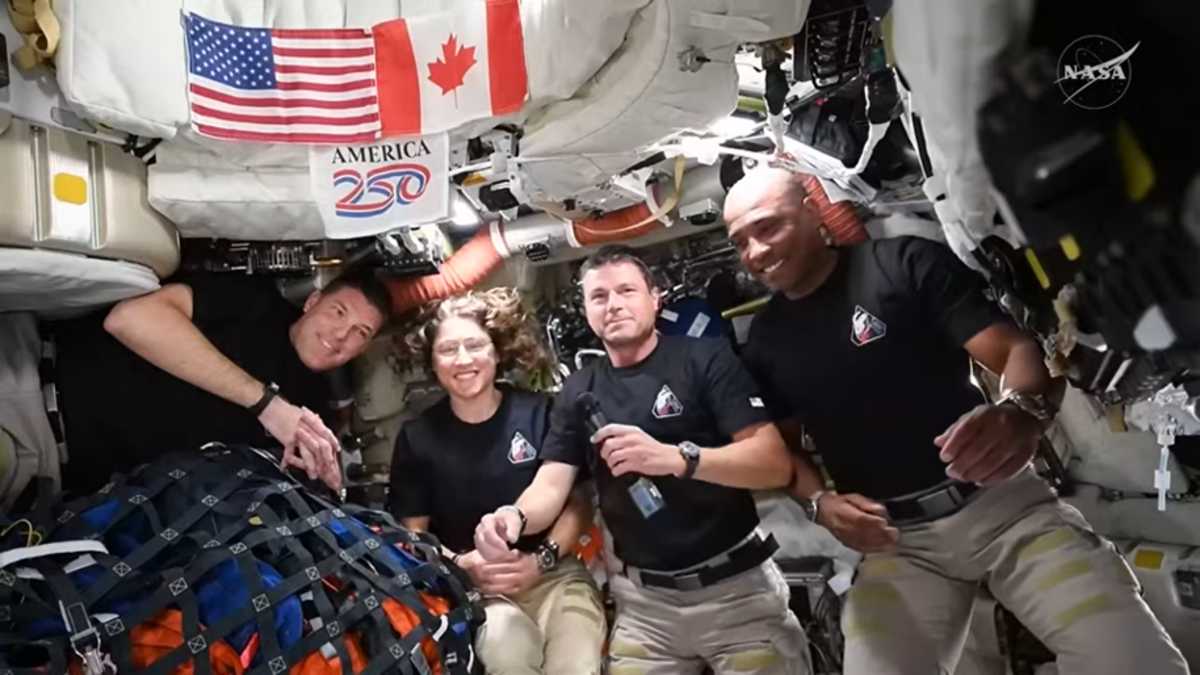
And it’s not just the results of the lunar science observations, but also the process itself that sets a precedent for all future missions. Young referred to conversations between Artemis II pilot Victor Glover and Mission Specialist Christina Koch and called the scientific discourse between them inspiring. "More brains on a scientific target are better than one," said Young. "We actually also heard them say, 'Hey, we have a hypothesis. Can you guys provide guidance on that hypothesis, like right now in the middle of our flyby?' So the science team was cross-checking what they were seeing, reading up geologic ages of major lunar impact features, and it was informing the observations they were making during the flyby.”
The lunar science lead remarked, "I mean, this is absolutely everything we hoped for by integrating science into flight operations, you know, because again, science enables exploration and exploration enables science." Thanks to the efforts of the Artemis II crew, more than 50GB of data from the observation period has been received till now. Overall, the crew members have captured more than 175 GB worth of images from the flyby, per NASA Administrator Jared Isaacman. Young also remarked that scientists were going through images of the solar eclipse that was seen from Orion and debated inferences from the solar corona and zodiacal light.
Behind every lunar view is pure Moon (science) joy. pic.twitter.com/y5R1sYnQsQ
— NASA Science (@NASAScience_) April 7, 2026
Furthermore, the crew also observed crater systems like Ohm, which can help understand the Moon’s geological history and internal composition. "What the crew observed around Ohm yesterday was they actually noticed color and albedo hues coming out in those rays," said Young. "They noticed that they were distinct and different and evolved along the ray systems, which could potentially lead us to believe that crater excavated from distinct depths below the surface of the Moon." These observations don’t just help choose the best places to land on future missions but also reveal how the Moon and the inner solar system have changed over time.
More on Starlust
As Artemis II heads back home, here's a look at the highlights of the historic lunar flyby