‘This time we won't just leave footprints': Donald Trump to Artemis II crew after historic lunar flyby
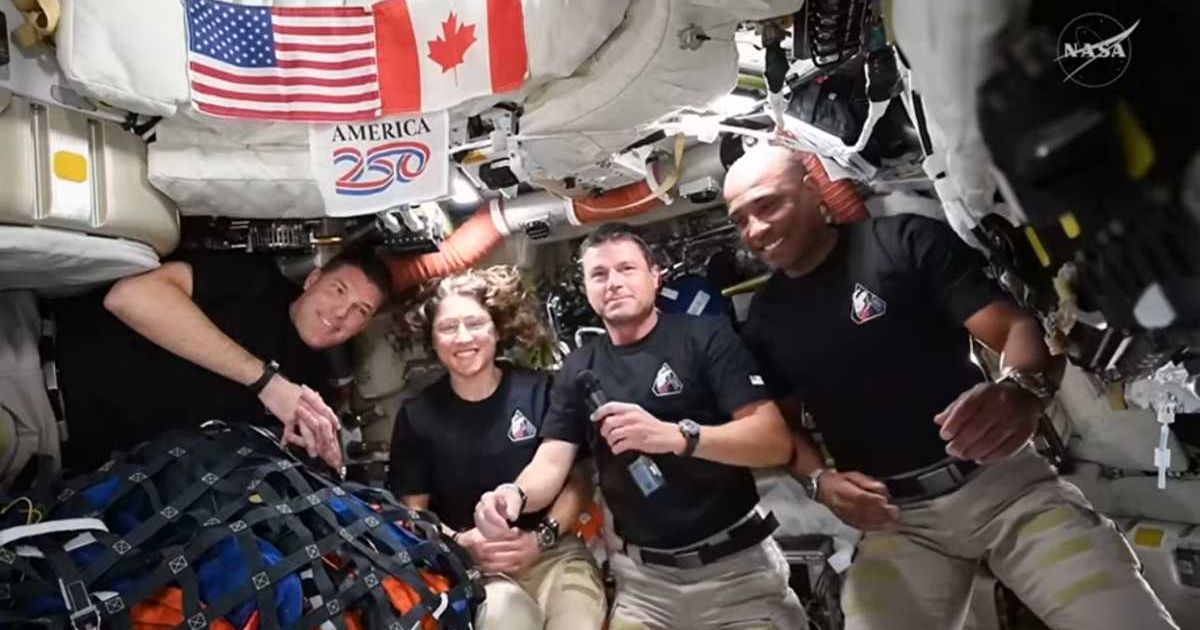
The flight crew of Artemis II were congratulated by U.S. President Donald Trump not too long after they had completed their historic lunar flyby. “I want to personally salute and congratulate Commander Reid Wiseman, Pilot Victor Glover, Mission Specialist Christina Koch, and Jeremy Hansen. And I also wanted to thank the entire amazing team at NASA, headed by Jared [Isaacman],” he began. During the nearly seven-hour lunar flyby, the crew observed many features on the far side of the Moon that no human had laid eyes on before.
🚀 LIVE FROM SPACE: President Donald J. Trump Calls Artemis II Astronauts After Breaking the Farthest Distance Record in Human Spaceflight 🇺🇸 HISTORIC!
— The White House (@WhiteHouse) April 7, 2026
"Your mission paves the way for America's return to the lunar surface very soon." pic.twitter.com/1TzmIEQG0l
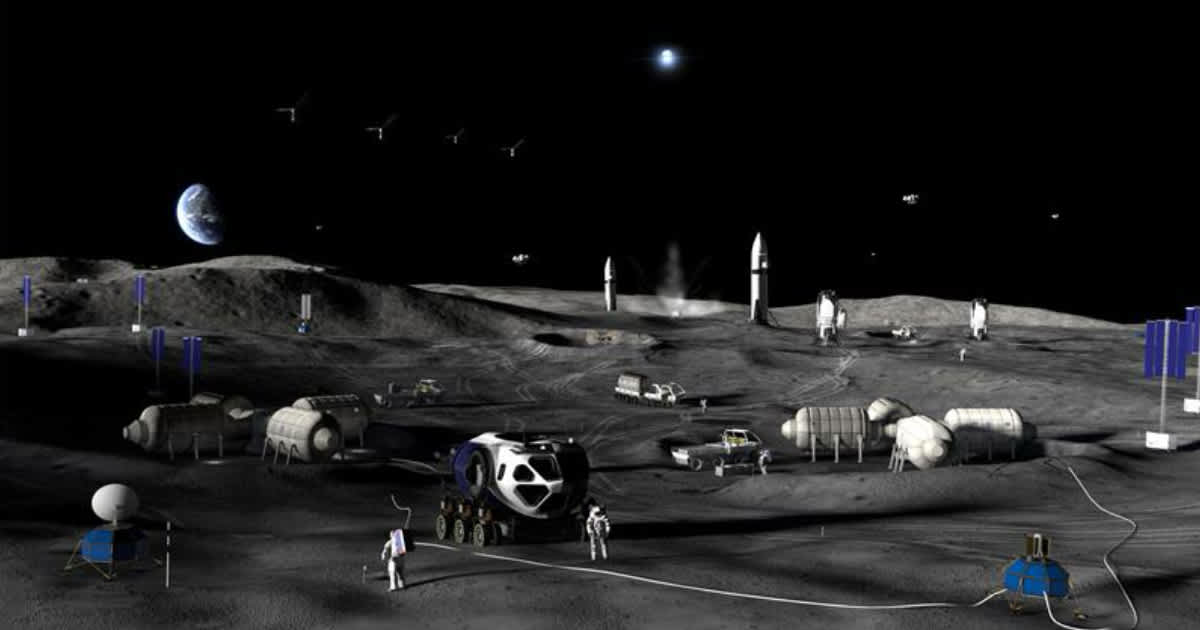
NASA recently announced a three-phased plan to establish human presence on the lunar surface, and Artemis II is the first crewed mission to achieve this long-term goal. The idea is to voyage deeper into the solar system and explore Mars. While NASA has floated the idea of crewed exploration of Mars for a very long time, with their campaign Journey to Mars preceding Trump’s first spell in charge, the 79-year-old made it a point to reiterate those plans. “It's going to be more and more prevalent because we are going to be doing a lot of traveling, and then we're going to be doing the whole big trip to Mars, and that's gonna be very exciting," he said. “Your mission paves the way for America's return to the lunar surface very soon. We're going all out. We're doing everything we can, and it's headed up by Jared. We'll plant our flag once again, and this time we won't just leave footprints, we'll establish a permanent presence, and we'll push on to Mars.”
When Trump asked Commander Reid Wiseman about the mission's most unforgettable part, he said, “I have to tell you, as we came around the near side of the Moon, seeing all the sights that we have seen from Earth for all of our lives, but we're seeing it from a different perspective. Then we started to get a glimpse of the far side. And we saw sights—sights that no human has ever seen before, not even in Apollo—and that was amazing for us." Christina Koch responded to the question by saying, “I think one of the biggest highlights was coming back from the far side of the Moon and seeing the first glimpses of planet Earth again after being out of communication for about 45 minutes."
"Integrity, we have you loud and clear."
— NASA JPL (@NASAJPL) April 7, 2026
🚀🌖📡🌏 pic.twitter.com/EjlRMtbb3y
When asked to expound on the experience of the crew members during the planned loss of communications with mission control in Houston, pilot Victor Glover stated, “I said a little prayer, but then I had to keep rolling. I was actually recording scientific observations of the far side of the Moon. You know that was actually the time we were the farthest from Earth and the closest to the Moon, and so we were really able to make some of our most detailed observations of the far side of the Moon up close, and so we were busy up here working really hard, and I must say it was actually quite nice." Canadian Space Agency’s Jeremy Hansen also pointed to the difference in surface features on the far side to those of the near-facing side, which he attributed to the gravitational pull of Earth over a long period. The mission specialist was grateful for the science team’s efforts in enabling them to collect as much useful data as possible.
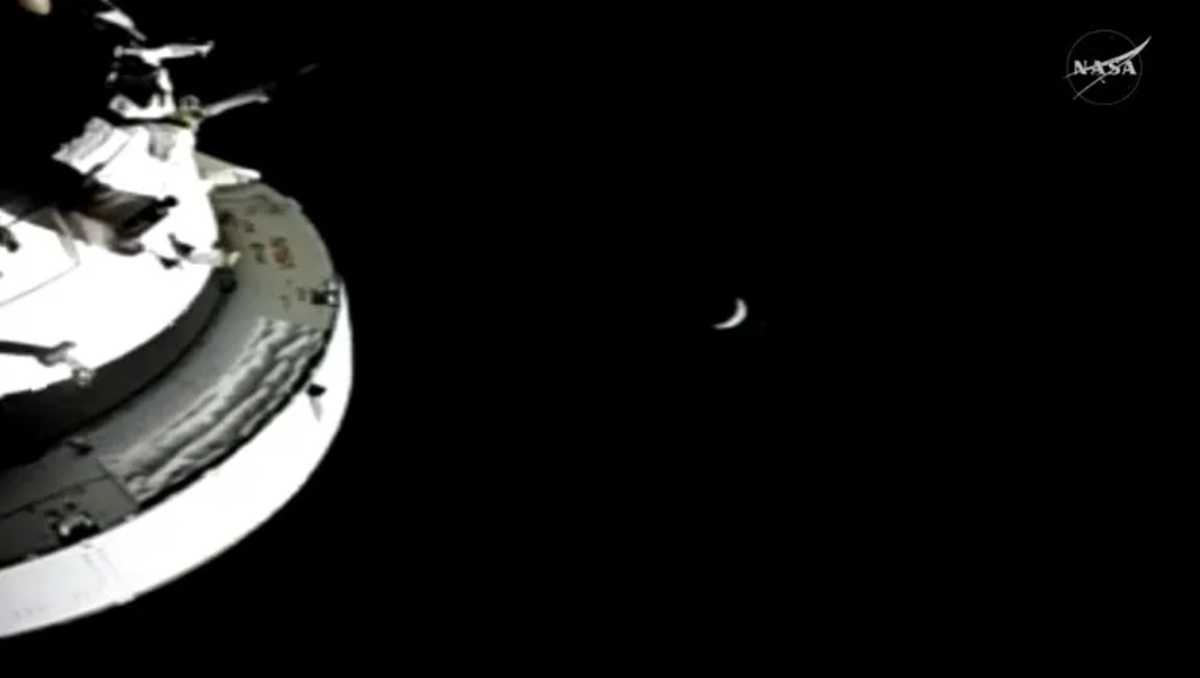
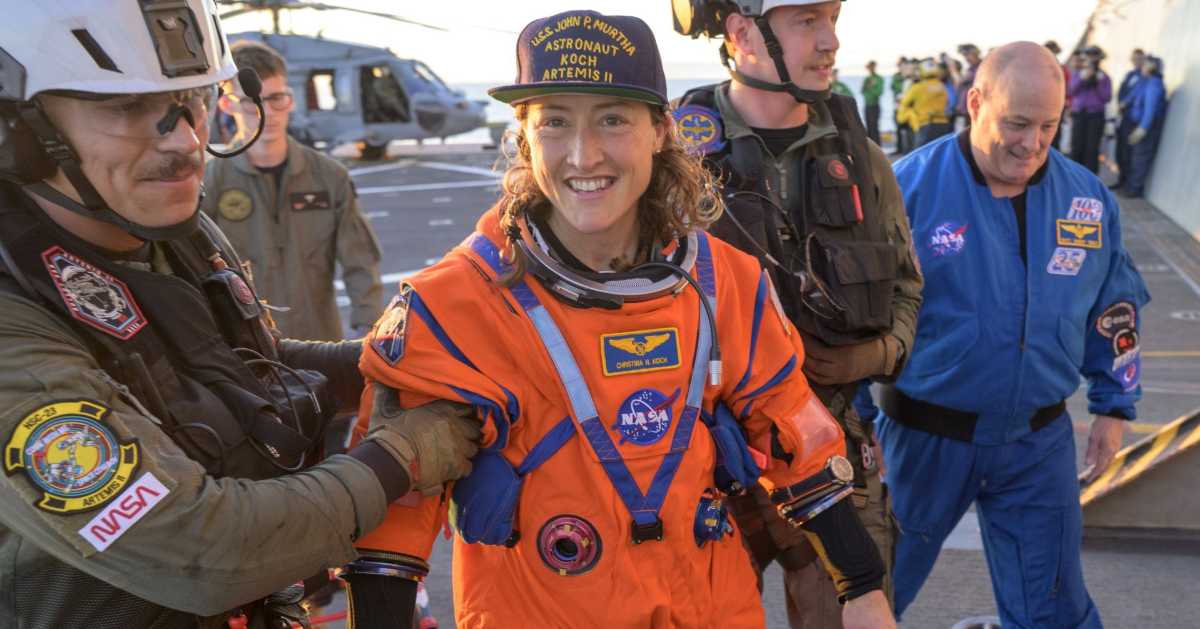
With the lunar flyby done and dusted, the Artemis II crew is currently on its way back home. As things stand, they are scheduled to splash down off the coast of San Diego at approximately 8:07 p.m. EDT on Friday, April 10.
More on Starlust
As Artemis II heads back home, here's a look at the highlights of the historic lunar flyby
Artemis program remains safe even as Donald Trump proposes a massive $5.6 billion NASA budget cut