NASA 'pauses' Gateway lunar space station for Artemis, shifts focus to $20 billion moon base
"America will never again give up the Moon," these words by NASA Administrator Jared Isaacman underscored the US space agency's long-term lunar ambitions at the Ignition event held at their headquarters in Washington, D.C., on March 24, 2026. Having recently announced changes to its Artemis programme architecture, NASA officially announced further restructuring of its plans during its major event on Tuesday, almost a week before the Artemis II launch. It laid out plans for establishing a sustained human presence on the Moon by investing "approximately $20 billion over the next seven years."
To return Americans to the Moon, NASA is shifting to an iterative, execution-focused approach – just as we did during Apollo.
— NASA Administrator Jared Isaacman (@NASAAdmin) March 24, 2026
We are standardizing rocket architecture, embedding NASA expertise across industry, and increasing launch cadence to support sustained lunar operations.…
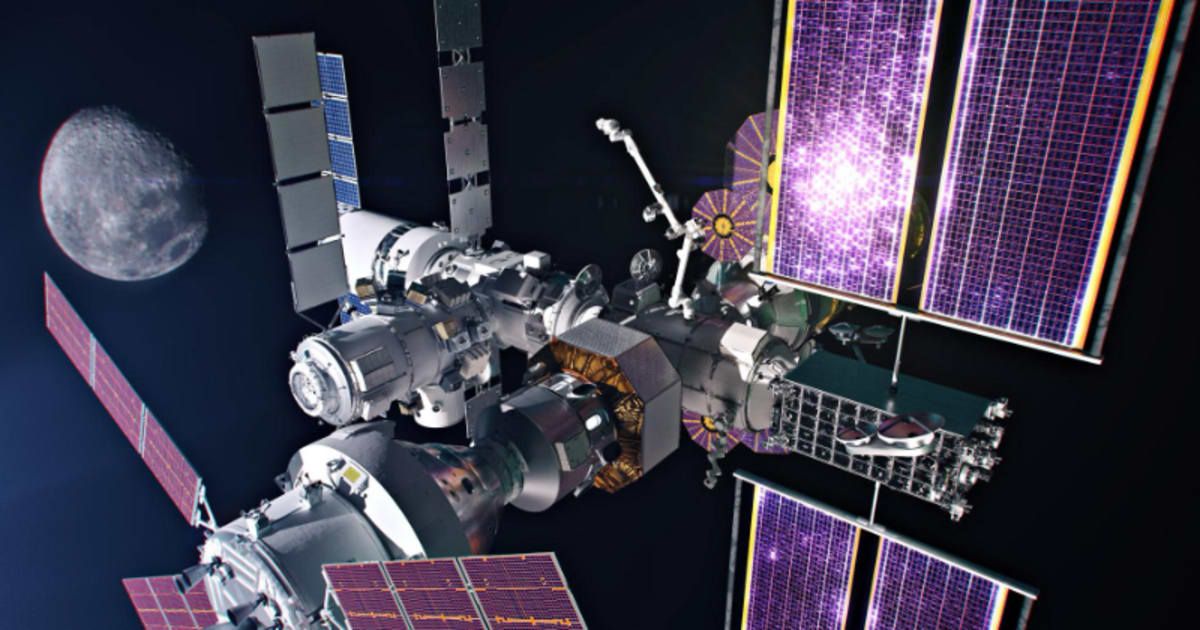
The plans are meant to double down on America's leadership in space and take advantage of its many commercial enterprises supporting Artemis missions. What all of this also means is that the long-floated idea of a lunar orbital outpost in Gateway has been put on the back burner for now. While its importance hasn’t been ruled out, with it still on the pipeline for later missions, the new goal for NASA is to construct a surface habitat on the Moon before 2030.
We've announced a series of transformative initiatives to achieve America's National Space Policy, reflecting upcoming opportunities for world-changing science and discovery.
— NASA (@NASA) March 24, 2026
Learn more about our plans for the Moon, Mars, and beyond: https://t.co/bc4pf4GPS9 pic.twitter.com/xZa9tBoRXY
Amid NASA’s struggles with its SLS launch cadence, and looking to increase it to two launches a year, establishing surface presence using Human Landing System (HLS), Lunar Transit Vehicle (LTV), and Commercial Lunar Payload Services (CLPS) was deemed much more realistic for now. Each of these elements is provided by NASA’s international and commercial partners, with many, such as Firefly Aerospace's Blue Ghost lander, already having succeeded. At the event, Isaacman said, “It should not really surprise anyone that we are pausing Gateway in its current form and focusing on infrastructure that supports sustained operations on the lunar surface."
To build a sustained human presence on the Moon, we are building @NASAMoonBase, prioritizing surface operations and scalable infrastructure.
— NASA Administrator Jared Isaacman (@NASAAdmin) March 24, 2026
- Frequent robotic landings and mobility testing including MoonFall drones
- Starting in 2027 nearly monthly cadence of equipment and… pic.twitter.com/3T00Y450kO

Isaacman also suggested that all efforts made so far in the development of the lunar orbiting station will not go in vain. “Despite some of the very real hardware and schedule challenges, we can repurpose equipment and international partner commitments to support surface and other program objectives." While Gateway has been cast aside, Isaacman did state that this change in approach does not “preclude revisiting the orbital outpost in the future."
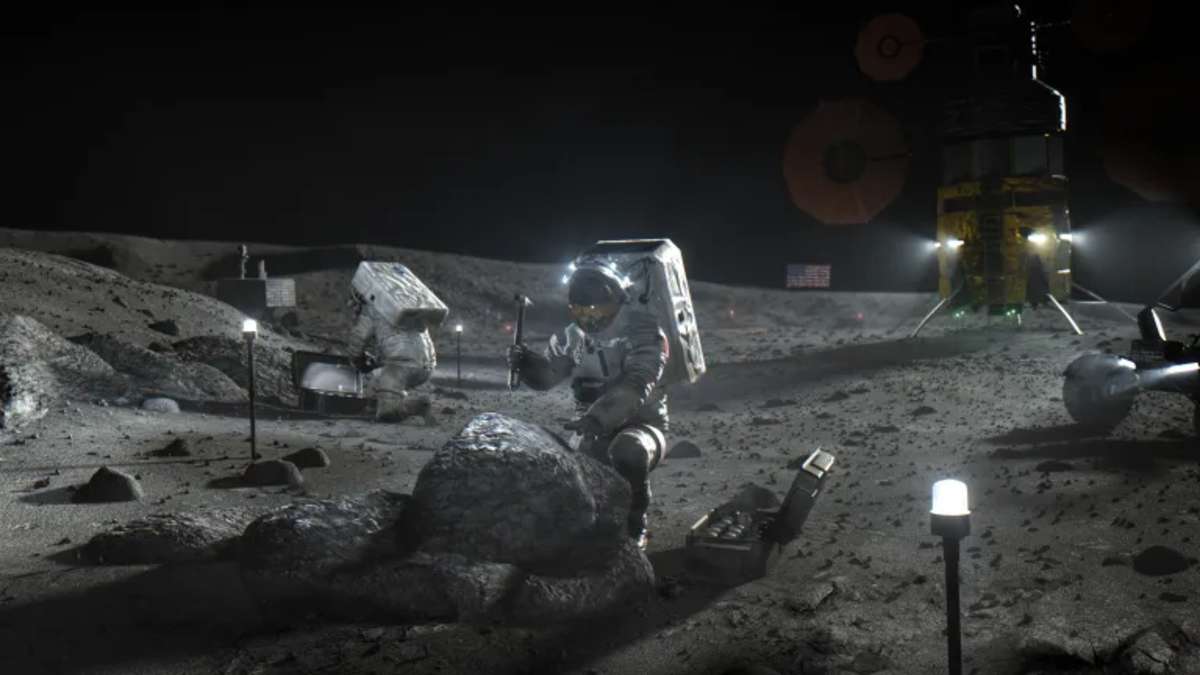
Before the restructuring of Artemis missions' objectives that made Artemis III a low-Earth-orbit mission slated for 2027, Gateway had been planned for Artemis IV before it became the maiden Moon landing mission. Construction would have been phased across subsequent missions, and though it would not have been perpetually inhabited like the International Space Station, it would have served as a rendezvous point for descending lunar spacecraft. Its proposed orbit around the Moon would have had extreme variations in its apogee and perigee, called the Near-rectilinear halo orbit. However, with NASA admitting to many organization-wide missteps in managing timelines for the Artemis programme, especially in the aftermath of the Aerospace Safety Advisory Panel report, its development was understood to be too ambitious for NASA’s immediate goal.
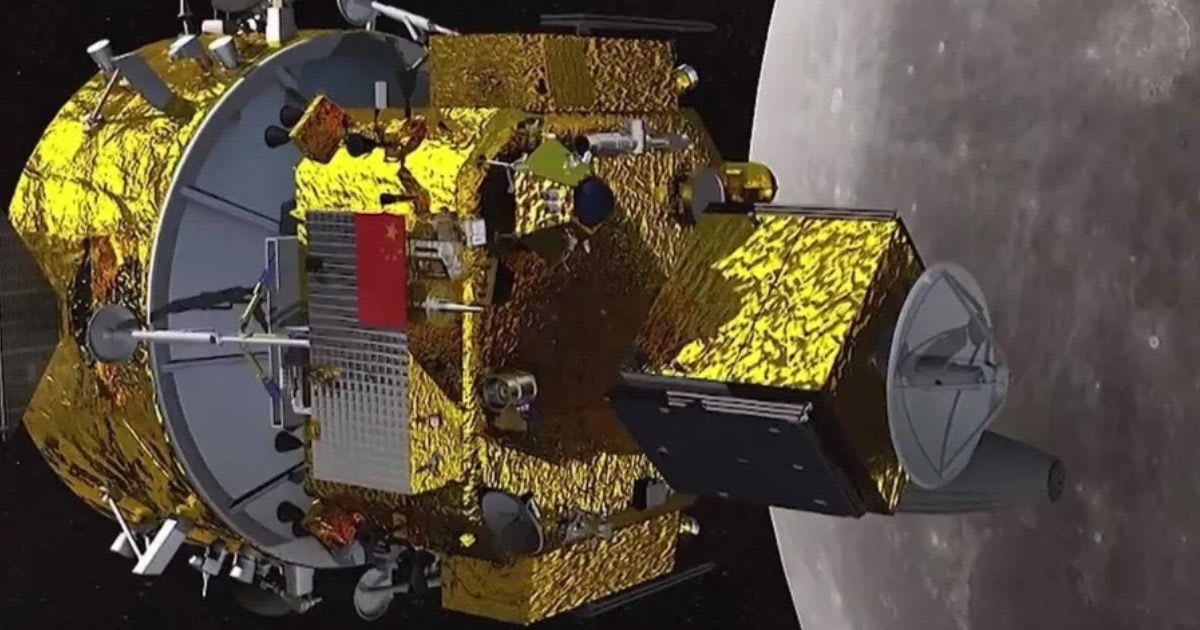
Speaking at the event, Isaacman stressed the time and financial limitations that have been imposed on the agency’s ambitions because of years of bureaucratic impediments. Strictness of the timelines is also exacerbated by the threat the agency perceived from its rivals. “Should we fail, and should we look on as our rivals achieve their lunar goals ahead of our own, we are not going to celebrate our adherence to excess requirements, policy, or bureaucratic process," Isaacman said. While the competition was not explicitly named, China’s progress in lunar exploration, about to be made through its missions such as Chang’e 7, could be the competing force the NASA administrator had in mind. They also plan to land their first astronauts on the Moon before 2030.
More on Starlust
Here's what NASA is planning for Artemis IV and V now that the roadmap to the Moon has been revised
NASA’s Artemis II SLS rocket reaches launch pad ahead of potential April launch