Asteroid Bennu samples contain 'key to happiness' among other fascinating things
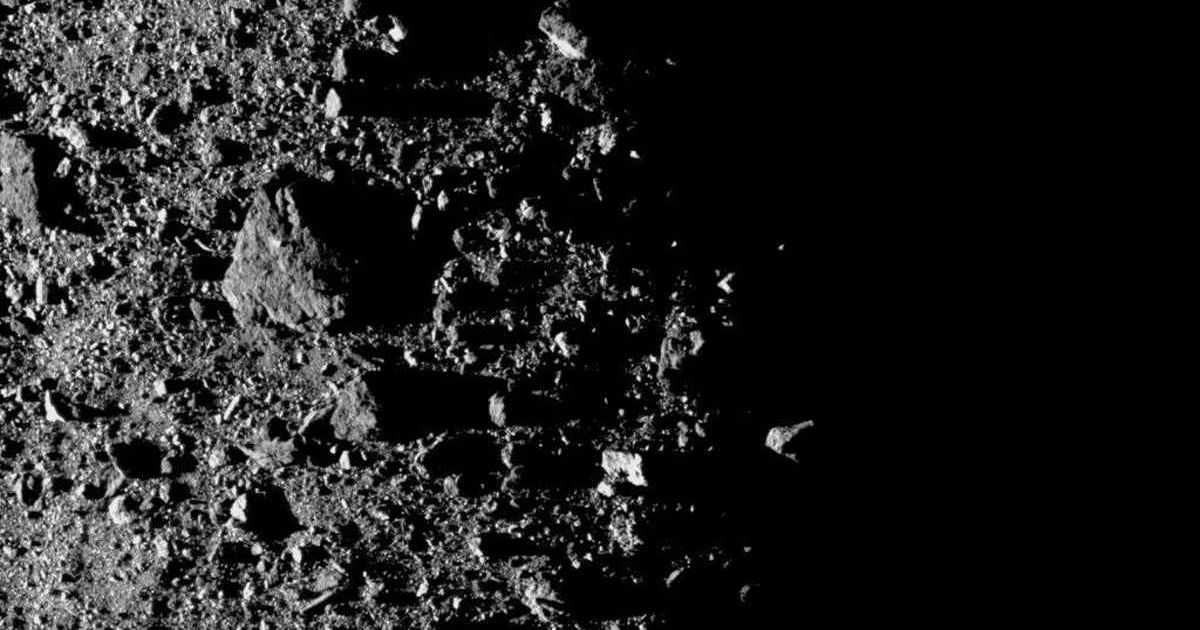
Asteroid Bennu has proved to be full of surprises. Scientists may have found tryptophan, a crucial nutrient required to produce serotonin, the neurotransmitter that helps you regulate your mood, and is essentially key to the feeling of happiness. One of the nine essential amino acids that the human body is unable to produce on its own, tryptophan had not been found in any extraterrestrial sample before. Its possible presence in Bennu samples reinforces the theory that many of the ingredients of life on early Earth were delivered by space rocks.
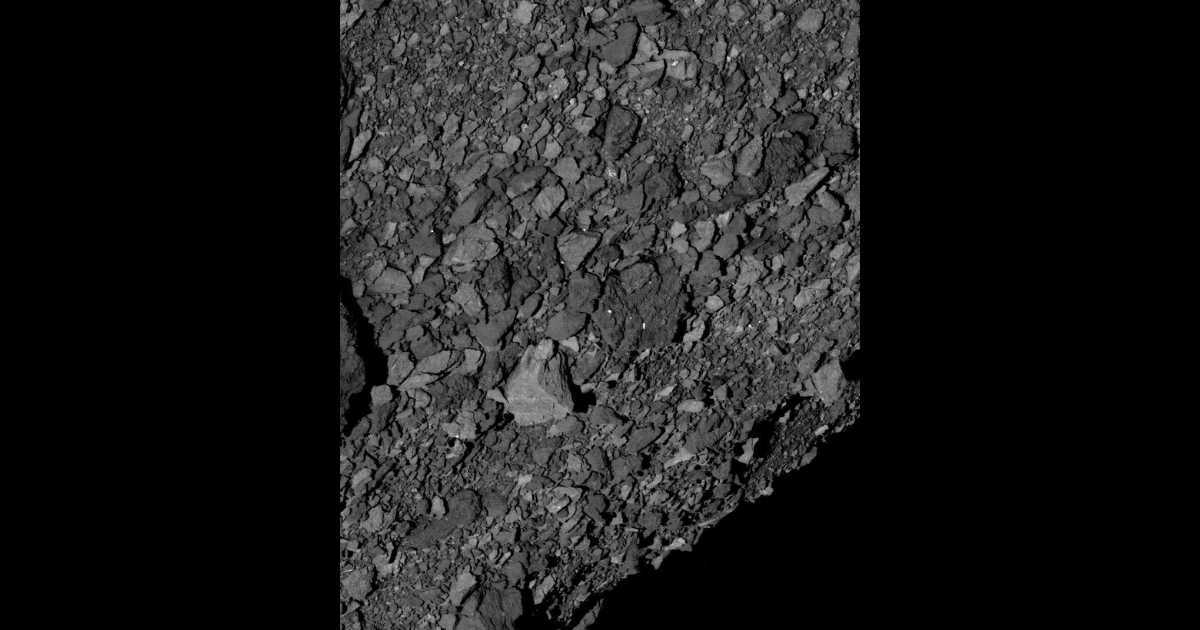
The study, published in the Proceedings of the National Academy of Sciences, involved lead researcher and geochemist Angel Mojarro and his colleagues performing an analysis of powdered fragments of Bennu, which is as old as our Solar System, with a focus on amino acids and nucleobases to get better insight into extraterrestrial prebiotic chemistry and its origins. More specifically, their aim was to clarify the chemical pathways that facilitated the formation of amino acids billions of years ago.
In addition to confirming the presence of 14 amino acids that were detected in an earlier study, the team came across faint but quite evenly distributed signals of tryptophan. Also used by the brain to create melatonin, tryptophan is a rather fragile amino acid and is, thus, not likely to survive a meteor’s violent interaction with Earth’s atmosphere. This might explain its absence from the meteorite samples that have been studied to date.
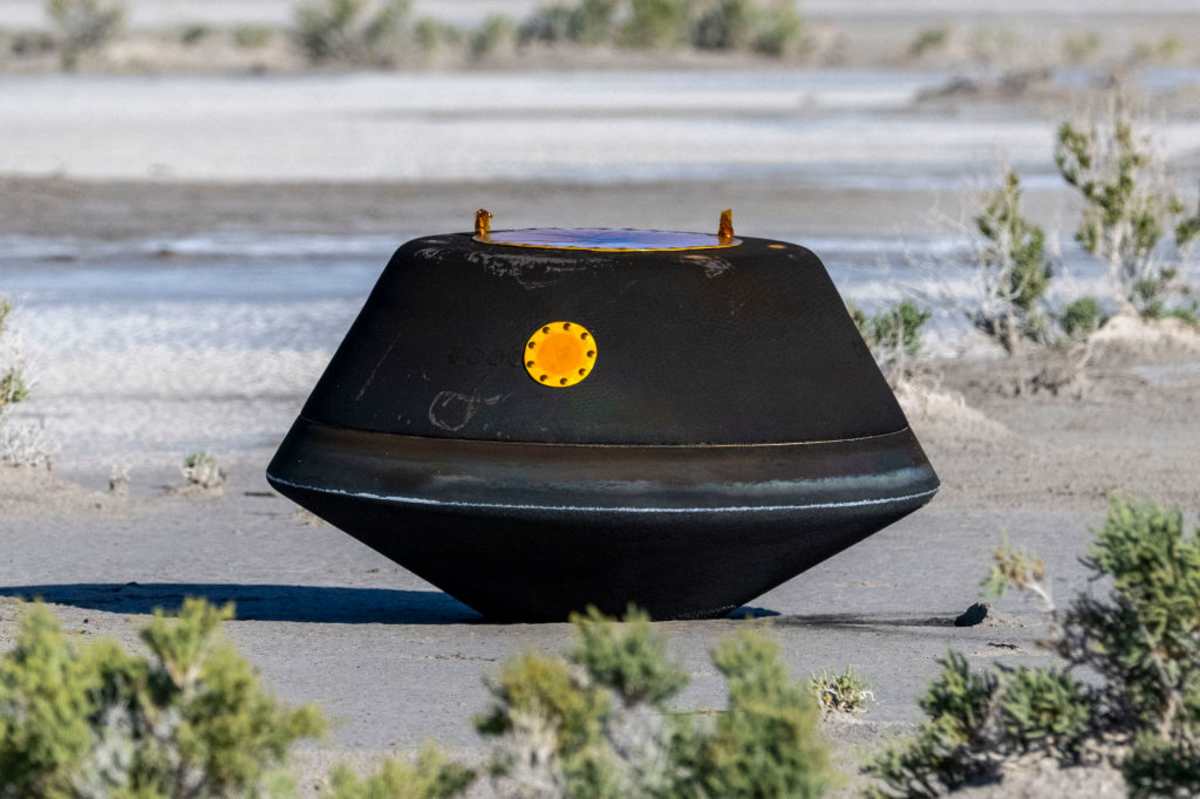
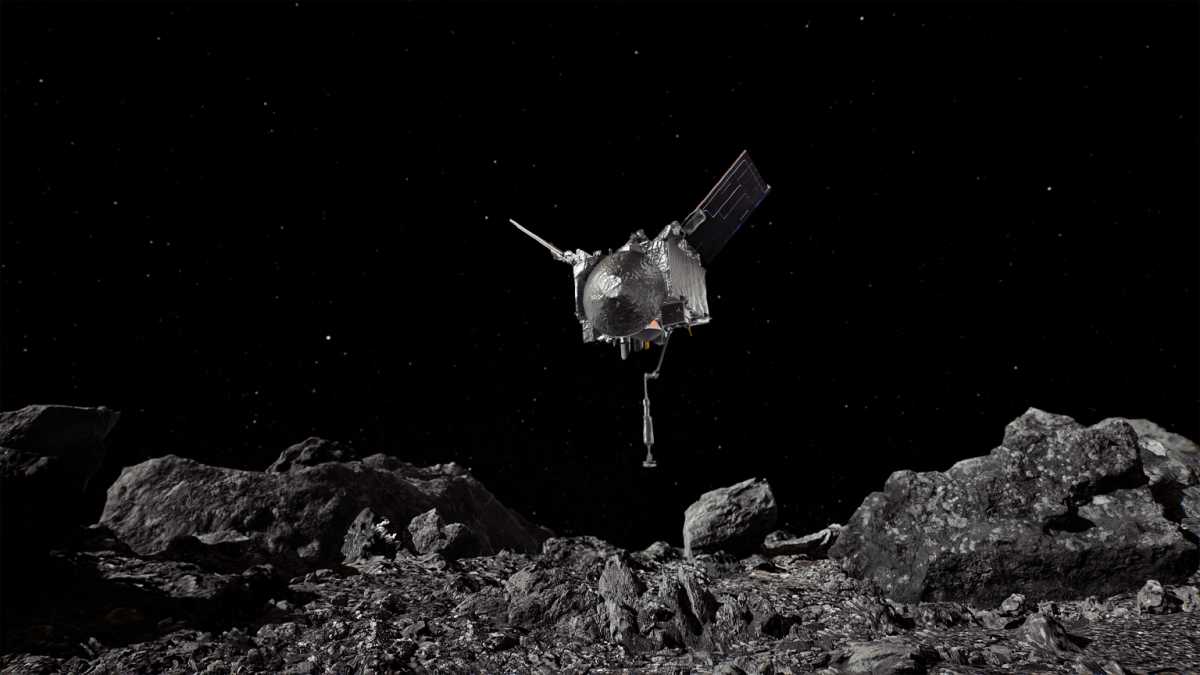
That being said, it’s not impossible for Bennu samples to have traces of the amino acid, since the samples were delivered to Earth in a safe canister. There is, therefore, a strong possibility that many prebiotic ingredients may be present on asteroids but haven’t been detected because they couldn’t survive entry through Earth’s atmosphere. Additionally, the finding also indicates that amino acids, even as fragile as tryptophan, can be produced in a non-biological context, and just their presence is no definitive indication of life. That being said, question marks around the amino acid’s origins still remain, and they warrant further examination.

“Additional targeted analyses of tryptophan using other techniques capable of measuring its enantiomeric and isotopic compositions are needed to firmly establish its origin in Bennu and possibly other astromaterials,” explained the researchers, per Science Alert.
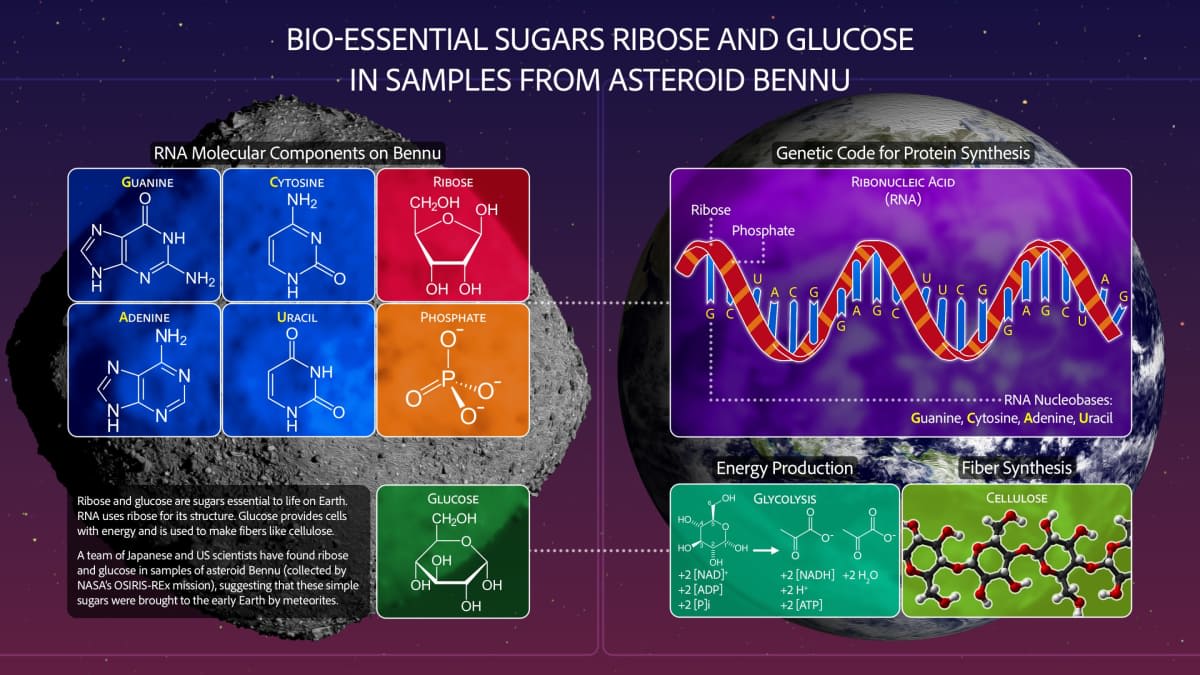
What’s more? Another study of Bennu samples, led by Yoshihiro Furukuwa of Tohoku University, Japan, has also demonstrated that the basic components of biological molecules were found across the Solar System. The findings, published in the journal Nature Geoscience, claim that the six-carbon glucose and five-carbon ribose were found in Bennu samples. The sugars deoxyribose and ribose are essential components of DNA and RNA, respectively, per Phys.org. The presence of glucose, one of the most common forms of food, also confirmed for the first time that the early Solar System also harbored an important energy source for life.
Meanwhile, another study published in Nature Astronomy has found never-before-seen gum-like material in the asteroid’s samples. This “space-gum” that may have formed in the early days of the Solar System has polymer-like materials that are extremely rich in oxygen and nitrogen. Molecules of this sort may have helped trigger life on Earth. As samples from Bennu offered fascinating insights into the early Solar System, they also revealed quite a lot about the asteroid's own origins. A study, also published in Nature Astronomy, has found that Bennu samples were six times richer in supernova dust than any other astromaterial studied till now, indicating that the dust of dying stars enriched the region of the protoplanetary disk where the asteroid’s parent body originated from.
More on Starlust
NASA’s OSIRIS-APEX captured stunning images of Earth and Moon before heading to asteroid Apophis
We've now detected 40,000 near-Earth asteroids, thousands more will be discovered soon