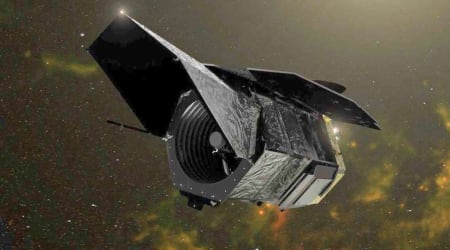
A fleet of six spacecraft could be Earth's first active defense against solar storms
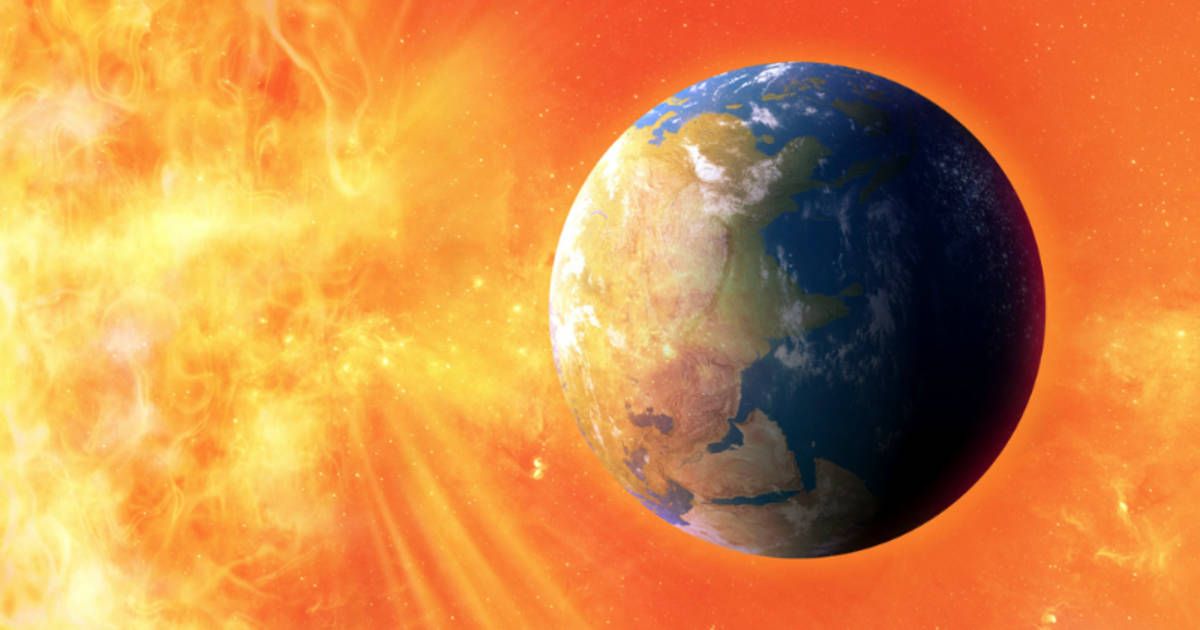
Until now, predicting when a solar storm would arrive and preparing for the worst was the best humanity could do. However, a team of researchers led by Brian Walsh of Boston University has proposed an active defense system against solar storms, called StormWall. The system includes a fleet of six spacecraft that would release chemical materials into space to actively weaken solar storms before they hit Earth. The concept, published on June 2 in the journal Space Weather, uses computer simulations to show the system could reduce the intensity of a major geomagnetic storm by more than 50%. "People have always thought, 'space is huge, the sun is massive, we just have to sit here and take whatever it gives us,'" said Walsh in a statement. "But what we found is that we can impact it."
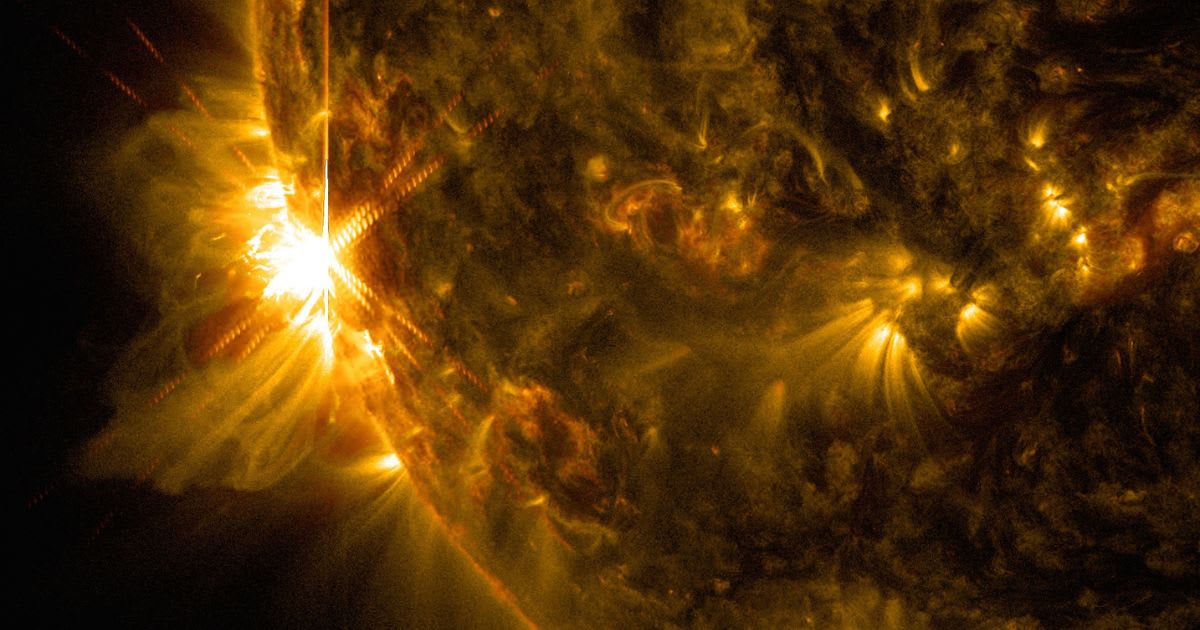
How would StormWall work?
Earth is surrounded by a magnetosphere, a large magnetic field that absorbs and redirects most of the harmful energy the sun throws at us. Under normal conditions, it does the job well. The problem arises during extreme solar events. When magnetic fields of solar wind line up with Earth's magnetic field, the two temporarily connect. This connection acts like an open door and triggers geomagnetic storms that can do a lot of damage.
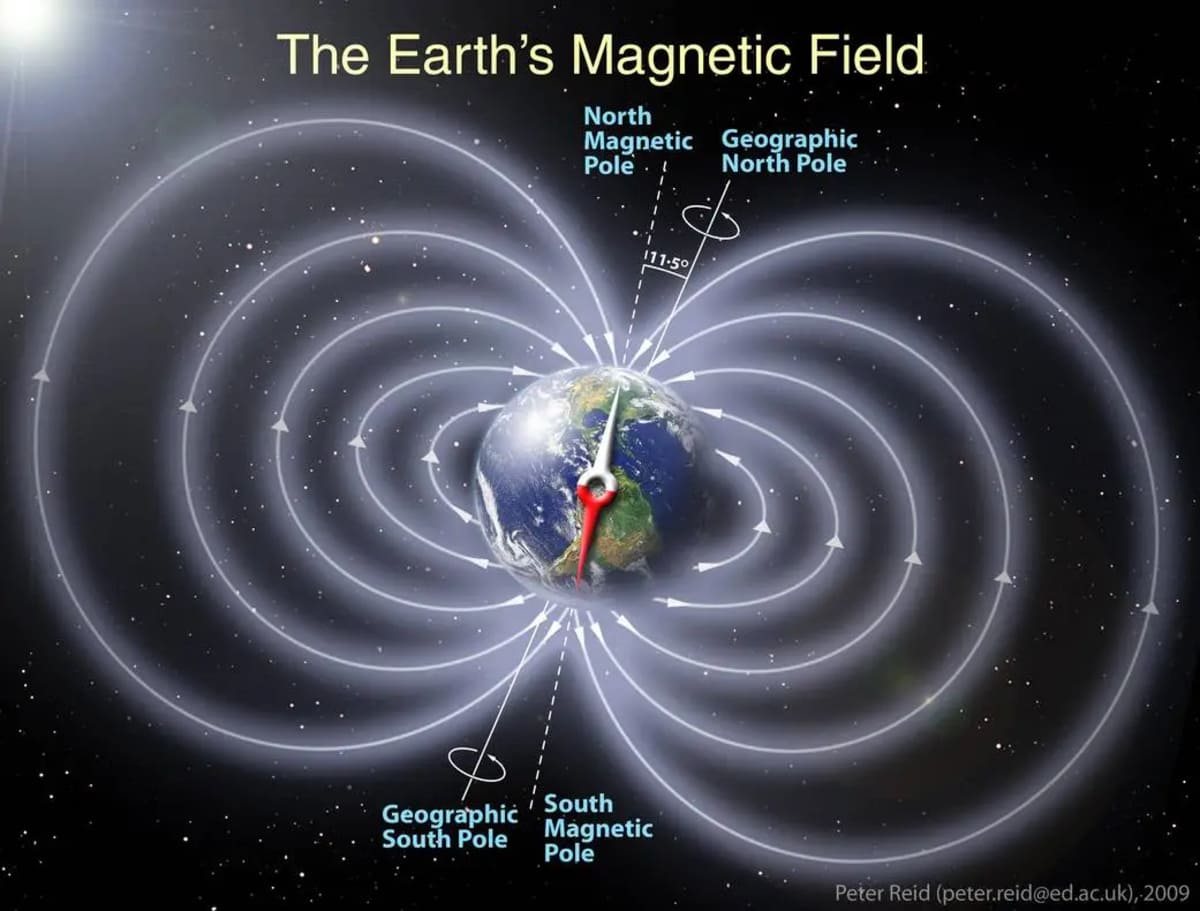
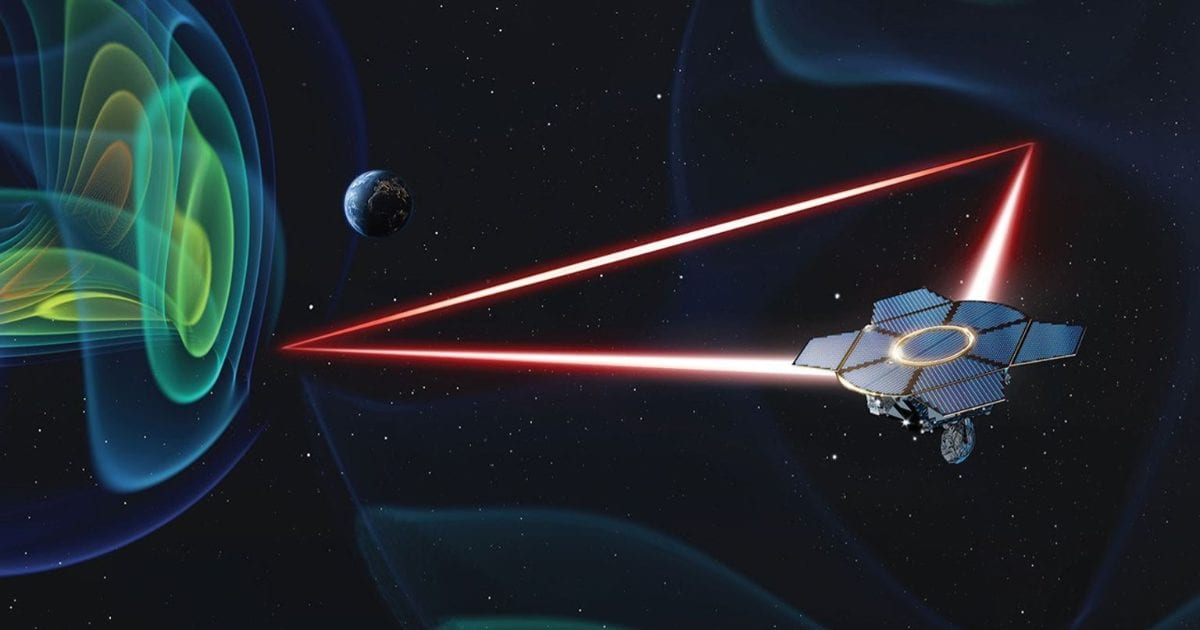
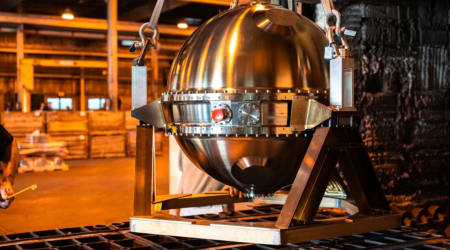
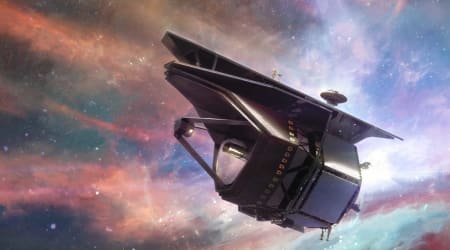
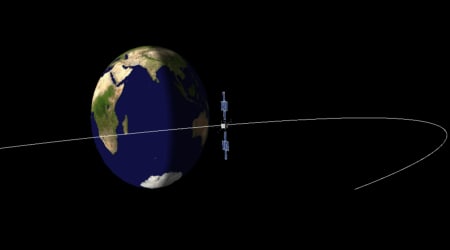
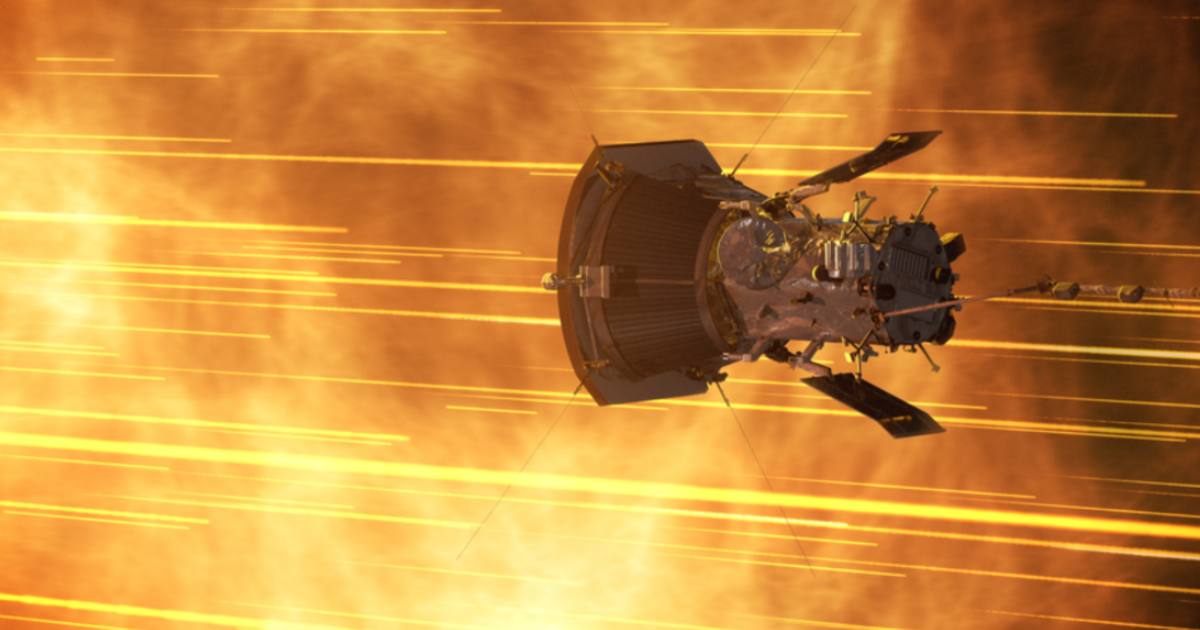
The proposed system will act as a defensive mechanism. It will deploy six spacecraft into geosynchronous orbit. On board each spacecraft would be a supply of what researchers call a 'mass-loading material,' such as barium, calcium, sodium, or lithium. Each of these materials can be kept stable in solid or liquid form during transit, then converted to vapor when needed. When a dangerous solar storm is detected heading toward Earth, mission controllers will command the spacecraft to deploy their payload.
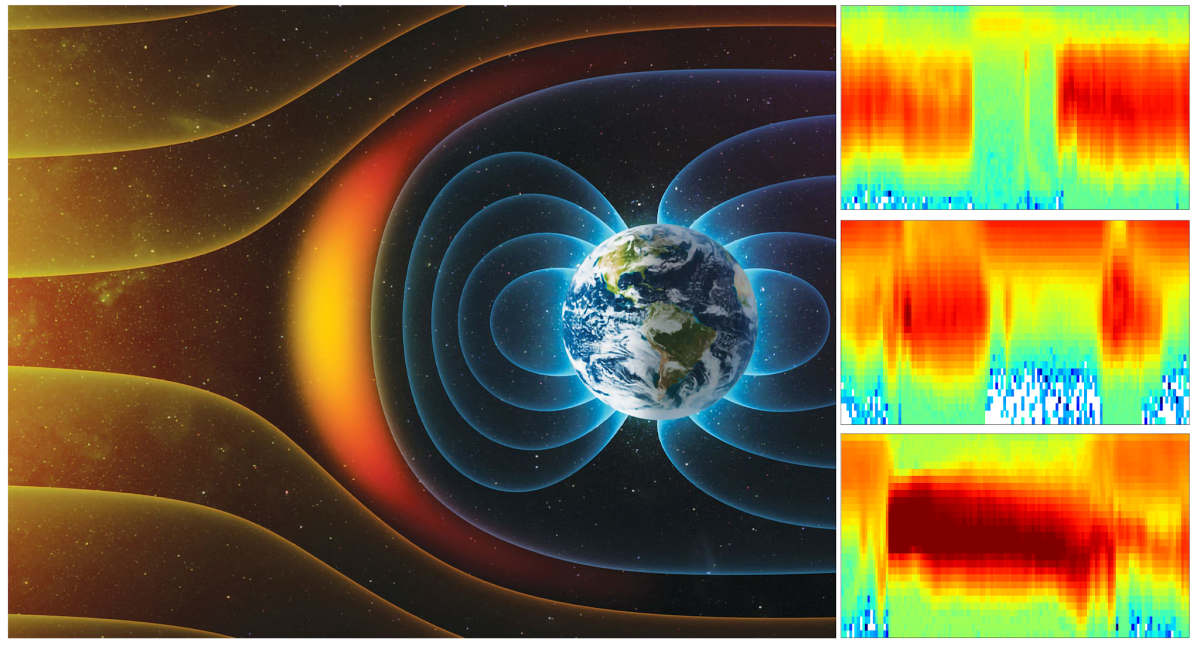
Once released, solar radiation would charge those vaporized particles and turn them into a cloud of plasma. That plasma would drift toward the sun-facing edge of the magnetosphere. This will thicken the boundary between Earth and the incoming solar wind. To put it simply, Walsh said, "It's like people in a village who see a river flooding—maybe they can predict when that will happen, but probably what's even better is if they could build a storm wall."
Does it work against a real solar storm?
To put the concept through its paces, the team ran simulations of the powerful geomagnetic event from May 2024, widely known as the Mother's Day storm. They ran two versions: one without any intervention, and one with StormWall deployed. The results indicated that although StormWall cannot stop a geomagnetic storm from happening altogether, it could reduce its intensity by more than 50%. "When you apply some really serious physics to it, it does work," Walsh added. "And the amount of mass we need, the launch capacities — it's all within our capabilities."
However, there is a practical limitation to StormWall. It is a “one-and-done system”; this means that once the payload is fired out and ionizes, the system would need to be replenished. In total, the six spacecraft would need to be loaded with roughly the same volume of material as a dozen large oil tanker trucks, and that would not be cheap. But Walsh is confident that the costs can be brought down, especially with private companies investing heavily in space insfrastructure, including orbital data centers.
There's also an upside to how the system works: because the magnetosphere blankets the entire globe, StormWall would serve as a shield for the entire planet. "If you built it, if it was deployed, it would help all people on the planet. You couldn't make it in a way that helped only one country, one group of satellites," Walsh explained. The team plans on figuring out a way to reduce the material used by half by simulating a pulsed release. They also want to look for more efficient orbits and find out the best elements to use. As of now, the StormWall remains a simulation-backed concept.
More on Starlust
James Webb detects most distant dormant black hole ever found at over 10 billion light-years away
What happened to black holes from the Big Bang? Study says they might be alive today as white holes